Group trips to Singapore
Our organized trips to Singapore
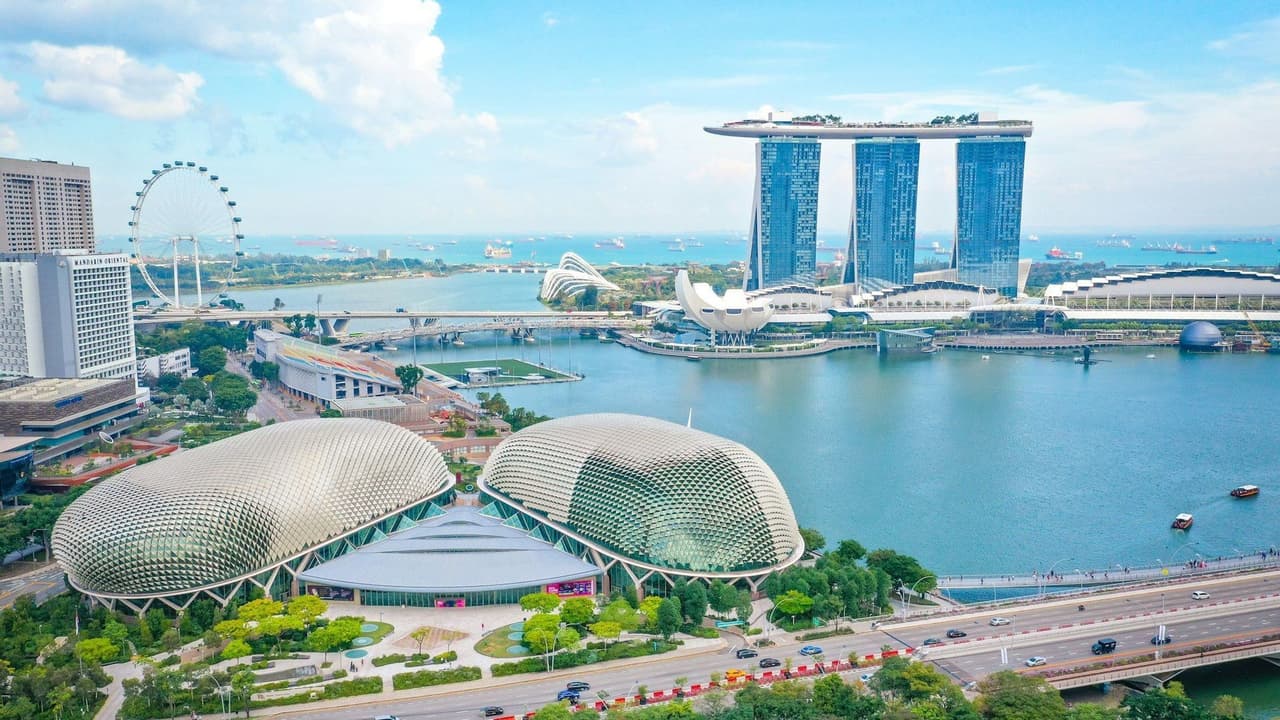
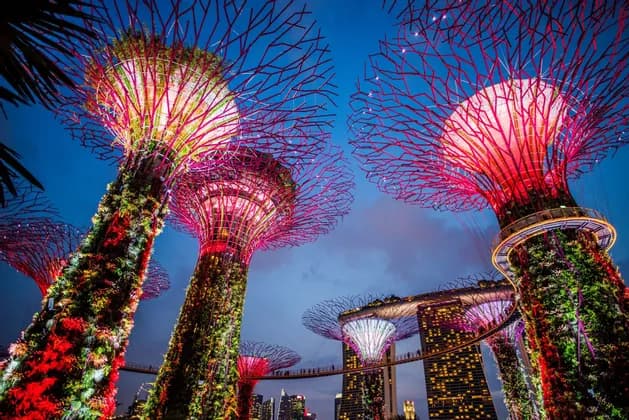
Singapore is an island city-state at the southern tip of the Malay Peninsula, a multicultural hub where Chinese, Malay, Indian, and Peranakan heritages meet futuristic architecture and some of the best street food in the world. It stands out for spotless efficiency, tropical gardens grafted onto skyscrapers, and unbeatable air and rail connections to the rest of Asia. Walk Gardens by the Bay and the Supertree Grove, eat your way through Maxwell and Lau Pa Sat hawker centres, wander Kampong Glam, Little India, and Chinatown, ride the Singapore Flyer, and escape to Pulau Ubin or Sentosa's beaches. Sample chili crab, laksa, and kaya toast. Singapore suits first-time Asia travelers, families, food lovers, and business travelers extending their stay.
Book with confidence
Book with $ 0
Lock in your spot and only pay once it's confirmed
Free changes
Switch dates or destination within 31 days, at no extra cost
Maximum Flexibility
New Flexible Cancellation! Cancel up to 24hrs before
Pay in installments
Spread the cost over time, interest-free
FAQs about Singapore
Find out the entry requirements for Singapore, and, if needed, apply for your visa through our partner Sherpa.
Before traveling, always remember to check the government website of your country of origin for updates on the entry requirements for Singapore – you wouldn’t want to stay home due to a bureaucratic detail!
- UK residents: review the FCDO Travel Advice.
- US residents: consult the US Department of State Travel Advice.
- Other residents: refer to your government or local consulate's travel advice.
Singapore operates on Singapore Standard Time (SGT), which is 8 hours ahead of Coordinated Universal Time (UTC+8). If it is 12pm in the UK, it will be 8pm in Singapore. For the USA, if it is 12pm on the East Coast, it will be 1am the next day in Singapore. Singapore does not observe daylight saving time, so the time difference remains consistent throughout the year.
Singapore uses the Singapore Dollar (SGD). The daily exchange rate is approximately:
- 1 GBP to 1.65 SGD
- 1 USD to 1.35 SGD
- 1 EUR to 1.55 SGD
However, rates can fluctuate. You can exchange currency at most banks, currency exchange counters at Changi Airport, and in shopping districts like Orchard Road.
In Singapore, you can pay using cash, credit cards, or mobile payments. Credit cards like Visa and MasterCard are widely accepted. Mobile payment options such as Apple Pay, Google Pay, and Samsung Pay are also popular and convenient. You will find ATMs available throughout the city for cash withdrawals if needed. It's a good idea to keep a small amount of cash for smaller vendors or markets that might not accept cards.
Tipping in Singapore is not a common practice, as service charges are often included in your bill, especially in restaurants and hotels. You'll typically see a service charge of about 10 percent added automatically. However, if you feel you’ve received exceptional service, feel free to leave a small tip as a gesture of appreciation. Taxi drivers and hotel staff do not generally expect tips, but rounding up the fare or leaving a small amount can be appreciated.
In Singapore, internet connectivity is excellent and Wi-Fi is widely available in most public places like shopping malls, cafes, and hotels. However, to stay connected on-the-go, we recommend you buy a local SIM card or an e-SIM data plan. Popular providers include:
- Singtel
- M1
- StarHub
These providers offer various data plans to suit your needs. You can purchase SIM cards at the airport, convenience stores, or mobile shops around the city.
In Singapore, the official languages are English, Malay, Mandarin, and Tamil. English is widely used for business and administration, so you'll have no trouble getting around. Here are some colloquial expressions you might hear or use:
- How much: Berapa banyak (Malay)
- Thank you: 谢谢 (Xièxiè in Mandarin)
- Please: தயவு செய்து (Tayavu ceytu in Tamil)
These phrases can be handy during your visit!
In Singapore, type G plugs are used, which are the same as those in the UK. The standard voltage is 230V with a frequency of 50Hz. If you are coming from a country that uses different plug types, we suggest you bring a universal adapter to ensure you can charge your devices without any hassle.
Singapore is a multicultural city-state with a mix of religions. The main religion is Buddhism, followed by Christianity, Islam, Taoism, and Hinduism. Islam is one of the major religions, so if you are visiting religious sites like mosques, dress modestly. Women should consider covering their shoulders and knees. Important religious holidays include:
- Chinese New Year
- Hari Raya Puasa (Eid al-Fitr)
- Deepavali
- Vesak Day
Each of these festivals offers a unique cultural experience, reflecting the diverse cultural tapestry of Singapore.
Packing for Singapore means preparing for a tropical climate with high humidity and occasional rain. Here's what to put in your backpack:
-
Clothing:
- Lightweight t-shirts and tops
- Shorts and light pants
- A light rain jacket or poncho
- Swimwear for pools or beaches
-
Shoes:
- Comfortable walking shoes
- Sandals or flip-flops
- Dress shoes if you plan to visit upscale venues
-
Accessories and Technology:
- Sunglasses and a sunhat
- An umbrella for sudden showers
- A travel adapter for type G plugs
- Power bank for your devices
-
Toiletries and Medication:
- Sunscreen with high SPF
- Insect repellent
- Basic first-aid kit
- Common travel medications: paracetamol, antihistamines, and motion sickness tablets
Singapore is warm year-round, so dress light and stay comfortable.
Singapore has a tropical climate, so you can expect warm and humid weather all year round. Temperatures usually range between 77°F to 95°F (25°C to 35°C), with frequent rainfall.
- From November to January, it's the wettest period with heavy rain and thunderstorms.
- February to April is relatively drier, making it a more pleasant time to visit.
- May to October can be quite hot and humid, with occasional showers.
The best time to visit is during the slightly cooler and drier months from February to April.