EUROPE FLASH SALE đŸ”„ New to WeRoad? Save with WEROADER150

10
Hours
41
Min
42
Sec
A large red sandstone monolith glows at sunset, rising from a grassy plain under a clear blue sky with the moon visible.

Group trips to Australia

Our organized trips to Australia

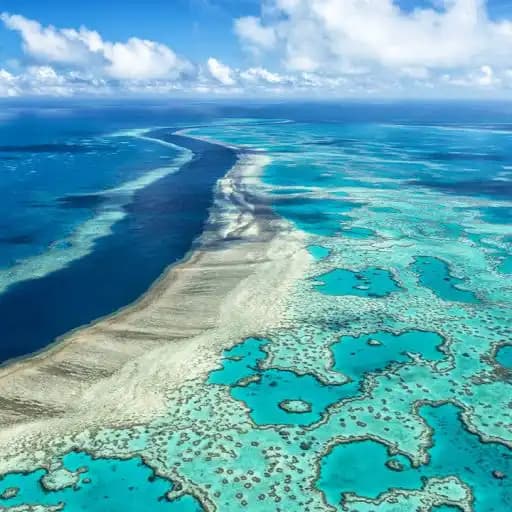
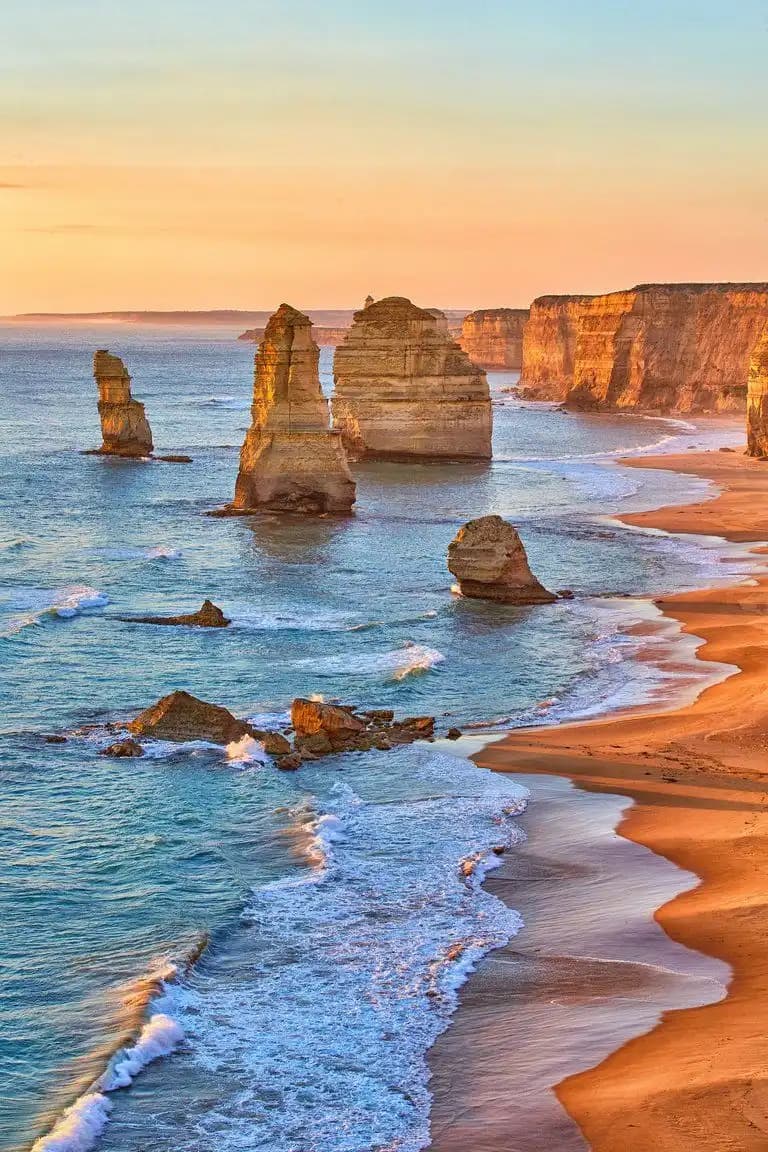
Australia is an island continent in the Southern Hemisphere, a country that stretches from tropical Great Barrier Reef waters to red-rock Outback and temperate Tasmanian wilderness. It stands out for unique wildlife, deep Aboriginal heritage, and some of the world's most livable cities. Snorkel the Great Barrier Reef out of Cairns or Port Douglas, watch sunrise over Uluru, drive the Great Ocean Road past the Twelve Apostles, surf Bondi and Bells Beach, sail the Whitsunday Islands, hike the Overland Track in Tasmania, explore the Kimberley's Bungle Bungles, and attend Vivid Sydney. Sample meat pies, a lamington, and a flat white. Australia suits road-trippers, diving and surfing enthusiasts, families, backpackers on working holidays, wildlife lovers, and slow travelers who appreciate that distances here are continental.

View by
2 trips found
Show maps
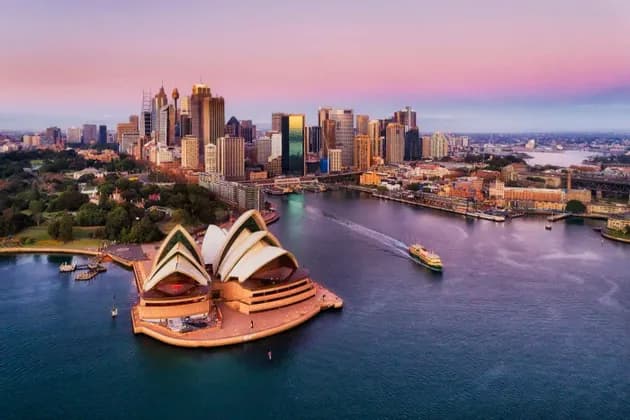
An aerial view of an iconic opera house and a city skyline at sunset, with a ferry crossing the harbor.
From$ 2,446
$ 2,885
-15%

Book with confidence

Book with $ 0

Lock in your spot and only pay once it's confirmed

Free changes

Switch dates or destination within 31 days, at no extra cost

Maximum Flexibility

New Flexible Cancellation! Cancel up to 24hrs before

Pay in installments

Spread the cost over time, interest-free
FAQs about Australia

What type of driving licence is required to drive in Australia?

To drive in Australia, an international driving permit or a licence in English is required.

What are the entry requirements for Australia?

Find out the entry requirements for Australia, and, if needed, apply for your visa through our partner Sherpa.

Before traveling, always remember to check the government website of your country of origin for updates on the entry requirements for Australia – you wouldn’t want to stay home due to a bureaucratic detail!

What's the time zone in Australia?

Australia has multiple time zones, and it can get a bit complex due to daylight saving time.

  • Australian Western Standard Time (AWST): If it's 12pm in the UK, it's 7pm in AWST, and if it's 12pm in the USA (Eastern Time), it's 1am the next day in AWST.
  • Australian Central Standard Time (ACST): If it's 12pm in the UK, it's 8:30pm in ACST, and if it's 12pm in the USA (Eastern Time), it's 2:30am the next day in ACST.
  • Australian Eastern Standard Time (AEST): If it's 12pm in the UK, it's 9pm in AEST, and if it's 12pm in the USA (Eastern Time), it's 3am the next day in AEST.

Remember, during daylight saving time (from the first Sunday in October to the first Sunday in April), the clocks go forward one hour in regions observing it (not all do).

Which currency is used in Australia?

Australia uses the Australian Dollar (AUD). The current exchange rate is approximately 0.52 GBP, 0.64 USD, and 0.61 EUR for 1 AUD. You can exchange currency at airports, banks, or currency exchange offices in major cities. It's a good idea to compare rates to get the best deal.

How can I pay in Australia?

In Australia, you can pay using credit cards, debit cards, and contactless payment methods like Apple Pay and Google Pay. Major cards like Visa, MasterCard, and American Express are widely accepted. Cash is still used, but electronic payments are very common. It's a good idea to inform your bank about your travel plans to avoid issues with your cards being blocked. ATMs are readily available for withdrawing cash if needed.

Do I need to tip in Australia?

Tipping in Australia isn't as common as in the USA, but it's appreciated for excellent service. Restaurants and cafes don't expect tips, but leaving 10 percent for outstanding service is kind. In taxis, rounding up the fare is a nice gesture. For hotel staff, tipping a few dollars for helpful service is a good idea. Remember, tipping is discretionary, so go with what feels right for you.

What's the internet like in Australia? Should I buy a SIM card? How available is Wi-Fi?

Australia is not in Europe or the Schengen area, so using your home SIM for data might be costly. We suggest you buy a local SIM or an e-SIM data plan for better rates. Popular providers include Telstra, Optus, and Vodafone, which offer good coverage across the country. Wi-Fi is available in most urban areas, hotels, cafes, and airports, but it might be less accessible in remote regions. For constant connectivity, a local SIM is a good option.

What language do they speak in Australia?

In Australia, the official language is English. While you'll find it's generally the same as the English spoken in the UK or the USA, Australians have their own unique expressions. Here are a few you might hear:

  • "G'day" - Hello
  • "Arvo" - Afternoon
  • "Barbie" - Barbecue
  • "Fair dinkum" - Genuine or real
  • "Mate" - Friend or buddy

These colloquial terms are common, so you'll fit right in by using them!

What kind of plugs are used in Australia?

Australia uses Type I plugs. These plugs have two flat pins in a V-shape as well as a grounding pin. The standard voltage in Australia is 230V with a frequency of 50Hz. If you're traveling from the UK, the US, or other European countries, you'll need a universal adapter to use your electronics in Australia. Make sure your devices can handle the 230V voltage to avoid any issues.

What’s the main religion in Australia?

Australia is a culturally diverse nation with Christianity being the predominant religion. However, the country is known for its religious tolerance and diversity, with many Australians identifying as having no religion. Important Christian holidays celebrated include Christmas and Easter. Due to Australia's multicultural society, you will also notice celebrations from other religions such as Islam, Hinduism, and Buddhism.

What should I pack for Australia?

Australia is known for its diverse climate and stunning landscapes, so you'll want to be prepared for anything. Here's a list of essentials to pack in your backpack:

  • Clothing:
    • Lightweight t-shirts
    • Shorts
    • Long pants for cooler evenings
    • Swimsuit
    • Light jacket or sweater
  • Shoes:
    • Comfortable walking shoes
    • Flip-flops
    • Sandals
  • Accessories and Technology:
    • Sunglasses
    • Hat for sun protection
    • Smartphone and charger
    • Portable power bank
    • Travel adapter (Australia uses Type I plugs)
  • Toiletries and Medication:
    • Sunscreen
    • Insect repellent
    • Basic toiletries like toothbrush and toothpaste
    • Pain relievers like ibuprofen or paracetamol
    • Motion sickness tablets if needed

Remember, Australia's climate can vary greatly, so check the specific weather conditions for your destination and season.

What’s the weather like in Australia?

Australia's weather varies significantly depending on the region and season, so it's great to plan ahead:

  • Northern Australia: Tropical climate with a wet season (November to April) and a dry season (May to October). Best time to visit is during the dry season for cooler temperatures and less humidity.
  • Southern Australia: Temperate climate with four seasons. Summers (December to February) can be hot, while winters (June to August) are cooler and wetter. Spring (September to November) and autumn (March to May) are generally mild and pleasant.
  • Central Australia: Desert climate with very hot summers and cooler winters. The best time to visit is during the cooler months from May to September.

Always check the specific region's forecast before you go!