Group trips to the Philippines
Our organized trips to the Philippines
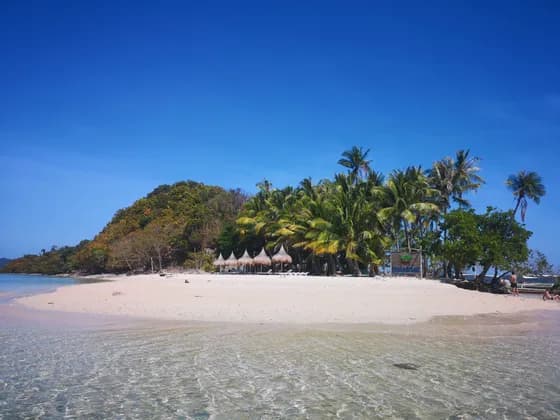
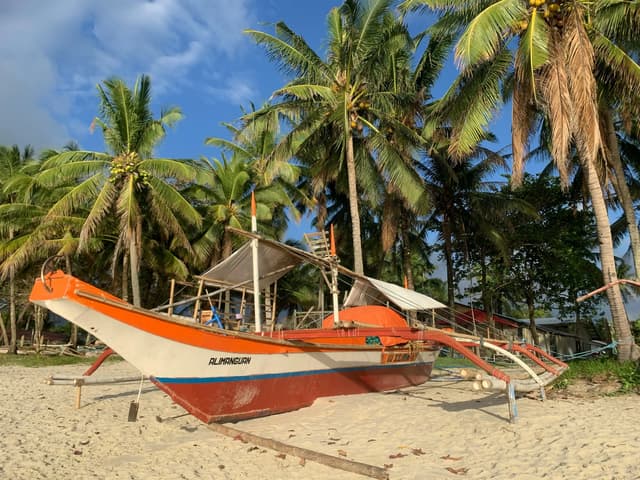
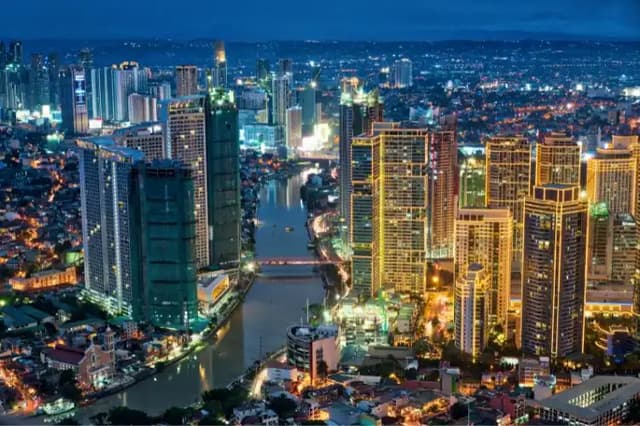
The Philippines is a Southeast Asian archipelago of more than seven thousand islands where Spanish colonial towns, Pacific rainforests, and world-class reefs create one of the planet's most varied beach destinations. It stands out for warm English-speaking hospitality, vivid underwater life, and Mindanao-to-Luzon cultural diversity. Island-hop the Bacuit Archipelago from El Nido, dive with thresher sharks in Malapascua and whale sharks in Oslob, trek the Banaue and Batad rice terraces, surf Siargao's Cloud 9, climb Mount Pinatubo, and paddle the Puerto Princesa underground river. Sample adobo, sinigang, and halo-halo at carinderias and markets. The Philippines suits beach lovers, divers, surfers, families, and travelers comfortable with multiple short flights between islands.
Book with confidence
Book with $ 0
Lock in your spot and only pay once it's confirmed
Free changes
Switch dates or destination within 31 days, at no extra cost
Maximum Flexibility
New Flexible Cancellation! Cancel up to 24hrs before
Pay in installments
Spread the cost over time, interest-free
FAQs about Philippines
Find out the entry requirements for Philippines, and, if needed, apply for your visa through our partner Sherpa.
Before traveling, always remember to check the government website of your country of origin for updates on the entry requirements for Philippines â you wouldnât want to stay home due to a bureaucratic detail!
- UK residents: review the FCDO Travel Advice.
- US residents: consult the US Department of State Travel Advice.
- Other residents: refer to your government or local consulate's travel advice.
The Philippines is in the Philippine Time Zone, which is 8 hours ahead of GMT/UTC. If it is 12pm in the UK, it will be 8pm in the Philippines. If you're on the East Coast of the USA and it's 12pm, it will be 1am the next day in the Philippines. The Philippines does not observe daylight saving time, so this time difference remains consistent throughout the year.
The currency used in the Philippines is the Philippine Peso (PHP). As of the latest rates:
- 1 GBP is approximately 70 PHP
- 1 USD is around 56 PHP
- 1 EUR is about 60 PHP
You can exchange currency at airports, banks, and authorized money changers throughout the country. It's always a good idea to check current exchange rates before you travel.
In the Philippines, you can pay using cash, credit cards, and mobile payment apps. Credit cards are widely accepted in urban areas, especially in malls, hotels, and restaurants. However, in rural areas and for smaller vendors, cash is more common. It is a good idea to have some Philippine Peso on hand. You can also use mobile payment apps like GCash and PayMaya, which are increasingly popular for convenient transactions.
Tipping in the Philippines is appreciated but not mandatory. In restaurants, leaving a 5 to 10 percent tip is common if a service charge is not included in the bill. For other services, such as taxi drivers or hotel staff, rounding up the fare or leaving a small cash tip is a nice gesture. Always ensure you have some small bills or coins handy for tipping.
In the Philippines, internet access can be spotty, especially in rural areas, but it's generally reliable in cities. Buying a local SIM card is a good idea for better connectivity, and you can choose from providers like Globe, Smart, or DITO. These providers offer affordable data plans that will keep you connected throughout your trip. Wi-Fi is commonly available in hotels, malls, and cafes in urban areas, though speeds can vary. If you're visiting remote locations, having a SIM card with a data plan is your best bet to stay connected.
In the Philippines, the official language is Filipino, which is based on Tagalog, and English is widely spoken as well. You'll find many locals speaking both languages, making communication easier for travelers. Here are some useful Filipino expressions you might hear or use:
- Hello: Kumusta
- Thank you: Salamat
- Yes: Oo
- No: Hindi
- How much?: Magkano?
These phrases can be handy when interacting with locals during your trip.
In the Philippines, you'll find Type A and Type B plugs, similar to those used in North America. The voltage is 220V with a frequency of 60Hz. Since these plugs differ from those used in countries like Italy, it's a good idea to bring a universal adapter to ensure you can charge your devices without any hiccups.
The main religion in the Philippines is Christianity, with Roman Catholicism being the predominant denomination. Around 80% of the population are Roman Catholics. There are also significant numbers of other Christian denominations, such as Protestantism, and a minority of the population practices Islam, mainly in the southern regions. Important religious holidays include Christmas, Easter, and the Feast of the Black Nazarene. If you're visiting during these times, expect vibrant celebrations and public holidays.
For a trip to the Philippines, you'll want to pack smartly for the tropical climate. Here's what you should consider bringing in your backpack:
-
Clothing:
- Light t-shirts, tank tops
- Shorts, lightweight pants
- Swimwear
- A light rain jacket or poncho
- A hat for sun protection
-
Shoes:
- Comfortable sandals
- Flip-flops for the beach
- Lightweight sneakers or walking shoes
-
Accessories and technology:
- Sunglasses
- Waterproof phone case
- Power bank
- Universal adapter for electronics
-
Toiletries and medication:
- Sunscreen with high SPF
- Insect repellent
- Personal toiletries
- Basic first-aid kit
- Common travel medication like motion sickness pills, pain relievers, anti-diarrhea tablets
The Philippines is known for its beautiful beaches and vibrant culture, so pack accordingly and get ready to explore!
The weather in the Philippines is tropical and can vary depending on the region and time of year. Here's a quick breakdown:
- Luzon (north): Dry season from November to April, wet season from May to October. Best time to visit is November to February.
- Visayas (central): Similar to Luzon but with less variation. Best time to visit is December to May.
- Mindanao (south): More consistently warm and wet. Best time to visit is December to March.
Temperatures are generally warm year-round, averaging between 25°C (77°F) and 32°C (90°F). The hottest months are usually March to May. Typhoon season runs from June to November, so it's best to plan accordingly.