Group trips to Panama
Our organized trips to Panama
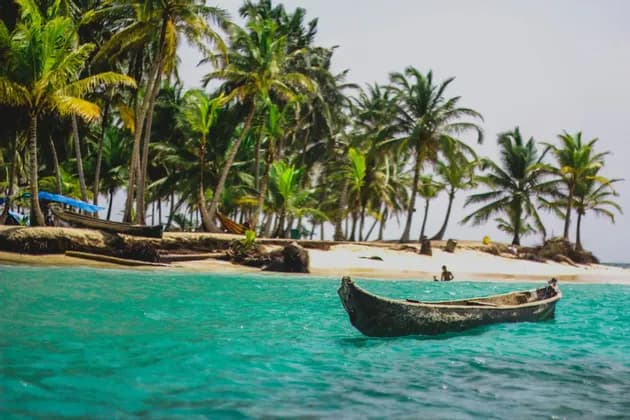
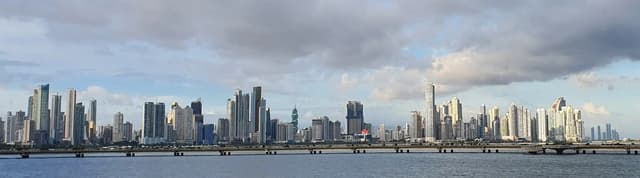
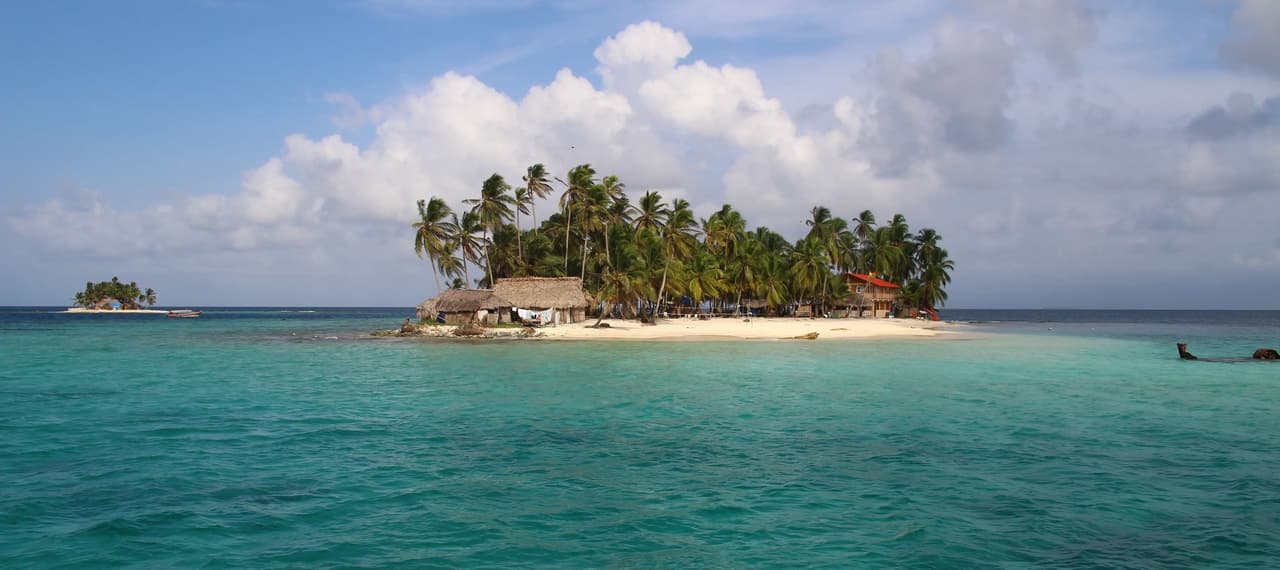
Panama is a bridge between North and South America, a country famous for its canal but also packed with rainforests, two oceans, and some of Central America's best-preserved indigenous cultures. It stands out for excellent biodiversity, easy logistics, and a capital that blends glass skyscrapers with a UNESCO colonial core. Watch ships transit the Miraflores locks, wander Casco Viejo's cafes and rooftops, hike Baru Volcano in Boquete, snorkel the Coiba marine park, sail the San Blas Islands with Guna communities, and birdwatch on Pipeline Road. Sample sancocho, ceviche, and geisha coffee. Panama suits first-time Central America travelers, birders, sailors, and couples wanting a mix of city, beach, and rainforest without long transfers.
Book with confidence
Book with $ 0
Lock in your spot and only pay once it's confirmed
Free changes
Switch dates or destination within 31 days, at no extra cost
Maximum Flexibility
New Flexible Cancellation! Cancel up to 24hrs before
Pay in installments
Spread the cost over time, interest-free
FAQs about Panama
Find out the entry requirements for Panama, and, if needed, apply for your visa through our partner Sherpa.
Before traveling, always remember to check the government website of your country of origin for updates on the entry requirements for Panama â you wouldnât want to stay home due to a bureaucratic detail!
- UK residents: review the FCDO Travel Advice.
- US residents: consult the US Department of State Travel Advice.
- Other residents: refer to your government or local consulate's travel advice.
Panama is in the Eastern Standard Time (EST) zone, and it does not observe daylight saving time. This means that if it is 12 pm in the UK, it will be 7 am in Panama. If it is 12 pm on the East Coast of the USA, it will be 12 pm in Panama as well. Panama's consistent time makes it easy to plan your travel without worrying about seasonal clock changes.
In Panama, the official currency is the Panamanian Balboa (PAB), but the United States Dollar (USD) is also widely used and accepted. The Balboa is pegged to the USD at a 1:1 ratio, so you can use USD without needing to exchange for Balboas. You can exchange currency at banks or exchange bureaus if needed.
You can pay in Panama using cash, credit cards, and mobile payments. Credit cards like Visa and MasterCard are widely accepted in urban areas, but smaller shops and rural areas might prefer cash. Mobile payment options like Apple Pay and Google Pay are also available in many places. Make sure to have some cash on hand for small purchases or when visiting less touristy areas. ATMs are common in cities, so withdrawing cash is convenient if needed.
Tipping in Panama is appreciated but not mandatory. In restaurants, you might find a service charge already included, but if it's not, leaving a tip of about 10 percent is common. For taxis, rounding up the fare is a nice gesture, although not expected. In hotels, you can tip bellhops a couple of dollars per bag. Remember, tipping is a way to show appreciation for good service, so it's entirely up to you.
In Panama, you can find Wi-Fi in most hotels, cafes, and public places, especially in major cities like Panama City. However, coverage might be spotty in rural areas. For a more reliable connection, we recommend you buy a local SIM card or an e-SIM data plan. Providers like Movistar, Claro, and Digicel offer various packages to suit your needs. This way, you can stay connected wherever you are, especially when exploring off-the-beaten-path locations.
In Panama, the official language is Spanish. However, English is widely spoken, especially in tourist areas. Here are some useful Spanish expressions you might hear or use:
- Hello - Hola
- Thank you - Gracias
- Please - Por favor
- Excuse me - PerdĂłn
- How much is it? - ÂżCuĂĄnto cuesta?
- Where is...? - ÂżDĂłnde estĂĄ...?
- Yes - SĂ
- No - No
Understanding a few basic phrases can make your trip more enjoyable and help you connect with locals.
In Panama, the plugs used are type A and type B, similar to those in the USA. The electrical tension is 120 volts with a frequency of 60 Hz. If your devices have different plug types, we suggest you bring a universal adapter to ensure compatibility. Always check your devices to make sure they can handle the voltage to avoid any issues.
The main religion in Panama is Roman Catholicism, with a significant portion of the population practicing it. Protestantism is also widely practiced. In Panama, religious holidays like Christmas and Easter are celebrated with much enthusiasm and are important cultural events. You will notice various religious festivals and processions, especially during Holy Week. While there are no specific dress requirements related to religion for travelers, it's always good to dress respectfully when visiting churches or religious sites.
Heading to Panama? Here's a handy list of essentials to pack in your backpack:
-
Clothing:
- Lightweight t-shirts and tank tops
- Shorts and light trousers
- Swimsuit
- Light jacket or sweater for cooler evenings
- Raincoat or poncho for the wet season
-
Shoes:
- Comfortable walking shoes
- Flip-flops or sandals
- Water shoes for beach or water activities
-
Accessories and Technology:
- Sunglasses
- Hat or cap
- Lightweight backpack for day trips
- Smartphone and charger
- Power bank
-
Toiletries and Medication:
- Sunscreen and insect repellent
- Personal toiletries
- Basic first aid kit
- Common travel medication like pain relievers, antihistamines, and anti-diarrheal pills
Panama's tropical climate makes light and breathable clothing ideal. Keep in mind that the weather can be quite wet, so prepare for rain, especially during the rainy season from May to November.
Panama has a tropical climate with two main seasons: the dry season and the rainy season.
- Dry Season (December to April): Warm and sunny, especially in areas like Panama City and the Pacific coast. Best time to visit for beach activities.
- Rainy Season (May to November): Expect heavy rain and high humidity, particularly in the Caribbean coast and rainforest areas. Rain showers are typically short but intense.
The highlands, such as Boquete, are cooler year-round. We recommend you plan your trip during the dry season for a more pleasant experience.