EUROPE FLASH SALE đŸ”„ New to WeRoad? Save with WEROADER150

10
Hours
22
Min
36
Sec
A person in purple walks across a vast desert landscape with red rocks, a pale green lagoon, and distant mountains under a deep blue sky.

Group trips to Chile

Our organized trips to Chile

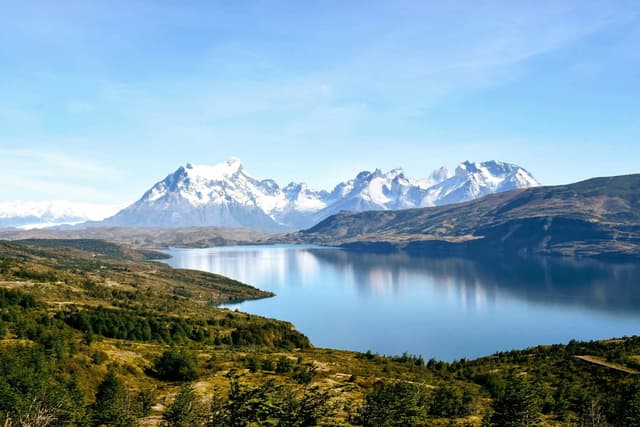
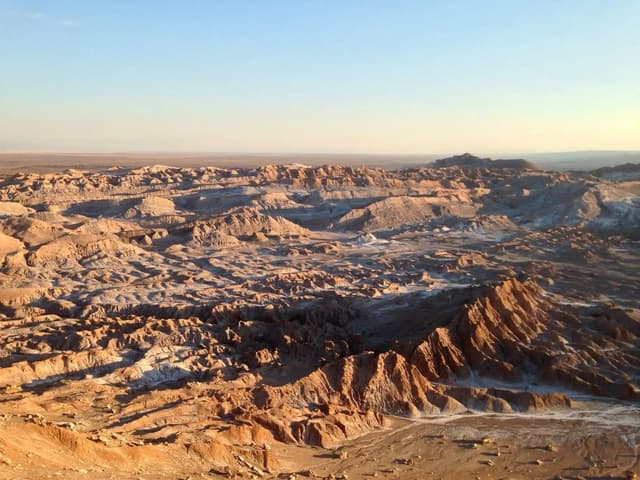
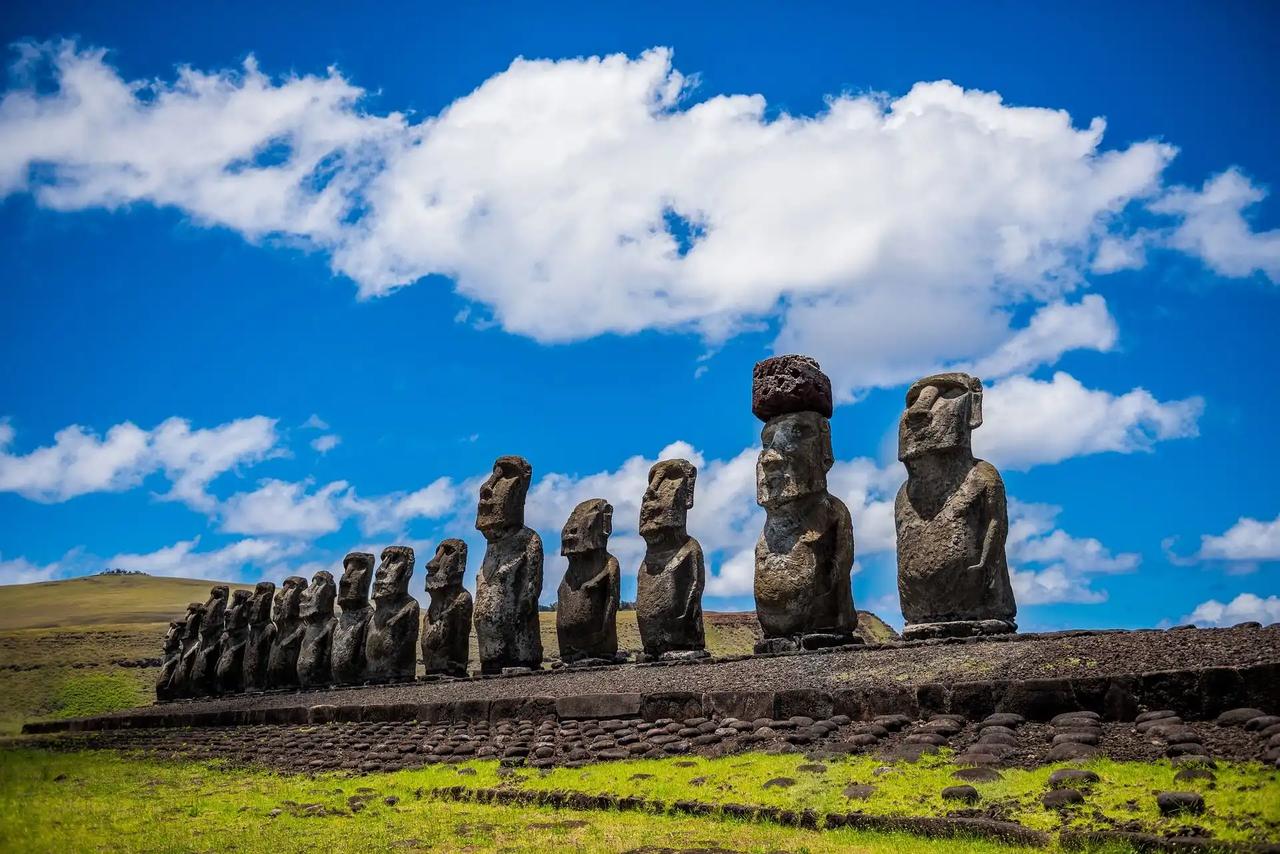
Chile is a long, slender South American republic stretching more than four thousand kilometers along the Pacific coast, a country that compresses the Atacama Desert, Mediterranean wine valleys, Andean volcanoes, Patagonian glaciers, and Easter Island into one improbable territory. It stands out for road-trip variety, world-class stargazing, and Indigenous Mapuche, Aymara, and Rapa Nui heritage. Explore the Atacama's Valle de la Luna and geysers of El Tatio, hike in Torres del Paine, drive the Carretera Austral, ski the Andes near Santiago, wine-taste in the Colchagua and Casablanca valleys, and visit the moai of Rapa Nui. Try empanadas, pastel de choclo, and pisco sours. Chile suits road-trippers, trekkers, stargazers, wine lovers, honeymooners, and travelers drawn to dramatic, endless landscapes.

View by
1 trip found
Show maps
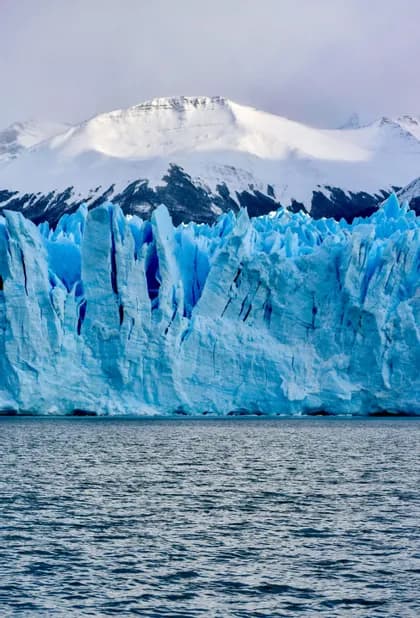
A massive blue glacier rises from the dark water, with snow-covered mountains in the background.
From$ 3,665

Book with confidence

Book with $ 0

Lock in your spot and only pay once it's confirmed

Free changes

Switch dates or destination within 31 days, at no extra cost

Maximum Flexibility

New Flexible Cancellation! Cancel up to 24hrs before

Pay in installments

Spread the cost over time, interest-free
Chile: is it your first time?
Discover more about the destination and read tips and tricks from other travellers!

FAQs about Chile

What are the entry requirements for Chile?

Find out the entry requirements for Chile, and, if needed, apply for your visa through our partner Sherpa.

Before traveling, always remember to check the government website of your country of origin for updates on the entry requirements for Chile – you wouldn’t want to stay home due to a bureaucratic detail!

What's the time zone in Chile?

Chile is primarily in the Chile Standard Time zone, which is UTC-3. However, during their daylight saving time, they switch to Chile Summer Time, which is UTC-2. If it's 12 pm in the UK, it will be 8 am in Chile when they are on standard time and 9 am during daylight saving time. For the USA, if it's 12 pm Eastern Time, it will be 11 am in Chile during standard time and 12 pm during daylight saving time. Keep in mind that Easter Island, part of Chile, is two hours behind the mainland.

Which currency is used in Chile?

In Chile, the currency is the Chilean Peso (CLP). The exchange rate can fluctuate, but as a rough guide, 1 GBP is approximately 1,250 CLP, 1 USD is about 900 CLP, and 1 EUR is around 1,050 CLP. You can exchange your money at banks, currency exchange offices, or even withdraw pesos from ATMs, which are widely available in cities and towns.

How can I pay in Chile?

Credit and debit cards are widely accepted in Chile, especially in cities and tourist areas. Visa and Mastercard are the most commonly used, but American Express is also accepted in some places. Cash is still useful in smaller towns or for small purchases. We suggest you carry some Chilean Pesos for such situations. ATMs are readily available for cash withdrawals, though fees may apply. Always notify your bank about your travel plans to avoid any issues.

Do I need to tip in Chile?

Tipping in Chile is pretty common and usually appreciated. In restaurants, a 10 percent tip is the norm and it's usually added to your bill automatically, but you can adjust it if needed. For taxi drivers, rounding up the fare is a nice gesture. In hotels, it's thoughtful to tip bellhops and housekeeping a little extra. When taking tours, guides often receive tips based on your experience. Tipping is not obligatory, but it’s a nice way to show appreciation for good service.

What's the internet like in Chile? Should I buy a SIM card? How available is Wi-Fi?

In Chile, the internet is generally reliable, especially in urban areas. Wi-Fi is widely available in hotels, cafes, and restaurants, but speeds can vary. Since Chile is not part of the European Union or Schengen area, we recommend you buy a local SIM card or an e-SIM data plan for constant connectivity. Popular providers include Entel, Movistar, and Claro, offering various prepaid packages that are easy to purchase at the airport or convenience stores. This way, you can ensure a good connection while exploring the country.

What language do they speak in Chile?

In Chile, the official language is Spanish. It's handy to know a few local expressions to help you get around:

  • Hello: Hola
  • Thank you: Gracias
  • Excuse me: PerdĂłn
  • How much is it?: ÂżCuĂĄnto cuesta?
  • Where is...?: ÂżDĂłnde estĂĄ...?

These phrases can be useful during your travels in Chile.

What kind of plugs are used in Chile?

Chile uses Type C and Type L plugs. The voltage is 220V with a frequency of 50Hz. If you're coming from a country that uses different plug types, like the UK or the USA, it's a good idea to bring a universal adapter so you can charge your devices without hassle. Make sure your devices are compatible with 220V to avoid any electrical issues.

What’s the main religion in Chile?

The main religion in Chile is Christianity, with the majority of the population identifying as Roman Catholic. There are also significant numbers of Protestants and other Christian denominations. In terms of religious holidays, Christmas and Easter are widely celebrated in Chile, often with public events and family gatherings. Keep in mind that while Chile is largely secular, religious customs and traditions can still play a significant role in local culture and festivities.

What should I pack for Chile?

For your trip to Chile, you'll want to be prepared for a variety of climates and activities. Here's a handy packing list to help you get started:

  • Clothing:
    • Lightweight layers for warm days
    • Warm sweaters or jackets for cooler evenings
    • Waterproof jacket for rainy days
    • Swimwear if you plan to visit the beaches
    • Comfortable clothing for hiking if you're visiting Patagonia
  • Shoes:
    • Comfortable walking shoes
    • Hiking boots if you're exploring national parks
    • Sandals for casual days or the beach
  • Accessories and Technology:
    • Sunglasses and sunhat for sunny days
    • Universal adapter for electronics
    • Camera or smartphone for capturing moments
    • Power bank to keep devices charged on the go
  • Toiletries and Medication:
    • Basic toiletries like toothbrush, toothpaste, and shampoo
    • Sunscreen and lip balm with SPF
    • Insect repellent
    • Common travel medication like pain relievers, antihistamines, and anti-diarrheal tablets

Chile offers diverse landscapes, so packing layers and essentials will ensure you're ready for anything the country has in store.

What’s the weather like in Chile?

Chile's weather can vary quite a bit depending on the region due to its long and narrow geography.

  • Northern Chile (Atacama Desert): Very dry and hot, with little to no rainfall. Best to visit in spring or autumn for milder temperatures.
  • Central Chile (Santiago, ValparaĂ­so): Mediterranean climate with hot, dry summers and mild, wet winters. Best time to visit is during spring or autumn.
  • Southern Chile (Patagonia): Cooler and wetter, with unpredictable weather. The best time to visit is in the summer months (December to February) for more stable conditions.

Consider visiting during the spring (September to November) or autumn (March to May) for pleasant weather across most regions.