EUROPE FLASH SALE đŸ”„ New to WeRoad? Save with WEROADER150

10
Hours
22
Min
25
Sec
A crowded city street at dusk, lined with buildings covered in glowing neon signs with Korean characters.

Group trips to Korea

Our organized trips to Korea

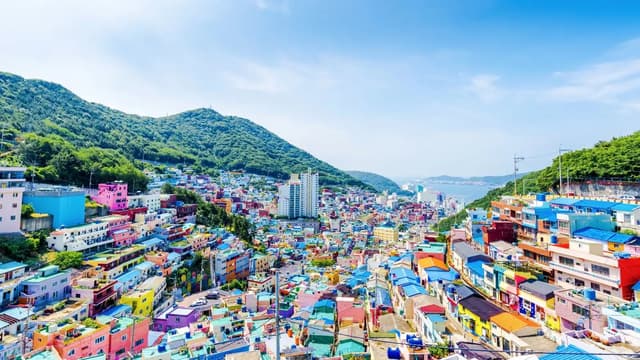
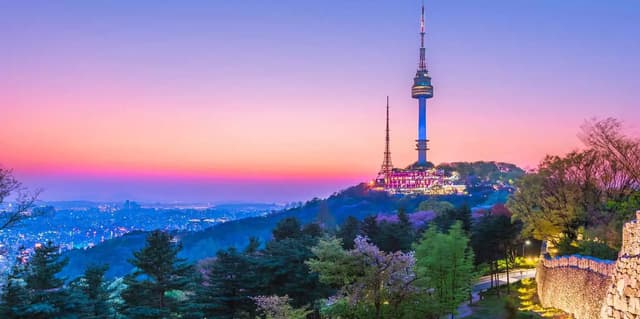
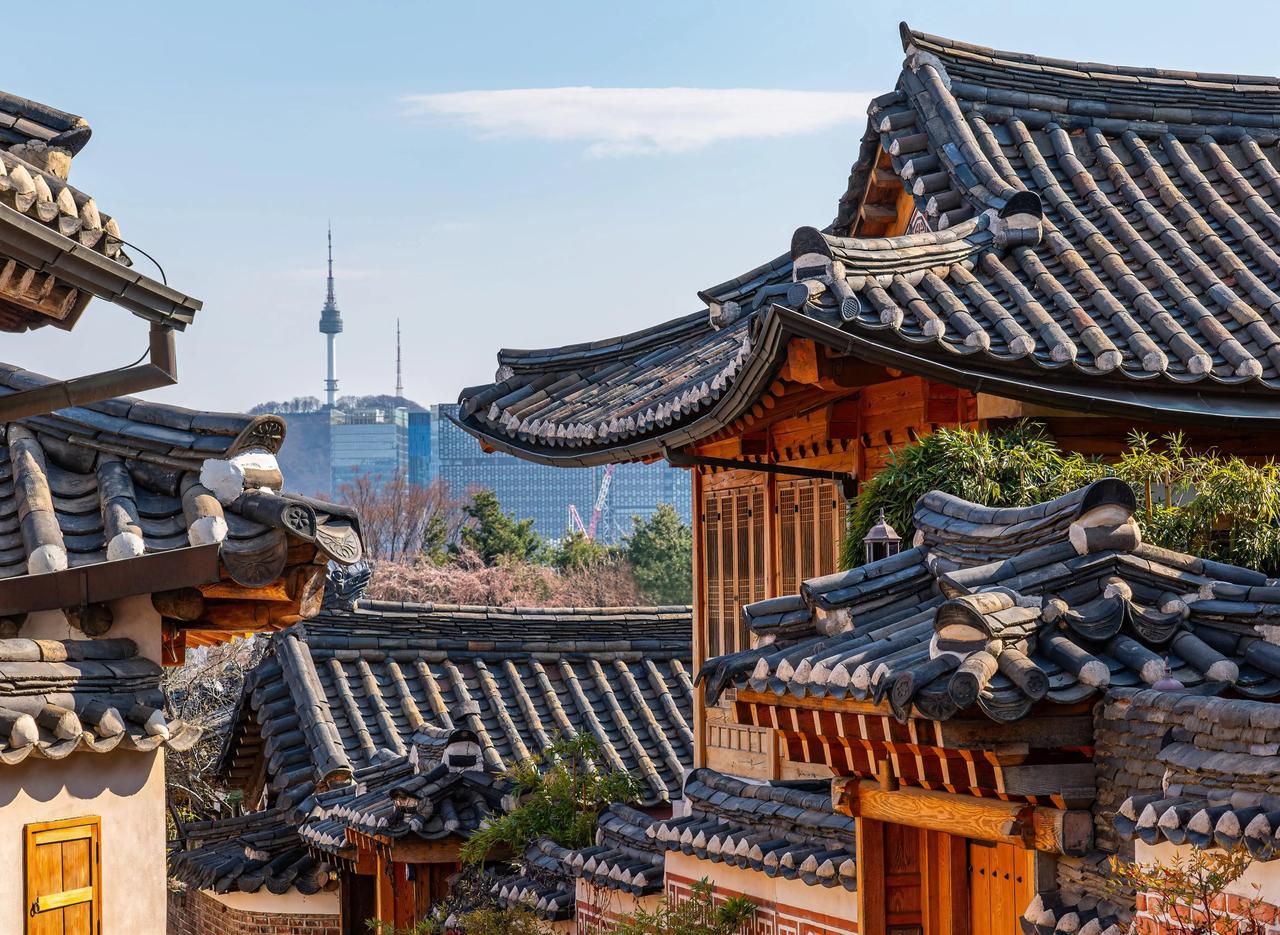
The Republic of Korea, known as South Korea, is a dynamic East Asian nation on the southern half of the Korean Peninsula, where pine-forested mountains, Buddhist temples, and neon-lit megacities exist side by side. It stands out for K-pop and K-drama culture, world-class food, and some of the best high-speed transport in Asia. Wander Seoul's palaces and Bukchon Hanok village, ride the KTX to Gyeongju and Busan, hike Seoraksan in autumn colors, explore the jeju oreum volcanic cones on Jeju Island, and visit the DMZ for a window into divided Korea. Sample bibimbap, Korean barbecue, bingsu, and tteokbokki from Gwangjang market. South Korea suits first-time Asia travelers, foodies, pop-culture fans, hikers, and families, with excellent English signage.

View by
2 trips found
Show maps
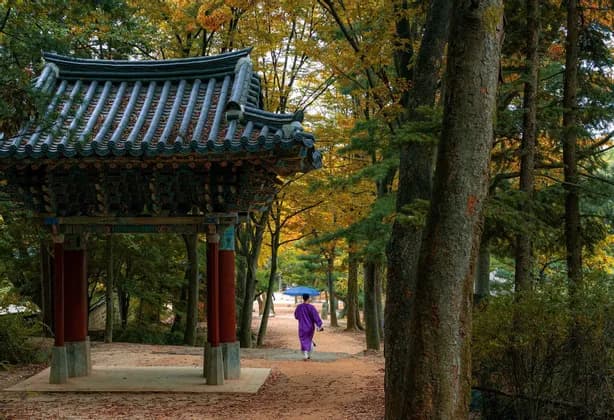
A person in a purple robe holding a blue umbrella walks past a traditional gatehouse on a path in an autumn forest.
From$ 2,077

Book with confidence

Book with $ 0

Lock in your spot and only pay once it's confirmed

Free changes

Switch dates or destination within 31 days, at no extra cost

Maximum Flexibility

New Flexible Cancellation! Cancel up to 24hrs before

Pay in installments

Spread the cost over time, interest-free
FAQs about Korea

What are the entry requirements for Korea?

Find out the entry requirements for Korea, and, if needed, apply for your visa through our partner Sherpa.

Before traveling, always remember to check the government website of your country of origin for updates on the entry requirements for Korea – you wouldn’t want to stay home due to a bureaucratic detail!

What's the time zone in Korea?

South Korea is in the Korean Standard Time (KST) zone, which is 9 hours ahead of Greenwich Mean Time (GMT+9). South Korea does not observe daylight saving time.

  • If it is 12pm in the UK, it will be 9pm in South Korea.
  • If it is 12pm on the East Coast of the USA, it will be 1am the next day in South Korea.
  • On the West Coast, if it's 12pm, it will be 5am the next day there.
Which currency is used in Korea?

The currency used in Korea is the South Korean Won (KRW). As of the latest rates:

  • 1 GBP is approximately 1,500 KRW
  • 1 USD is about 1,200 KRW
  • 1 EUR is around 1,300 KRW

You can exchange currency at banks, exchange kiosks at airports, and major hotels. Make sure to check the current rates as they can fluctuate.

How can I pay in Korea?

In Korea, you can pay using a variety of methods. Credit and debit cards are widely accepted, especially Visa and MasterCard, in most stores, restaurants, and hotels. However, it's always a good idea to carry some cash for smaller establishments or markets that might not take cards. Mobile payment apps like KakaoPay are also popular. It's advisable to inform your bank about your travel plans to avoid any issues with card transactions abroad.

Do I need to tip in Korea?

Tipping in Korea is not a common practice, and it's generally not expected. Most restaurants, cafes, and services include the service charge in the bill. If you really want to show appreciation for exceptional service, you can round up the bill or leave some small change, but it's entirely optional. In high-end hotels or touristy areas, tipping might be appreciated but still not expected. Remember that the culture in Korea is different, so a genuine thank you is often enough.

What's the internet like in Korea? Should I buy a SIM card? How available is Wi-Fi?

Korea has excellent internet coverage, and you'll find Wi-Fi widely available in most urban areas, including cafes, restaurants, and public spaces. If you're planning to travel outside the cities or need constant internet access, buying a local SIM card or an e-SIM data plan is a good idea. Major providers include SK Telecom, KT, and LG U+. You can purchase these at the airport or convenience stores. While Wi-Fi is plentiful, having a SIM card ensures you stay connected wherever you go.

What language do they speak in Korea?

In Korea, the official language is Korean. It's a unique language with its own alphabet called Hangul. Here are some useful expressions you might hear or use:

  • Hello: Annyeong (안녕)
  • Thank you: Kamsahamnida (ê°ì‚Źí•©ë‹ˆë‹€)
  • Yes: Ne (ë„€)
  • No: Aniyo (아니요)
  • Excuse me: Sillyehamnida (ì‹€ëĄ€í•©ë‹ˆë‹€)

Having these phrases handy can help you communicate a bit easier during your travels.

What kind of plugs are used in Korea?

In Korea, you'll find Type C and Type F plugs. They operate on a 220V supply voltage and 60Hz frequency. If your devices use a different plug type, we recommend you bring a universal adapter to ensure your gadgets stay charged.

What’s the main religion in Korea?

In Korea, the main religions include Buddhism and Christianity, but a significant portion of the population identifies as non-religious. When visiting, it's important to be aware of some key religious holidays, such as Seollal (Lunar New Year) and Chuseok (Korean Thanksgiving), which are widely celebrated. These holidays might affect travel plans due to business closures and increased travel among locals. Always check local calendars for specific dates as they vary each year.

What should I pack for Korea?

Packing for Korea can be exciting as the country offers diverse experiences. Here's a breakdown of what to put in your backpack:

  • Clothing:
    • Lightweight layers for summer
    • Warm sweaters and a coat for winter
    • Comfortable jeans or pants
    • A rain jacket, especially for monsoon season
  • Shoes:
    • Comfortable walking shoes
    • Sandals for warm weather
    • Waterproof boots for rainy or snowy days
  • Accessories and Technology:
    • Sunglasses and a hat for sunny days
    • Universal power adapter (Korea uses Type C and F plugs at 220V)
    • Portable charger
    • Camera or smartphone for photos
  • Toiletries and Medication:
    • Travel-sized toiletries
    • Sunscreen
    • Basic first aid kit
    • Common travel medication like pain relievers, antihistamines, and motion sickness tablets

Make sure you have everything you need for a comfortable and enjoyable trip!

What’s the weather like in Korea?

The weather in Korea varies by season and region. Here's a quick rundown:

  • Seoul and Northern Korea: Winters (December to February) are cold and dry, with temperatures often below freezing. Summers (June to August) are hot and humid, with temperatures around 25-30°C. Spring (March to May) and autumn (September to November) are mild and pleasant.
  • Southern Korea, including Busan and Jeju Island: Winters are milder compared to the north. Summers are similarly hot and humid, with a chance of typhoons. Spring and autumn are comfortable and ideal for visiting.

The best time to visit Korea is during spring or autumn when the temperatures are moderate and the scenery is beautiful with cherry blossoms or colorful autumn leaves.