Group trips to Argentina
Our organized trips to Argentina
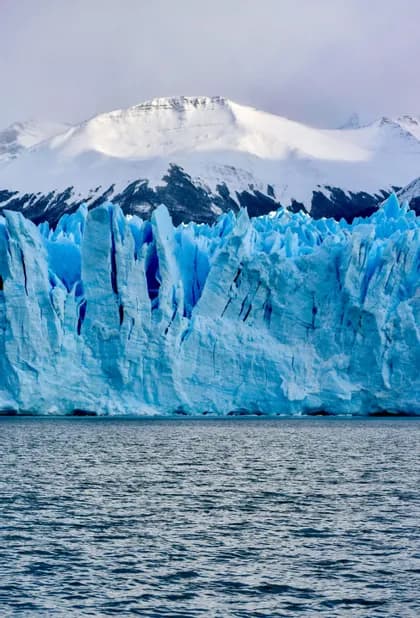
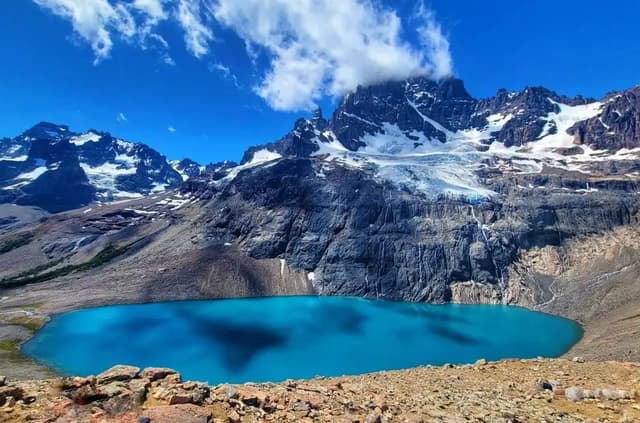
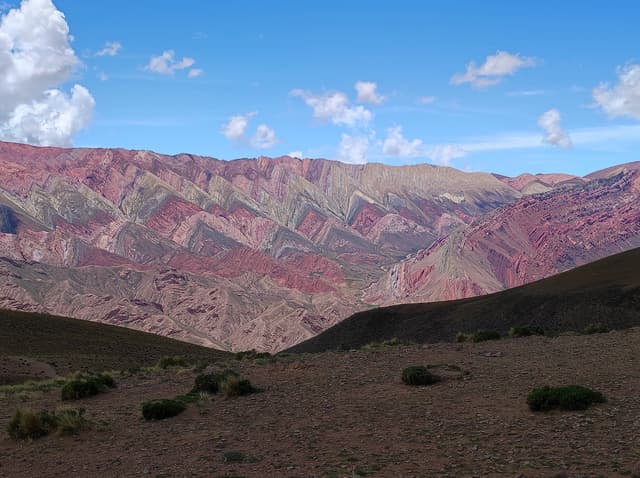
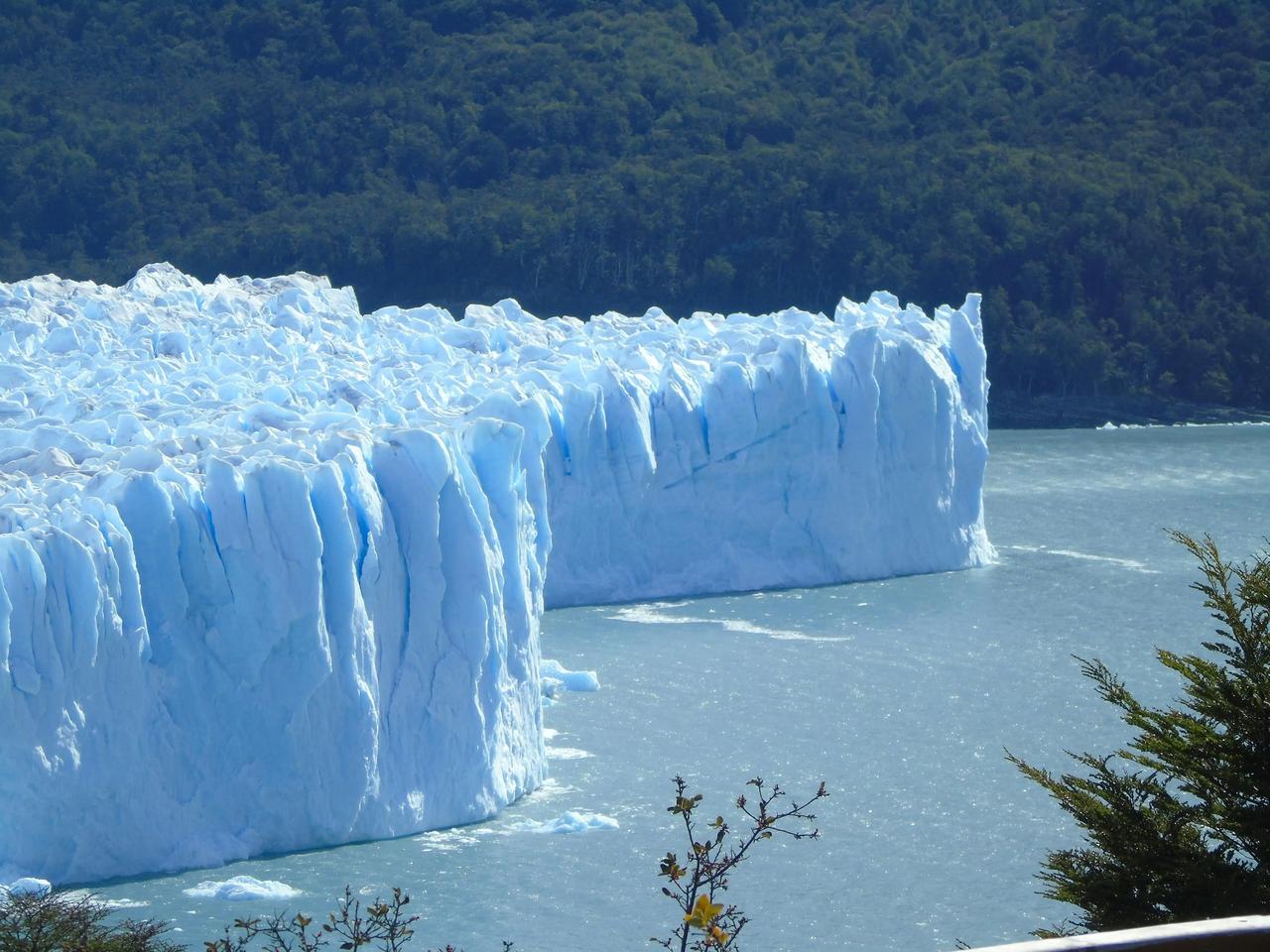
Argentina is a vast South American republic stretching from subtropical rainforests to Antarctic-facing Patagonia, a country famous for tango, steak, Malbec, and some of the continent's most dramatic landscapes. It stands out for Spanish-European urban culture, footballing passion, and world-class Andean wines. Watch milonga at a Buenos Aires tango hall, stand at the thundering Iguazu Falls, hike the Fitz Roy massif in El Chalten, walk the Perito Moreno glacier, watch penguins and whales off the Valdes Peninsula, ride a gaucho-hosted day in the Pampas, and taste Malbec in Mendoza's vineyards. Try asado, empanadas, and dulce de leche desserts. Argentina suits hikers, wine lovers, foodies, honeymooners, road-trippers, and first-time South America visitors combining Patagonia and the cities.
Book with confidence
Book with $ 0
Lock in your spot and only pay once it's confirmed
Free changes
Switch dates or destination within 31 days, at no extra cost
Maximum Flexibility
New Flexible Cancellation! Cancel up to 24hrs before
Pay in installments
Spread the cost over time, interest-free
FAQs about Argentina
Find out the entry requirements for Argentina, and, if needed, apply for your visa through our partner Sherpa.
Before traveling, always remember to check the government website of your country of origin for updates on the entry requirements for Argentina â you wouldnât want to stay home due to a bureaucratic detail!
- UK residents: review the FCDO Travel Advice.
- US residents: consult the US Department of State Travel Advice.
- Other residents: refer to your government or local consulate's travel advice.
Argentina is in the Argentina Time Zone (ART), which is 3 hours behind Coordinated Universal Time (UTC-3). Argentina does not observe daylight saving time, so it remains consistent throughout the year. If it is 12pm in the UK, it will be 9am in Argentina. If it is 12pm in New York, USA, it will be 11am in Argentina.
The currency used in Argentina is the Argentine Peso (ARS). The daily exchange rate can fluctuate, but as an example, 1 GBP might be around 350 ARS, 1 USD around 350 ARS, and 1 EUR around 370 ARS. It's best to check current rates before you travel. You can exchange currency at banks, official exchange offices called "casas de cambio," or at some hotels.
In Argentina, you can pay using cash, credit cards, or debit cards. Credit cards like Visa and MasterCard are widely accepted, especially in urban areas and tourist spots. However, in smaller towns or rural areas, it's a good idea to carry some Argentine pesos as cash might be preferred. Always check with your bank about fees for international transactions. Additionally, some places may accept payment through mobile apps like Mercado Pago. It's wise to have multiple payment options available to avoid any inconvenience.
Tipping in Argentina is appreciated but not mandatory. In restaurants, leaving a tip of around 10 percent of the total bill is common. For other services like taxis, rounding up the fare is a nice gesture, though not expected. If someone helps with your luggage or gives you a tour, a small tip is a good way to show appreciation. Always remember to tip in cash, as it's not usually added to card payments.
In Argentina, Wi-Fi is widely available in urban areas, including cafes, hotels, and restaurants, so you can often stay connected without a problem. However, if you're traveling to more remote areas or planning to use mobile data frequently, buying a local SIM card or an e-SIM data plan is a good idea. Major providers include Movistar, Claro, and Personal, and you can purchase SIM cards at airports, mobile shops, and convenience stores. This way, you can ensure you have internet access throughout your trip, especially when Wi-Fi is not available.
In Argentina, the official language is Spanish. Here are some useful colloquial expressions you might hear or want to use:
- Hello - Hola
- Thank you - Gracias
- Please - Por favor
- How much is this? - ÂżCuĂĄnto cuesta esto?
- Excuse me - Disculpe
Argentina uses Type C and Type I plugs. The voltage is 220 volts with a frequency of 50 hertz. If you're coming from the UK, the USA, or other European countries, you'll likely need a universal adapter since these plugs might differ from what you're used to. It's a good idea to check your device compatibility with 220 volts to avoid any issues.
The main religion in Argentina is Roman Catholicism, which plays a significant role in the country's culture and traditions. While Catholicism is predominant, Argentina is quite religiously diverse, with Protestantism, Judaism, and Islam also present. Important religious holidays include Christmas on December 25 and Easter, which varies each year. Additionally, Argentine Catholics celebrate the Feast of the Immaculate Conception on December 8, which is a national holiday.
Argentina is a diverse country with varying climates, so packing smartly is key. Here's a guide on what to put in your backpack:
-
Clothing:
- Lightweight shirts and shorts for warmer areas
- Warm layers like sweaters and jackets for cooler regions
- A raincoat or waterproof jacket for unpredictable weather
- Comfortable pants or jeans
-
Shoes:
- Sturdy walking shoes or trainers for city exploration
- Hiking boots for outdoor adventures
- Sandals for warm days
-
Accessories and Technology:
- Sunglasses and a hat for sun protection
- A travel adapter (Argentina uses Type C and I plugs)
- Camera or smartphone for capturing memories
- Chargers and power banks
-
Toiletries and Medication:
- Basic toiletries like toothbrush, toothpaste, and shampoo
- Sunscreen and insect repellent
- Personal medications and basic first-aid supplies
- Common travel medication such as pain relievers and anti-diarrheal tablets
Argentina's weather can vary, so check the specific regions you plan to visit and pack accordingly.
The weather in Argentina varies greatly depending on the region due to its vast size. Here's a quick guide:
- Northern Argentina: Subtropical climate with hot and humid summers, mild winters. Best time to visit: May to September.
- Central Argentina (including Buenos Aires): Temperate climate, hot summers, cool winters. Best time to visit: March to May, September to November.
- Southern Argentina (Patagonia): Cool summers, very cold winters with heavy snowfall. Best time to visit: December to March.
For the best experience, tailor your visit according to the region's climate and your weather preferences.