
In a nutshell
- Filipino cuisine is defined by balance and contrast, combining sour, salty, sweet, and rich flavors through staple ingredients such as rice, vinegar, soy sauce, tamarind, calamansi, and coconut milk.
- The essential savory dishes to try include adobo, sinigang, kare-kare, lechon, sisig, bulalo, and kaldereta, each representing a different texture, cooking method, and regional influence.
- Everyday favorites like pancit, lumpia, and silog breakfasts show how accessible and varied the country’s food culture is, with meals that move easily between comfort food, celebration dishes, and quick local staples.
- Street food and desserts are central to the experience, from isaw and barbecue skewers to halo-halo, leche flan, bibingka, taho, and turon, offering both adventurous bites and familiar sweet comfort.
- Food in the Philippines is best enjoyed as a shared experience, whether in Manila, Cebu, or smaller local eateries, where communal dining and regional specialties reveal the full personality of the cuisine.
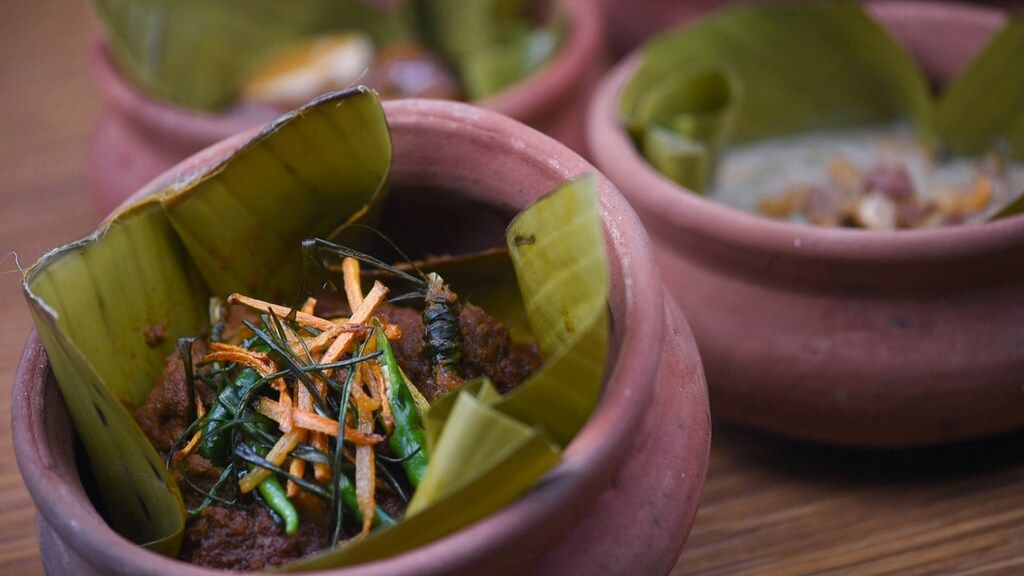
Filipino cuisine is one of those happy surprises that sneaks up on you. You sit down expecting a few familiar Southeast Asian flavors, and then suddenly you’re juggling sour broths, crispy pork, noodle dishes, coconut desserts, and rice in more forms than seems mathematically possible. It’s comforting, bold, and gloriously unbothered by labels.
Spread across more than 7,000 islands, the Philippines has built a food culture shaped by geography, trade, and history. You’ll taste indigenous ingredients alongside Chinese, Spanish, and American influences, all stitched together into something unmistakably Filipino. The result is a cuisine that loves contrast: sour and savory, sweet and salty, rich stews next to bright soups, crunchy street snacks followed by silky desserts.
If you’re planning a trip, this guide will help you understand what to order first, what each dish tastes like, and why eating in the Philippines is never just about fuel. It’s a full-on event. Preferably with extra rice.
What makes Filipino cuisine unique
Filipino cooking stands out for its balance of acidity, saltiness, sweetness, and richness. Rice anchors most meals, while vinegar, soy sauce, calamansi, tamarind, coconut milk, and shrimp paste shape many signature flavors. Meals are also deeply social, often built around sharing multiple dishes at the table.
Rather than following a strict sequence, many Filipino meals arrive all at once. Soups, grilled meats, vegetables, fried snacks, and rice are meant to be mixed, matched, and passed around. This makes dining feel lively and communal, whether you’re in a humble roadside eatery or at a big family celebration.
Another defining feature is the way regional traditions change the menu. In one place you’ll find spicy coconut-based dishes, in another sour soups, smoky grilled specialties, or legendary roast pork. So yes, one trip may not be enough. Tragic, really.
Must-try savory dishes
The best-known savory dishes offer a great introduction to the country’s flavors. Start with a mix of stews, grilled meats, and noodle dishes to understand how diverse the food can be. These classics are widely available and often reflect the heart of everyday Filipino cooking.
Adobo
Adobo is often considered the national dish of the Philippines. It usually features chicken, pork, or both, simmered in vinegar, soy sauce, garlic, peppercorns, and bay leaves. The result is deeply savory, slightly tangy, and wonderfully comforting.
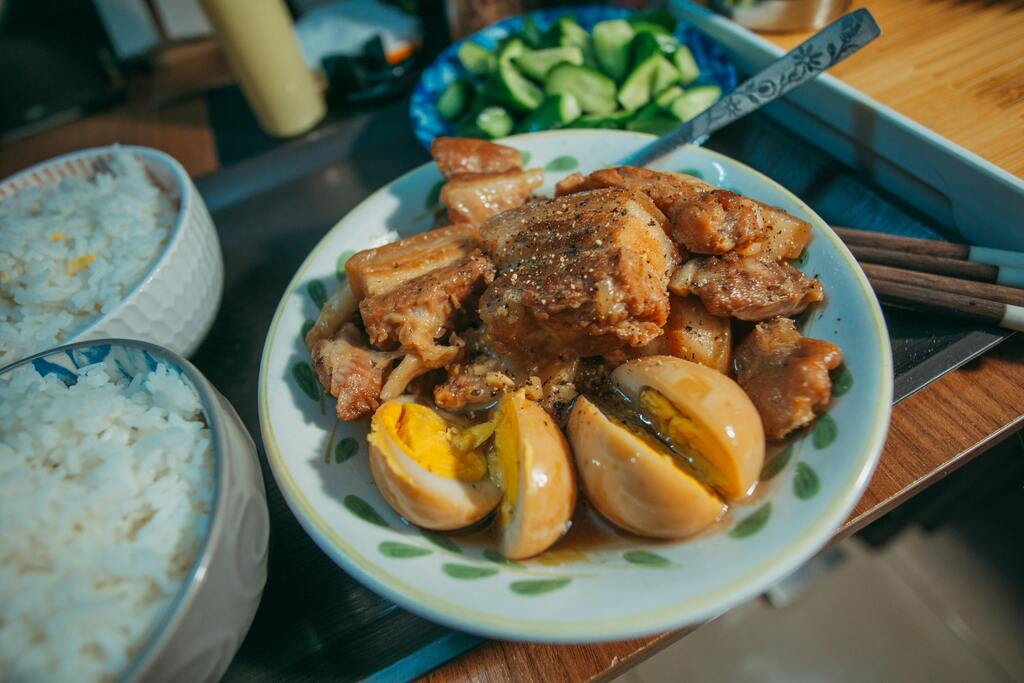
Every household seems to have its own version. Some make it saucier, others reduce it until the meat caramelizes around the edges. Either way, it’s the kind of dish that makes you understand why plain steamed rice deserves respect.
Sinigang
Sinigang is a sour soup that can be made with pork, shrimp, fish, or beef. Tamarind is the most common souring agent, though regional versions may use guava, green mango, or other local fruits. It is light, brothy, and intensely refreshing.
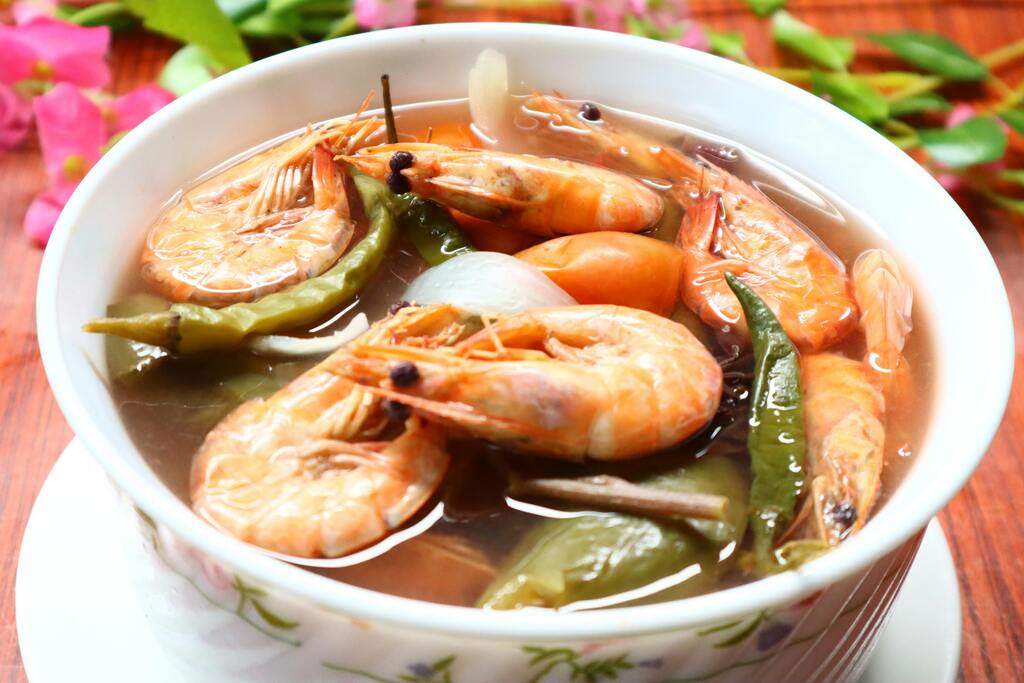
This dish is especially useful when you’ve gone a little too enthusiastically into fried and roasted food. Which, for the record, is extremely easy to do. One spoonful of sinigang and your taste buds suddenly sit up straight again.
Kare-kare
Kare-kare is a rich stew usually made with oxtail, beef, or tripe, cooked in a thick peanut-based sauce with vegetables like eggplant, long beans, and bok choy. It is traditionally served with bagoong, a salty fermented shrimp paste.
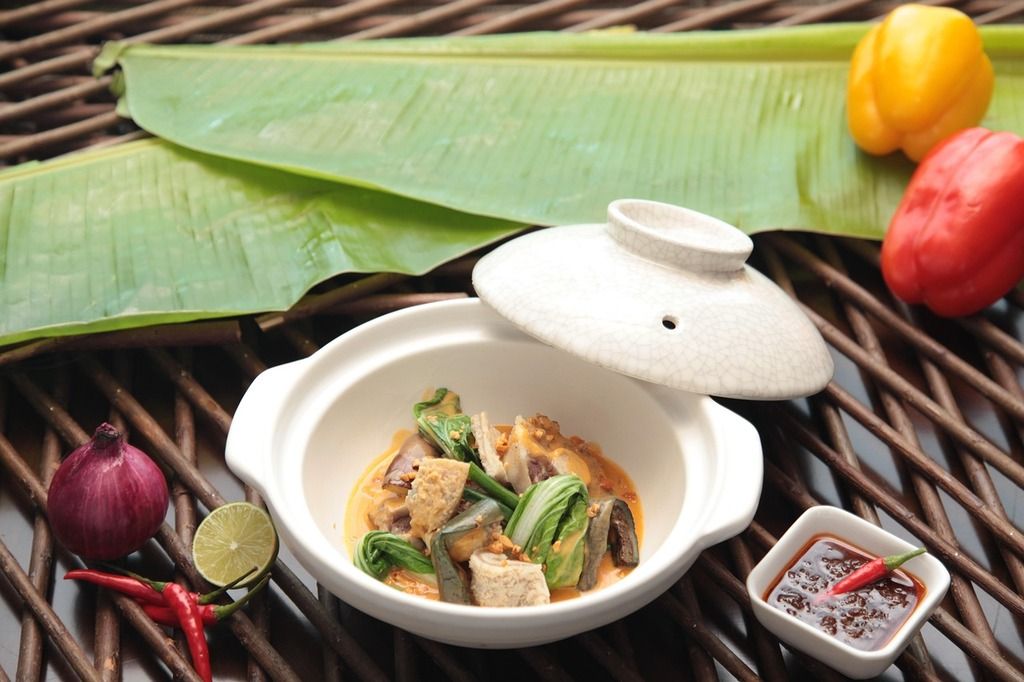
The magic is in the contrast. The sauce is mellow and nutty, while the bagoong brings punch and depth. It’s not a timid dish, and that’s exactly why people love it.
Lechon
Lechon, or whole roasted pig, is one of the country’s great celebratory foods. The skin is crisp, the meat is juicy, and the dish is central to fiestas, holidays, and major family gatherings. Cebu is especially famous for its lechon.
If adobo is the everyday superstar, lechon is the red-carpet celebrity. It enters the scene shiny, dramatic, and fully aware of its own appeal.
Sisig
Sisig is a sizzling chopped pork dish known for its bold texture and flavor. It is often made with parts like pork cheek, ear, and belly, then seasoned with onion, chili, and calamansi. It is commonly served on a hot plate.
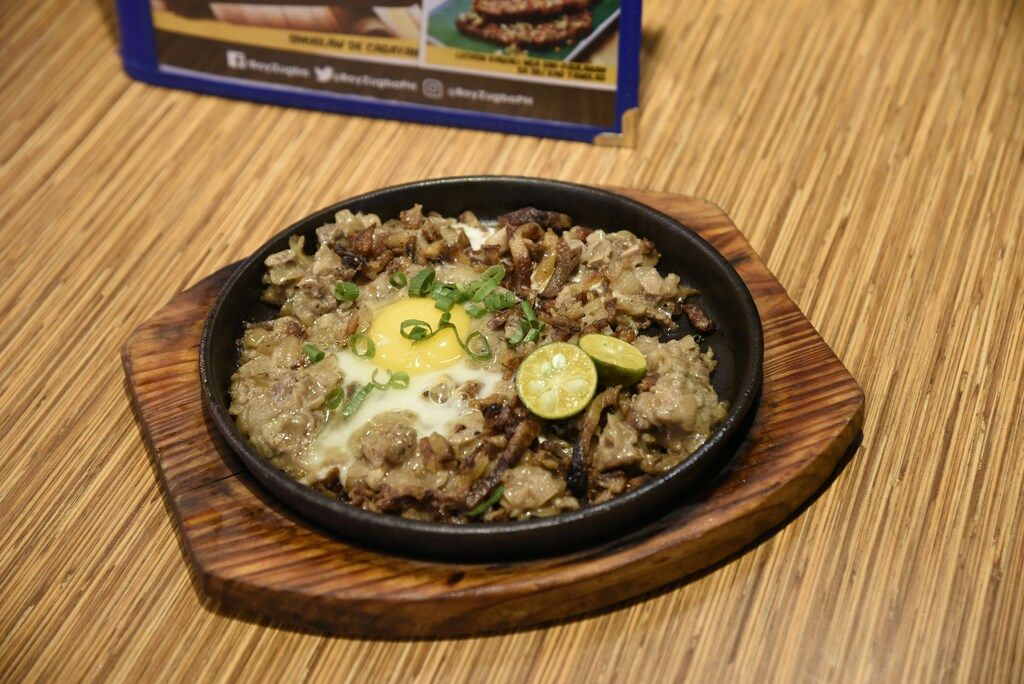
Crunchy, chewy, savory, citrusy: sisig covers a lot of ground in one bite. It also pairs suspiciously well with cold beer, which feels less like an accident and more like a national strategy.
Bulalo and kaldereta
Bulalo is a beef shank soup with bone marrow, corn, and cabbage, while kaldereta is a tomato-based stew often enriched with liver spread and cooked with potatoes, carrots, and peppers. Both are hearty and deeply satisfying.
Bulalo is all about slow comfort; kaldereta leans richer and more intense. If the weather is rainy, both feel like a very good life decision.
Noodles, rolls, and everyday favorites
Noodle dishes and snackable savory staples reveal the Chinese and local influences within Filipino cooking. They are common at celebrations, family meals, and casual eateries. These dishes are accessible, varied, and often ideal for travelers who want comforting flavors between bigger culinary adventures.
Pancit
Pancit refers to a broad family of noodle dishes. Popular versions include pancit bihon, made with thin rice noodles, and pancit canton, made with thicker egg noodles. They are typically stir-fried with vegetables, meat, seafood, and soy-based seasoning.
Pancit is common at birthdays because noodles symbolize long life. Conveniently, they also symbolize “I’d like another serving,” though scholars are still debating that one.
Lumpia
Lumpia are Filipino spring rolls that can be fresh or fried. Fillings vary, but often include minced meat, vegetables, and seasonings. Fried lumpia are crisp and snackable, while fresh lumpia are softer and often served with a sweet-savory sauce.
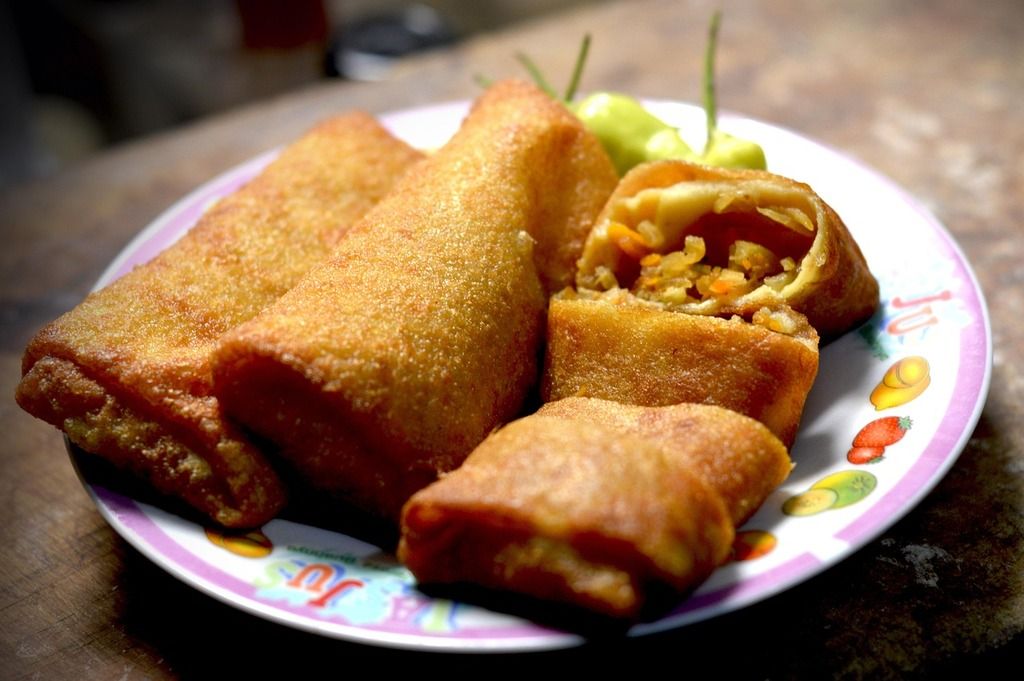
These disappear fast at shared meals, so table strategy matters. Hesitate, and someone’s auntie will absolutely beat you to the last one.
Silog breakfasts
Silog meals combine garlic fried rice, egg, and a protein such as tapa, longganisa, or bangus. Common examples include tapsilog, longsilog, and bangsilog. These breakfast plates are filling, savory, and beloved across the country.
They’re also proof that breakfast can be gloriously serious business. Forget sad toast: in the Philippines, the day may begin with cured meat, rice, and fish, and frankly that’s a strong argument.
Street food and adventurous bites
Street food is an essential part of eating in the Philippines. It offers quick, affordable, and highly local flavors, from grilled skewers to snacks sold in markets and roadside stalls. Some options are approachable, while others are better suited to adventurous eaters.
- Isaw: grilled chicken or pork intestines, usually dipped in vinegar
- Barbecue skewers: sweet-savory grilled meat on sticks
- Balut: a fertilized duck egg, famous and polarizing
- Betamax: grilled cubes of coagulated blood
- Turon: fried banana spring roll coated in caramelized sugar
Not every traveler will rush toward balut, and that’s fine. Culinary bravery has many levels. Sometimes level one is “I’ll try the intestines,” and honestly, that’s already quite a day.
Sweet treats and desserts to save room for
Filipino desserts are colorful, textural, and often built around coconut, rice, ube, leche flan, and tropical fruits. They balance the savory intensity of many main dishes and are an important part of the country’s food identity, especially during hot weather and festive occasions.
Halo-halo
Halo-halo is perhaps the best-known Filipino dessert. Its name means “mix-mix,” and it typically includes shaved ice, milk, sweet beans, jellies, fruits, leche flan, and often ube or ice cream. It is cold, sweet, and layered in texture.
There are few desserts more chaotic in appearance and more satisfying in practice. Stir everything together and trust the process. It may look like a happy accident, but it works brilliantly.
Leche flan, bibingka, and taho
Leche flan is a rich caramel custard, bibingka is a soft rice cake with coconut notes, and taho is a warm snack made of silken tofu, syrup, and sago pearls. Each shows a different side of Filipino sweetness.
Leche flan is dense and indulgent, bibingka feels festive and nostalgic, and taho is the kind of gentle comfort snack that makes you wonder why every city on earth doesn’t have a taho vendor wandering around in the morning.
A quick guide to iconic dishes
This table helps compare some of the most famous dishes by flavor profile and when to try them. It can be useful if you want to build your food itinerary without accidentally ordering five heavy pork dishes in a row. Tempting, but risky.
| Dish | Main ingredients | Flavor profile | Best moment to try it |
|---|---|---|---|
| Adobo | Chicken or pork, vinegar, soy sauce, garlic | Savory, tangy, rich | Any time, especially first meal |
| Sinigang | Meat or seafood, tamarind, vegetables | Sour, light, warming | Lunch or rainy day dinner |
| Kare-kare | Oxtail or beef, peanut sauce, vegetables | Nutty, savory, rich | Shared family-style meal |
| Lechon | Roasted pig | Crispy, juicy, festive | Celebrations and special occasions |
| Halo-halo | Shaved ice, milk, fruit, jellies, flan | Sweet, creamy, refreshing | Hot afternoons |
Is Filipino food healthy?
It can be, depending on the dishes you choose and how often you balance rich meals with lighter options. The cuisine includes soups, grilled fish, vegetables, fruit, and coconut-based dishes, but it also features fried foods, fatty cuts of meat, and sweet desserts.
A balanced way to explore the cuisine is to mix heavier classics like lechon or sisig with lighter choices such as sinigang, grilled seafood, vegetable dishes, and fresh tropical fruit. In other words: yes, balance exists. Whether you respect it while on holiday is another story entirely.
What Filipinos commonly eat day to day
Daily meals in the Philippines usually center on rice paired with meat, fish, vegetables, or soup. Breakfast may include garlic rice, eggs, and cured meats, while lunch and dinner often feature stews, grilled dishes, noodles, or broth-based recipes shared at the table.
Common everyday foods include:
- Rice as the main staple
- Fish, pork, and chicken as common proteins
- Vegetable dishes with local produce
- Soups and stews like sinigang or tinola
- Merienda, or snacks, such as turon, taho, or bread rolls
Where to enjoy the best of Filipino cooking
You can discover excellent food across the Philippines, from big-city restaurants to local markets and small neighborhood eateries. Manila offers range and variety, Cebu is famous for lechon, and many regional capitals serve specialties that reflect local ingredients and traditions.
The best approach is to combine classic restaurant dishes with market snacks and home-style meals when possible. The cuisine really shines when it’s shared, talked about, and slightly over-ordered. That last part is not a mistake. It’s a lifestyle.
A delicious reason to visit the Philippines
Exploring the food of the Philippines means tasting a cuisine that is layered, regional, and full of personality. From the tang of sinigang to the comfort of adobo, the crunch of lumpia, and the sweet chaos of halo-halo, every meal tells part of the country’s story.

If all this talk of sizzling plates, sour broths, roast pork, and dessert engineering has made you hungry, it might also be time to think bigger than dinner. Discover WeRoad group trips to the Philippines and experience these flavors where they truly come alive: on the road, by the sea, and around a table full of new travel friends.
FAQ
- What is the national food of the Philippines?
-
Adobo is widely considered the national dish. It is typically made with chicken or pork braised in vinegar, soy sauce, garlic, and spices, and it represents the comforting, practical, and flavorful nature of Filipino home cooking.
- What kind of foods do Filipinos eat?
-
Filipinos commonly eat rice with meat, fish, vegetables, soups, and stews. Daily meals often include dishes like adobo, sinigang, grilled fish, noodles, and snacks such as turon or taho.
- What is a good first dish to try for someone new to Filipino cuisine?
-
Adobo is usually the best starting point because it is familiar enough for many travelers while still showing a distinct Filipino flavor profile. Pancit and lumpia are also great beginner-friendly choices.
- Are Filipino desserts very sweet?
-
Many Filipino desserts are sweet, but they also focus on texture and contrast. Halo-halo, leche flan, bibingka, and taho all have different sweetness levels and ingredient combinations, so there is plenty of variety.
- Is Filipino food spicy?
-
Not usually as spicy as some other Southeast Asian cuisines. Many dishes are flavorful rather than hot, though chili can be added and some regional cuisines, especially in the south and Bicol, are known for more heat.
