Group tours to North Africa
Labyrinthine medinas, Sahara dunes and Roman ruins in the desert: North Africa is closer than you think. Morocco, Egypt, Tunisia: WeRoad's group trips to North Africa take you deep into the culture!






Book with confidence
Book with $ 0
Lock in your spot and only pay once it's confirmed
Free changes
Switch dates or destination within 31 days, at no extra cost
Maximum Flexibility
With Flexible Cancellation, cancel up to 8 days before
Pay in installments
Spread the cost over time, interest-free
Group trips to North Africa
Tours and itineraries: Morocco, Tunisia and the Sahara
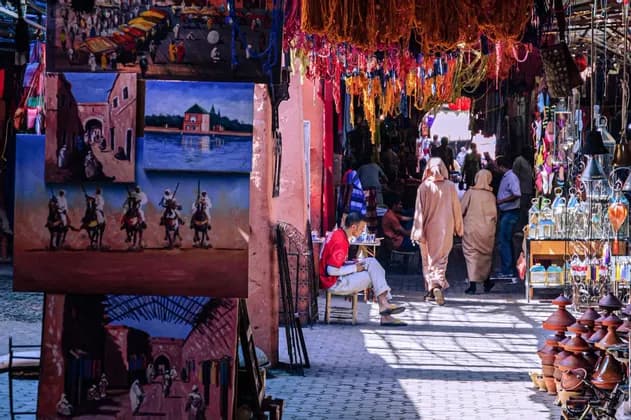
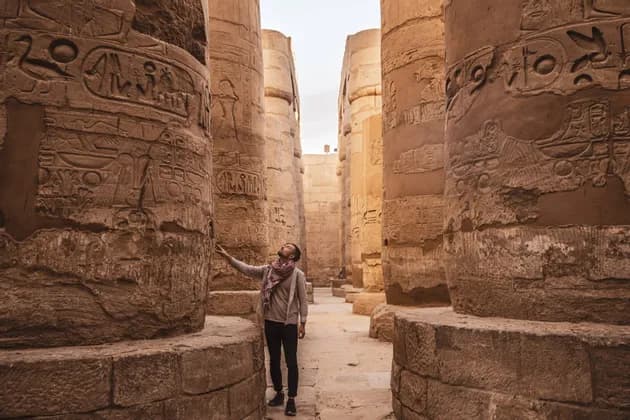
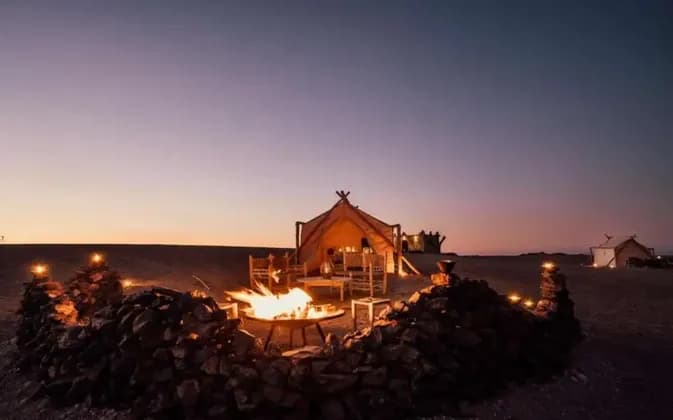
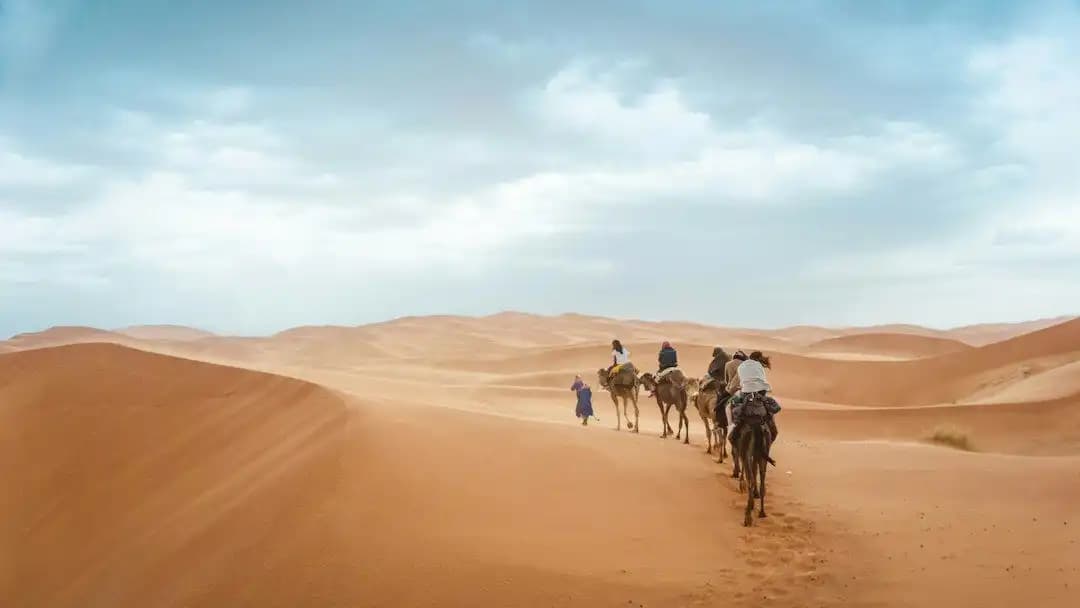
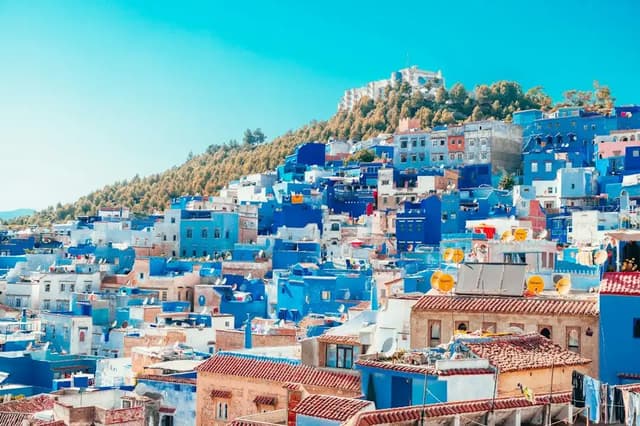
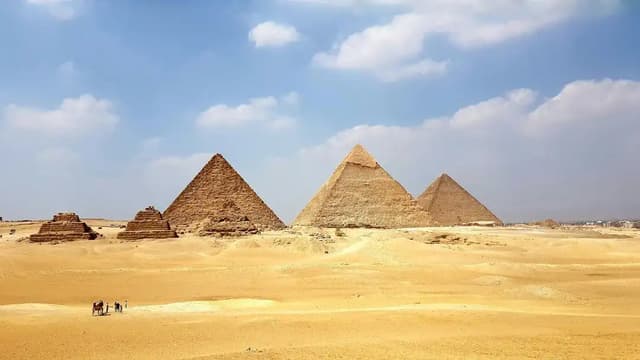
The medina of Fes, in Morocco, has no grid worth following, so getting lost is part of the plan. Spice stalls, mint tea and tiled courtyards fill the days, and the Sahara is within reach at Merzouga, where the dunes glow at sunrise. Egypt adds the pyramids of Giza, the old districts of Cairo and the Nile toward Luxor.
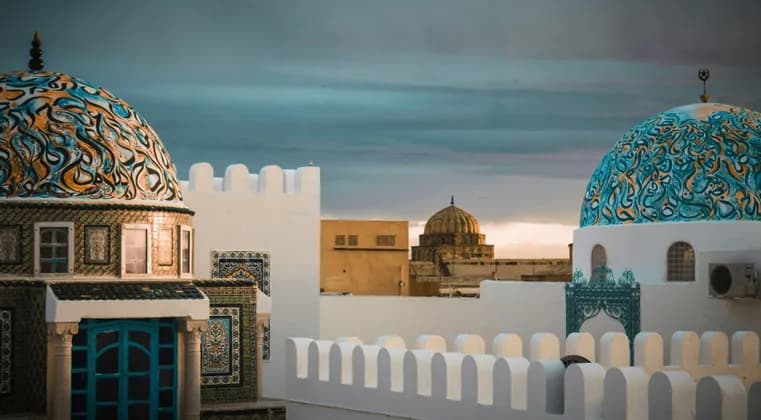
Morocco's imperial cities, Marrakech, Fes, Meknes and Rabat, make one loop, and another crosses the Atlas Mountains from Marrakech to Aït Benhaddou and the desert. In Tunisia the road leads from Tunis and the ruins of Carthage to the amphitheater of El Jem. Egypt, Morocco and Tunisia each make a different trip, so when you compare group tours to North Africa it helps to start with the landscape. Traveling together means you always have company for the sunrise over the Merzouga dunes and a day among the pyramids at Giza.
Discover our travel guides to North Africa


When to go to North Africa
Spring and fall, roughly March to May and October to November, are the most comfortable seasons. Summers are very hot inland and in the Sahara, while winter nights in the desert and the Atlas Mountains can be cold, with snow on the peaks. Fall is also a good time for the Sahara, when days are warm rather than scorching.
Culture and conduct
Morocco, Tunisia and Egypt are Muslim-majority countries, so dress modestly (shoulders and knees covered, especially outside the beach resorts) and ask permission before photographing people. Ramadan changes opening hours, and many restaurants close during the day. Rules are more relaxed in big cities and resort areas, but modest clothing is the safer choice in medinas and small towns.
Language and entry rules
Arabic and Berber languages are widely spoken, and French is common in Morocco and Tunisia, so a few words of French or Arabic are always appreciated. On the practical side, requirements depend on where you go: bring a valid US passport, check visa requirements for each country, and read the State Department travel advisories (travel.state.gov) before you go.