In a nutshell
- Hammamet offers a balanced travel experience with sandy beaches, a historic medina, the kasbah, and modern resort comforts, making it suitable for couples, families, and travelers who want both relaxation and culture.
- The main sights include the old medina, the seafront kasbah, Yasmine Hammamet, Dar Sebastian, and the archaeological site of Pupput, an ancient Roman settlement by the sea that adds historical depth beyond the usual beach itinerary.
- The destination is generally affordable compared with other Mediterranean resort towns, especially for food, taxis, and everyday travel costs, while accommodation ranges from budget-friendly stays to upscale all-inclusive hotels.
- Tourists usually find Hammamet easy to navigate, with a welcoming atmosphere, walkable areas, and practical transport options, though it is always wise to use standard precautions and check official travel advice before departure.
- The best trip combines old and new Hammamet: medina walks, beach time, a hammam, local food, and an evening at the marina or on the coast, ideally during spring or autumn for warm weather and fewer crowds.
There are places that instantly make you slow down, breathe deeper, and start mentally planning your next meal by the sea. Hammamet is one of them. Set on Tunisia’s Cap Bon peninsula, this coastal town blends sandy beaches, historic walls, jasmine-scented streets, and resort comforts with a surprisingly rich cultural side. If you are searching for a destination that balances relaxation and discovery, Hammamet Tunisia is an easy yes.
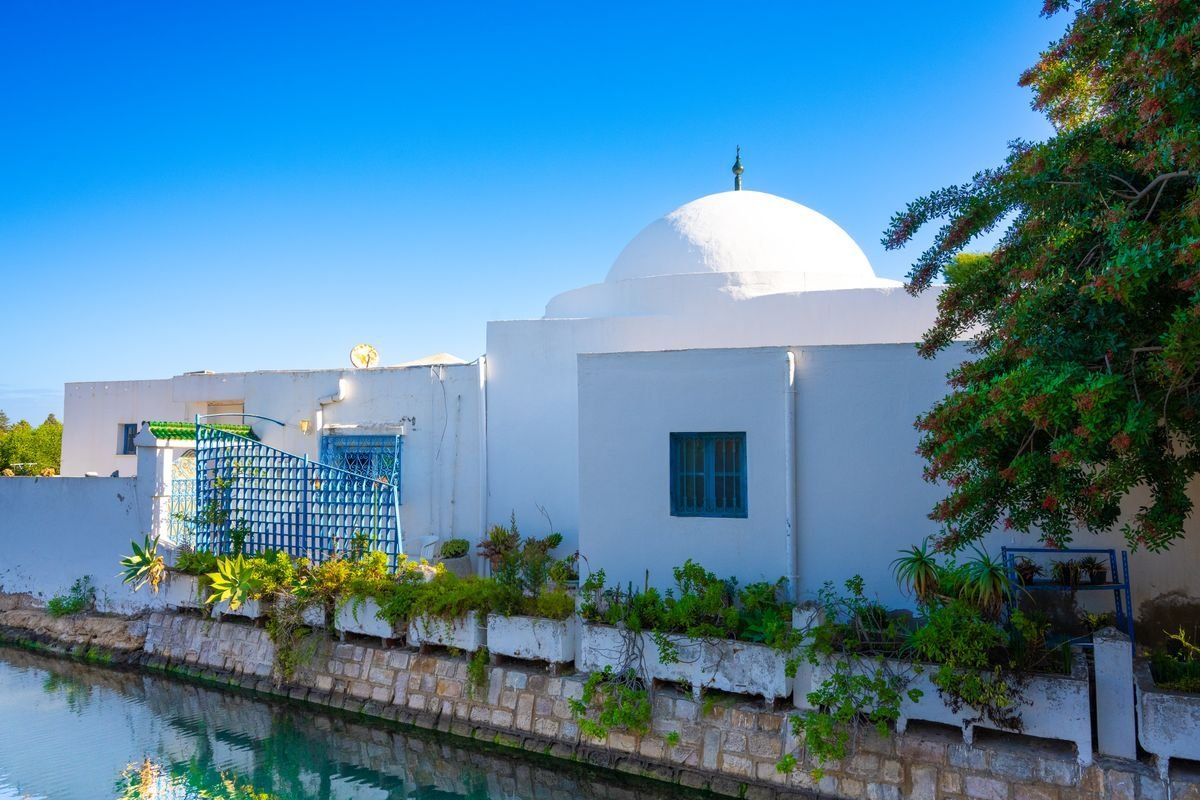
It is the kind of place where you can spend the morning exploring a medina, the afternoon floating in the Mediterranean, and the evening drinking mint tea while pretending you are in a film set. Spoiler: with those whitewashed walls and sea views, you kind of are.
Why visit Hammamet
Hammamet is worth visiting for its combination of beaches, history, easy day trips, and accessible tourist infrastructure. It suits travelers who want more than a resort holiday but still appreciate comfort, sea views, and plenty of places to eat, walk, and unwind.
Unlike destinations that force you to choose between culture and coast, Hammamet gives you both. The old town has genuine atmosphere, the beach is long and inviting, and the modern resort areas offer marinas, spas, and family-friendly attractions.
It also works well for different travel styles:
- Couples can enjoy sunsets, hammams, and romantic medina strolls.
- Friends can mix beach time with nightlife and boat trips.
- Families can stay in resort hotels with easy access to the sea.
- Curious travelers can use Hammamet as a base for exploring more of Tunisia.
Top attractions in Hammamet
The best attractions in Hammamet include the medina, kasbah, beaches, Yasmine Hammamet, Dar Sebastian, and the archaeological site of Pupput. Together, they show the town’s dual personality: one part historic seaside settlement, one part polished holiday resort.
Hammamet Medina
The medina of Hammamet is the town’s historic heart, with narrow lanes, white-and-blue houses, local shops, and a compact layout that is easy to explore on foot. It is atmospheric, photogenic, and one of the most rewarding places to start your visit.
Walking here feels pleasantly unstructured. You are not ticking off monuments every two minutes. Instead, you wander past carved doors, spice stalls, ceramic pieces, and the occasional cat who clearly believes the medina belongs entirely to them. Honestly, they may be right.
Expect a mix of souvenir shops and more traditional corners. Bargaining is common, but keep it friendly and relaxed.
Kasbah of Hammamet
The Kasbah is a historic fortress overlooking the sea and the medina. It offers one of the best panoramic viewpoints in town and adds important historical depth to a beach-focused itinerary.
From the top, you can look out over tiled roofs, city walls, and the Mediterranean beyond. It is a short visit, but a worthwhile one, especially if you enjoy old fortifications or dramatic coastal views. Sunset here is particularly lovely, and yes, your camera will suddenly become very busy.
Hammamet Beach and the seafront
Hammamet Beach is one of the town’s main draws, with long stretches of golden sand and generally calm water. It is suitable for swimming, sunbathing, and low-effort happiness, which is an underrated travel category.
The coastline near the old town is ideal for a relaxed walk, especially around the walls and the seafront cafés. If you want a more classic resort setup, many hotels have their own beach areas with loungers and water sports.
Popular beach activities include:
- Swimming in shallow, warm water
- Jet skiing and parasailing
- Boat excursions from the marina
- Sunset walks along the promenade
Yasmine Hammamet
Yasmine Hammamet is the town’s modern resort district, known for its marina, large hotels, wide promenades, and entertainment options. It is more contemporary than the old center and appeals to travelers looking for convenience and resort-style facilities.
The marina area is pleasant for an evening stroll, with cafés, restaurants, and a polished holiday atmosphere. Nearby, the so-called new medina, Medina Mediterranea, recreates traditional architecture in a purpose-built tourist setting. It is less authentic than the old medina, but still enjoyable if you want shopping, dining, and a lively atmosphere without much effort.
Pupput archaeological site
Pupput is an important archaeological site just outside central Hammamet, featuring the ruins of an ancient Roman city by the seafront. It offers a different perspective on the area and is especially interesting for travelers who enjoy history beyond the usual postcard sights.
You will find remains linked to Roman urban life, including burial areas, baths, villas, and mosaics. The setting is unusual because the site sits so close to the coast and modern development, creating a striking contrast between ancient stone and beach-holiday Tunisia. It is not the most theatrical ruin in the country, but it is quietly fascinating and easy to include in your plans.
Dar Sebastian
Dar Sebastian, also known as the International Cultural Centre of Hammamet, is a historic villa surrounded by gardens. It reflects the town’s long-standing artistic and cosmopolitan appeal and is a peaceful stop away from the busiest tourist areas.
Built in the early 20th century, it became a gathering place for intellectuals, artists, and notable guests. Today, it hosts cultural events and is linked to the famous Hammamet International Festival. If you enjoy architecture, gardens, or places with slightly faded glamour, this one has real charm.
Best experiences to have in Hammamet
The best experiences in Hammamet combine local culture, seaside relaxation, and easy adventure. A balanced trip includes time in the medina, at the beach, in a hammam, and possibly on a boat or food-focused activity.
Some of the most enjoyable things to do include:
- Drink mint tea by the sea near the medina or marina.
- Try a traditional hammam for a classic Tunisian wellness ritual.
- Take a boat trip along the coast for a fresh perspective on the bay.
- Shop for ceramics, textiles, and spices in local markets.
- Sample Tunisian dishes such as brik, couscous, grilled fish, and ojja.
And yes, there is something deeply satisfying about alternating between “I am a cultured traveler” and “I am just here for the beach and pastries.” Hammamet supports both identities without judgment.
What Hammamet is like for tourists
Hammamet is generally easy for tourists, with a well-developed hospitality scene, a relaxed beach-town atmosphere, and enough variety to suit different budgets. It feels approachable, especially for first-time visitors to Tunisia who want a softer landing.
You will find:
- Large resorts and all-inclusive hotels
- Smaller guesthouses and boutique stays
- Walkable sightseeing in the old center
- Reasonably simple transport by taxi
- A mix of local culture and tourism-focused services
It can feel more touristy in summer, especially in Yasmine Hammamet, but the old medina and historical sites still give the destination character. In shoulder season, it becomes calmer and often more enjoyable for travelers who prefer a slower pace.
Is Hammamet expensive?
Hammamet is usually considered affordable compared with many Mediterranean beach destinations. Costs vary depending on hotel category and season, but food, taxis, and everyday expenses are often reasonable for international visitors.
Luxury resorts and spa hotels can raise your budget quickly, but local cafés, short taxi rides, and casual dining tend to be good value. Travelers can keep costs under control fairly easily, especially outside peak summer.
| Expense | Budget level | What to expect |
|---|---|---|
| Accommodation | Low to high | Guesthouses to upscale beach resorts |
| Food | Low to medium | Affordable local meals, higher prices in resort zones |
| Taxis | Low | Short rides are usually inexpensive |
| Attractions | Low | Historic sites are generally budget-friendly |
| Activities | Medium | Boat trips, spas, and water sports vary by provider |
Safety and practical travel tips
Hammamet is generally considered one of Tunisia’s more straightforward tourist destinations, especially in the main resort and historic areas. Most travelers find it comfortable to walk around during the day while using normal travel awareness.
As with any destination, it is sensible to keep an eye on personal belongings, use registered taxis, avoid isolated areas late at night, and check official travel advisories before departure for the latest country-specific updates.
Helpful tips for a smoother trip:
- Best time to visit: April to June and September to October for warm weather and fewer crowds.
- Nearest airports: Tunis-Carthage and Enfidha-Hammamet.
- Getting around: Taxis are the easiest option for short distances.
- Dress code: Beachwear is fine by the sea, but modest clothing is appreciated in medinas and religious areas.
- Money: Carry some cash for markets and small purchases.
Hammamet vs Yasmine Hammamet
Hammamet center and Yasmine Hammamet offer different experiences. The first is more historic and atmospheric, while the second is more modern, polished, and resort-oriented. Choosing between them depends on your travel style, or you can easily enjoy both.
| Area | Best for | Atmosphere |
|---|---|---|
| Hammamet center | History, medina walks, local character | Traditional, relaxed, scenic |
| Yasmine Hammamet | Resorts, marina, family entertainment | Modern, tourist-friendly, lively |
If you love old walls, sea-view cafés, and a touch of authenticity, stay closer to the historic center. If you want big hotels, easier resort logistics, and evening promenades by the marina, Yasmine Hammamet may suit you better.
Plan your stay in Hammamet
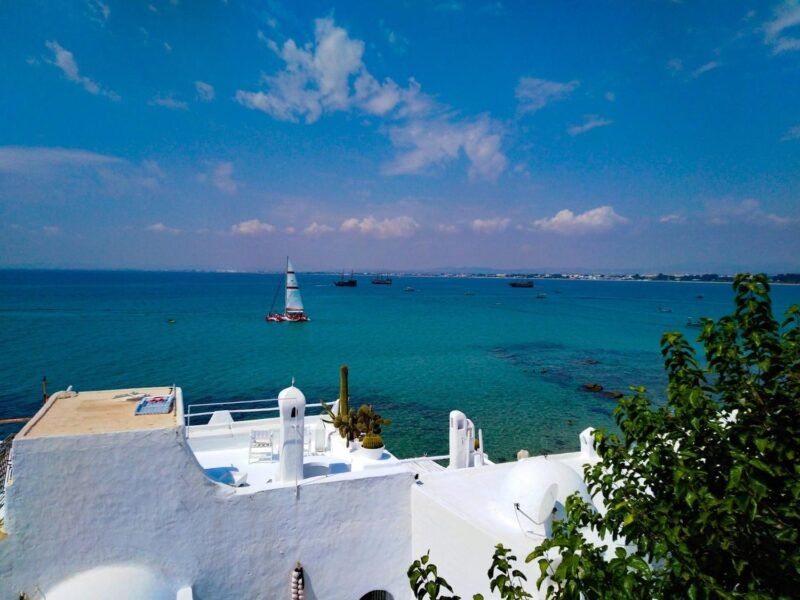
A stay of three to five days is ideal for Hammamet, giving you enough time to enjoy the beach, explore the medina, visit key sights, and add at least one cultural experience or day trip. It works well as both a standalone break and part of a wider Tunisia itinerary.
A simple short itinerary could look like this:
- Day 1: Medina, kasbah, coastal walk, sunset tea
- Day 2: Beach day, hammam, dinner in Yasmine Hammamet
- Day 3: Pupput, Dar Sebastian, marina stroll or boat trip
If you want to explore the destination in a more social and organized way, discover the group trips by WeRoad for Tunisia and get inspired for your next adventure.
Hammamet is not just a beach resort. It is a place where Roman traces meet medina walls, where resort ease sits next to local culture, and where a simple walk can turn into a string of tiny memorable moments. Usually involving tea, sea breeze, or snacks. Preferably all three.