In a nutshell
- Pack according to destination, season, and itinerary: Asia includes tropical beaches, big cities, mountain areas, and conservative religious sites, so your bag should be versatile rather than overloaded.
- Bring core essentials only: documents, breathable clothing, comfortable shoes, a light layer, basic toiletries, medication, and useful tech like a phone, power bank, and adapter cover most travel needs.
- Use simple packing methods to avoid excess: rules like 5-4-3-2-1 or 3-3-3 help reduce overpacking and make outfit planning easier, especially for multi-stop trips.
- Don’t forget the small but critical items: sunscreen, insect repellent, earplugs, chargers, copies of documents, and a reusable water bottle are often more useful than bulky “just in case” items.
- Leave room in your bag and skip the unnecessary: too many shoes, heavy fabrics, full-size toiletries, and oversized luggage make travel around Asia less convenient, especially on low-cost flights and local transport.
Asia is huge, wildly diverse, and gloriously unpredictable. One minute you’re temple-hopping in the heat, the next you’re freezing on an overenthusiastic air-conditioned night bus, wondering why you didn’t pack that extra layer. A good bag can’t solve everything, but it can save you from many travel dramas.
The trick is simple: pack light, pack smart, and pack for variety. From tropical beaches in Thailand to city breaks in Japan, from monsoon downpours in Vietnam to cooler mountain areas in Nepal or northern India, your suitcase should be flexible rather than stuffed to the brim.
This guide helps you build a practical checklist for traveling across Asia, with the must-have items, the easy-to-forget essentials, and the things you really don’t need. Because yes, bringing three pairs of “just in case” jeans is a bold choice. Not a wise one, but bold.
What to consider before packing for Asia
Before you choose what goes into your bag, think about climate, itinerary, dress codes, and transport. Asia is not one single weather zone, and what works for Bali may be completely wrong for Tokyo or northern Vietnam. The best packing strategy always starts with where, when, and how you’re traveling.
If your trip includes multiple countries, you’ll need versatile items that work in different conditions. Budget flights often have strict baggage limits, ferries can be chaotic, and trains may leave little room for oversized luggage. A lighter bag is simply easier to manage.
- Check the season: dry season, wet season, and shoulder months can change everything.
- Look at your route: cities, islands, trekking areas, and rural villages all require slightly different gear.
- Respect local customs: temples and religious sites often require covered shoulders and knees.
- Review baggage rules: many regional airlines in Asia are less forgiving than your gym trainer.
The must-haves for an Asia trip

The core essentials for traveling in Asia include lightweight clothing, travel documents, basic health supplies, comfortable shoes, and a few smart accessories. The goal is not to bring everything you own, but to cover the situations you’re most likely to face without overpacking.
These items work for most destinations in the region and can be adjusted depending on your trip style.
Travel documents and money
Your documents should be organized, protected, and easy to access. Even the best-planned trip can become stressful if you’re digging through your backpack at the airport looking for a passport that has mysteriously merged with your dirty laundry.
- Passport with at least 6 months validity
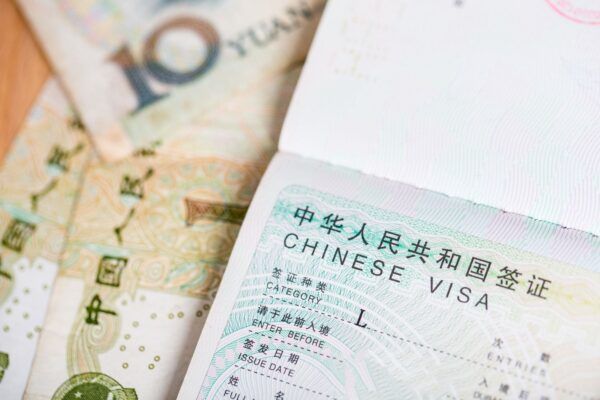
- Visa documents, if required
- Travel insurance details
- Flight and accommodation confirmations
- Digital and printed copies of important documents
- Credit and debit cards, ideally more than one
- Emergency cash in local currency or widely accepted foreign currency
Clothing essentials
Choose breathable, lightweight pieces that dry quickly and can be mixed easily. In many parts of Asia, humidity is high, laundry is easy to find, and bulky fabrics become annoying very fast. Comfort beats outfit overthinking almost every time.
- 4-6 light tops or T-shirts
- 2-3 pairs of shorts or light bottoms
- 1-2 pairs of long trousers for temples and cooler evenings
- 1 light sweater or hoodie for transport and air conditioning
- 1 rain jacket or packable poncho
- 7-10 pairs of underwear
- 3-5 pairs of socks
- 1-2 swimwear options
- 1 sleep outfit
- 1 modest outfit for temples or conservative areas
Shoes that actually make sense
Footwear should be practical, comfortable, and minimal. Most travelers do well with two or three pairs at most. The classic mistake is packing too many shoes and then wearing the same sandals for two weeks anyway. A humbling but universal travel truth.
- Walking shoes or sneakers for cities and travel days
- Sandals or flip-flops for hot climates and beach destinations
- Optional trail shoes if your trip includes serious hikes or trekking
Ready to discover a side of Asia you’ll never forget? From tropical islands and ancient temples to vibrant cities and epic landscapes, there’s an adventure for every kind of traveller. Discover 7 of the best places to visit in Asia and find inspiration for your next big adventure.
Health, toiletries, and the items people forget most

Bring a compact set of health and hygiene essentials, especially the products you rely on regularly. Many things are easy to buy locally, but it’s still smart to arrive prepared for the first few days and for moments when finding a pharmacy is less convenient than expected.
One of the most forgotten travel items is usually something small but useful: a power adapter, charging cable, medication, earplugs, or sunscreen. Tiny items love to vanish from packing lists while somehow giant “maybe I’ll need this” items sneak in.
- Prescription medication in original packaging
- Basic first-aid kit with plasters, antiseptic, pain relief, and stomach meds
- Sunscreen
- Insect repellent
- Toothbrush, toothpaste, deodorant
- Shampoo and soap in travel sizes
- Hand sanitizer and tissues
- Lip balm
- Earplugs and eye mask
- Reusable water bottle
Electronics and travel gear to pack
The right tech setup depends on your travel style, but most people only need a small group of reliable essentials. Prioritize items that help with navigation, communication, charging, and safety rather than packing every cable you’ve owned since 2014.
- Smartphone
- Charger and spare cable
- Power bank
- Universal travel adapter
- Headphones
- Camera, if you use one
- E-reader or tablet, optional
- Small daypack for daily use
- Dry bag if your route includes boats, beaches, or island hopping
Smart packing rules that help you bring less
Simple packing frameworks are useful because they stop you from adding random extras. Two well-known methods are the 5-4-3-2-1 rule and the 3-3-3 rule. They won’t fit every traveler perfectly, but they’re great starting points if you tend to overpack.
The 5-4-3-2-1 rule
This method usually means packing:
- 5 tops
- 4 bottoms
- 3 pairs of shoes
- 2 dresses or specialty items
- 1 set of accessories
It works well for shorter trips or travelers who want structure without carrying half their wardrobe.
The 3-3-3 rule for travel packing
This approach is even more minimal and usually focuses on:
- 3 tops
- 3 bottoms
- 3 pairs of shoes
It encourages you to build interchangeable outfits and do laundry on the road. Not glamorous, perhaps, but very effective. Also, your back will write you a thank-you letter.
Packing list by trip style
Your final checklist should match the kind of trip you’re taking. A beach-focused holiday, a multi-country backpacking route, and a cultural city itinerary don’t require exactly the same things. Adjust your bag to your real plans, not your fantasy version of yourself.
| Trip style | Priority items | What to keep minimal |
|---|---|---|
| Beach and islands | Swimwear, sandals, dry bag, sunscreen, light clothes | Heavy shoes, bulky layers, formal outfits |
| City and culture trip | Breathable outfits, modest clothes, walking shoes, daypack | Too much beachwear, trekking gear |
| Backpacking route | Quick-dry clothes, power bank, compact toiletries, rain layer | Extra shoes, too many accessories, oversized luggage |
| Trekking and adventure | Trail shoes, technical layers, medical kit, waterproof gear | Dressy clothes, unnecessary electronics |
What not to bring

Leaving things out is just as important as choosing what to pack. In most of Asia, laundry is cheap, forgotten basics can often be bought locally, and hauling around unnecessary items quickly becomes exhausting. If an item has no clear job, it probably doesn’t deserve the space.
- Too many clothes
- Heavy jeans for tropical destinations
- More than three pairs of shoes
- Full-size toiletries
- Valuable jewelry
- Large hard-shell suitcases for multi-stop trips
- Duplicate gadgets you rarely use at home anyway
A final check before you zip the bag
The best list for traveling around Asia is one that stays practical. Focus on comfort, versatility, cultural respect, and light luggage. If you can carry your bag without suffering dramatically after five minutes, you’re probably on the right track.
Do one final check for documents, chargers, medication, and weather-specific layers. Then leave a little empty space for the things you’ll pick up along the way, because you absolutely will. A scarf in Bangkok, snacks in Tokyo, mystery souvenirs everywhere.
And if you want to experience Asia without stressing over every detail alone, have a look at the WeRoad group trips in Asia and Southeast Asia: a great way to explore more, pack smarter, and share the adventure with people who’ll also pretend they packed light.
FAQ
- How many clothes should I pack for a two-week trip in Asia?
-
For two weeks, you usually only need about one week of clothing if you plan to do laundry. Pack lightweight, quick-dry items that can be mixed and matched easily.
- Do I need a power adapter for traveling in Asia?
-
Often yes, but it depends on the countries you’re visiting. Plug types vary across Asia, so a universal travel adapter is the easiest and safest solution.
- Is it better to travel with a backpack or a suitcase in Asia?
-
For multi-stop itineraries, a backpack or soft travel bag is usually more practical. It’s easier to carry on uneven roads, stairs, ferries, and public transport.
- Should I bring cash or rely on cards?
-
Bring both. Cards are common in many cities, but cash is still essential in smaller towns, local markets, and some transport situations.
- What clothes are best for temples and religious sites?
-
Wear items that cover shoulders and knees. Lightweight long trousers, midi skirts, and tops with sleeves are usually the safest choices.