
In a nutshell
- Cape Town combines multiple travel styles in one destination: visitors can experience mountain panoramas, urban neighborhoods, historical landmarks, scenic beaches, and nearby wine estates within short travel times, making it ideal for both short breaks and week-long itineraries.
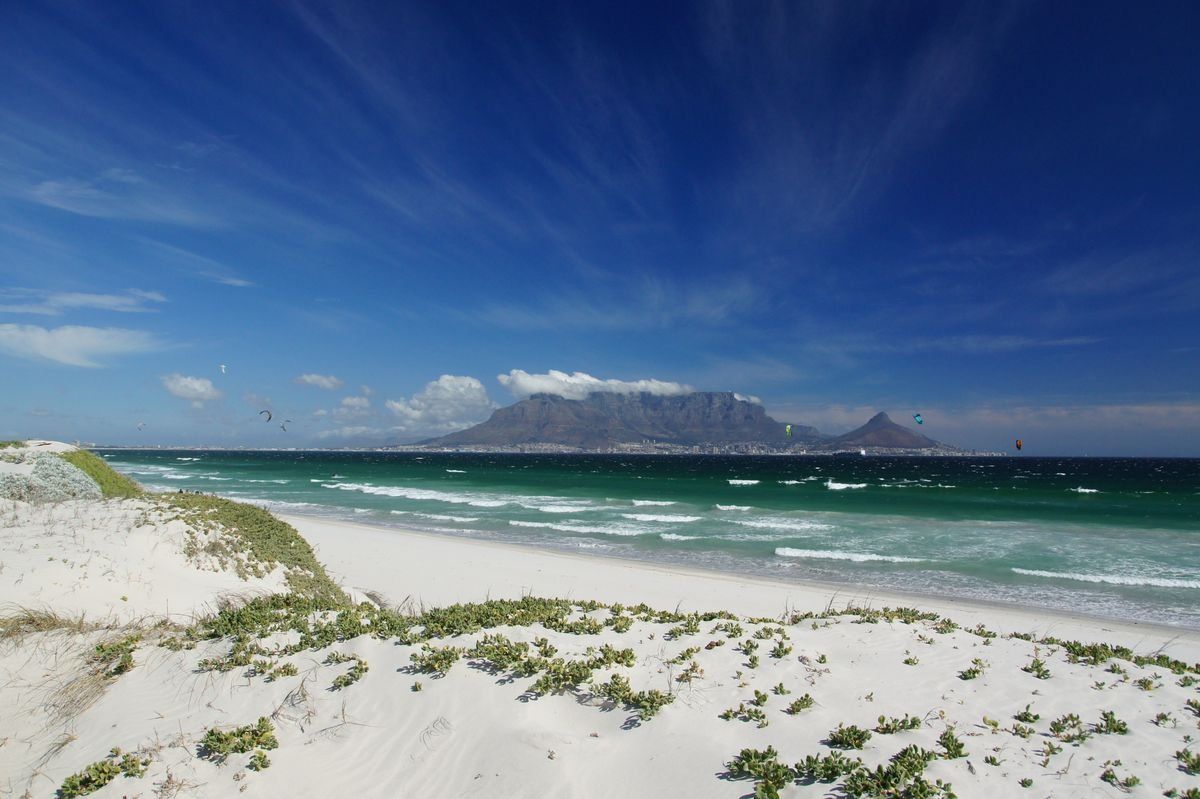
- Table Mountain is the city’s signature experience, whether reached by cable car or hiking trail, and it pairs well with other major viewpoints such as Lion’s Head, Signal Hill, and the Sea Point Promenade for a fuller perspective on the city’s geography.
- The coastline offers very different beach experiences: Camps Bay and Clifton are classic Atlantic-side favorites, Muizenberg is better for surf culture, and St. James Beach stands out for its colorful Victorian-style beach huts, while Boulders Beach adds the rare chance to see African penguins up close.
- A Cape Peninsula day trip is one of the most complete outings, combining Chapman’s Peak Drive, Kalk Bay, Simon’s Town, Boulders Beach, Cape Point, and the Cape of Good Hope in a single route filled with wildlife, cliffs, and ocean views.
- Wine tasting is easy to include in a Cape Town trip: Constantia works well for short excursions close to the city, while Stellenbosch and Franschhoek are better for fuller wineland experiences with historic estates, strong food scenes, and more immersive tasting itineraries.
Cape Town is one of those rare cities that seems determined to show off at every turn. Mountains drop into the ocean, penguins casually steal the spotlight, and wine estates sit just a short drive from the city center. If you are searching for the best things to do in Cape Town, you will quickly notice that the challenge is not finding options, but choosing where to start.
For first-time visitors, the city offers a near-perfect mix of nature, history, food, and coastal scenery. You can ride a cable car in the morning, spend the afternoon on a beach, and end the day with a glass of local wine while pretending this is now your permanent lifestyle. A very reasonable fantasy, honestly.
Why Cape Town stands out
Cape Town stands out because it combines iconic landscapes, cultural depth, and easy day trips in one destination. Few cities let you hike or cable-car up a mountain, visit historical landmarks, relax on scenic beaches, and taste world-class wines without spending half your holiday in transit.
The city is anchored by Table Mountain, framed by the Atlantic and False Bay coastlines, and enriched by neighborhoods with very different personalities. Around the center, you will find places like the V&A Waterfront, Bo-Kaap, Sea Point, and Camps Bay. Beyond that, the Cape Peninsula and the nearby winelands add even more variety.
In practical terms, Cape Town works well for:
- Short breaks of 3 to 4 days focused on highlights
- Longer stays of 5 to 7 days with beaches, hikes, and wine tasting
- Travelers who like contrast, from urban energy to quiet coastal drives
- Outdoor lovers who want scenery without giving up restaurants and nightlife
Table Mountain and the city’s most iconic views
Table Mountain is the city’s defining attraction and a must for most visitors. It offers panoramic views over the city bowl, the Atlantic coast, and surrounding peaks. Whether you go up by cable car or on foot, it is one of the most rewarding experiences in Cape Town.
The easiest option is the Table Mountain Aerial Cableway, which rotates gently as it climbs, giving you broad views on the way up. Once at the top, you can follow short walking paths and viewing points across the plateau. On clear days, the scenery is spectacular. On cloudy days, the mountain may disappear behind the famous “tablecloth,” because Cape Town enjoys being dramatic.
Cable car or hike?
Choosing between the cable car and a hike depends on your fitness, time, and weather conditions. The cable car is efficient and accessible for many travelers, while hiking offers a more active and immersive experience. Both options can be excellent when planned properly.
- Cable car: Best for first-time visitors, limited time, and easy access to summit views
- Platteklip Gorge hike: Direct but steep, suitable for fit hikers
- Guided hikes: Recommended for more challenging routes and added safety
Always check the weather before heading up. Strong winds can stop cable car operations, and low visibility can turn those epic views into a gray wall of mystery. Atmospheric, yes. Ideal for sightseeing, not quite.
Other viewpoints worth adding
Cape Town has several excellent viewpoints beyond Table Mountain. These spots help you appreciate the city’s geography and are especially rewarding at sunrise or sunset. They also offer strong alternatives when Table Mountain is closed due to wind or cloud cover.
Consider adding these to your list:
- Lion’s Head for a popular hike and 360-degree views
- Signal Hill for an easier panoramic stop by car or taxi
- Sea Point Promenade for ocean views with a more relaxed pace
Best beaches in Cape Town
Cape Town’s beaches are diverse, scenic, and spread across different coastlines. Some are ideal for sunbathing and stylish people-watching, while others are better for surfing, long walks, or simply admiring the view with your shoes still on because the water is, yes, very cold.
If your beach standards include turquoise water, dramatic mountain backdrops, and photogenic sunsets, Cape Town tends to overdeliver.
Camps Bay and Clifton
Camps Bay and Clifton are among the city’s most famous beach areas. They are known for white sand, beautiful views, and a polished atmosphere. These spots are ideal if you want a classic Cape Town beach experience close to restaurants and nightlife.
Camps Bay has a lively promenade lined with cafés and bars, while the four Clifton Beaches feel more sheltered and exclusive. They are excellent for relaxing, but the Atlantic water remains brisk enough to make even brave swimmers negotiate with themselves.
Muizenberg and St. James Beach
Muizenberg and St. James Beach offer a different coastal mood on the False Bay side. They are known for gentler conditions, colorful scenery, and a more laid-back feel. These beaches are especially appealing for beginner surfers, families, and photographers.
Muizenberg is famous for its surf culture and brightly painted beach huts. Nearby, St. James Beach is a smaller gem with charming Victorian-style beach huts that add a nostalgic splash of color to the shoreline. If your camera roll is already full by this point, that is completely understandable.
Boulders Beach and penguin encounters
Boulders Beach is one of the most memorable coastal stops near Cape Town because of its resident African penguin colony. It combines protected boardwalks, scenic granite boulders, and rare wildlife viewing. It is one of the city’s most distinctive and family-friendly attractions.
Located near Simon’s Town, Boulders Beach is best visited as part of a Cape Peninsula day trip. Arrive earlier in the day if possible, especially in peak season. Penguins are adorable, but they are also not interested in your timetable.
Cape Peninsula highlights beyond the beaches
The Cape Peninsula offers some of the region’s most scenic drives and natural landmarks. It is ideal for a full-day itinerary that combines ocean views, wildlife, small coastal towns, and dramatic viewpoints. This is one of the best ways to experience the wider Cape Town area.
A classic route includes:
- Drive via Chapman’s Peak for one of South Africa’s most spectacular coastal roads
- Stop in Kalk Bay for shops, harbor views, and seafood
- Visit Boulders Beach in Simon’s Town
- Continue to Cape Point and the Cape of Good Hope
Cape Point delivers rugged cliffs, sweeping ocean views, and walking trails through protected landscapes. The Cape of Good Hope sign is busy but iconic, and yes, everyone takes the photo. You will too. Resistance is futile.
Wine tasting near Cape Town
Wine tasting is one of the top experiences near Cape Town thanks to the quality of South African wines and the beauty of the surrounding estates. Visitors can choose between historic vineyards close to the city or full-day excursions to the broader winelands.
If you want an easy option close to town, head to Constantia. This historic wine region is only a short drive from central Cape Town and offers elegant estates, mountain views, and excellent tastings without requiring a full-day commitment.
For a more classic winelands day trip, visit Stellenbosch or Franschhoek. Stellenbosch is known for historic charm and established estates, while Franschhoek combines dramatic scenery with acclaimed food and wine. It is the kind of place where “just one tasting” becomes a very optimistic plan.
Choosing the right wine area
The best wine region depends on how much time you have and what kind of experience you want. Some areas are ideal for quick escapes from the city, while others deserve a full day for tastings, meals, and exploring the surrounding landscape.
| Area | Best for | Distance from Cape Town | Atmosphere |
|---|---|---|---|
| Constantia | Short trips, elegant estates | 20-30 minutes | Relaxed and refined |
| Stellenbosch | Classic wine country, heritage | 45-60 minutes | Historic and polished |
| Franschhoek | Food and wine day trips | 60-90 minutes | Scenic and indulgent |
Culture, history and city neighborhoods
Cape Town is not only about landscapes and beaches. The city also offers important historical sites and distinctive neighborhoods that help visitors understand its identity. Adding these stops creates a more balanced itinerary and gives context to South Africa’s recent past.
Start with Robben Island, where Nelson Mandela was imprisoned for many years. Tours are powerful and informative, and tickets should be booked early. In the city, the District Six Museum provides essential insight into forced removals during apartheid.
For a lighter contrast, explore:
- Bo-Kaap for colorful streets and Cape Malay heritage
- V&A Waterfront for shopping, dining, and harbor views
- Kloof Street for cafés, bars, and casual city energy
- Sea Point for a scenic promenade and local atmosphere
How many days in Cape Town is enough?
Most travelers need at least 4 to 5 days to enjoy Cape Town’s main highlights without rushing. This gives enough time for Table Mountain, a beach day, a Cape Peninsula trip, and either a wine excursion or a historical visit such as Robben Island.
If you only have 3 days, focus on the essentials:
- Day 1: Table Mountain, V&A Waterfront, Sea Point or Camps Bay
- Day 2: Cape Peninsula, Boulders Beach, Cape Point
- Day 3: Constantia or Stellenbosch, plus Bo-Kaap or District Six
With 6 or 7 days, you can slow down and add Kirstenbosch Botanical Garden, Lion’s Head, more beach time, or a deeper dive into the winelands. Cape Town rewards unhurried travel, mainly because every viewpoint seems to demand one more photo and every stop somehow becomes a longer stop.
Practical tips for visiting Cape Town
Visiting Cape Town is generally straightforward, but a few practical choices can improve your experience. Planning around weather, transport, and basic safety helps you move around the city more confidently and make the most of your time.
- Check weather daily: Conditions affect Table Mountain, beaches, and visibility
- Use Uber or a rental car: Both are common and useful depending on your itinerary
- Book popular activities ahead: Especially Robben Island and major wine tours
- Stay aware of surroundings: Follow local advice, especially after dark
- Pack layers: Cape Town can switch from hot sun to strong wind quickly
One final tip: leave space in your schedule. Some cities are made for efficient sightseeing. Cape Town is better enjoyed with a little flexibility, a little curiosity, and a healthy willingness to stop every ten minutes and say, “Wow, this view is ridiculous.”
Plan your Cape Town trip your way
Cape Town is at its best when you mix the famous sights with slower local moments. Pair Table Mountain with a long lunch, a beach stop with a coastal drive, and a wine tasting with a sunset. That balance is what makes the destination so memorable.
Whether you are coming for the mountain, the beaches, the penguins, or the wine, this city rarely disappoints. And if you want to experience the destination with new travel buddies and zero stress over planning, take a look at the WeRoad group trips to Cape Town and start plotting your next adventure.
FAQ | All you need to know about Cape Town
- What are the big 6 attractions in Cape Town?
-
A strong list of the big six would include Table Mountain, Cape Point, Boulders Beach, Robben Island, V&A Waterfront, and the Cape Winelands. Together, they cover nature, wildlife, history, city life, and food and wine experiences.
- What is a must do in Cape Town?
-
If you only choose one experience, make it Table Mountain. It is the city’s defining landmark and gives you the clearest sense of Cape Town’s setting between mountain and sea. If time allows, pair it with a Cape Peninsula day trip.
- What are the do and don’ts of Cape Town?
-
Do check weather conditions, book major attractions in advance, use trusted transport, and follow local safety advice. Don’t hike isolated routes alone, flash valuables unnecessarily, or underestimate distances and traffic when planning multiple stops in one day.
- How many days in Cape Town is enough?
-
4 to 5 days is a good minimum for first-time visitors. It allows time for Table Mountain, beaches, a Cape Peninsula trip, and a wine or cultural day. With a week, you can travel at a more relaxed pace and explore more neighborhoods.
- Is Cape Town good for beaches and wine in the same trip?
-
Yes, absolutely. That combination is one of Cape Town’s biggest strengths. You can spend the morning on the coast and the afternoon at a Constantia wine estate, or dedicate separate days to beaches and the broader winelands like Stellenbosch or Franschhoek.