In a nutshell
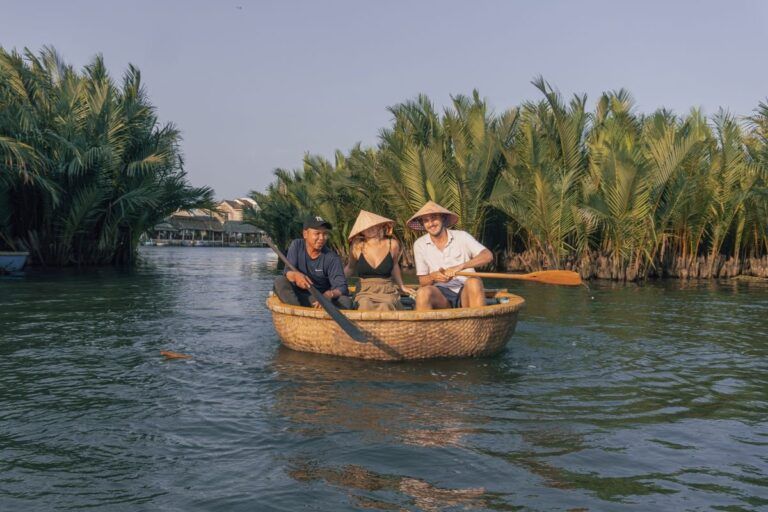
- Experiential travel focuses on participation rather than passive sightseeing, helping travelers connect with local culture, food, nature, and communities in a more personal and memorable way.
- The best experiential travel experiences are authentic, hands-on, and locally rooted, often involving small groups, local guides, cultural context, and sustainable practices that respect the destination.
- Top destinations for immersive trips include Italy, Japan, Peru, Morocco, and Costa Rica, each offering different strengths such as culinary traditions, rituals, community encounters, wildlife, or adventure.
- Meaningful travel usually comes from depth, not speed, so it helps to choose fewer experiences, leave room for spontaneity, and build an itinerary around one main interest like culture, food, or nature.
- A trip is more likely to feel unforgettable when it creates emotional connection, whether through learning a local skill, sharing meals, meeting residents, or seeing a destination through everyday life instead of only famous attractions.
Travel has changed. For many people, the goal is no longer just to tick off famous landmarks, snap a selfie, and race to the next stop before the gelato melts. Today, more travelers want stories, connection, and memories that actually feel personal. That is exactly where best experiential travel comes in: trips built around doing, learning, tasting, meeting, and feeling a place instead of simply passing through it.
Experiential travel is about immersion. It might mean cooking with a local family in Italy, joining a community project in Peru, hiking with a guide who grew up in the region, or learning traditions that never make it into a standard brochure. In other words, it is less “I saw it” and more “I lived it”.
What experiential travel really means
Experiential travel is a way of exploring a destination through direct, meaningful participation. Instead of focusing only on attractions, it centers on culture, people, food, nature, and everyday life. The goal is to return home with deeper understanding, stronger memories, and a trip that feels more personal than performative.
This kind of travel goes beyond surface-level tourism. You are not just looking at a market: you are tasting the spices, talking to the vendors, maybe even learning why grandma’s sauce recipe could probably start a family feud. The point is not to cram more into a schedule. It is to connect more deeply with what is already there.
Common forms of experiential travel include:
- Cultural immersion, such as festivals, workshops, or local ceremonies
- Food experiences, like farm visits, cooking classes, and street food tours
- Adventure travel, including trekking, kayaking, or wildlife experiences
- Community-based tourism, where local people directly shape the experience
- Wellness and nature retreats, focused on restoration and mindful travel
Why travelers are choosing experiences over sightseeing
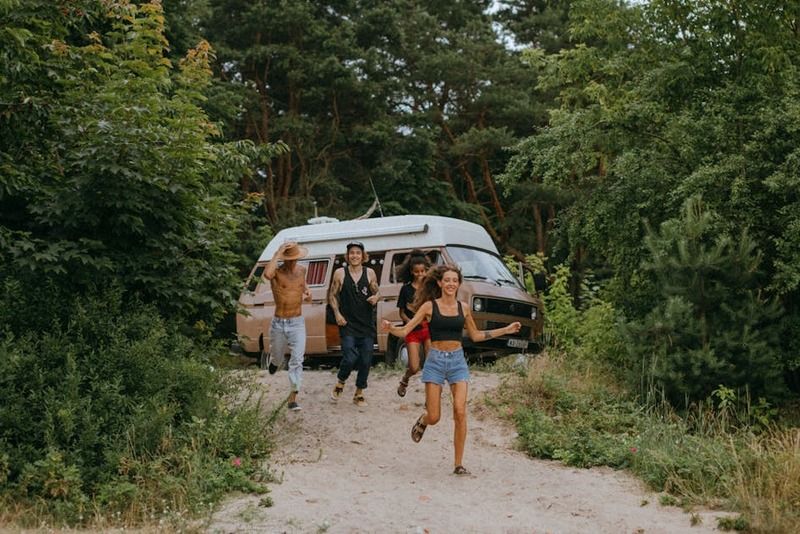
More travelers now value authenticity, flexibility, and emotional connection over packed sightseeing lists. Experiential trips offer memorable interactions and a stronger sense of place. They also appeal to people who want travel to teach them something, challenge them, or simply feel less generic and more human.
It makes sense. Most of us can already see world-famous sites in 4K from our couch while wearing pajamas and pretending that instant noodles count as international cuisine. What we cannot stream is the feeling of learning a local dance badly but enthusiastically, or sharing a meal that turns strangers into friends.
Experiential trips are popular because they often deliver:
- More meaningful memories than passive sightseeing
- Greater cultural understanding through real interaction
- Personal growth from trying something unfamiliar
- Better stories than “we took a photo and left”
- A slower, richer pace that reduces travel burnout
What makes the best experiential travel experiences
The best experiential travel experiences are authentic, well-organized, and rooted in the destination itself. They create interaction rather than observation and offer a balance between structure and spontaneity. The most memorable ones also respect local communities and avoid turning culture into a staged performance.
Not every “authentic” activity is actually authentic. Sometimes a tour promises hidden local life and then delivers a suspiciously polished setup where everyone looks like they rehearsed for your arrival. A good experience should feel genuine, respectful, and connected to the place.
Look for these qualities when choosing a trip:
- Local leadership or direct involvement from local communities
- Hands-on participation instead of passive observation
- Small group size for better access and flexibility
- Cultural context, not just activity for activity’s sake
- Sustainable practices that benefit the destination
Best experiential travel destinations and trip ideas
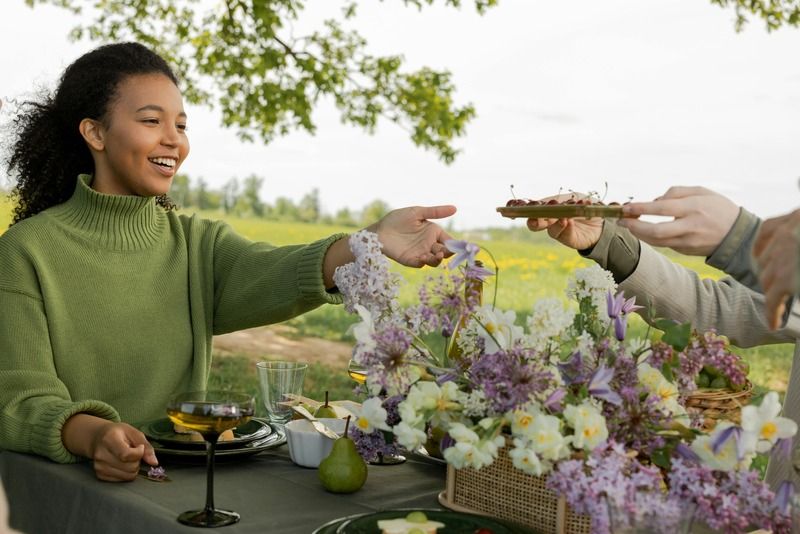
Some destinations naturally lend themselves to immersive travel because they combine strong local traditions, accessible activities, and meaningful cultural exchange. The best trips usually mix a signature experience with everyday local life, creating a journey that feels both exciting and grounded.
Here are some inspiring ways to experience the world beyond the obvious postcard angle.
Italy for food, craft, and slow living
Italy is ideal for experiential travel because daily life, regional identity, and food culture are deeply connected. Travelers can learn by tasting, making, and sharing. From vineyards to kitchens to artisan workshops, the country offers immersive experiences that feel naturally woven into the destination.
Yes, Italy is beautiful. But the real magic often happens somewhere between a flour-covered kitchen table and the moment you realize the olive oil you just tasted has ruined supermarket oil forever.
- Take a cooking class in Tuscany
- Join a wine harvest experience
- Learn traditional crafts in Florence or Venice
- Stay in an agriturismo and experience rural life
Japan for tradition and everyday rituals
Japan offers highly immersive travel through its combination of ancient traditions and modern daily life. Visitors can connect with the culture through food, etiquette, crafts, seasonal events, and community routines. Even simple moments often feel thoughtful, intentional, and uniquely local.
In Japan, a tea ceremony can teach patience, a neighborhood izakaya can become your favorite memory, and even convenience store snacks somehow feel like they were designed by a committee of geniuses.
- Join a tea ceremony in Kyoto
- Stay in a ryokan with traditional meals
- Take part in a local festival
- Learn calligraphy, ceramics, or Japanese cooking
Peru for culture, history, and community connection
Peru stands out for travelers who want a mix of history, landscapes, and living traditions. Experiences often combine trekking, local communities, and traditional foodways. The result is a trip that goes beyond iconic ruins and reveals the human side of the destination.
Machu Picchu is incredible, of course. But Peru really shines when you also share meals in the Sacred Valley, visit weaving communities, or learn how local ingredients turn lunch into a small spiritual event.
- Trek with local guides in the Andes
- Visit Quechua communities
- Explore markets and food culture in Cusco or Lima
- Join a hands-on workshop in weaving or farming traditions
Morocco for sensory travel and cultural exchange
Morocco offers a deeply sensory travel experience shaped by hospitality, craftsmanship, food, and landscape diversity. It is a destination where travelers can move from medinas to mountains to desert camps while engaging with living traditions at every stage of the journey.
It is hard to stay emotionally neutral in Morocco when the air smells like spices, mint tea appears every twelve minutes, and every alley looks like it belongs in a film set that forgot to stop being charming.
- Take a market and cooking experience in Marrakech
- Stay with local hosts in the Atlas Mountains
- Learn about traditional crafts in Fez
- Sleep in the Sahara and explore Berber culture
Costa Rica for nature and purposeful adventure
Costa Rica is one of the strongest choices for travelers who want immersion through nature, wildlife, and sustainability. Experiences are often active and educational, combining adventure with conservation, local guidance, and a strong connection to biodiversity.
This is the kind of place where your morning might start with a rainforest walk and end with you seriously considering whether a sloth has a healthier work-life balance than you do.
- Join a wildlife conservation project
- Stay at an eco-lodge in the rainforest
- Take guided hikes with naturalists
- Learn about coffee, cacao, and sustainable farming
A quick comparison of experiential trip styles
Different experiential trips suit different travel personalities. Some focus on food and culture, while others emphasize nature, learning, or physical challenge. Comparing styles helps travelers choose experiences that match their pace, interests, and comfort level rather than chasing what simply looks impressive online.
| Trip style | Best for | Example destination | Main benefit |
|---|---|---|---|
| Food and culture | Curious, social travelers | Italy | Deep connection through meals and traditions |
| Nature and wildlife | Outdoor lovers | Costa Rica | Active immersion in ecosystems |
| History and community | Meaning-driven travelers | Peru | Cultural understanding beyond landmarks |
| Tradition and ritual | Travelers seeking depth | Japan | Insight into values, customs, and daily life |
| Multi-sensory exploration | Adventurous cultural travelers | Morocco | Strong emotional and sensory engagement |
How to plan an experiential trip well
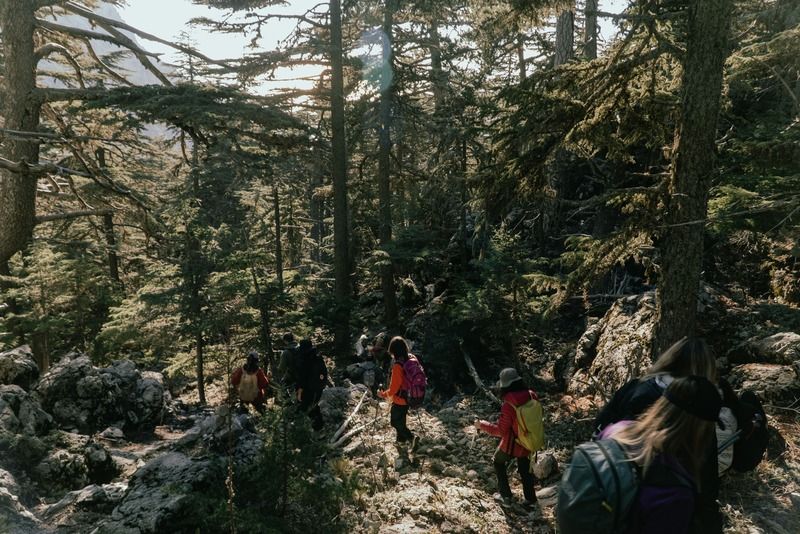
Planning an experiential trip starts with choosing how you want to connect with a place. The most successful itineraries leave room for interaction, avoid overloading the schedule, and prioritize quality experiences over quantity. Good planning creates flexibility without losing direction.
A packed itinerary may look efficient, but it can kill the very thing experiential travel needs most: time. Time to listen, taste, wander, get curious, and occasionally get gloriously lost in a neighborhood you did not even mean to visit.
Use these tips to plan smarter:
- Choose one core theme, such as food, nature, culture, or adventure
- Book fewer but deeper activities
- Research local operators with strong reviews and community ties
- Leave free time for spontaneous moments
- Learn basic local etiquette before you go
- Travel in a small group if you want shared experiences without the chaos of giant tours
How to know if a trip will feel meaningful
A meaningful trip usually creates emotional connection, not just visual memories. If an itinerary includes local interaction, space to reflect, and experiences rooted in the destination, it is more likely to feel memorable. Meaning often comes from participation and perspective rather than from famous names alone.
Ask yourself a few simple questions before booking:
- Will I do something here, not only see it?
- Will I meet people who actually live in the destination?
- Does the experience teach me something about the place?
- Is the trip designed with respect for local culture and environment?
If the answer is yes, you are probably on the right track. If the itinerary sounds like a speed-dating round with monuments, maybe keep looking.
Travel that stays with you
The best trips are rarely just about the destination name. They are about the cooking lesson you still talk about, the landscape that changed your mood, the conversation that shifted your perspective, or the day that felt beautifully unlike your normal life. That is why the best experiential travel is not about seeing more of the world in less time, but about experiencing it more fully.
If you want to create memories like these, explore WeRoad group trips to Italy, Costa Rica, Peru, Japan, and Morocco, and find the perfect adventure built around connection, discovery, and shared experiences.
FAQ
- What is an example of experiential travel?
-
cooking class in Tuscany, a tea ceremony in Kyoto, or a community stay in Peru are all strong examples. In each case, the traveler actively participates in local life instead of only observing it.
- Where should I go for a trip of a lifetime?
-
That depends on what moves you most. For food and culture, try Italy. For tradition and ritual, Japan. For dramatic nature and wildlife, Costa Rica. For history and community, Peru is a powerful choice.
- Is experiential travel expensive?
-
Not always. Some experiences, like local workshops or community tours, can be affordable. Costs depend more on destination, accommodation style, and trip length than on the immersive nature of the experience itself.
- How do I choose the best experiential travel trip for me?
-
Start with your main interest: food, culture, nature, adventure, or wellness. Then look for small-group or locally led experiences that offer participation, not just transportation between attractions.
- Are group trips good for experiential travel?
-
Yes, especially when they are small, well-designed, and focused on local connection. A good group trip can make immersive travel easier, safer, and more social without losing authenticity.