In a nutshell
- Preparation is the foundation of safer solo travel: research local customs, transport, scams, safe neighborhoods, and emergency numbers before departure, then share your itinerary and keep copies of key documents.
- Accommodation and transport choices directly affect safety: prioritize well-reviewed stays in central areas, arrive in daylight when possible, and use licensed taxis or trusted ride-share apps with shareable route details.
- Awareness matters more than hypervigilance: move confidently, avoid looking lost in public, keep valuables distributed, download offline maps, and use your phone as a safety tool rather than a distraction.
- Boundaries are a practical safety skill: you do not have to reveal that you are traveling alone, continue uncomfortable conversations, or stay polite in situations that feel wrong; leaving, refusing, or getting loud can be the safest response.
- Nightlife, health, and emergencies need a backup plan: watch your drink, know how you’ll get home, carry basic medical essentials, check insurance coverage, and save nearby hospital or embassy information in case plans suddenly go sideways.
Traveling alone can be exciting, empowering, and occasionally a little overwhelming, but that’s all part of the adventure. One moment you’re booking the trip you’ve always dreamed of, the next you’re wondering whether you should save local emergency numbers, pack a door alarm, or brush up on your detective skills. The reality is that solo female travel safety isn’t about being afraid; it’s about being prepared, staying aware of your surroundings, and giving yourself the confidence to fully enjoy the experience.
Traveling solo as a woman does not mean expecting danger around every corner. It means building habits that help you move through new places with more ease. With the right planning, smart boundaries, and a few practical tools, you can reduce risk, trust yourself more, and actually enjoy the adventure instead of rehearsing disaster scenarios in your head at 2 a.m.
Start with preparation, not paranoia
The safest solo trips usually begin before departure. Research, planning, and a few backup systems can prevent common problems and help you react quickly if something goes wrong. The goal is to make informed choices, not to turn your holiday into a military operation with color-coded spreadsheets. Unless that’s your thing. No judgment.
Before you leave, look into the local culture, neighborhood safety, transport options, dress expectations, and common scams. Official travel advisories can help, but personal accounts from recent travelers are useful too because they reveal the kind of practical details you won’t always find in government pages.
- Check local laws and customs, especially around clothing, nightlife, and photography.
- Save emergency contacts, embassy details, and the local emergency number.
- Book your first nights in well-reviewed accommodation in a central, safe area.
- Share your itinerary with someone you trust.
- Keep digital and printed copies of your passport, insurance, and reservations.
If you’re new to solo travel, start with a destination that has a solid tourism infrastructure. You don’t need your very first solo trip to double as an extreme confidence boot camp. Rome, not remote mountain goat village. At least for round one.
Choose destinations and accommodation wisely
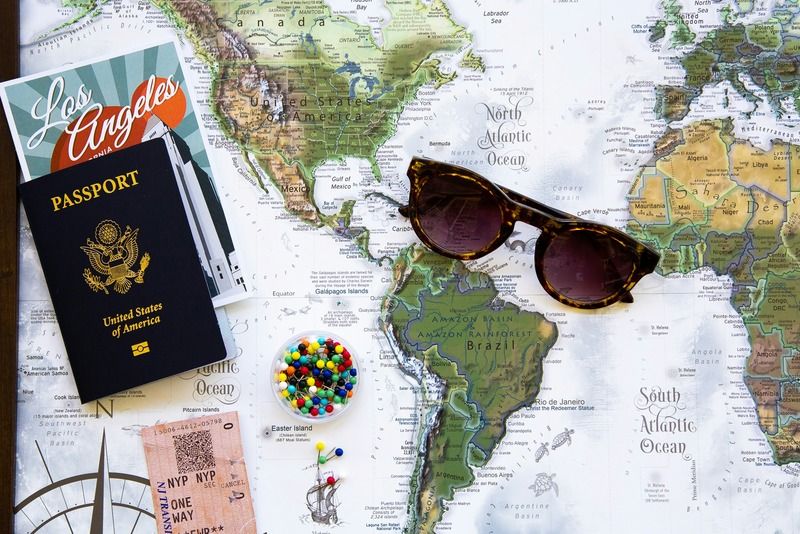
Safety often depends more on specific neighborhoods and logistics than on a country’s overall reputation. A destination can be excellent for solo travelers if you stay in the right area, arrive at a sensible time, and choose accommodation with strong reviews and visible security measures.
When deciding where to go, look for places with reliable public transport, walkable central zones, and plenty of recent reviews from other women. Search specifically for comments about solo stays, late arrivals, staff helpfulness, and how safe the area feels after dark.
What to look for in accommodation
A good place to stay should make you feel secure from the moment you check in. Prioritize properties with verified reviews, 24-hour reception when possible, secure entry, and easy access to main streets or transport. A bargain that leaves you stranded in an empty alley is not a bargain. It is a plot twist.
- Recent reviews, especially from solo female travelers
- Safe location near transport, restaurants, and active streets
- Secure access such as keycard entry, lockers, or staffed reception
- Clear arrival instructions for late check-ins
- Private room options or female-only dorms if preferred
| Option | Best for | Safety advantages | Things to check |
|---|---|---|---|
| Hotel | First solo trips, short stays | 24/7 staff, controlled entry, private room | Neighborhood, reviews, front desk hours |
| Hostel | Social travelers, lower budgets | Female dorms, lockers, easy to meet others | Locker size, guest access, party atmosphere |
| Apartment rental | Longer stays, more independence | Privacy, kitchen, local feel | Host responsiveness, exact area, self check-in setup |
Move through places like you belong there
Confidence, awareness, and good transport choices reduce vulnerability in unfamiliar environments. You do not need to act fearless, but you should aim to look purposeful and stay alert. Small behaviors can make a meaningful difference in how others perceive and approach you.
One of the best habits is to avoid looking lost in the middle of the street. Check directions before leaving, memorize key turns, and step into a café or shop if you need to look at your phone. Staring at a map while doing a slow confused spin on the sidewalk is basically a universal sign for “tourist, distracted, carrying valuables.”
- Arrive during daylight whenever possible.
- Use licensed taxis or reputable ride-share apps.
- Sit near other women or families on public transport if it helps you feel safer.
- Keep one ear free if using headphones.
- Trust your instincts and leave if a situation feels off.
For rides, always verify the plate, driver name, and route. Share trip details with a trusted contact when needed. App-based transport is often useful because it creates a digital record. That tiny route line on your screen can feel surprisingly comforting.
Protect your documents, money, and phone
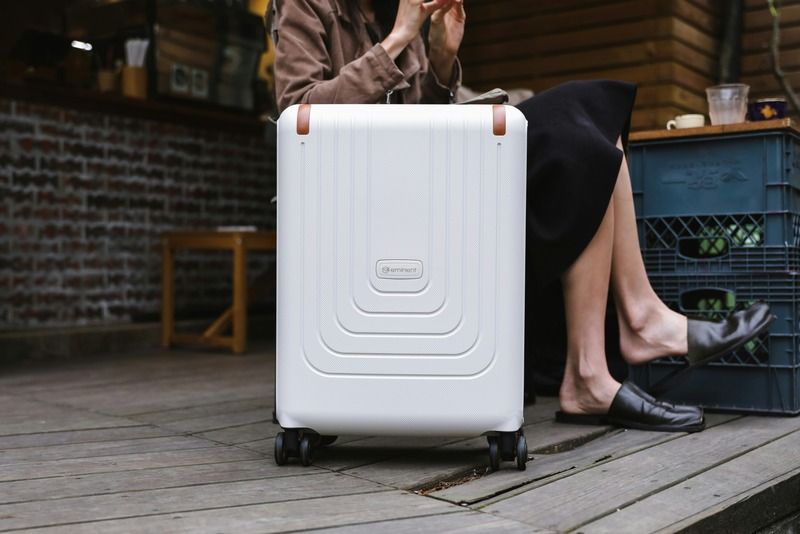
Losing documents or money is stressful, but simple systems can limit the damage. Spread out valuables, carry only what you need, and make sure your phone remains charged and usable. Security is not about carrying everything on you at all times; it is about reducing single points of failure.
Keep your main passport in a secure place unless you specifically need it. Carry a copy, either printed or saved securely on your phone. Split cash and cards across different places so one stolen wallet does not derail your entire trip.
- Store passport copies in cloud storage and email one to yourself.
- Use a crossbody bag or anti-theft bag in crowded areas.
- Carry a power bank so your phone never dies at the worst possible time.
- Download offline maps before moving around.
- Avoid public Wi-Fi for sensitive logins unless using a VPN.
Your phone is a safety tool, not just a camera roll full of pastries and suspiciously flattering sunset selfies. Keep it charged, lock it properly, and set up location sharing with someone you trust if that gives you peace of mind.
Set boundaries early and clearly
Personal safety often comes down to recognizing discomfort quickly and responding without hesitation. You are not required to be endlessly polite, overshare personal details, or continue any interaction that feels intrusive. Clear boundaries are practical, not rude.
If someone asks whether you are alone, you do not owe them the truth. Depending on the situation, a vague answer can be smarter than a detailed one. Saying you are meeting friends, heading back to your group, or expected soon is often enough.
Helpful boundary habits
Simple scripts can make it easier to react under pressure. Prepare them in advance so you are not improvising while uncomfortable. Think of it as packing verbal sneakers: practical, versatile, and very handy when you need to move fast.
- “I’m meeting friends in a minute.”
- “No thanks, I’ve already arranged transport.”
- “I can’t talk right now.”
- “Please step back.”
- “Stop.”
If needed, get loud. Draw attention. Move toward staff, families, shopkeepers, or other women. The old idea that women should remain pleasant at all costs can stay home with the unnecessary shoes you swore you’d wear and absolutely won’t.
Nighttime and social situations require extra care
Even in destinations that feel easy and welcoming, evenings call for more caution. Reduced visibility, fewer people around, and alcohol can weaken judgment and increase vulnerability. Safe nightlife is possible, but it works best when you stay intentional about transport, drinks, and limits.
If you go out, know how you’re getting back before the night starts. Keep your drink with you, avoid getting too intoxicated, and never feel embarrassed about leaving early. A boring safe ride home beats becoming the main character in a story you didn’t ask for.
- Plan your return route in advance.
- Do not leave drinks unattended or accept opened drinks from strangers.
- Limit alcohol enough to stay aware of your surroundings.
- Stay in busy, well-lit areas.
- If you meet someone new, choose a public place first.
Health, insurance, and emergency backup matter
Prepared travelers are better able to handle illness, stress, or unexpected disruptions. Insurance, basic medical planning, and local emergency knowledge can save time, money, and anxiety. These details may seem unglamorous, but they often matter most when plans change suddenly.
Bring any essentials that may be hard to find locally, including prescriptions, period products, or specific health supplies. Check what your travel insurance actually covers, especially medical care, theft, cancellations, and emergency transport.
- Carry a small first-aid kit and regular medication.
- Know where the nearest hospital or pharmacy is.
- Save your accommodation address offline and written down.
- Register with your embassy program if available, such as STEP for U.S. travelers.
- Consider a personal alarm or whistle if legal and useful for your destination.
And yes, insurance can feel like the least exciting purchase in travel. But neither is replacing stolen electronics or paying emergency medical bills abroad, so the glamorous choice here is weirdly the boring one.
Confidence grows with practice
Solo travel safety is not a single trick but a set of habits that become easier over time. The more you practice preparation, awareness, and boundaries, the more naturally you move through unfamiliar places. Confidence does not mean ignoring risk; it means knowing how to manage it calmly.
You do not need to travel fearlessly to travel well. You just need a plan, some flexibility, and permission to trust yourself. That might mean changing hotels, taking a taxi instead of walking, or saying no without offering a TED Talk to justify it.
Solo travel can be one of the most rewarding ways to see the world. It teaches resourcefulness, independence, and how surprisingly competent you become when there’s nobody else around to decide where dinner is. If you want extra peace of mind while still meeting new people, discover the WeRoad group trips for your destination and find a travel style that fits you.
FAQ
- How to be safe as a female solo traveller?
-
Be safe by combining research, situational awareness, and clear boundaries. Choose well-reviewed accommodation, avoid oversharing personal details, use trusted transport, share your itinerary with someone you trust, and leave any situation that feels wrong without second-guessing yourself.
- Where is it safe to travel as a single female?
-
No destination is risk-free, but many places are very manageable for solo women when they have good infrastructure, reliable transport, and strong traveler reviews. Focus less on broad labels and more on neighborhood choice, arrival logistics, and recent feedback from other solo female travelers.
- How to protect yourself when traveling alone?
-
Protect yourself by keeping your phone charged, using offline maps, splitting money and cards, avoiding isolated areas at night, and preparing simple exit phrases for unwanted interactions. A personal alarm, travel insurance, and document backups can add another layer of protection.
- Is it okay to lie about traveling alone?
-
Yes, in some situations it is sensible to be vague or say you are meeting friends or a partner. You are under no obligation to disclose personal information to strangers, and privacy is a valid safety strategy when someone’s questions feel unnecessary or intrusive.