In a nutshell
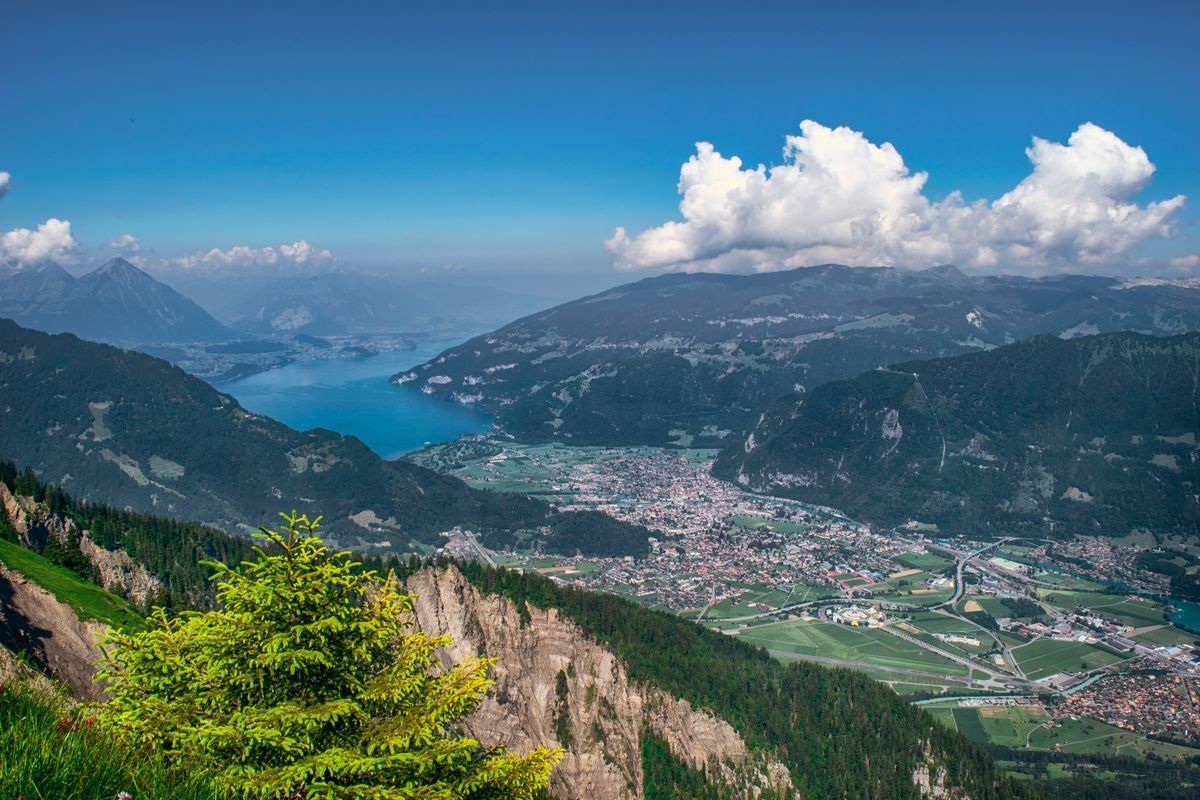
- Switzerland is best experienced as a mix of mountains, lakes, and cities, not as a single-theme destination. Combining places like Zermatt, the Jungfrau Region, Lake Lucerne, and urban stops such as Bern or Zurich gives a fuller and more memorable trip.
- The top mountain experiences include the Matterhorn, Lauterbrunnen Valley, and the hike to Bachalpsee. These locations offer different levels of activity, from panoramic train rides and cable cars to accessible trails leading to dramatic viewpoints and turquoise alpine lakes.
- Swiss lakes are more than scenic backdrops: they are central to the travel experience. Lake Lucerne is ideal for combining cruises with mountain excursions, while Lake Geneva adds castle visits, vineyard landscapes, and elegant lakeside towns such as Montreux.
- Cities in Switzerland are compact but full of personality. Lucerne is perfect for first-time visitors, Bern stands out for medieval character, Zurich balances culture and nightlife, and Basel is especially strong for museums and art lovers.
- Travel planning matters because Switzerland can be expensive, but also highly efficient. A 7-day trip can range widely in cost, while even a short 3-day itinerary works well if you stay focused on one region and use the country’s excellent train network to connect highlights smoothly.
Switzerland has that rare travel magic that feels almost unfair to other countries. In one trip, you can wake up by a lake, ride a train through the Alps, and end the day wandering a medieval old town with a pastry in hand. If you are searching for the best things to do in Switzerland, the good news is simple: this small country delivers big, whether you love nature, scenic railways, culture, or food that revolves gloriously around melted cheese.
What makes Switzerland so easy to love is its variety. You do not need to choose between mountain adventures and elegant cities, because you can do both without spending your whole vacation in transit. One minute you are staring at the Matterhorn, the next you are crossing a wooden bridge in Lucerne, wondering if your camera roll has become too powerful for your phone storage.
What should you not miss in Switzerland?
You should not miss Switzerland’s classic mix of alpine views, scenic train rides, lake towns, and historic cities. The most rewarding trips combine at least one mountain region, one lake experience, and one urban stop, giving you a complete feel for the country’s landscapes, culture, and pace.
If it is your first visit, focus on a few iconic experiences rather than trying to conquer the whole map like an overconfident weather app. These highlights are consistently worth it:
- Zermatt and views of the Matterhorn
- Jungfrau Region for valleys, waterfalls, and mountain trails
- Lake Lucerne or Lake Geneva for boat rides and lakeside scenery
- Bern, Zurich, or Lucerne for city culture and old towns
- A panoramic train such as the Glacier Express or Bernina Express
The secret is balance. Switzerland is not just about ticking off peaks. It is also about slowing down, taking the scenic route, and accepting that yes, a train ride can become the emotional highlight of your week.
Mountain experiences worth planning
Switzerland’s mountains are the country’s biggest draw for many travelers. They offer dramatic viewpoints, easy cable car access, world-class hiking, and charming alpine villages. Even if you are not an experienced hiker, there are plenty of ways to enjoy the high-altitude scenery comfortably.
Zermatt and the Matterhorn
Zermatt is one of the most iconic mountain destinations in Switzerland. It combines a car-free village atmosphere with easy access to spectacular viewpoints, making it ideal for both active travelers and visitors who simply want unforgettable alpine scenery.
The star of the show is, of course, the Matterhorn, that sharply pointed mountain you have probably seen on chocolate packaging and desktop wallpapers pretending to be “minimalist.” Ride up to Gornergrat for panoramic views, or head to Klein Matterhorn for glacier landscapes and high-altitude thrills.
In summer, hiking trails open up around the valley. In winter, this is one of Europe’s most famous ski areas. Either way, Zermatt feels polished, scenic, and very committed to making you say “wow” at least every 12 minutes.
The Jungfrau Region and Lauterbrunnen Valley
The Jungfrau Region is one of the best areas in Switzerland for classic alpine scenery. It includes dramatic cliffs, waterfalls, green meadows, and easy access to villages such as Grindelwald, Wengen, and Mürren.
Lauterbrunnen Valley is often the first place that makes visitors question whether Switzerland is showing off. Sheer rock walls, waterfalls like Staubbach Falls, and postcard-perfect villages create a landscape that barely seems real.
From here, you can take mountain railways to higher viewpoints, hike between villages, or make your way to Jungfraujoch, often called the “Top of Europe.” If you prefer your scenery with less effort and more snacks, this region is very accommodating.
A short hike to Bachalpsee
The hike to Bachalpsee is one of the most accessible and rewarding alpine walks in Switzerland. It is short, scenic, and suitable for many travelers, with wide views and a striking glacial lake set below the Bernese Alps.
Starting from First above Grindelwald, the route to Bachalpsee is relatively easy and takes you through open mountain landscapes with constant views. At the end, you reach a turquoise glacial lake reflecting the peaks of the Bernese Alps on clear days. It is the kind of place that makes people go quiet for a second, then immediately start taking 47 photos.
Lake views, cruises, and relaxing stops
Switzerland’s lakes add a softer side to the trip. They offer boat cruises, swimming spots, promenades, and mountain backdrops that transform even a simple afternoon into a memorable travel experience.
If the mountains are Switzerland’s dramatic lead actor, the lakes are the effortlessly elegant co-star who steals every scene without even trying.
Lake Lucerne
Lake Lucerne is one of the most scenic and accessible lakes in the country. It combines mountain views, historic paddle steamers, and easy day trips, making it a favorite for first-time visitors.
A boat ride here is an excellent way to slow down and connect different stops. You can combine the lake with excursions to Mount Pilatus or Mount Rigi, both easy to reach by train, boat, or cogwheel railway. The scenery changes constantly, from quiet bays to dramatic peaks, and somehow manages to make even waiting at the pier feel cinematic.
Lake Geneva and Montreux
Lake Geneva offers a more refined and cultural atmosphere, especially around Montreux, Lausanne, and Geneva. It is ideal for travelers who want lakeside beauty mixed with historic landmarks and wine-country views.
One of the top sights here is Chillon Castle, set directly on the lake near Montreux. Pair it with a walk along the flower-lined promenade or a cruise across the water. The nearby Lavaux vineyards, a UNESCO-listed terraced wine region, add another layer of beauty to the area.
Swiss cities that deserve your time
Swiss cities are compact, efficient, and full of character. They balance old-world streets with modern transport, museums, and waterfront spaces, making them easy to explore even on a short itinerary.
| City | Best for | Top experience |
|---|---|---|
| Lucerne | First-time visitors | Chapel Bridge and lake-mountain setting |
| Bern | History and relaxed atmosphere | Medieval old town and Zytglogge |
| Zurich | Urban culture and nightlife | Old town, lakefront, and Bahnhofstrasse |
| Geneva | International feel and lakeside views | Jet d’Eau and lake promenade |
| Basel | Art and museums | Kunstmuseum and Rhine riverside walks |
Lucerne
Lucerne is one of the easiest cities to love in Switzerland. It offers a beautiful old town, direct lake access, and nearby mountain excursions, all within a compact and walkable setting.
Do not miss the Chapel Bridge, the waterfront, and the colorful facades in the center. Lucerne works wonderfully as a base because it feels lively without being overwhelming. Also, if you enjoy a city that looks polished enough to be hand-assembled each morning, this is your place.
Bern
Bern, the Swiss capital, is known for its UNESCO-listed old town, arcaded streets, and laid-back charm. It is a strong choice for travelers interested in architecture, history, and a slower urban pace.
Walk through the medieval center, see the Zytglogge clock tower, and enjoy views of the Aare River looping around the city. Bern does not shout for attention, which is part of its appeal. It simply gets on with being lovely.
Zurich
Zurich combines historic areas with a contemporary cultural scene. It is ideal for travelers who want shopping, food, nightlife, museums, and lake views in one well-organized city.
Explore the Altstadt, stroll along the lake, and browse Bahnhofstrasse. Zurich also makes a practical arrival or departure city, but it deserves more than a rushed overnight stay. Give it time and it rewards you with a smart, stylish energy that never feels cold.
Scenic trains and easy travel between highlights
Switzerland’s train system is one of the best in the world. It makes it possible to connect mountains, lakes, and cities smoothly, often turning the journey itself into one of the main attractions.
If you love looking out the window and feeling oddly emotional about landscapes, congratulations: you are the target audience.
- Glacier Express: Connects Zermatt and St. Moritz through alpine valleys and mountain passes
- Bernina Express: A spectacular route from Chur to Tirano in Italy across high alpine scenery
- GoldenPass Line: Links central Switzerland with the Lake Geneva region through varied landscapes
For many travelers, buying a rail pass can simplify costs and logistics, especially if you plan multiple long-distance journeys and boat rides.
How much would a 7 day trip to Switzerland cost?
A 7 day trip to Switzerland usually costs between CHF 1,500 and CHF 3,500 per person, depending on travel style. Budget travelers can spend less with hostels and regional transport, while mid-range and comfort trips can rise quickly with hotels, mountain excursions, and dining out.
Here is a rough breakdown for one week:
- Budget: CHF 1,500 to CHF 1,900
- Mid-range: CHF 2,000 to CHF 2,800
- Comfort: CHF 3,000+
Main costs include accommodation, train tickets or a travel pass, mountain lifts, food, and scenic activities. Switzerland has a reputation for being expensive, and to be fair, that reputation did not appear out of nowhere. Still, with smart planning, it can be much more manageable than many first-time visitors expect.
What to do in Switzerland for 3 days
In 3 days, the best strategy is to focus on one region and avoid trying to cross the entire country. A compact route with one city, one lake, and one mountain area gives you a satisfying first taste without turning the trip into a luggage relay race.
- Day 1: Explore Lucerne, take a lake cruise, and enjoy the old town
- Day 2: Visit the Jungfrau Region, with Lauterbrunnen or Grindelwald
- Day 3: Choose a mountain excursion such as First and Bachalpsee or head to Bern for a city day
If you have a little more flexibility, sleeping in the mountains for one or two nights gives the experience a completely different rhythm. Fewer transfers, more views, better memories.
What Switzerland is famous for beyond the views
Switzerland is famous not only for mountains and lakes, but also for food, precision transport, outdoor culture, and beautifully maintained towns. These elements shape the travel experience as much as the landscapes themselves.
- Cheese, especially fondue and raclette
- Chocolate, from global brands to local artisan shops
- Scenic trains and highly efficient public transport
- Luxury watches and design heritage
- Winter sports and year-round alpine tourism
Add clean cities, reliable infrastructure, and enough dramatic scenery to make your weather app feel underqualified, and you have a destination that is easy to recommend for both first-time and repeat travelers.
Plan your Swiss trip around what you enjoy most
The best Switzerland itinerary depends on whether you prefer hiking, train journeys, city breaks, or slow scenic travel. The country works best when you build around your interests and allow time to enjoy each place rather than rushing between landmarks.
If you want a trip full of mountain views, lakeside stops, charming towns, and smooth logistics, Switzerland is one of Europe’s most rewarding destinations. And if you want to share all that beauty, laughter, and train-window awe with other travelers, take a look at the WeRoad group trips to Switzerland and start planning your next adventure.
FAQ | All you need to know about Switzerland
- When is the best time to visit Switzerland?
-
The best time depends on your interests. Summer is ideal for hiking, lake cruises, and mountain access, while winter is best for skiing and snowy landscapes. Late spring and early autumn often offer fewer crowds and beautiful scenery.
- Is Switzerland good for non-hikers?
-
Yes, absolutely. Many of the country’s best views are accessible by train, cable car, cogwheel railway, or boat. You can enjoy major mountain scenery without doing demanding hikes.
- How many days do you need in Switzerland?
-
Five to seven days is a great starting point for a first trip. It gives you enough time to combine one or two mountain areas with a lake and a city, without rushing too much.
- Is a Swiss Travel Pass worth it?
-
It can be worth it if you plan to take several long-distance trains, scenic routes, and boat trips. It also simplifies logistics, though it is always smart to compare the pass cost with your planned itinerary.
- Which area is best for a first-time visit?
-
For many travelers, the best first-time combination is Lucerne plus the Jungfrau Region. This pairing gives you mountains, lakes, charming towns, and easy transport connections.