In a nutshell
- Tokyo works best when explored through contrasts: combine famous landmarks like Shibuya Crossing, Senso-ji, and Meiji Shrine with quieter districts such as Yanaka to experience both the city’s spectacle and its more intimate, historic side.
- The most rewarding neighborhoods each reveal a different version of the city: Shinjuku delivers nightlife and neon, Harajuku and Omotesando show Tokyo’s style culture, Akihabara represents anime and gaming, while Yanaka offers one of the rare surviving glimpses of prewar Tokyo.
- Food is a central part of any Tokyo itinerary: visit Tsukiji Outer Market for snackable variety, try a minimalist ramen counter for everyday local dining, and spend an evening in an izakaya alley such as Omoide Yokocho for atmosphere and classic after-work flavors.
- Three days in Tokyo are enough for the highlights, but not for the whole city: a smart first itinerary should group nearby districts, balance temples with skyline views and nightlife, and avoid overloading each day with long cross-city transfers.
- Budget and timing matter: $5000 for a week in Japan is generally a comfortable budget for most travelers, while the least convenient times to visit Tokyo are often summer heat, rainy season, and major holiday periods like Golden Week and New Year.
Tokyo is the kind of city that can serve you a peaceful shrine in the morning, a ramen counter at lunch, and a neon-fueled sensory overload by dinner. If you are planning your first trip, narrowing down the best things to do in Tokyo can feel like choosing one snack in a Japanese convenience store: technically possible, emotionally difficult.
The good news is that Tokyo rewards every travel style. You can go classic with temples, viewpoints, and famous crossings, or lean into quieter neighborhoods, old-school alleys, and local rituals. The trick is balancing the city’s icons with the places that give it soul.
What you should not miss in Tokyo
If you only have a short time, focus on a mix of landmarks, food areas, and neighborhoods with strong character. The essentials include Shibuya Crossing, Senso-ji Temple, Meiji Shrine, a skyline view, and at least one slower local district such as Yanaka or Shimokitazawa.
Tokyo is not a city you “finish.” It is a city you sample, then immediately start plotting your return to. For a first visit, build your itinerary around contrasts: ancient and futuristic, chaotic and calm, polished and wonderfully weird.
- For iconic Tokyo: Shibuya, Shinjuku, Asakusa, Tokyo Skytree
- For culture: Meiji Shrine, Senso-ji, Yanaka, Ueno museums
- For food: Tsukiji Outer Market, izakaya alleys, ramen shops
- For views: Shibuya Sky, Tokyo Metropolitan Government Building, Tokyo Tower
- For modern creativity: teamLab Borderless, Harajuku, Akihabara
Classic Tokyo attractions worth your time
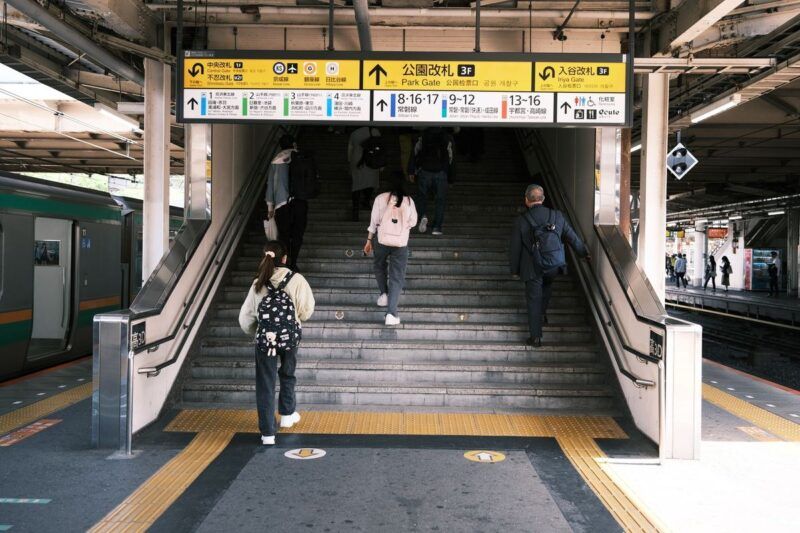
The city’s most famous sights are popular for good reason. They give first-time visitors a strong visual and cultural introduction to Tokyo, especially when paired thoughtfully. Visit early or late in the day to avoid the thickest crowds and enjoy a more relaxed experience.
Shibuya Crossing and Shibuya Sky
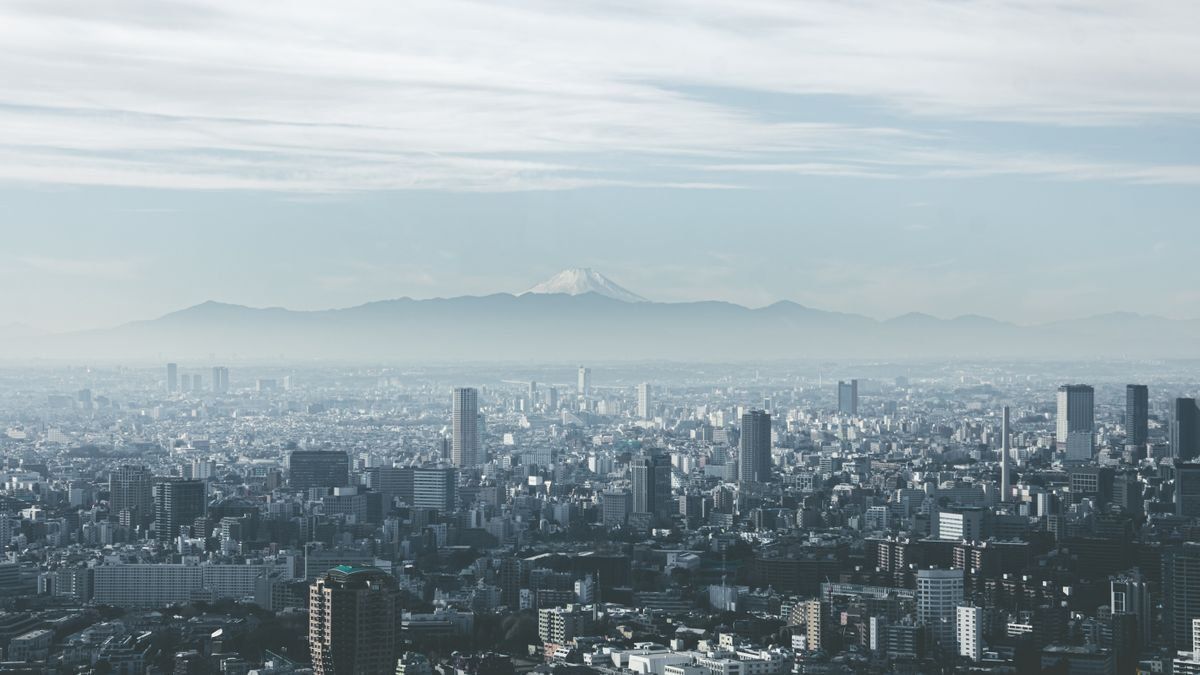
Shibuya Crossing is one of Tokyo’s signature sights, and it is worth seeing both from street level and from above. Add Shibuya Sky for panoramic views that help you understand the scale of the city in one dramatic sweep.
At the crossing, you will join a synchronized river of people somehow moving in every direction without a single dramatic collision. It feels like urban choreography, with better sneakers. Then head up to Shibuya Sky, where Tokyo stretches out so far you may start questioning whether the city has an end at all.
Senso-ji and Asakusa
Senso-ji Temple in Asakusa is Tokyo’s oldest temple and one of its most atmospheric places to visit. The approach through Nakamise Street combines spirituality, street snacks, souvenirs, and people-watching in one compact, easy-to-navigate area.
This is where Tokyo shows off its traditional side without being stuffy about it. One minute you are admiring the giant lantern at Kaminarimon Gate, the next you are holding a bag of crackers and wondering if buying five fans and a lucky charm counts as cultural immersion. It does. Probably.
Meiji Shrine and Yoyogi Park
Meiji Shrine offers a calm, wooded escape near the buzz of Harajuku and Shibuya. Combined with a stroll through Yoyogi Park, it creates one of the easiest and most rewarding contrasts in central Tokyo.
The transition here is almost comical. One moment: traffic, fashion, and teenagers dressed like future pop stars. Five minutes later: towering trees, gravel paths, and a silence that makes you instinctively lower your voice. Tokyo loves this kind of plot twist.
Neighborhoods that show Tokyo’s personality
Tokyo is best understood district by district. Each neighborhood has a distinct rhythm, look, and mood, so choosing where to wander matters as much as choosing major attractions. A well-rounded trip includes both famous areas and quieter local pockets.
Shinjuku after dark
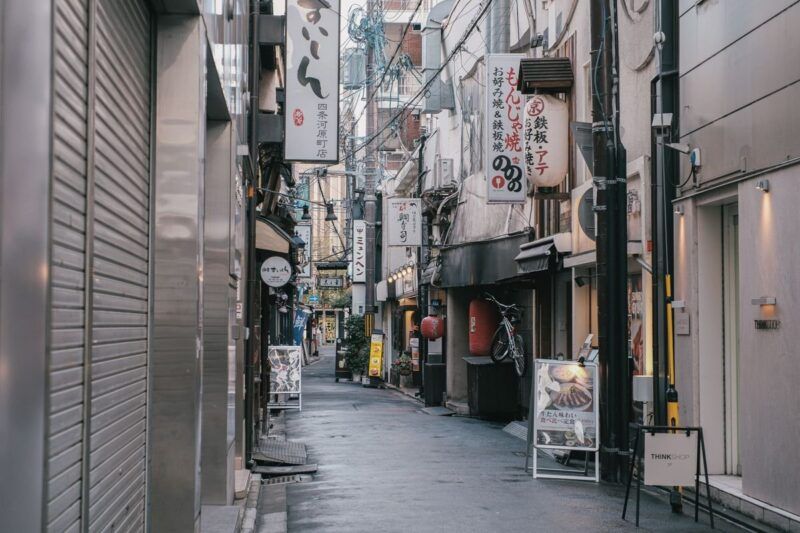
Shinjuku is ideal for nightlife, city energy, and cinematic Tokyo moments. Explore the skyscraper district by day, then return for Omoide Yokocho, Golden Gai, and the electric atmosphere around Kabukicho in the evening.
This is the Tokyo of neon signs, tiny bars, impossible train stations, and “I’ll just have one drink” lies. Golden Gai is packed with miniature bars full of character, while Omoide Yokocho feels smoky, nostalgic, and deliciously cramped in the best possible way.
Harajuku and Omotesando
Harajuku is the city’s most playful fashion district, while Omotesando feels more refined and design-forward. Visiting both in the same outing gives you a layered look at Tokyo style, from bold streetwear to sleek architecture and upscale shopping.
Takeshita Street is energetic, loud, and occasionally gloriously unhinged. Around the corner, Omotesando smooths everything out with elegant storefronts, tree-lined avenues, and enough stylish cafes to make you briefly consider becoming a minimalist with expensive taste.
Yanaka, old Tokyo at walking pace
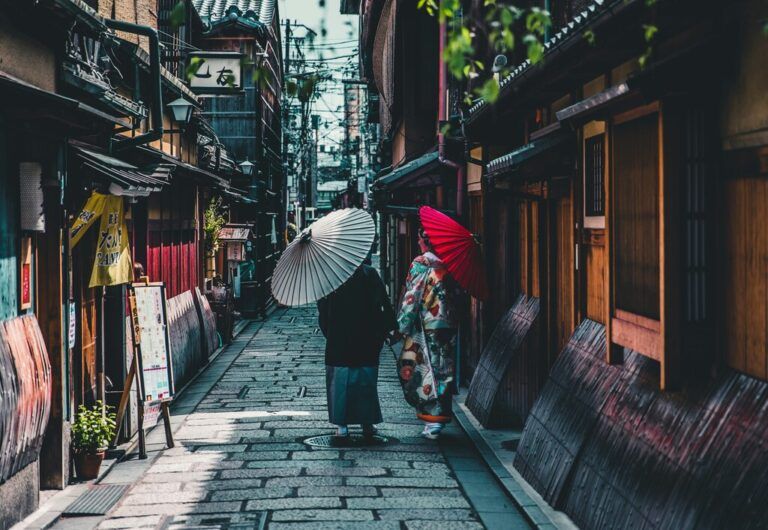
Yanaka is one of the few areas of Tokyo that survived the World War II bombings intact. A walk here reveals a slower, more intimate side of the city, with temples, old houses, local shops, and a sense of continuity that feels rare in modern Tokyo.
If central Tokyo is an espresso shot, Yanaka is green tea. The pace softens, the streets narrow, and the city suddenly feels deeply lived-in rather than performed. It is perfect for travelers who want to trade giant screens for small details and wander without agenda.
Akihabara for anime, gaming, and pop culture
Akihabara is the center of Tokyo’s electronics, gaming, anime, and otaku culture. Even if you are not deeply into collectibles or arcades, it remains an entertaining district that shows a highly specific and influential side of urban Japan.
You may arrive curious and leave holding a capsule toy, a retro game, and three questions about humanity. That is normal. Akihabara is sensory overload with fluorescent lighting, stacked storefronts, and enough themed everything to keep you amused for hours.
Best food experiences in Tokyo
Food is one of the strongest reasons to visit Tokyo. You do not need a luxury budget to eat well here, but you do need curiosity. Mix markets, local counters, izakaya alleys, and neighborhood cafes to understand the city beyond sightseeing.
Tsukiji Outer Market
Tsukiji Outer Market remains a strong stop for seafood, street snacks, and food-focused browsing. While the inner wholesale market moved to Toyosu, Tsukiji still offers a lively and accessible taste of Tokyo’s culinary culture.
Go hungry and accept that “just one bite” is fiction. Fresh sushi, grilled seafood, tamagoyaki, strawberries, tea, skewers: Tsukiji is dangerous in the best way. Your camera will also eat first, but your stomach should not have to wait long.
Izakaya alleys and ramen counters
For a more local feel, spend one evening in an izakaya alley and another at a simple ramen counter. These experiences are often more memorable than formal dining because they reveal how Tokyo actually eats after work and late at night.
There is something oddly satisfying about ordering from a vending machine, sliding into a ramen seat, and receiving a perfect bowl in minutes. Meanwhile, izakaya dining is all about small plates, drinks, chatter, and the noble travel tradition of accidentally ordering too much.
Indoor experiences and rainy-day plans
Tokyo has excellent indoor attractions, making it a strong destination in any season. Museums, immersive art spaces, observation decks, and department stores can easily fill a wet or very hot day without making the itinerary feel like a compromise.
teamLab Borderless is one of the city’s standout immersive experiences, blending digital art, movement, and light. For more classic culture, Ueno offers major museums and parkland. Department stores in Ginza, Shinjuku, and Nihonbashi also double as urban exploration zones with excellent food halls.
Are 3 days enough in Tokyo?
Three days are enough to see Tokyo’s highlights, but not enough to experience its full range. A short stay works best when focused on a few districts per day, rather than trying to cross the city constantly and collect attractions like stamps.
A practical three-day structure could look like this:
- Day 1: Shibuya, Harajuku, Meiji Shrine, Shinjuku
- Day 2: Asakusa, Senso-ji, Tokyo Skytree, Ueno or Akihabara
- Day 3: Tsukiji, Ginza, teamLab Borderless, Yanaka or a sunset viewpoint
If you have more time, add neighborhoods like Nakameguro, Shimokitazawa, or a day trip to Kamakura, Hakone, or Nikko.
Is $5000 enough for a week in Japan?
For most travelers, a budget of $5000 for one week in Japan is enough for a comfortable trip, especially if Tokyo is the main base. Actual costs depend on flights, accommodation style, season, and how enthusiastically you attack the snack aisle.
| Expense | Budget range for 1 week | Notes |
|---|---|---|
| Flights | $700–$1800 | Highly variable by departure city and season |
| Hotel in Tokyo | $500–$1800 | Business hotels are often great value |
| Food | $250–$700 | You can eat very well without overspending |
| Transport | $80–$250 | Local trains are efficient and manageable |
| Attractions and shopping | $300–$1200+ | This is where budgets can suddenly become optimistic |
In short, yes: $5000 is generally enough, and for many travelers it is more than enough, unless luxury hotels and suitcase-expanding shopping sessions are part of the plan.
When to avoid visiting Tokyo
Tokyo is a year-round destination, but some periods are less convenient due to weather, crowds, or higher prices. The least comfortable times are usually the rainy season in June, the hottest and most humid weeks of July and August, and major holiday peaks.
If you are planning around 2026, also watch for national holidays such as Golden Week, Obon, and the New Year period. During these windows, domestic travel surges, hotels fill quickly, and popular spots feel especially packed. Spring and autumn are usually the easiest sweet spots for weather and atmosphere.
How to choose the right Tokyo experience
The best itinerary depends less on a master checklist and more on your travel style. Tokyo can be cultural, quirky, luxurious, budget-friendly, food-focused, or all of the above in the same day if you plan your neighborhoods well.
| If you like… | Go here | Why it works |
|---|---|---|
| Traditional culture | Asakusa, Yanaka, Meiji Shrine | Historic atmosphere and slower pacing |
| Nightlife | Shinjuku, Shibuya | Bars, lights, late dining, endless energy |
| Fashion and design | Harajuku, Omotesando, Ginza | Street trends, architecture, shopping |
| Anime and gaming | Akihabara, Ikebukuro | Arcades, fandom culture, specialty stores |
| Food-first travel | Tsukiji, Omoide Yokocho, local station areas | Street bites, izakaya, quick classics |
Your Tokyo trip starts with curiosity
Tokyo is most rewarding when you leave room for surprise. See the icons, absolutely, but also walk one street farther, step into the tiny cafe, linger in the neighborhood shrine, and give yourself time to notice the details that do not make the postcards.
And if you want to experience Japan with like-minded travelers, take a look at the WeRoad group trips to Tokyo and Japan for a fun way to discover the city beyond the usual checklist.
FAQ
- What is the number one thing to do in Tokyo for first-time visitors?
-
For many first-time visitors, the best starting point is combining Shibuya Crossing with Shibuya Sky. It captures Tokyo’s scale, energy, and visual identity in a single area, and it pairs well with nearby Harajuku and Meiji Shrine.
- How many days should I spend in Tokyo?
-
Plan at least 3 to 5 days in Tokyo. Three days cover the main highlights, while five days allow for a more relaxed pace, extra neighborhoods, better food exploration, and one or two less obvious areas such as Yanaka or Nakameguro.
- Is Tokyo expensive for tourists?
-
Tokyo can be expensive, but it does not have to be. Accommodation is usually the biggest cost, while food and transport can be very reasonable. You can eat extremely well at casual restaurants and move around efficiently by train without overspending.
- What area is best to stay in Tokyo for sightseeing?
-
Shinjuku, Shibuya, and Tokyo Station are strong bases for sightseeing because they are well connected. Asakusa is a good choice if you prefer a more traditional atmosphere and slightly slower evenings.
- What should I do in Tokyo if it rains?
-
On rainy days, visit teamLab Borderless, museums in Ueno, major department stores, indoor food halls, or observation decks. Tokyo is exceptionally well set up for indoor exploration, so bad weather rarely ruins the trip.