In a nutshell
- The Azores are worth visiting for their rare combination of volcanic landscapes, thermal pools, marine wildlife, scenic drives, and a slower travel rhythm that feels authentic rather than overbuilt.
- The most iconic experiences include seeing Sete Cidades, relaxing in Furnas hot springs, joining a whale watching tour, hiking to crater lakes and waterfalls, and tasting local food such as cozido, cheese, tea, and pineapple products.
- São Miguel is the best first island because it offers the widest range of highlights in one place, while Pico, Faial, Terceira, and São Jorge are excellent for deeper exploration, hiking, volcanic scenery, and culture.
- Trip length matters: 5 to 7 days works well for one island, while 8 to 14 days allows a more relaxed multi-island itinerary without spending your holiday constantly in transit.
- Practical planning is essential, especially booking a rental car, preparing for fast-changing weather, and keeping some flexibility in the itinerary because Atlantic conditions can affect viewpoints, swims, and boat tours.
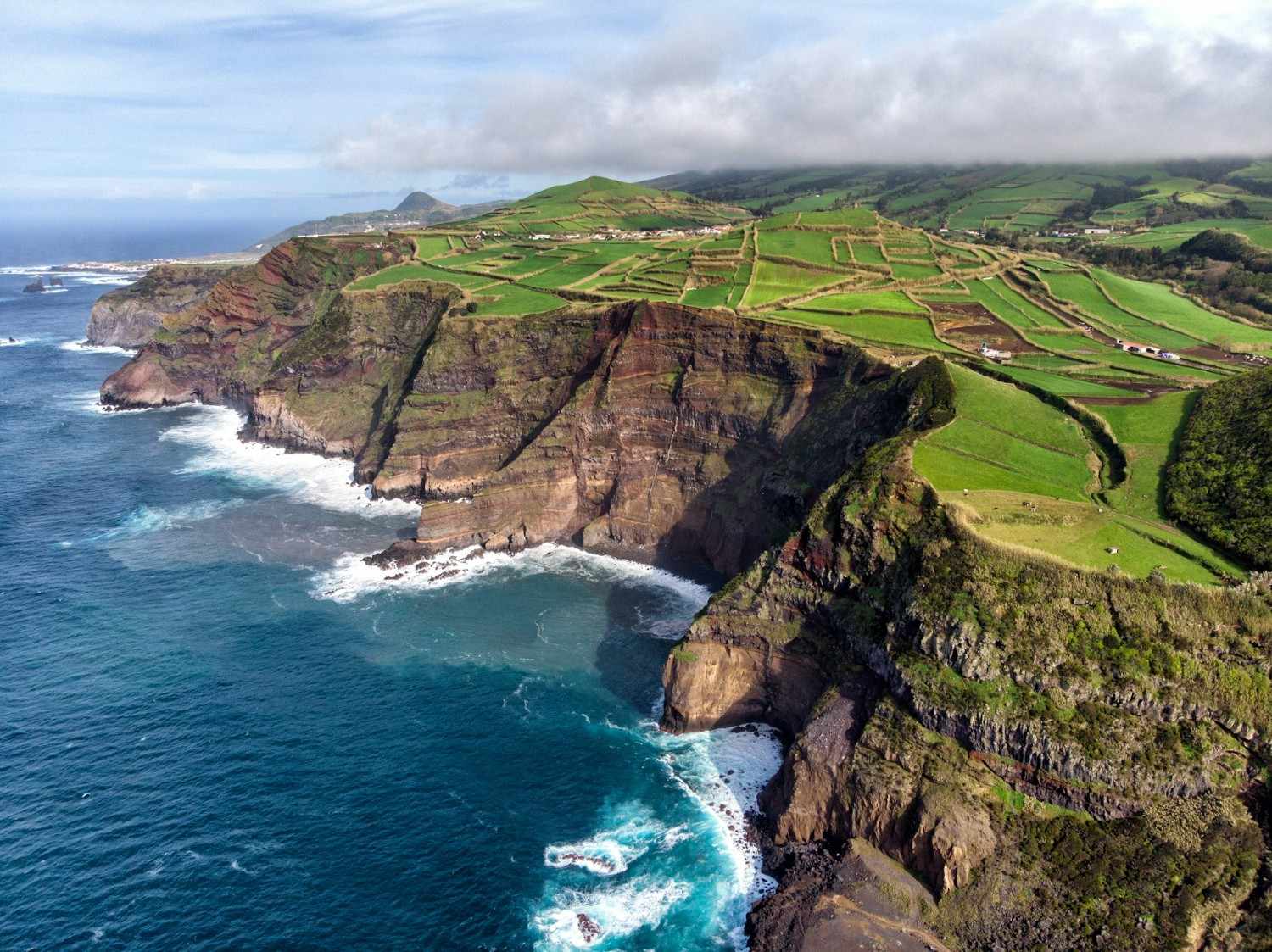
The Azores are one of those places that make you question why you ever accepted overcrowded beaches and sad hotel breakfasts as “vacation.” This volcanic Portuguese archipelago in the Atlantic serves up crater lakes, black-sand beaches, thermal pools, whale watching, and hiking trails that look suspiciously like desktop wallpapers. If you are wondering what to do in Azores, the short answer is: a lot, and most of it is wildly scenic.
Spread across nine islands, the Azores offer different experiences depending on your travel style. Some travelers focus on São Miguel for a first trip, while others island-hop to add Pico, Faial, or Terceira. The beauty of the destination is that it works equally well for outdoor lovers, foodies, slow travelers, and anyone whose dream holiday includes soaking in naturally hot water while pretending they are now a geothermal philosopher.
Why the Azores are worth visiting
The Azores are worth visiting for their rare mix of dramatic nature, mild climate, outdoor adventure, and relatively low crowd levels compared with many European island destinations. You can hike volcanic landscapes in the morning, swim in thermal waters in the afternoon, and eat excellent local food by the sea in the evening.
What makes the islands special is their variety. You get lush green hills, ocean cliffs, tea plantations, lava caves, and marine wildlife in one destination. They are also well known for being a strong choice if you like nature without needing an expedition budget or a sherpa named Rui.
- Volcanic scenery with crater lakes and calderas
- Thermal experiences in hot springs and geothermal pools
- Whale and dolphin watching in the Atlantic
- Great hiking for different skill levels
- Distinct islands with different landscapes and personalities
What not to miss in the Azores

The essential Azores experiences include visiting Sete Cidades, soaking in the hot springs of Furnas, going whale watching, exploring scenic viewpoints, and trying local food shaped by the islands’ volcanic landscape and Atlantic setting. These are the highlights that define a first trip.
If your time is limited, prioritize experiences that feel uniquely Azorean rather than trying to tick every viewpoint on the map. Yes, the miradouros are gorgeous. No, you do not need to stop at all seventeen in one day unless your hobby is aggressively chasing fog.
Sete Cidades and the iconic crater lakes
Sete Cidades is one of the Azores’ signature landscapes, with twin lakes inside a vast volcanic crater and viewpoints offering some of the best panoramas in the archipelago. It is an unmissable stop on São Miguel and one of the top reasons many travelers choose the island first.
The most famous views come from Miradouro da Vista do Rei and Miradouro da Boca do Inferno. On a clear day, the scenery is jaw-dropping. On a foggy day, congratulations, you’ve discovered the Azorean version of abstract art.
Furnas hot springs and geothermal culture
Furnas is the best place to experience the geothermal side of the Azores, with thermal baths, fumaroles, steaming ground, and the famous volcanic-cooked stew known as cozido. It combines nature, local tradition, and relaxation in one compact area.
Soak at Terra Nostra Park or Poça da Dona Beija, then visit the geothermal fields around Lagoa das Furnas. The sulfur smell is part of the package. Think of it as nature’s way of reminding you that the island is very much alive.
Whale watching in the Atlantic
The Azores are among the best places in Europe for spotting whales and dolphins thanks to deep ocean waters and rich marine biodiversity. Boat tours operate from several islands, and sightings can include sperm whales, blue whales, and multiple dolphin species depending on the season.
This is one of the activities the Azores are best known for, and with good reason. Few things beat seeing dolphins arc beside the boat while everyone onboard suddenly becomes a wildlife documentary narrator.
Best islands to choose for your trip
The best island depends on how much time you have and what kind of trip you want. São Miguel is the easiest all-rounder, while Pico, Faial, and Terceira are excellent additions for hiking, culture, and island-hopping variety.
If it is your first visit, focusing on one or two islands is usually smarter than trying to conquer the whole archipelago in a heroic but logistically chaotic blur.
| Island | Best for | Main highlights | Ideal stay |
|---|---|---|---|
| São Miguel | First-time visitors | Sete Cidades, Furnas, tea plantations, beaches | 4-6 days |
| Pico | Adventure and wine | Mount Pico, vineyards, lava landscapes | 2-4 days |
| Faial | Volcanic scenery | Capelinhos Volcano, Caldeira, marina atmosphere | 2-3 days |
| Terceira | Culture and caves | Angra do Heroísmo, Algar do Carvão, viewpoints | 2-4 days |
| São Jorge | Trails and fajãs | Cliffside landscapes, hiking, local cheese | 2-3 days |
Top things to do in the Azores
The best things to do in the Azores revolve around nature, active exploration, and local food traditions. A balanced trip usually includes scenic drives, short hikes, thermal pools, one marine excursion, and enough time to enjoy the islands without turning your vacation into a stopwatch competition.
Hike volcanic trails
Hiking is one of the top Azores activities, with trails crossing crater rims, forests, waterfalls, and coastal cliffs. Some of the best-known hikes are around Lagoa do Fogo, Salto do Prego, and Mount Pico for experienced hikers.
Even easy trails often deliver huge views, which is very rude to expensive mountain destinations elsewhere.
Swim in thermal pools
Thermal bathing is a classic Azores experience, especially on São Miguel. The islands’ geothermal activity creates warm mineral waters that are ideal for relaxing after a day outdoors. Some pools are in lush gardens, others feel more wild and natural.
Bring dark swimwear if you visit iron-rich pools like Terra Nostra, unless you want your pale beige swimsuit to come home looking like it has lived several dramatic lives.
Visit tea and pineapple plantations
The Azores have unique agricultural attractions, including Europe’s tea plantations and famous greenhouse-grown pineapples. These stops are easy to include on a road trip and add cultural context to the islands’ fertile volcanic landscape.
Chá Gorreana is the classic tea stop on São Miguel, while pineapple plantations near Ponta Delgada offer a fun and tasty break. Yes, pineapple liqueur is a thing. Yes, that information improves the itinerary.
Explore natural pools and black-sand beaches
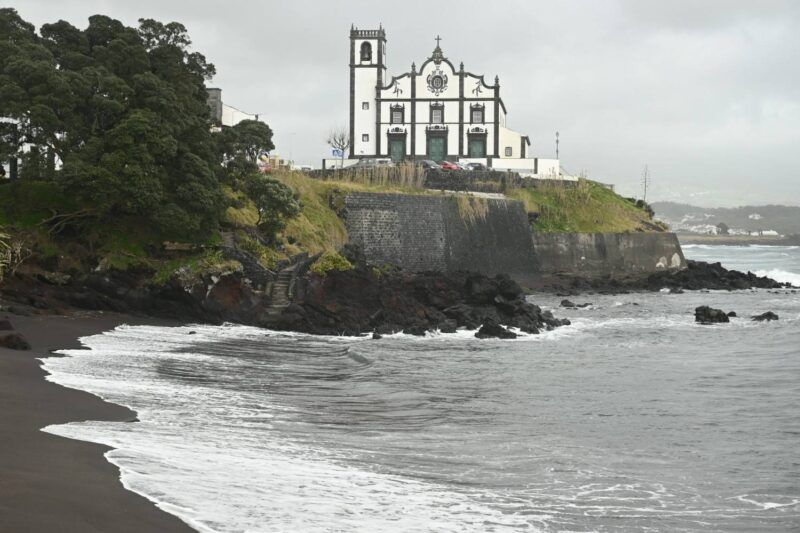
The Azores offer swimming spots that feel far more dramatic than your average beach destination. Expect lava rock pools, black sand, rugged coves, and clear Atlantic water. Conditions vary, so checking the sea and weather is essential before swimming.
Good options include Ponta da Ferraria, Mosteiros, and coastal natural pools on several islands. Some are calm and spa-like, others feel like the ocean has personally challenged you to be brave.
Taste local food
Azorean cuisine is simple, local, and satisfying, with strong ties to the land and sea. The islands are known for fresh fish, local cheeses, pineapple, tea, and cozido cooked by volcanic heat.
Try these specialties during your trip:
- Cozido das Furnas
- São Jorge cheese
- Fresh tuna and limpets
- Pico wine
- Azorean pineapple desserts and drinks
How many days do you need for the Azores?
For a first trip, you need at least 5 to 7 days in the Azores to explore one island properly or combine two nearby islands without rushing. If you want to island-hop more broadly, plan 10 to 14 days for a more comfortable pace.
alone can easily fill five days. Add Pico and Faial for a great 8-10 day itinerary, or include Terceira if you have closer to two weeks. The main mistake is underestimating transfer times and overestimating your enthusiasm for packing and unpacking every 36 hours.
- 3-4 days: Best for a quick São Miguel highlights trip
- 5-7 days: Ideal for one island in depth or two islands lightly
- 8-10 days: Great for São Miguel plus Pico/Faial
- 10-14 days: Best for a broader multi-island itinerary
Practical tips for planning your Azores trip
The Azores are easy to enjoy with some advance planning, especially for transport, weather, and seasonality. Renting a car is usually the best option on larger islands, and flexible expectations help because conditions can change quickly.
In other words, plan well, but do not attempt to outsmart Atlantic island weather. It will win. Politely, but decisively.
When to go
The best time to visit the Azores is generally from May to October, when days are longer and outdoor activities are easier to organize. Summer brings the warmest weather, while spring offers greener landscapes and blooming hydrangeas.
Getting around
A rental car is highly recommended on islands like São Miguel and Terceira. Public transport is limited for sightseeing, and many of the best viewpoints and trailheads are easier to reach independently.
What to pack
Pack layers, waterproof clothing, solid walking shoes, and swimwear. Even in summer, the weather can shift fast between sunshine, mist, wind, and rain. The Azores love a plot twist.
Final thoughts on what to do in the Azores
The best way to experience the Azores is to mix iconic sights with slower moments: a crater-lake viewpoint, a warm soak, a scenic drive, a seafood dinner, and maybe one unexpectedly emotional encounter with a cow-filled hillside. The islands reward curiosity more than checklist travel.
If you want a destination with real variety, striking nature, and a sense of space that is getting harder to find in Europe, the Azores more than deliver. And if you’d like to experience them with like-minded travelers, discover the WeRoad group trips to the Azores and start planning your Atlantic adventure.
FAQ
- Is Azores worth visiting?
-
Yes, the Azores are absolutely worth visiting if you enjoy nature, road trips, outdoor activities, and destinations that still feel relatively uncrowded. The islands offer a unique mix of volcanic scenery, hot springs, marine life, and local culture within easy reach of Europe and the U.S. East Coast.
- What are the Azores best known for?
-
The Azores are best known for their crater lakes, thermal hot springs, whale watching, lush volcanic landscapes, and islands like São Miguel and Pico. They are also known for local products such as tea, cheese, wine, and pineapples.
- Do I need a car in the Azores?
-
In most cases, yes. A rental car is the easiest way to explore islands like São Miguel, Terceira, and Pico, especially if you want to reach viewpoints, beaches, and trailheads on your own schedule. Organized tours can work, but they give you less flexibility.
- Which Azores island is best for first-time visitors?
-
São Miguel is generally the best island for first-time visitors because it combines the Azores’ most famous experiences in one place: crater lakes, hot springs, tea plantations, beaches, scenic drives, and easy logistics.
- Can you visit the Azores without island hopping?
-
Yes, definitely. Many travelers visit only São Miguel on a first trip and still enjoy a full, varied itinerary. Island hopping is rewarding if you have more time, but it is not essential for a memorable Azores experience.