In a nutshell
- Beijing combines imperial history and modern urban life, making it ideal for travelers who want both world-famous landmarks and authentic local atmosphere in one destination.
- The essential sights are the Forbidden City, Tiananmen Square, the Temple of Heaven, the Summer Palace, and the Great Wall, with Mutianyu often being the best all-around section for first-time visitors.
- Hutongs, parks, and the Lama Temple reveal a more intimate side of the city, where daily routines, spiritual traditions, and old Beijing’s character are still visible.
- Food is a major part of the experience, especially Peking duck, dumplings, hotpot, and simple local eateries that offer more authenticity than overly touristy snack streets.
- Three to five days is the ideal length for a first trip, and practical planning around transport, tickets, passport checks, and digital payments helps the visit run much more smoothly.
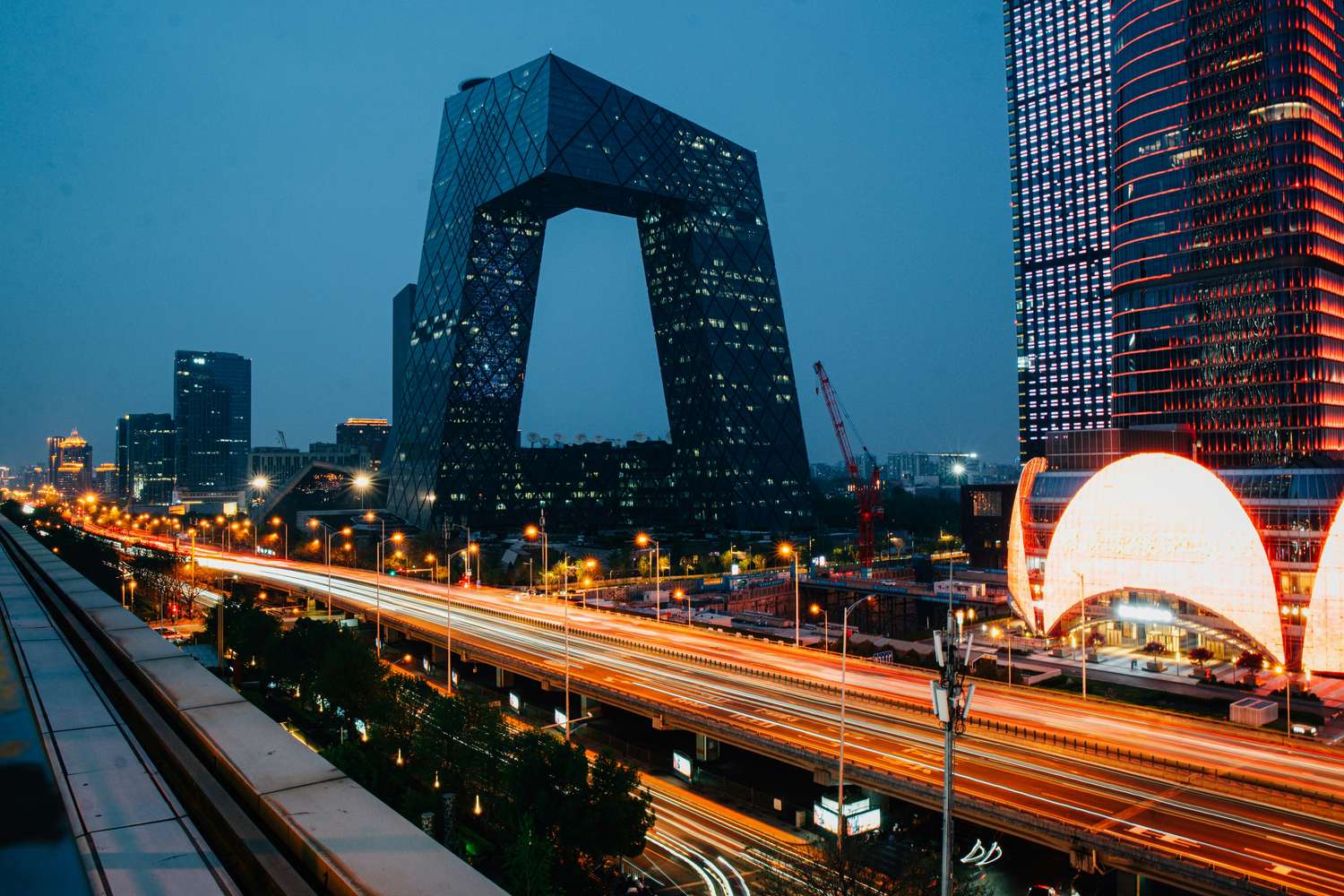
Beijing is one of those cities that doesn’t do anything halfway. It’s imperial and futuristic, chaotic and contemplative, packed with monumental landmarks and tiny alleyways where daily life unfolds at its own rhythm. If you’re wondering what to do and see in Beijing, the short answer is: a lot. The longer answer is this guide, built for first-timers who want the classics, the local flavor, and a few practical tips to avoid travel headaches.
From the Forbidden City to the Great Wall of China, from incense-filled temples to stylish art districts, Beijing rewards curiosity. One minute you’re standing where emperors ruled, the next you’re eating dumplings in a hutong and wondering if you should order another plate. Spoiler: yes, you should.
Why Beijing deserves a spot on your itinerary
Beijing is worth visiting because it combines iconic landmarks, deep history, great food, and neighborhoods that still feel lived-in rather than staged. It offers enough major attractions for several days, but its real strength is how grand imperial sites and everyday local life sit side by side.
China’s capital is not just a checklist destination. Yes, you’ll find globally famous places here, but the city also shines in quieter moments: morning tai chi in parks, teahouses, side streets lined with red lanterns, and the low-key magic of watching locals play cards under the trees.
- History: dynastic palaces, temples, and ceremonial grounds
- Culture: hutongs, opera, tea culture, and local cuisine
- Modern life: art zones, nightlife, shopping, and efficient transport
- Day trips: easy access to several sections of the Great Wall
Best things to see in Beijing
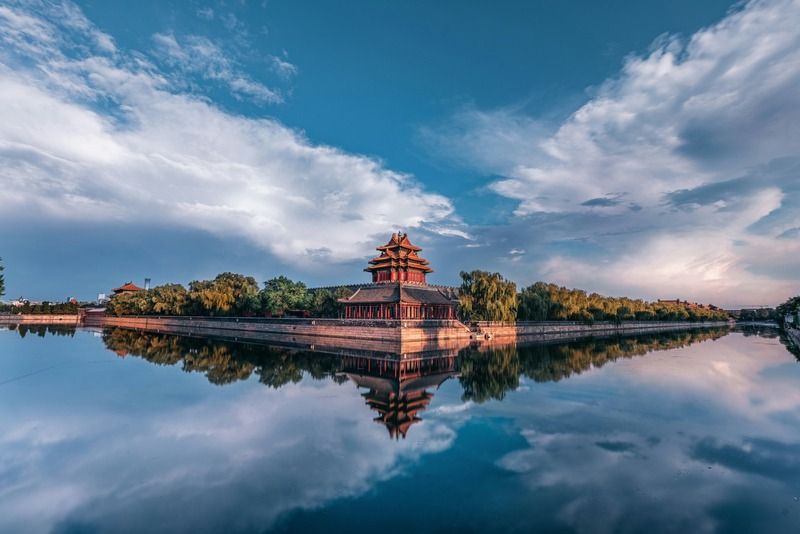
The best sights in Beijing include the Forbidden City, the Great Wall, the Temple of Heaven, the Summer Palace, and the traditional hutongs. These places offer the clearest introduction to the city’s imperial past, spiritual heritage, and everyday atmosphere, especially for first-time visitors.
The Forbidden City
The Forbidden City is Beijing’s most important historic site and one of the city’s essential visits. It gives you a direct look into imperial China through vast courtyards, ceremonial halls, and a scale that feels intentionally designed to make visitors feel tiny.
Located at the heart of the city, this vast palace complex served as the home of emperors for centuries. It is huge, so don’t expect a quick in-and-out visit. Give yourself at least half a day, wear comfortable shoes, and book tickets in advance when possible.
It can get crowded, very crowded. Not “oh, this café is busy” crowded, but “suddenly I understand the concept of human tide” crowded. Going early helps.
Tiananmen Square
Tiananmen Square is one of the world’s most famous public spaces and a major stop because of its political and historical significance. It is best visited together with the Forbidden City, since the two sites sit next to each other and shape central Beijing’s identity.
The square itself is immense and formal, framed by monumental buildings. It’s less about intricate beauty and more about understanding the scale and symbolism of modern Chinese history. Security checks are common, so bring your passport and allow extra time.
Temple of Heaven
The Temple of Heaven is one of Beijing’s most elegant landmarks and a great place to combine architecture with people-watching. It was once used by emperors for ritual ceremonies and remains one of the city’s most visually distinctive religious complexes.
The famous Hall of Prayer for Good Harvests is the star attraction, but don’t rush through the surrounding park. Locals gather here to dance, sing, exercise, and socialize. It’s one of the best places to see Beijing beyond monuments and into everyday life.
Summer Palace
The Summer Palace is the city’s grand escape into landscaped beauty, lakeside views, and imperial leisure. It is ideal if you want a slower sightseeing day, with a mix of gardens, pavilions, corridors, and open spaces that feel calmer than central Beijing.
This former royal retreat is large enough to fill half a day comfortably. Walk the Long Corridor, admire Kunming Lake, and take a boat ride if the weather cooperates. It’s the kind of place that makes you briefly believe you, too, deserve a palace by the water.
The Great Wall from Beijing
The Great Wall of China is the most famous day trip from Beijing and absolutely worth the effort. Different sections offer different experiences, from restored and easy-access stretches to wilder, more scenic areas with fewer people.
For most travelers, the main options are:
| Section | Best for | Atmosphere | Distance from Beijing |
|---|---|---|---|
| Mutianyu | First-timers, families | Restored, scenic, manageable | About 1.5-2 hours |
| Badaling | Easy logistics | Very popular, often crowded | About 1.5 hours |
| Jinshanling | Hikers, photographers | More rugged, less crowded | About 2.5-3 hours |
If you want convenience, choose Mutianyu. If you want bragging rights and dramatic views, Jinshanling is a strong pick. If you want to say “I saw the Great Wall” with minimum planning, Badaling exists… and so do many other tourists.
Where to feel the real Beijing
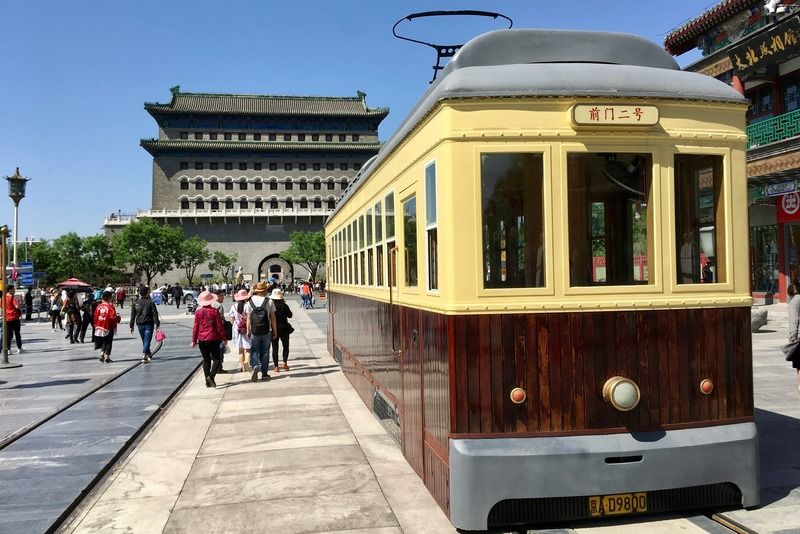
The best places to feel Beijing’s everyday character are the hutongs, local parks, and traditional temple areas. These parts of the city show a more intimate side of the capital and balance out the monumental feel of the main tourist attractions.
Hutongs and Nanluoguxiang
Hutongs are traditional alleyways lined with courtyard homes and small shops, and they remain one of the best ways to experience old Beijing. They offer a more human scale, with street food, boutiques, cafés, and glimpses of local routines.
Nanluoguxiang is the most famous hutong area, lively and easy to explore. It is touristy, yes, but still fun. Venture into the side lanes to find quieter corners, old architecture, and the sort of tiny shop where you absolutely do not need anything but suddenly want everything.
Jingshan Park and Beihai Park
Jingshan Park and Beihai Park are two of the best green spaces in central Beijing. They are ideal for slowing down, getting city views, and enjoying a less structured kind of sightseeing after heavier landmark-focused days.
Jingshan Park is especially popular for its panoramic view over the Forbidden City. Beihai Park, with its lake and pavilions, is a lovely place for a walk or boat ride. These are not “filler” attractions; they are where Beijing catches its breath.
Lama Temple
The Lama Temple, also known as Yonghe Temple, is one of Beijing’s most important Buddhist sites. It stands out for its Tibetan-style design, active worship atmosphere, and richly decorated halls full of color, incense, and ceremonial detail.
This is a place to move respectfully and slowly. Even if you’re not religious, the sensory experience makes a strong impression. And yes, you may end up taking fifty photos of roof details while pretending each one is artistically different.
Modern Beijing: art, shopping, and nightlife
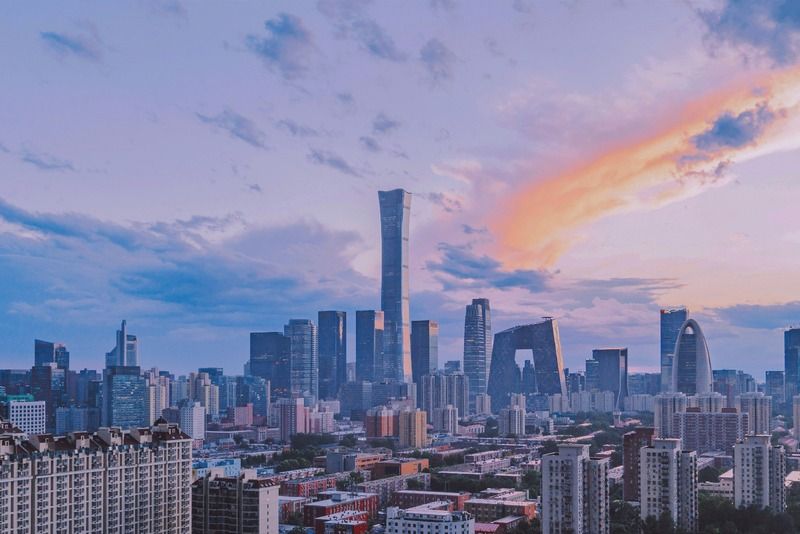
Modern Beijing adds contrast to the city’s imperial image through creative districts, contemporary retail areas, and lively evening spots. If you want to see how the capital evolves beyond ancient landmarks, these neighborhoods help complete the picture.
798 Art District
The 798 Art District is Beijing’s best-known contemporary art area and a smart addition if you want something different from palaces and temples. It blends galleries, design shops, cafés, and industrial architecture in a way that feels creative and current.
Even travelers who don’t usually chase modern art tend to enjoy it here. At minimum, it’s photogenic and full of visual surprises. At best, you’ll leave with a new favorite artist and a vague desire to start describing exposed pipes as “edgy.”
Wangfujing and Sanlitun
Wangfujing is central and convenient for shopping, while Sanlitun is better for a more modern, international feel. Together they show Beijing’s commercial side, from department stores and malls to restaurants, bars, and contemporary street style.
Wangfujing is good for a stroll and mainstream retail. Sanlitun is where you go for trendier energy, nightlife, and a break from historical sightseeing. If your itinerary needs one evening that involves cocktails instead of dynasties, this is your moment.
What to eat in Beijing
Beijing is a very rewarding city for food, especially if you try a mix of famous dishes and casual local spots. The essentials include Peking duck, dumplings, hotpot, and small hutong eateries where atmosphere matters almost as much as the menu.
Start with these classics:
- Peking duck: the city’s signature dish and a must-try
- Dumplings: boiled, fried, steamed, and always a good idea
- Hotpot: communal, warming, and excellent for groups
- Jianbing: a popular savory street breakfast
- Noodles and regional snacks: easy to find in local eateries
One useful tip: skip places that look designed only for shock-value snacks and giant tourist queues. A tiny restaurant with laminated menus and a busy local crowd is often where the magic happens.
How many days in Beijing is enough?
For most travelers, 3 to 5 days in Beijing is enough to see the main highlights without rushing too much. Three days cover the essentials, while five days let you add parks, art districts, and a more relaxed Great Wall day trip.
- Day 1: Tiananmen Square, Forbidden City, Jingshan Park
- Day 2: Temple of Heaven, hutongs, Lama Temple
- Day 3: Great Wall day trip
- Day 4: Summer Palace, Beihai Park
- Day 5: 798 Art District, shopping, food exploration
If you only have two days, focus on the Forbidden City, the Great Wall, and one temple or hutong area. It will be intense, but still memorable.
Practical tips before you go
Beijing is manageable for travelers, but a little preparation makes a big difference. Payment apps, transport planning, passport checks, and connectivity issues are the practical details most likely to affect your daily experience.
- Bring your passport: you may need it for hotels, attractions, and transport checks
- Use the subway: Beijing’s metro is extensive, affordable, and efficient
- Prepare payment options: mobile payments are widespread, though some places accept cards or cash
- Download useful apps: maps, translation tools, and ride-hailing apps help a lot
- Book major attractions in advance: especially the Forbidden City and Great Wall transport
- Wear comfortable shoes: Beijing sightseeing is basically a sport
And one last thing: don’t overpack your schedule. Beijing is better when you leave room for a detour, a park bench, an unplanned snack, or a random side street that turns out to be the highlight of your day.
Planning your Beijing adventure
Beijing works best when you combine its biggest landmarks with a few slower, local experiences. That balance helps you understand not only what the city looks like, but how it feels, which is often what stays with you longest after the trip ends.
If you’re building your China itinerary, Beijing is one of those places that genuinely earns the hype. Come for the icons, stay for the details, and leave with a camera roll full of roofs, walls, dumplings, and at least one photo where you’re heroically pretending not to be tired.
If you want to experience the destination with the right mix of discovery and good company, check out the WeRoad group trips to China.
FAQ
- What are the best things to see in Beijing?
-
The top sights are the Forbidden City, Tiananmen Square, the Great Wall of China, the Temple of Heaven, and the Summer Palace. To balance the trip, add hutongs, parks, and the Lama Temple for a more local and cultural perspective.
- What are two famous tourist attractions in Beijing?
-
Two of the most famous attractions are the Forbidden City and the Great Wall. They are the city’s most iconic landmarks and usually the main reasons travelers include Beijing in a China itinerary.
- How many days in Beijing is enough?
-
Three to five days is usually enough for a first visit. Three days cover the highlights, while five days allow a more relaxed pace and time for places like the Summer Palace, 798 Art District, and central parks.
- What's best to buy in China?
-
Popular items to buy include tea, silk products, ceramics, paper cut art, and small design pieces from local shops or art districts. In Beijing, hutong boutiques and 798 Art District are better choices than generic souvenir stalls.
- Is Beijing easy to visit for first-time travelers?
-
Yes, Beijing is very doable for first-time visitors, especially if you plan ahead. The metro is excellent, major sights are well known, and translation and map apps make moving around much easier than many travelers expect.