
In a nutshell
- Athens works best when you combine ancient icons with modern neighborhoods: the Acropolis, Acropolis Museum, and Ancient Agora are essential, but areas like Psiri, Plaka, and Monastiraki reveal the city’s living identity through food, markets, and street life.
- The Acropolis is the top priority, ideally visited early in the day to avoid heat and crowds, while the Acropolis Museum adds important context and makes the archaeological experience richer and easier to understand.
- Psiri stands out for its colorful streets and street art, offering a more creative and contemporary side of Athens, with bars, tavernas, murals, and an atmosphere that contrasts nicely with the monumental calm of the ancient sites.
- Three days in Athens is a strong minimum: it gives enough time to visit the major landmarks, enjoy panoramic spots like Mount Lycabettus or Philopappos Hill, and experience the city’s food culture without rushing every stop.
- Athens is walkable in its center but requires practical planning: good shoes, water, sun protection, and a flexible itinerary make a big difference, especially because hills, marble paths, and summer temperatures can be more demanding than they first appear.
Athens, Greece, is one of those cities that feels gloriously layered: a place where marble temples, busy markets, rooftop bars, and neighborhood tavernas all somehow share the same stage without arguing too much. If you are planning your itinerary and wondering about the best things to do in Athens, the answer is simple: mix the classics with the local side of the city.
You can spend the morning walking through ruins that shaped Western history, then follow it up with coffee in a creative district, sunset views from a hill, and dinner under the Acropolis. Athens is not a city to rush through on the way to the islands. It deserves time, comfy shoes, and a healthy respect for uphill walks that seem short on the map and absolutely are not.
What should you not miss in Athens?
The essential Athens experience includes the Acropolis, the Acropolis Museum, the historic neighborhoods below the sacred hill, and at least one modern local area such as Psiri. This combination gives you a fuller picture of the city, from antiquity to street art, food culture, and nightlife.
Start with the headline act: the Acropolis. Yes, it is famous. Yes, it is busy. Yes, it is still worth it. Standing near the Parthenon with the city spreading all around you is one of those travel moments that earns its hype fair and square. Go early to avoid both crowds and the midday sun, which in Athens can feel personally offended by your existence.
After the hill, head to the Acropolis Museum. It adds context, detail, and a welcome blast of air-conditioning. The museum helps you understand what you just saw, rather than simply nodding at ancient stones while pretending you know Doric from Ionic.
Top ancient sites to include in your itinerary
Athens is packed with archaeological landmarks, but a few stand out for first-time visitors. Focus on the sites that offer the strongest mix of history, atmosphere, and accessibility, so you can experience the city’s ancient identity without spending your whole trip reading plaques in the sun.
Acropolis and Parthenon
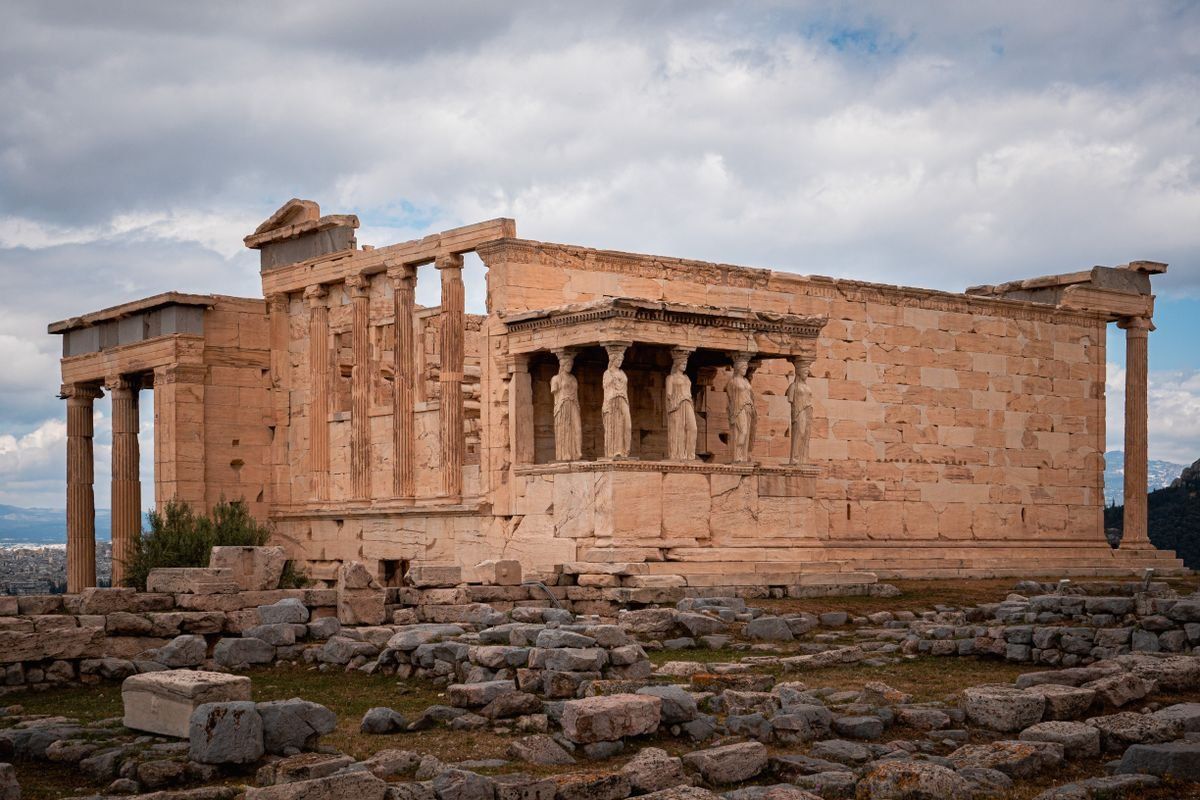
The Acropolis is the city’s defining monument and the top priority for most visitors. It brings together the Parthenon, the Erechtheion, and extraordinary views over Athens, making it both a historical site and a panoramic viewpoint.
Book ahead if possible and choose an early slot. The climb is manageable, but the paths can be slippery, so trainers or sturdy sandals are a better idea than fashion experiments. Ancient Greece gave the world philosophy; it did not give us non-slip marble.
Ancient Agora
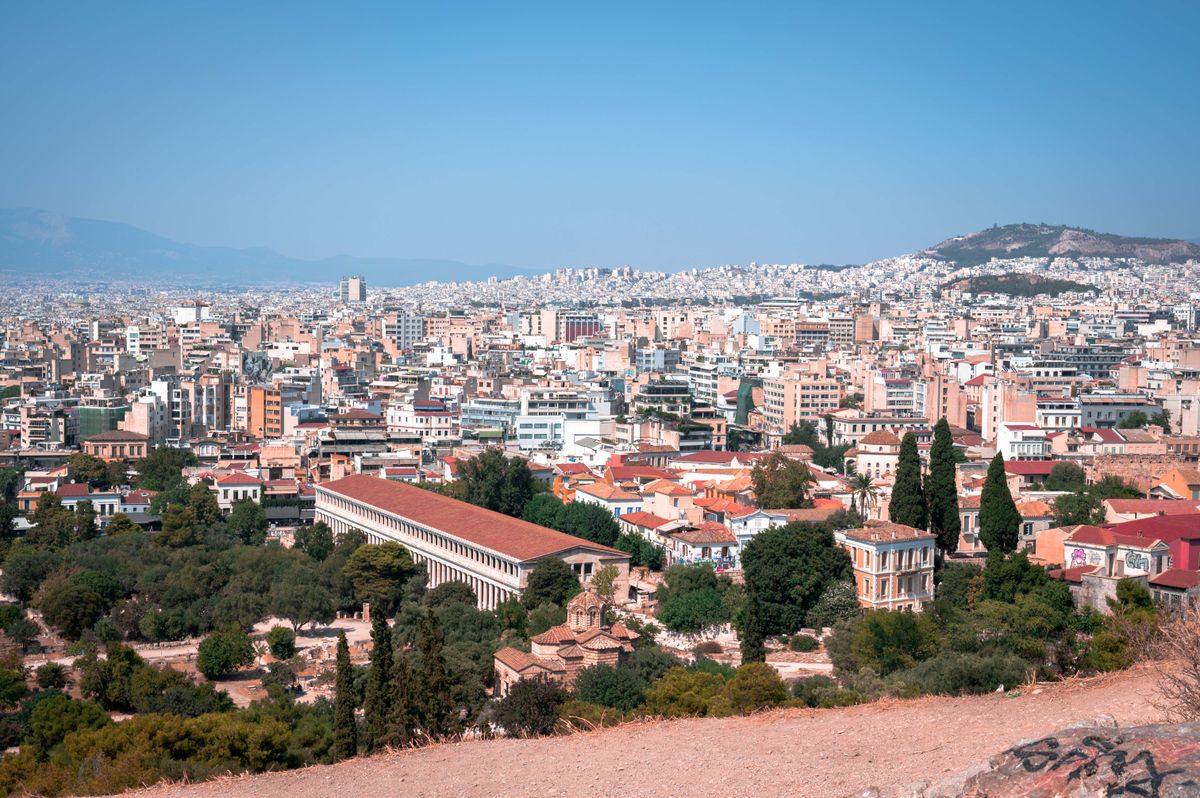
The Ancient Agora was once the heart of civic life in Athens. Today, it is one of the most rewarding ruins in the city thanks to its open layout, calmer atmosphere, and the remarkably preserved Temple of Hephaestus.
If the Acropolis feels dramatic and iconic, the Agora feels grounded and human. It is easier to imagine daily life here: debate, trade, politics, and ordinary people doing very un-ordinary historical things.
Temple of Olympian Zeus and Hadrian’s Arch
The Temple of Olympian Zeus is impressive for scale, even in its ruined state. Together with nearby Hadrian’s Arch, it makes a worthwhile stop between the main archaeological sites and the central neighborhoods.
You will not need hours here, but it helps connect the ancient landmarks across the city and gives you another angle on Athens’ Roman-era layers.
Neighborhoods that show the modern side of Athens
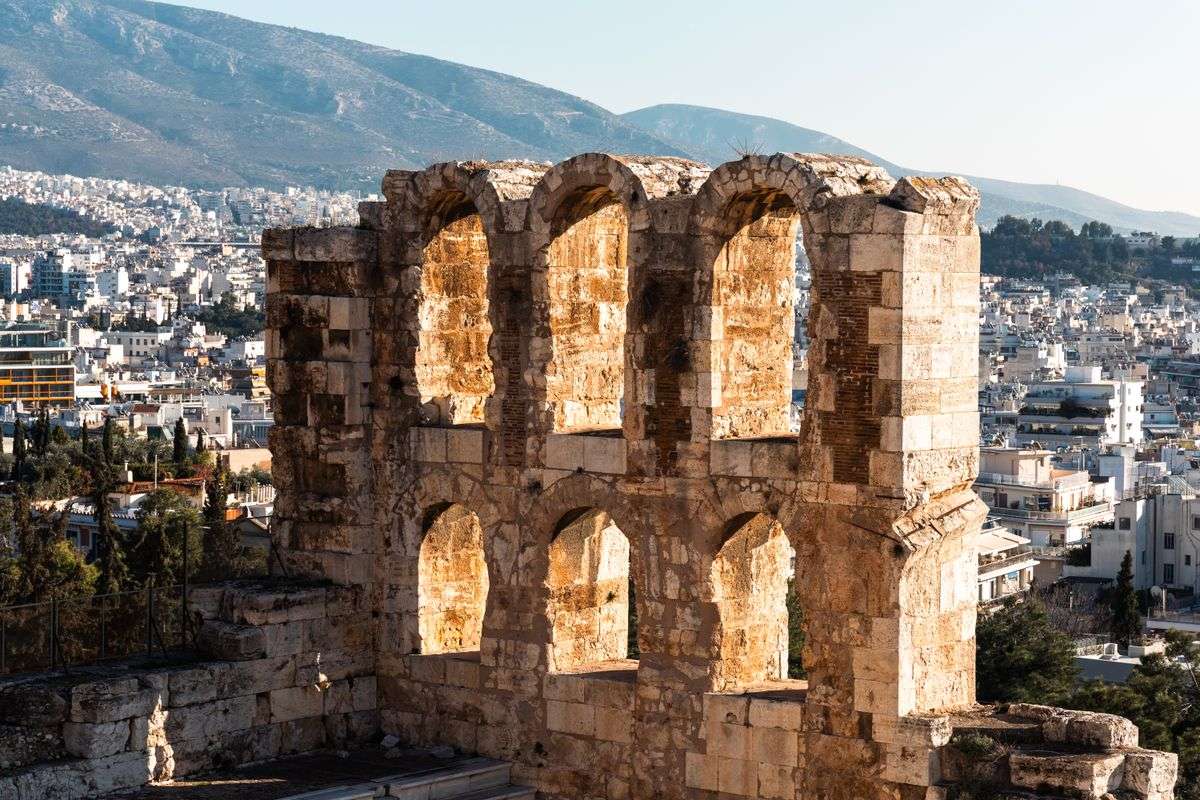
The best way to understand modern Athens is to leave the major ruins behind and walk through its neighborhoods. Areas like Plaka, Monastiraki, and Psiri reveal the city’s daily rhythm, architecture, street life, and changing identity.
Plaka and Anafiotika
Plaka is one of the oldest districts in Athens and an easy favorite for visitors thanks to its narrow lanes, neoclassical houses, and traditional atmosphere. Tucked into it, Anafiotika feels almost island-like, with whitewashed homes and quiet corners.
Plaka can be touristy, but it is still charming when explored slowly. Wander without over-planning. The magic is in the details: flower-covered steps, cats napping like they own the place, and little terraces where lunch quietly turns into late afternoon.
Monastiraki
Monastiraki combines historic landmarks, market energy, and central convenience. It is a great area for browsing, people-watching, and linking several attractions on foot, including flea markets, old mosques, and views toward the Acropolis.
This is where Athens gets buzzy. There are souvenir stalls, antique finds, snack stops, and enough visual chaos to keep things entertaining. If your ideal city break includes a little glorious mess, Monastiraki understands you.
Psiri
Psiri is one of the most characterful districts in Athens, known for its colorful streets, creative atmosphere, bars, tavernas, and strong street art scene. It offers a more contemporary contrast to the classical center while remaining easy to reach on foot.
This neighborhood deserves a proper stroll, especially in the late afternoon or evening. The walls are covered in murals and graffiti, many of them genuinely striking rather than random scribbles. Add lively squares, local dining spots, and a slightly rough-around-the-edges charm, and Psiri becomes one of the most memorable stops in the city.
Best views and outdoor experiences in Athens
Athens offers more than monuments. The city also rewards visitors with panoramic hills, green spaces, and rooftop perspectives that make sense of its vast urban sprawl. A few well-chosen outdoor stops can balance out museum visits and archaeological walks.
- Mount Lycabettus for sweeping city views and sunset photos
- Philopappos Hill for Acropolis views in a calmer setting
- National Garden for shade and a short break near Syntagma
- Rooftop bars for evening drinks with the Acropolis lit up
Mount Lycabettus is the big panoramic moment. You can walk up or take the funicular, depending on your mood and your relationship with steep inclines. At the top, the city stretches all the way to the sea on clear days.
Philopappos Hill is often the more relaxed alternative. It offers excellent views back toward the Acropolis and feels less crowded. If Lycabettus is the dramatic rooftop of Athens, Philopappos is the scenic balcony with better breathing room.
Food, culture, and everyday Athens
Athens is not only about sightseeing. Some of the most enjoyable experiences come from eating well, pausing for coffee, and dipping into local culture. Food markets, tavernas, and performance venues help bring the city’s modern identity into focus.
Visit the Varvakios Central Market if you want to see a more local, energetic side of Athens. It is busy, noisy, and full of produce, fish, meat, and everyday commerce. It is not polished, but it is real.
For meals, keep things simple and classic:
- Try souvlaki or gyros for a quick street-food staple.
- Order moussaka, grilled meats, or meze in a taverna.
- Do not skip Greek salad and good feta.
- Finish with loukoumades or a strong Greek coffee.
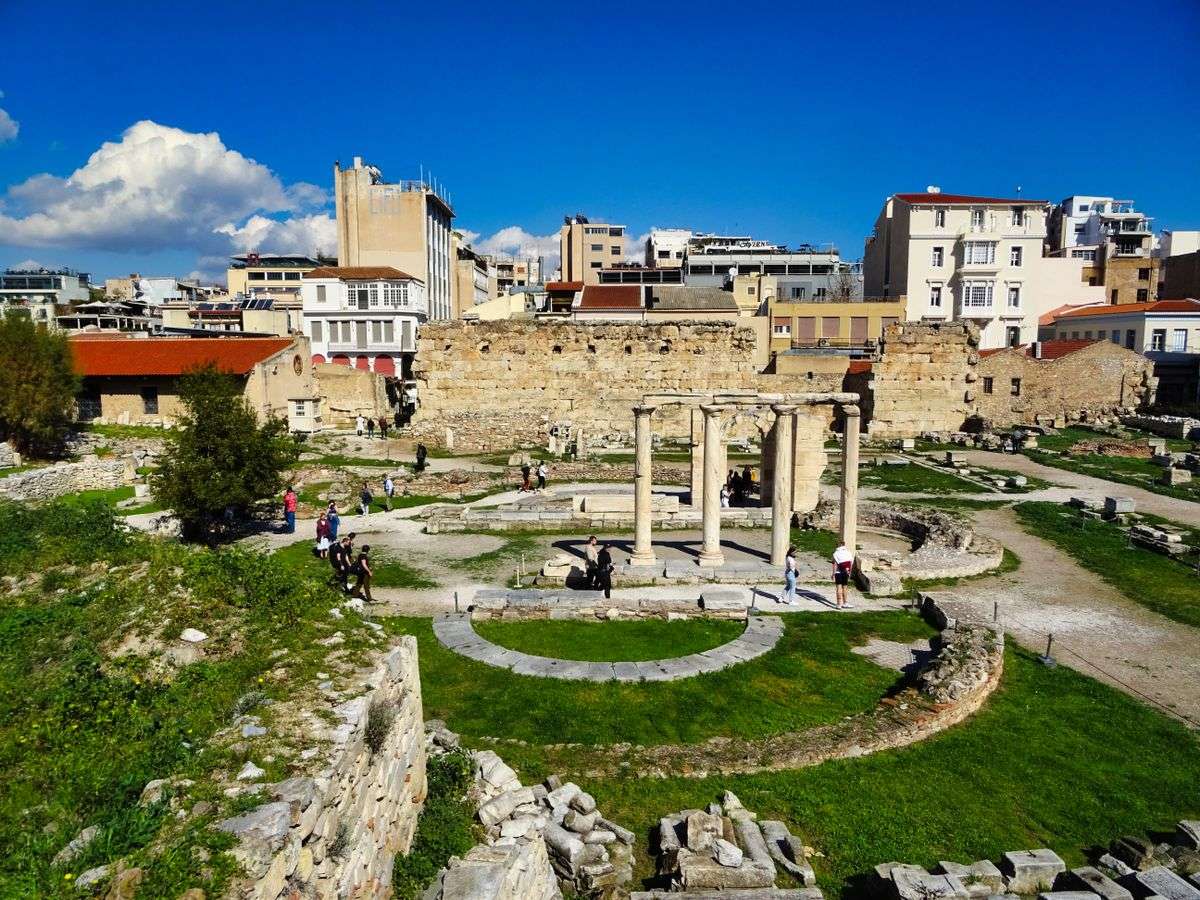
If your trip lines up with a performance at the Odeon of Herodes Atticus, grab the chance. Watching a concert or show in an ancient stone theater at the foot of the Acropolis is the sort of experience that makes your regular concert venue back home seem emotionally underachieving.
Is 3 days enough in Athens?
Yes, three days is enough to see the main highlights of Athens at a comfortable pace. It allows time for the major ancient sites, a few neighborhoods, good food, and at least one viewpoint, though a longer stay gives you more room to explore beyond the essentials.
| Duration | What you can cover | Pace |
|---|---|---|
| 1 day | Acropolis, Plaka, Monastiraki, rooftop dinner | Fast |
| 2 days | Add Acropolis Museum, Ancient Agora, Psiri | Balanced |
| 3 days | Add Lycabettus or Philopappos, market, more local food stops | Comfortable |
With three days, a smart plan could look like this:
- Day 1: Acropolis, Acropolis Museum, Plaka, Anafiotika
- Day 2: Ancient Agora, Monastiraki, Psiri, rooftop drinks
- Day 3: Lycabettus or Philopappos, National Garden, market, relaxed dinner
And if have more then three days to explore, discover our suggested 10 day Greece itineray
Do and don’ts for visiting Athens

Athens is generally easy to navigate, especially in central areas, but a few practical habits improve the experience. Plan around heat and crowds, stay aware in busy areas, and leave room for walking, since many of the top sights are best linked on foot.
- Do book major tickets in advance during high season.
- Do wear comfortable shoes with grip.
- Do carry water, sunscreen, and a hat in warmer months.
- Do use normal big-city awareness in crowded squares and transport hubs.
- Don’t expect to “do Athens” in a few rushed hours before a ferry.
- Don’t underestimate distances on hilly routes.
- Don’t schedule every minute; some of the city works best when you wander.
Is Athens a walkable city?
Yes, central Athens is very walkable for visitors, especially around the Acropolis, Plaka, Monastiraki, Syntagma, and Psiri. The main challenge is not distance but terrain, heat, and occasional uphill stretches, so timing and comfortable footwear matter.
Many of the city’s best-known attractions sit relatively close together, which makes Athens ideal for exploring on foot over several days. For longer distances, the metro is practical and easy to use, especially from the airport and between central hubs.
If you want a city that combines blockbuster history with messy charm, neighborhood character, and evenings that start with ruins and end with grilled halloumi, Athens delivers beautifully. And if you want to experience it with the right crew, discover WeRoad group tours to Greece and let Athens be part of a bigger adventure.
FAQ
- What is the best area to stay in Athens for first-time visitors?
-
Plaka, Monastiraki, and Syntagma are excellent choices for a first stay. They are central, well connected, and within walking distance of many of the main attractions.
- When is the best time to visit Athens?
-
Spring and fall are usually the best seasons for sightseeing thanks to milder temperatures and fewer crowds. Summer is lively but much hotter, especially around exposed archaeological sites.
- Should I buy Acropolis tickets in advance?
-
Yes, especially in peak season. Booking ahead helps secure your preferred time slot and reduces stress on the day of your visit.
- Can I explore Athens without using taxis?
-
Yes. Most central attractions can be reached on foot, and the metro is useful for airport transfers and longer city connections. Taxis are optional rather than necessary for most visitors.
- Is Psiri worth visiting during the day or only at night?
-
Both. During the day, Psiri is great for street art, coffee, and browsing the area at a slower pace. In the evening, it becomes livelier with dining and nightlife.