In a nutshell
- A well-balanced 10-day Greece trip works best with 2 or 3 bases only: this article recommends 3 nights in Athens, 4 nights in Santorini, and 2 to 3 nights on a third island to avoid wasting time in transit and keep the pace enjoyable.
- Athens deserves more than a quick stop: in three days you can cover the Acropolis, Acropolis Museum, Ancient Agora, Plaka, Monastiraki, and viewpoints like Lycabettus Hill, with the option of a Delphi day trip for travelers who want more archaeology.
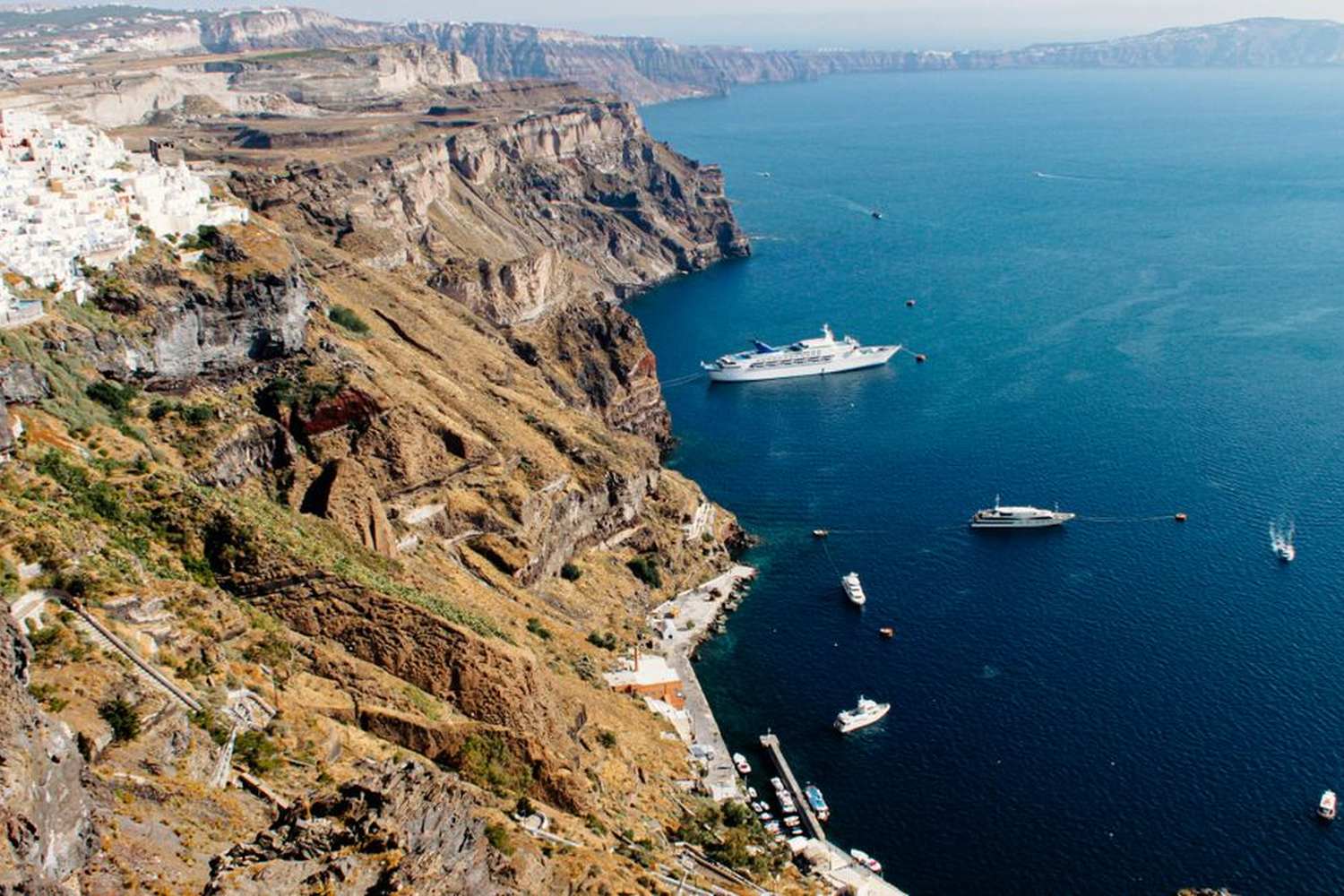
- Santorini is best with four days because it allows time for Oia, Fira, a caldera hike, a boat tour, and cultural stops such as Akrotiri or a winery, rather than reducing the island to a single sunset and a rushed photo stop.
- The third island should match your travel style: choose Paros for a polished but relaxed island atmosphere, Naxos for a more authentic and value-friendly experience with beaches and villages, or Mykonos if nightlife and beach clubs are a priority.
- The best travel months are May, June, September, and early October, when weather is warm and logistics are easier; to keep the itinerary smooth, mix ferries and flights, book transport early, pack light, and consider spending the final night in Athens before an international departure.
Planning a trip to Greece sounds dreamy until you realize there are ancient ruins, ferries, cliffside villages, beach towns, and roughly one million tempting detours competing for your calendar. If you want a route that feels iconic without becoming a suitcase-dragging marathon, this 10-day Greece itinerary balances culture, scenery, and just enough downtime to remember you are, in fact, on holiday.
This version is ideal for first-timers who want the big hitters: Athens for history and city energy, Santorini for dramatic views and sunset magic, plus one extra island to add beaches, local charm, or nightlife depending on your style. Think of it as Greece’s greatest hits album, but with better food and fewer bad tracks.
Why this 10-day Greece route works
This itinerary works because it limits excessive transfers and focuses on destinations that offer very different experiences. You get archaeological landmarks in Athens, volcanic caldera views in Santorini, and a third island that adds either relaxation or social energy. The pace is full but manageable for most travelers.
Ten days are enough to visit Greece well if you avoid trying to conquer half the Aegean in one go. The smartest approach is to choose 2 or 3 bases, stay at least two nights in each, and combine one mainland stop with island time. That way, you spend more hours exploring and fewer hours wondering which ferry queue is yours.
- Days 1-3: Athens
- Days 4-7: Santorini
- Days 8-10: one more island such as Paros, Naxos, or Mykonos
This route is also flexible. If you prefer history and slower travel, pick Naxos. If you want postcard harbors and beach clubs without Mykonos-level chaos, go for Paros. If your dream includes stylish cocktails and late nights, Mykonos is the obvious diva of the group.
Suggested Greece itinerary for 10 days
The best structure for a first trip is 3 nights in Athens, 4 nights in Santorini, and 2 to 3 nights on a third island. This reduces backtracking and gives you enough time to enjoy each stop instead of treating Greece like a speed-dating event.
| Day | Destination | Main focus |
|---|---|---|
| 1 | Athens | Arrival, Plaka, easy evening |
| 2 | Athens | Acropolis, Acropolis Museum, Monastiraki |
| 3 | Athens | Agora, Syntagma, optional sunset at Lycabettus |
| 4 | Santorini | Travel day, Fira stroll, caldera views |
| 5 | Santorini | Oia, cliff walks, sunset |
| 6 | Santorini | Boat tour, volcanic beaches, winery or Akrotiri |
| 7 | Santorini | Free day, pool, hike, village hopping |
| 8 | Paros/Naxos/Mykonos | Ferry, town walk, relaxed evening |
| 9 | Paros/Naxos/Mykonos | Beach day or island exploration |
| 10 | Athens or departure | Return for flight or onward travel |
Athens in 3 days
Three days in Athens are enough to see the essential ancient sites while still enjoying the city’s neighborhoods. Prioritize the Acropolis, the Acropolis Museum, and central districts like Plaka and Monastiraki. Athens is busy and imperfect, but that is part of its energy and appeal.
Day 1 is best kept light. After arriving, settle in and head to Plaka for your first wander. The lanes are lively, the tavernas are inviting, and even your jet lag may briefly step aside for grilled halloumi and a glass of wine. A miracle, really.
Day 2 should start early at the Acropolis. Go in the morning to avoid both heat and crowds. Add the Acropolis Museum afterward, then spend the afternoon in Monastiraki and Ancient Agora. If your feet are still on speaking terms with you, finish with dinner on a rooftop with Parthenon views.
Day 3 can be slower: watch the changing of the guard at Syntagma Square, browse local shops, visit the Roman Agora, or head up Lycabettus Hill for sunset. If you are a serious history fan, use this day for a half-day trip to Delphi. If not, sit in a café and order another coffee like you have nowhere to be. Very Greek, very chic.
Where to stay in Athens
The most convenient areas for first-time visitors are close to the historic center. Staying near the main sights reduces transport time and makes evening walks easier. Plaka, Monastiraki, and Koukaki are the strongest options for access and atmosphere.
- Plaka: charming, central, walkable
- Monastiraki: lively, practical, well connected
- Koukaki: more local feel, still close to the Acropolis
Santorini in 4 days
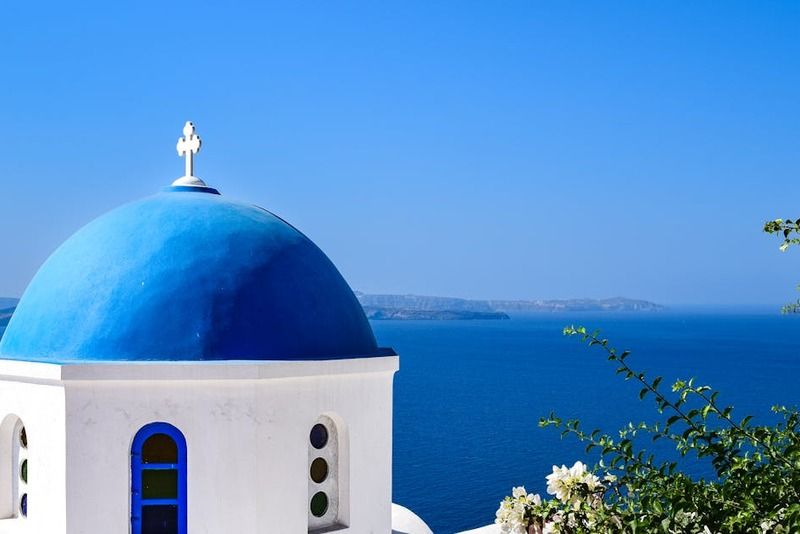
Four days in Santorini give you enough time to enjoy the island beyond the standard sunset photo circuit. You can explore Oia and Fira, take a boat trip, visit historical sites, and still have space for a slower day. This is the sweet spot for first-time visitors.
On Day 4, travel from Athens to Santorini by flight or ferry. Flights are faster, ferries are more scenic and slightly more cinematic if you enjoy dramatic arrivals. Once there, settle into Fira or Imerovigli and save your energy for a caldera-view dinner. Yes, it will be expensive. Yes, the view will try to justify it.
Day 5 is for Oia. Explore early if you want the village at its prettiest and least elbow-heavy. Walk sections of the caldera path, stop at viewpoints, and stay for sunset if you do not mind sharing the moment with several hundred equally inspired strangers and their phones.
Day 6 works well for a catamaran cruise or boat tour to volcanic spots and beaches. If you prefer land-based exploring, visit Akrotiri, one of Greece’s most important archaeological sites, and add a local winery. Santorini wines are excellent, partly because the island seems to grow grapes out of stubbornness and lava.
Day 7 is your flexible day. Hike from Fira to Oia, visit Pyrgos for a quieter village feel, relax by the pool, or head to beaches like Perissa or Kamari. Santorini is not all honeymoon poses and infinity pools; it also rewards travelers who slow down and look beyond the postcard angle.
Best base in Santorini
The best place to stay depends on your budget and travel style. Fira is the most practical base, Imerovigli offers quieter caldera views, and Oia is the most iconic but also the most expensive and crowded.
| Area | Best for | Vibe |
|---|---|---|
| Fira | Convenience and transport | Lively and central |
| Imerovigli | Views and quieter stays | Romantic and relaxed |
| Oia | Iconic scenery | Luxury and high demand |
Choosing the third island
The third island should complement Athens and Santorini, not duplicate them. The best options for a 10-day trip are Paros, Naxos, or Mykonos. Each offers a different pace, and your choice should depend on whether you want beaches, nightlife, local charm, or easier logistics.
If you want a balanced addition, Paros is a crowd-pleaser. Naoussa has lovely harbor views, good food, and stylish but less intense energy than Mykonos. It is the friend who arrives well dressed, says nothing annoying, and somehow makes everyone feel calmer.
Naxos is ideal for travelers who want broader beaches, a slightly more local feel, and a bit more value. It is excellent for food, village hopping, and a less polished but more grounded island experience.
Mykonos makes sense if nightlife, beach clubs, and fashionable scenes are actually part of your dream trip. It is beautiful, photogenic, and undeniably fun, but it is also expensive and can feel intense in peak season.
Quick comparison: Paros vs Naxos vs Mykonos
These islands are all good choices, but they suit different travelers. Comparing vibe, cost, and highlights helps you pick the best match for your priorities and avoid booking an island that does not fit your travel style.
| Island | Best for | Budget level | Overall feel |
|---|---|---|---|
| Paros | Harbors, beaches, balanced vibe | Mid | Chic but relaxed |
| Naxos | Food, villages, longer beaches | Mid to lower | Authentic and laid-back |
| Mykonos | Nightlife, beach clubs, glamour | High | Trendy and energetic |
How to get around Greece efficiently
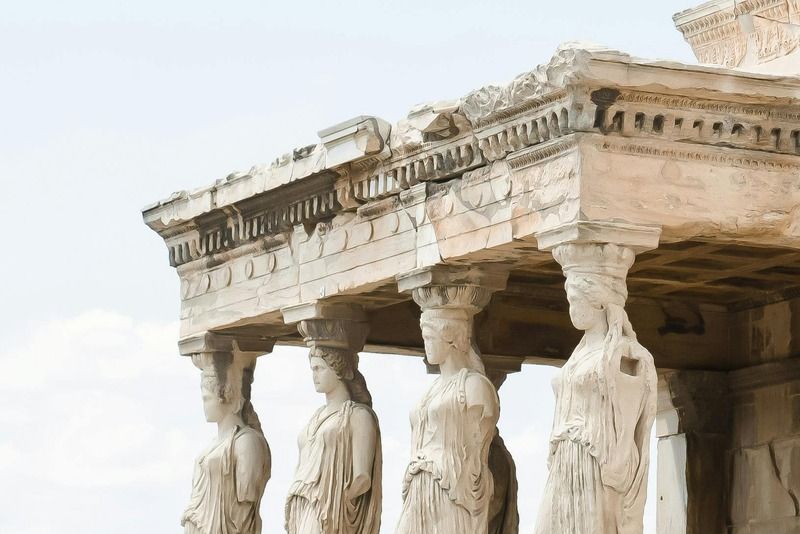
The easiest way to travel on this route is to combine flights and ferries. Flights save time on longer transfers, while ferries work well between Cycladic islands. Booking transport early is especially important in summer, when popular routes sell out quickly.
For this itinerary, a smart combination is:
- Arrive in Athens
- Fly or ferry to Santorini
- Ferry to your third island
- Fly or ferry back to Athens for departure
If your international flight leaves early, spend the final night in Athens rather than gambling on a same-day ferry arrival. Greece is glorious, but ferry schedules can occasionally become more interpretive than exact.
Best time to do this itinerary
The best months for this route are May, June, September, and early October. During these periods, the weather is warm, ferry schedules are active, and crowds are more manageable than in peak summer. July and August are hotter, busier, and more expensive.
For most travelers, September is the sweet spot. The sea is warm, evenings are pleasant, and destinations like Santorini and Mykonos feel slightly less frantic. May and June are also excellent if you prefer sightseeing temperatures over full summer heat.
If you travel in July or August, book everything early and expect premium prices. Also expect the occasional moment where a scenic lane becomes a slow-moving human traffic jam. Very beautiful, very memorable, mildly chaotic.
Useful travel tips before you go
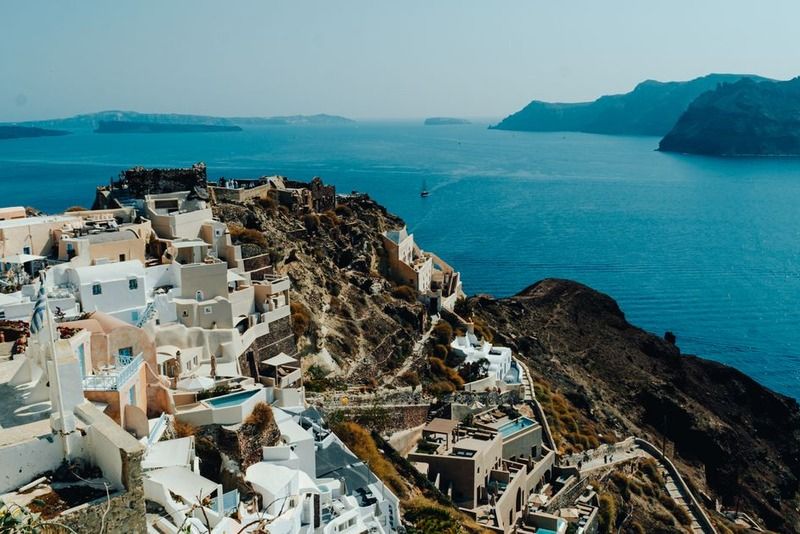
Greece is generally easy to visit, but a few practical details make the trip smoother. Planning for heat, transport timing, and local rules helps avoid common mistakes, especially when island hopping in high season.
- Book ferries and internal flights early, especially for summer travel.
- Carry some cash for small shops, buses, and beach bars.
- Pack light because ferry stairs, cobblestones, and steep alleys are not kind to giant suitcases.
- Watch for pickpockets in busy parts of Athens and transport hubs.
- Respect customs rules and check airline limits before bringing food, liquids, or specialty items.
- Use sun protection constantly; the Greek sun does not do half measures.
Make your 10 days in Greece feel bigger, not busier
The secret to a memorable Greek trip is not cramming in as many islands as possible. It is choosing a route with contrast, good timing, and enough breathing room to enjoy meals, sunsets, and spontaneous detours. Athens, Santorini, and one well-chosen island deliver exactly that.
If you want the classic first trip, this itinerary is hard to beat: ancient wonders in Athens, jaw-dropping views in Santorini, and a final island tailored to your mood, whether that means beach bliss, village charm, or dancing until your sandals file a formal complaint.
And if Greece is calling your name, it might be the perfect time to discover the WeRoad group trips for this destination and experience the islands with fellow travelers ready for sun, stories, and more feta than anyone strictly needs.
FAQ
- Is 10 days enough to visit Greece?
-
Yes, 10 days is enough to visit Greece if you focus on a small number of destinations. For first-time travelers, Athens plus two islands is the ideal balance. Trying to add too many stops usually means spending too much time on ferries, transfers, and check-ins.
- What are the warnings for tourists in Greece?
-
The main issues for tourists in Greece are usually practical rather than dramatic. Watch for pickpocketing in crowded areas of Athens, stay hydrated during summer heat, and keep an eye on ferry schedules, especially in windy conditions. On islands, book transport ahead in peak season because availability can be limited.
- What is the best month to go to Greece?
-
September is often the best month to go to Greece because the sea is warm, the weather is pleasant, and crowds are lighter than in July and August. May and June are also excellent for sightseeing and island hopping, with long days and more moderate temperatures.
- What is not allowed to bring to Greece?
-
Travelers should avoid bringing prohibited airline items, undeclared large quantities of cash, and restricted food or agricultural products that may be subject to customs rules. Before departure, check the latest regulations for Greece and the EU, especially if you are carrying medication, specialty foods, or goods bought outside Europe.
- Should I fly or take ferries between the Greek islands?
-
It depends on the route. Flights are best for saving time on mainland-island transfers such as Athens to Santorini, while ferries are ideal for shorter hops between islands like Santorini and Paros. A mix of both usually gives the best balance of efficiency and experience.
- Which island is best after Santorini on a 10-day trip?
-
The best island after Santorini depends on your style. Paros is best for a balanced trip, Naxos is great for authenticity and value, and Mykonos suits travelers who want nightlife and a more glamorous atmosphere.