In a nutshell
- Barcelona’s essential experiences combine architecture, food, history, and the coast: the most rewarding first-time itinerary includes Sagrada Família, Park Güell, the Gothic Quarter, La Boqueria, and Barceloneta, offering a complete sense of the city’s identity.
- Gaudí is central to understanding Barcelona: visiting major works such as Sagrada Família, Casa Batlló, La Pedrera, and Park Güell helps explain the city’s modernist legacy, while Passeig de Gràcia adds context through its concentration of landmark façades.
- The historic center is more than a checklist of monuments: areas like the Gothic Quarter and El Born are best explored on foot, with special attention to quieter places such as Plaça Sant Felip Neri, known for its layered history and local legends about witches.
- Food is a major part of the trip: travelers should mix market visits and sit-down meals, trying patatas bravas, pan con tomate, bombas, seafood, crema catalana, vermouth, and cava, while choosing spots slightly away from the busiest tourist streets for better authenticity and value.
- Three days are enough for a strong introduction if you organize the city by area, book major attractions in advance, use public transport wisely, and balance iconic sights with slower moments by the sea, in neighborhood squares, and over long tapas meals.
Barcelona is one of those cities that seems to have been designed by an artist, fed by a chef, and cooled down by a sea breeze. It mixes grand architecture, lively neighborhoods, beach days, and late-night dinners with suspiciously good patatas bravas. If you are looking for the best things to do in Barcelona, the good news is that the city makes it very easy to fill your days well.
From Gaudí’s surreal landmarks to hidden squares, bustling markets, and Mediterranean sunsets, Barcelona rewards both careful planning and joyful wandering. You can spend the morning inside a basilica, the afternoon with sandy shoes, and the evening elbow-deep in tapas. Honestly, it is a hard life, but someone has to do it.
What should you not miss in Barcelona?
If it is your first visit, do not miss Sagrada Família, Park Güell, the Gothic Quarter, a stop for tapas, and time by the sea. These experiences capture the city’s personality: artistic, historic, social, and gloriously relaxed. Add one scenic viewpoint and one hidden corner, and you have the outline of a memorable trip.
The essentials are famous for a reason. Barcelona’s identity is deeply tied to Antoni Gaudí, but the city is much more than modernist architecture. It is also medieval alleys, local markets, neighborhood squares, and the rhythm of everyday life spilling outdoors.
| Attraction | Why go | Best for |
|---|---|---|
| Sagrada Família | Barcelona’s most iconic monument and Gaudí’s masterpiece | Architecture, first-time visitors |
| Park Güell | Mosaics, views, and whimsical design | Photos, city panoramas |
| Gothic Quarter | Historic streets, squares, and old Barcelona atmosphere | Walking, culture, hidden corners |
| Barceloneta | Beach time and seaside energy | Relaxing, sunset walks |
| La Boqueria | Colorful food market with local flavors | Food lovers, quick bites |
Gaudí landmarks that define the city
Gaudí’s work is central to any Barcelona itinerary because it shapes the city’s visual identity. His buildings feel imaginative without losing function, and visiting at least two or three of them gives real context to Barcelona’s modernist character. Start with the biggest icons, then add one lesser-known site if time allows.
Sagrada Família
Sagrada Família is the city’s most famous attraction and one of the most extraordinary churches in Europe. Its exterior is dramatic, but the interior is what stays with most visitors: columns like a stone forest and light filtering through stained glass in shifting colors.
Book your ticket in advance, ideally with tower access if you want extra views. Early morning or late afternoon visits usually feel more pleasant. And yes, it is still under construction, which somehow makes it even more Barcelona: beautiful, ambitious, and never entirely finished before lunch.
Park Güell
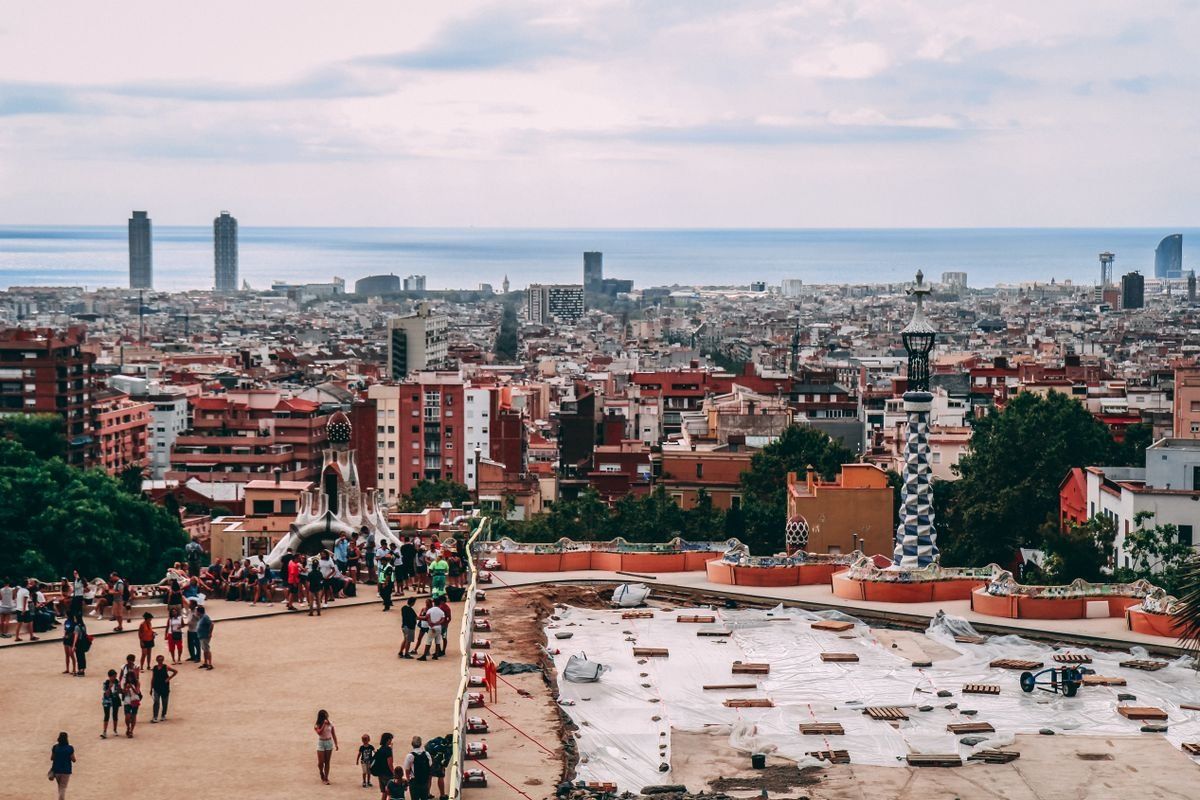
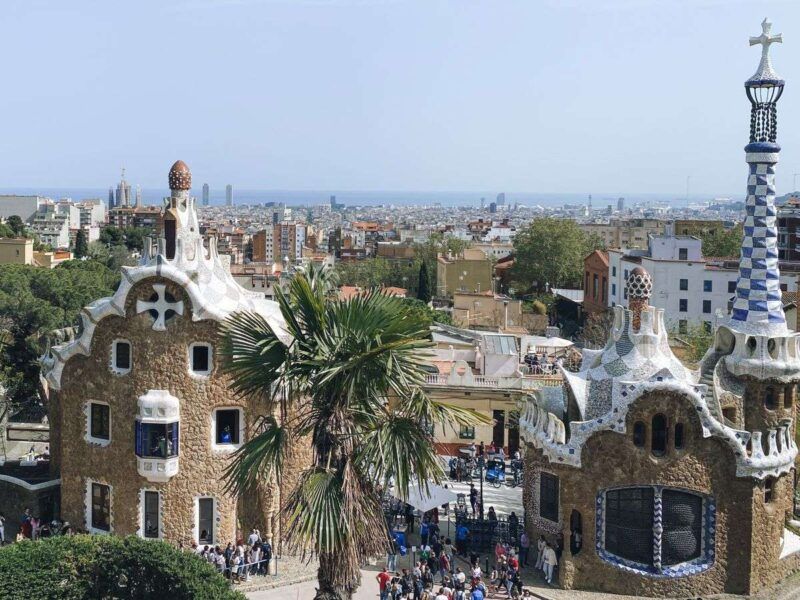
Park Güell combines architecture, landscape, and city views in a way only Gaudí could imagine. It is playful but not childish, artistic but not stiff, and it gives you one of the best vantage points over Barcelona.
The monumental zone requires a ticket, so book ahead. Go early if possible, especially in warmer months. The famous mosaic lizard gets all the attention, but the colonnades, curved benches, and wide terraces are what make the visit feel like stepping into a very stylish dream.
Passeig de Gràcia and the modernist houses
Passeig de Gràcia is the best place to admire Barcelona’s elegant modernist side. Here you can see Casa Batlló and La Pedrera, two of Gaudí’s most recognizable buildings, along with other refined façades by contemporary architects.
Even if you do not go inside every building, the avenue is worth walking for the architecture alone. It is also a good area for shopping and café stops. In practical terms: excellent sightseeing. In emotional terms: your camera roll may need a quiet moment afterwards.
Historic Barcelona beyond the postcards
The city’s historic center offers a different side of Barcelona, one shaped by Roman remains, medieval streets, and intimate squares. This area is best explored on foot, without rushing. The goal is not to tick boxes quickly, but to absorb the atmosphere and notice the details.
The Gothic Quarter
The Gothic Quarter is one of the most rewarding places to wander in Barcelona. It is full of narrow lanes, stone buildings, tucked-away courtyards, and lively little plazas. You will find both major landmarks and corners that feel almost secret.
Do not focus only on the cathedral area. Let yourself drift between streets, look up at balconies, and pause when a square opens unexpectedly. Barcelona has a gift for these cinematic reveals, as if the city itself enjoys a bit of dramatic timing.
Plaça Sant Felip Neri
Plaça Sant Felip Neri is a small, atmospheric square in the Gothic Quarter with a haunting beauty. It is known for the scars left on surrounding walls and for local legends linking the area to witches and old mysteries.
It is not flashy, and that is exactly why it matters. The square invites a slower kind of attention. If you enjoy places with layered history and a slightly eerie charm, this is one of Barcelona’s most memorable hidden stops. Tiny square, big mood.
El Born and nearby cultural stops
El Born offers a mix of history, local life, and creative energy. It feels a bit more lived-in than some heavily touristed areas and is a great neighborhood for casual strolling, dining, and browsing independent shops.
It is also close to attractions like the Picasso Museum and Parc de la Ciutadella. If the Gothic Quarter is the dramatic old soul of Barcelona, El Born is its stylish friend who knows where to get good vermouth without making a big speech about it.
Tapas, markets and local flavors
Food is one of the best reasons to visit Barcelona because eating here is not just necessary, it is part of the city’s social life. A good Barcelona day often includes coffee standing up, market snacks, a long lunch, and tapas shared over conversation.
La Boqueria and other markets
La Boqueria is the city’s most famous market and remains worth visiting for its colors, produce, and energy. It is busiest around the middle of the day, so morning visits are usually easier and more enjoyable.
If you want a less touristy feel, consider Santa Caterina Market too. Both are excellent for tasting local products or having a casual bite. Fresh fruit juice, jamón, seafood, and olives all compete for attention. Diet plans tend to go on holiday here before you do.
What to eat in Barcelona
Barcelona’s food scene blends Catalan tradition with the easygoing pleasure of small shared plates. Tapas are the obvious starting point, but it is worth looking for a few regional specialties too.
- Patatas bravas with spicy sauce and aioli
- Pan con tomate, simple and essential
- Bombas, especially in Barceloneta
- Seafood dishes and grilled fish
- Crema catalana for dessert
- Vermouth, cava, or sangria to drink
Choose restaurants a few streets away from the most tourist-heavy stretches for better value and a more local atmosphere. In Barcelona, one of the smartest travel skills is knowing when to turn the corner and trust your nose.
The sea side of Barcelona
Barcelona’s coastal location gives it an unusual advantage among major European cities. You can combine museums and monuments with beach time in the same day, often without much effort. The sea adds light, space, and a more relaxed rhythm to the visit.
Barceloneta and the beaches
Barceloneta is the best-known beach area and the easiest choice for first-time visitors. It is lively, central, and lined with restaurants and promenade walks. If you want more space, beaches like Bogatell often feel calmer.
Come early for a swim, or late for a walk when the light softens over the water. A beach in the middle of a city can feel suspiciously unfair to every inland capital in Europe, but Barcelona is not here to apologize.
Port Vell and waterfront walks
Port Vell is ideal for a waterfront stroll, especially if you like marinas, open views, and a slower pace between sightseeing stops. It connects well with the old city and the beach areas.
This part of town works well at sunset, when the water reflects the changing colors and the city starts shifting into evening mode. It is also a good area for simply doing nothing in particular, which Barcelona turns into an activity surprisingly well.
Are 3 days in Barcelona enough?
Three days in Barcelona are enough to see the highlights and get a strong sense of the city. You will not cover everything, but you can combine major landmarks, food, historic neighborhoods, and time by the sea without feeling constantly rushed.
The key is to group areas efficiently and avoid overbooking every hour. Barcelona rewards structure, but it also rewards flexibility. Leave room for long meals, spontaneous stops, and the occasional “let’s just sit here for ten minutes” that somehow becomes forty-five.
A simple 3-day outline
A balanced itinerary should mix famous attractions with neighborhood time. This helps you see the city’s icons while still experiencing its atmosphere.
- Day 1: Sagrada Família, Sant Pau area, Passeig de Gràcia, Casa Batlló or La Pedrera
- Day 2: Gothic Quarter, Plaça Sant Felip Neri, El Born, La Boqueria, sunset at Barceloneta
- Day 3: Park Güell, Montjuïc or Ciutadella Park, tapas dinner by the sea
If you stay longer, add Montjuïc, a museum, or a half-day trip outside the city. But for many travelers, three days are enough to fall a little in love and begin plotting a return.
Do’s and don’ts for visiting Barcelona
Barcelona is easy to enjoy, but a few smart habits improve the experience. Plan ahead for popular attractions, stay aware in crowded areas, and respect local rhythms. The city is welcoming, but it works best when visitors move thoughtfully through it.
- Do book tickets early for Sagrada Família and Park Güell
- Do use the metro and walk between nearby sights
- Do keep valuables secure in busy areas like La Rambla
- Do eat beyond the main tourist strips
- Don’t try to see everything in one day
- Don’t expect dinner to start early by local standards
- Don’t ignore neighborhood etiquette, especially at night
In short, respect the city and it will reward you generously. Ignore common sense, wave your phone around in a packed crowd, and the city may offer you an educational experience of a different kind.
Where Barcelona feels most like itself
The best version of Barcelona appears when architecture, food, and the sea come together in the same day. That combination is what makes the city memorable and distinct from other European capitals. You are not just sightseeing here; you are experiencing a rhythm.
Have breakfast in a neighborhood café, step into a masterpiece by Gaudí, get pleasantly lost in old streets, stop for tapas, then head to the waterfront before dinner. It is a city that lets you do a lot without making the day feel heavy.
If you want to experience the city with the right mix of discovery, fun, and good company, take a look at WeRoad group trips to Barcelona and start planning your next adventure.
FAQ | Barcelona
- How many days do you need in Barcelona?
-
Three days are enough for the main highlights, including Gaudí landmarks, the old town, food markets, and the beach. Four or five days allow for a slower pace, extra museums, and time for neighborhoods like Gràcia or Montjuïc.
- Is Barcelona walkable for tourists?
-
Yes, many central areas are very walkable, especially the Gothic Quarter, El Born, Barceloneta, and Passeig de Gràcia. For longer distances, the metro is efficient and easy to use, so a mix of walking and public transport works best.
- What is the best area to stay in Barcelona?
-
For first-time visitors, Eixample is practical and well connected, while the Gothic Quarter and El Born offer more atmosphere. Barceloneta is convenient if beach access matters most.
- Is Sagrada Família worth visiting inside?
-
Yes, absolutely. The interior is one of the most impressive spaces in Barcelona, especially for the light through the stained glass and the scale of the design. Booking in advance is strongly recommended.
- What should I avoid doing in Barcelona?
-
Avoid leaving valuables visible in crowded places, eating every meal on the busiest parts of La Rambla, and overloading your schedule. Barcelona is best enjoyed with some planning, but also with enough time to slow down and explore naturally.