In a nutshell
- Solo travel works best when your days have a light structure: planning one main activity, one flexible local experience, and some downtime helps avoid boredom, decision fatigue, and the classic late-afternoon travel slump.
- The best experiences for solo travelers combine independence and connection: walking tours, cooking classes, museums, markets, cafés, and neighborhood walks offer freedom while making it easier to meet people naturally.
- Loneliness during solo travel is normal, not a failure: practical responses such as joining a group activity, choosing public spaces, journaling, or adding structure to the following day often help quickly and effectively.
- Safety comes from consistent habits, not fear: arrive during daylight, book accommodation ahead, use trusted transport, share plans with someone, and stay in public settings when uncertain.
- Common worries should not stop you from going: being 27 is absolutely not too old for solo travel, dining alone becomes easier with practice, and packing checklists reduce forgotten essentials like chargers, adapters, and toiletries.
Traveling solo can feel exciting, liberating, and slightly absurd all at once. One minute you are admiring a skyline with cinematic main-character energy, the next you are eating fries on a bench wondering if that pigeon is judging you. If you are asking what to do when traveling alone, the good news is that solo travel rarely lacks possibilities. It simply asks you to be a little more intentional. With the right mix of planning, curiosity, and flexibility, even a quiet afternoon can become one of the highlights of your trip.
Why solo travel can be more rewarding than expected
Solo travel gives you complete control over your time, budget, pace, and priorities. That freedom often leads to richer experiences, more spontaneous choices, and a stronger sense of confidence. Instead of adapting to someone else’s schedule, you can focus on what genuinely interests you and build days that feel meaningful.
One of the biggest surprises of traveling alone is how much more present you become. You notice details, start conversations more easily, and make choices based on your own mood rather than group compromise. That means more room for experiences for solo travelers that are personal, flexible, and memorable.
And yes, sometimes it also means you will spend 14 minutes deciding where to sit in a café because both tables have “good people-watching potential.” That, too, is part of the cultural immersion.
Best things to do when traveling alone
The best activities for solo travel combine independence, safety, and opportunities for connection. Good options help you enjoy your own company while also making it easy to meet locals or other travelers when you want. A balanced itinerary usually works better than trying to stay busy every minute.
Join a walking tour early in the trip
A walking tour is one of the smartest first-day activities. It helps you understand the city layout, pick up local tips, and ease into the destination without pressure. It also creates a natural social setting where conversation feels simple and low-stakes.
Free walking tours, themed history walks, street art tours, and food-focused routes are all excellent options. They answer a practical need and make the place feel less unfamiliar. If you click with someone, great. If not, you still learned something and got your steps in.
Spend time in cafés, markets, and public spaces
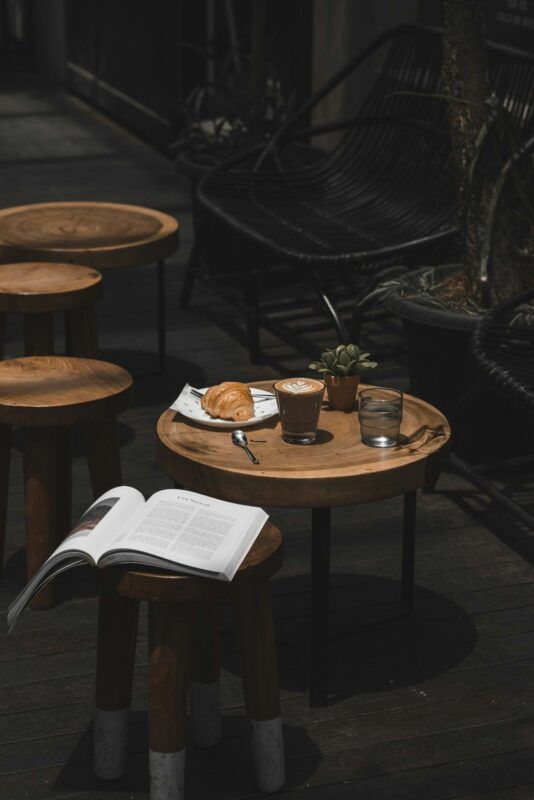
Public places are ideal for solo travelers because they are safe, lively, and naturally immersive. They let you observe local life, take breaks, and enjoy your surroundings without needing a fixed plan. These spaces often become the most memorable parts of a trip.
Try building small rituals into your day:
- Morning coffee at the same café
- Local markets for snacks and conversation
- Parks and squares for reading or people-watching
- Libraries or bookstores for quiet downtime
There is something oddly luxurious about ordering one pastry, opening a notebook, and behaving as if you are a mysterious writer with secrets. Even if the only secret is that you are just avoiding overpriced brunch.
Book classes and hands-on activities
Interactive activities are some of the best solo experiences because they give structure to your day and make meeting people easier. Classes also create a sense of participation, which can feel more rewarding than only sightseeing from the outside.
Good choices include:
- Cooking classes
- Wine or food tastings
- Photography walks
- Language mini-lessons
- Ceramics, dance, or craft workshops
These activities are especially useful if you are worried about loneliness. Shared experiences create easy conversation, and you leave with a story that goes beyond “I saw a building and then another building.”
Explore museums and neighborhoods at your own pace
Solo travel is perfect for slow exploration. Museums, historic districts, and local neighborhoods are easier to enjoy when you can move at your own speed. You can stay longer where interest is high and skip anything that does not speak to you.
This is one of the biggest advantages of traveling alone. No one sighs while you read every museum caption, and no one drags you away from a charming side street just because they are “not really into doors.”
How to structure a solo travel day
A simple daily rhythm helps solo travel feel lighter and less overwhelming. Planning one main activity, one flexible activity, and enough downtime creates a day that feels full without becoming exhausting. This balance is especially useful on longer trips.
A practical solo travel formula looks like this:
- One anchor activity, such as a tour, museum, or class
- One local pleasure, such as a market, lunch spot, or scenic walk
- One unplanned window for wandering or resting
- One evening choice, such as a show, food tour, or quiet dinner
When you know the shape of the day, you avoid that strange 4 p.m. solo-travel slump where you are tired, hungry, slightly sunburnt, and suddenly convinced your entire personality is “person holding map.”
Ideas based on your mood and travel style
The best solo activities depend on the kind of energy you have that day. Some days call for social plans, while others are better for solitude, rest, or simple observation. Matching your plans to your mood often leads to better travel experiences and less burnout.
| Mood or goal | Best solo activity | Why it works |
|---|---|---|
| Want to meet people | Walking tour, cooking class, group excursion | Easy social setting without pressure |
| Need quiet time | Museum, park, beach, bookstore | Relaxing and restorative |
| Want adventure | Bike tour, hiking day trip, snorkeling lesson | Builds confidence and creates strong memories |
| Need comfort | Café hopping, spa, nice dinner, movie night | Helps reset energy and reduce loneliness |
| Want local culture | Market visit, food tour, neighborhood walk | Immersive and easy to do independently |
What to do when you feel lonely while traveling alone
Loneliness can happen during solo travel, even on a beautiful trip. It does not mean you chose the wrong experience. Usually, it means you need connection, rest, or a small change in pace rather than a complete reset of your plans.
When that feeling shows up, try practical shifts:
- Choose social accommodation or join a day group activity
- Call a friend or family member at a planned time
- Go somewhere public instead of staying isolated in your room
- Write in a journal to process the moment
- Book something structured for the next day
Often, loneliness fades once the day has shape again. Also, never underestimate the healing power of a good breakfast. Toast, coffee, and a plan can perform emotional miracles.
Solo travel safety and smart habits
Safety should be built into your routine from the start. The goal is not to travel anxiously, but to make practical choices that reduce risk and help you feel more confident. Small habits often matter more than dramatic precautions.
Useful solo travel habits include:
- Arrive in daylight when possible
- Book your first nights in advance
- Share your itinerary with someone you trust
- Use registered transport and verified apps
- Stay in public areas if a situation feels off
- Trust your instincts and leave if needed
One important note: there is no single “riskiest country for solo travel” that applies equally to everyone. Safety depends on current conditions, region, transport, time of day, traveler profile, and your own habits. Research your destination carefully, check recent local advice, and avoid reducing safety to one dramatic label.
Common solo travel worries that should not stop you
Many concerns around solo travel are normal and manageable. Most first-time travelers worry about boredom, awkward solo dining, age, or forgetting something important. In practice, these issues are usually easier to handle than expected with a little preparation.
Here are a few reassuring truths:
- You are not too old to solo travel at 27. Honestly, 27 is practically the golden hour of independent travel.
- Dining alone gets easier quickly, especially with casual spots, bar seating, or a book.
- The most forgotten item when traveling is often a charger, adapter, toothbrush, or basic medication, so create a packing checklist before every trip.
- Boredom is usually solved by better planning, not by avoiding solo travel.
The first solo trip may feel unusual, but unusual is not bad. It is just new. And new is where the good stories usually begin.
Make your solo trip more meaningful

The most memorable solo trips are rarely about doing more. They are about choosing experiences that feel personal, present, and memorable. Meaningful travel often comes from paying attention, following your interests, and leaving enough room for surprise.
Try to include a few elements that create stronger memories:
- A journal or photo diary
- A recurring ritual, like a morning walk
- One activity that challenges you
- One slower day with no pressure to perform
- Conversations with locals whenever appropriate
Solo travel is not about proving that you can do everything alone. It is about discovering how you like to experience a place when no one else is holding the remote control of your day.
If you want to mix freedom with company, discover the WeRoad group trips for your next destination and turn solo inspiration into a shared adventure.
FAQ
- What should I do when traveling alone?
-
Focus on activities that are easy to enjoy independently and that create natural structure. Good options include walking tours, museums, cafés, markets, cooking classes, scenic walks, and day trips. A mix of one planned activity and one flexible moment usually works best.
- What is the most forgotten item when traveling?
-
The most commonly forgotten items are phone chargers, power adapters, toothbrushes, and basic medication. A reusable packing checklist on your phone helps prevent last-minute mistakes and makes repeat trips much easier to organize.
- Is 27 too old to solo travel?
-
No, 27 is not too old to solo travel. In fact, many travelers start in their late twenties or later, when they often have more confidence, budget awareness, and independence. Solo travel does not have an age limit; it only requires curiosity and preparation.
- How do I meet people if I am traveling alone?
-
Join walking tours, cooking classes, food experiences, day excursions, or stay in social accommodation. Cafés, coworking spaces, and small group activities are also useful. The easiest approach is to choose places where interaction happens naturally rather than forcing conversation.
- What is the riskiest country for solo travel?
-
There is no universal answer because risk depends on the specific region, current events, infrastructure, your travel style, and personal circumstances. Instead of looking for one “riskiest” destination, check current government advisories, recent traveler reports, and local safety conditions for the exact area you plan to visit.