Silk Road Group Tours
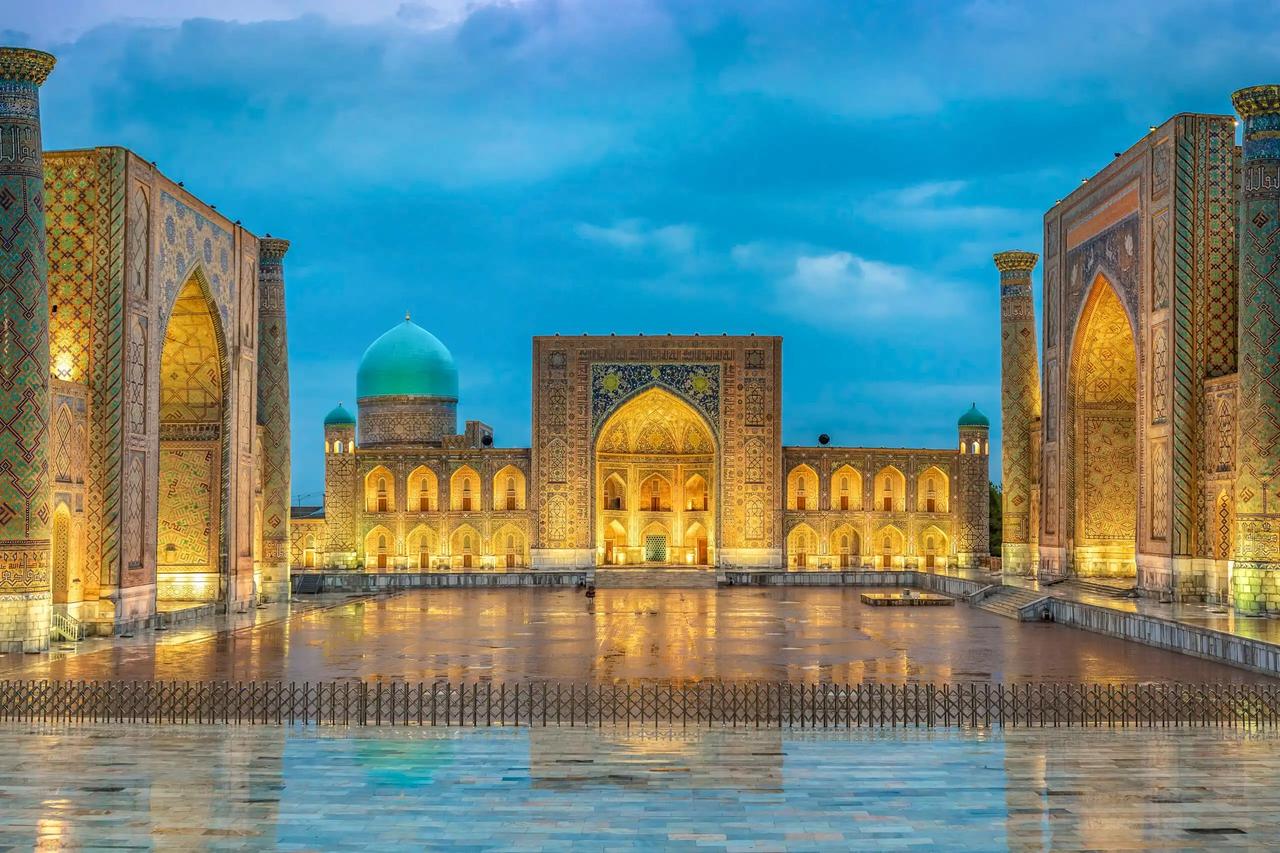
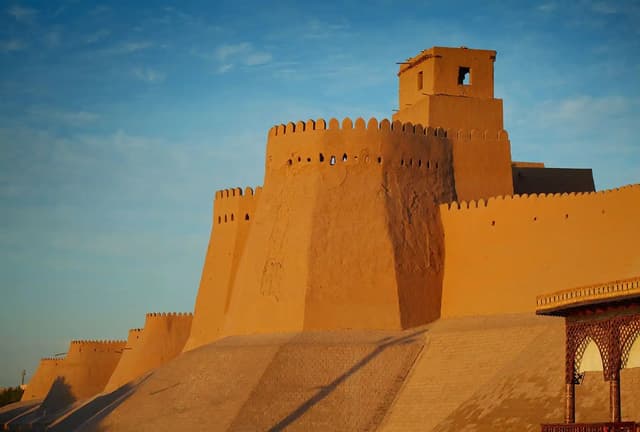
On the Silk Road you go from the Registan in Samarkand to the mud-brick walls of Khiva, haggle your way through the Bukhara bazaar and sleep in a yurt on the edge of the desert, with plov served on big platters for the table to share. Explore all our Silk Road itineraries and pick your dates.

Book with confidence
Book with $ 0
Lock in your spot and only pay once it's confirmed
Free changes
Switch dates or destination within 31 days, at no extra cost
Maximum Flexibility
With Flexible Cancellation, cancel up to 8 days before
Pay in installments
Spread the cost over time, interest-free
Silk Road Small Group Tours
Blue domes, bazaars and trains between the oases
Our Silk Road group tours follow the most famous stretch of the old caravan routes, the one that crosses Uzbekistan. You get nine days: start in Tashkent, take the night train to Khiva, then carry on to Bukhara and Samarkand. The summer route adds a night in a yurt near Lake Aydarkul, while the winter one runs almost entirely by train.
The stops are the ones merchants knew: the Registan in Samarkand, the walled old town of Khiva, the Ark fortress and the Kalyan Minaret in Bukhara, and the Chorsu Bazaar in Tashkent. Between cities, the landscape shifts from green oases to the Kyzylkum Desert.
With WeRoad your stays are already booked and a Group Leader travels with the group, keeps track of trains and connections and knows where to find the best plov in town. All you need to do is leave some room in your bag for a piece of Rishtan pottery.
Travel guides to the Silk Road and Uzbekistan


Silk Road travel guide: stops, getting around and when to go
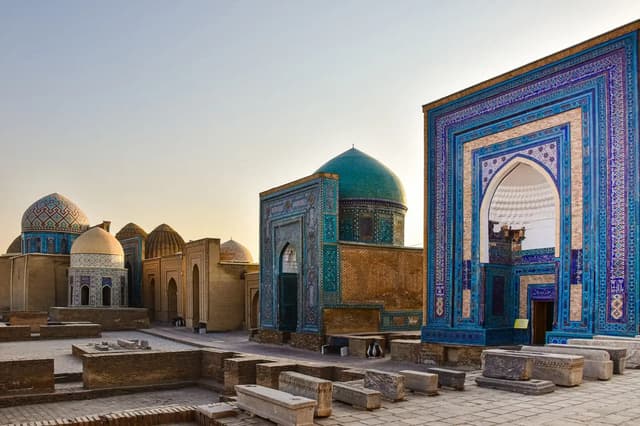
The Silk Road was never a single road. It was a web of caravan routes between China and the Mediterranean that carried silk, spices, paper and ideas for centuries. The name dates back to the 1800s and comes from German geographer Ferdinand von Richthofen. In Central Asia, the cities that grew rich on that trade are still standing: the historic centers of Samarkand, Bukhara and Khiva are UNESCO World Heritage Sites.
What to see along the itinerary
Tashkent is the capital and where international flights land. Khiva is an almost intact walled city, Bukhara keeps its madrasas, mosques and caravanserais around the Lyabi-Hauz pool, and Samarkand has the Registan, the Shah-i-Zinda necropolis and Tamerlane's mausoleum.
Getting around
Rail links the main cities: high-speed Afrosiyob trains connect Tashkent, Samarkand and Bukhara, and Khiva is usually reached on the night train to Urgench.
When to go
The climate is continental. Spring and fall, from April to June and from September to October, are the best seasons. Summer in the desert often tops 104°F (40°C), while winter is cold but the squares are far quieter.