In a nutshell
- Samarkand is one of Uzbekistan’s essential destinations, combining Silk Road history, monumental Timurid architecture, and a lively local atmosphere that goes beyond sightseeing and makes the city feel active and authentic.
- The top attractions are Registan, Shah-i-Zinda, Gur-e-Amir, Bibi-Khanym Mosque, and Siob Bazaar, with each offering a different perspective on the city, from royal ambition and sacred art to everyday food culture.
- Two days are ideal for a first visit, allowing enough time to cover the main monuments on foot and add sites like Ulugh Beg Observatory, Afrasiyab Museum, and the Tomb of Saint Daniel without rushing.
- Samarkand is easy to explore independently, thanks to walkable central areas, affordable taxis, decent tourist infrastructure, and enough English in key places to make travel simple with a little flexibility.
- The city rewards both fast itineraries and slower travel, whether you want a focused one-day route through the highlights or extra time for bazaars, local food, nearby day trips, and repeat visits to favorite landmarks.
Samarkand is the kind of city that makes you slow down, look up, and whisper “okay, wow” every five minutes. One moment you are standing in front of a mosaic-covered madrasa, the next you are biting into warm bread from a bazaar stall. If you are looking for the best things to do in Samarkand, expect a mix of grand Silk Road history, living traditions, and enough blue tiles to ruin all other color palettes for you forever.
One of the oldest continuously inhabited cities in Central Asia, Samarkand was shaped by traders, scholars, conquerors, and pilgrims. Today it is one of Uzbekistan’s biggest highlights, and for good reason: the city combines iconic landmarks with a relaxed local rhythm that still feels genuine beyond the postcard views.
Why visit Samarkand
Samarkand is worth visiting because it offers some of the most impressive Islamic architecture in the world, layered with Silk Road history and local culture. It is compact enough to explore in a short trip, but rich enough to reward a slower stay with markets, museums, food stops, and lesser-known corners.
This is not just a city of monuments. Yes, the architecture is spectacular, and yes, your camera roll will become 93% domes. But Samarkand also works because its famous sites are still connected to everyday life. Locals pray here, shop here, stroll here, and celebrate here. That makes the city feel alive rather than staged.
If you are wondering whether Samarkand lives up to the hype, the short answer is: absolutely. The longer answer is also absolutely, but said while dramatically pointing at the Registan.
Top things to do in Samarkand
The best things to do in Samarkand include exploring its Timurid landmarks, visiting local markets, learning about ancient science and archaeology, and enjoying Uzbek cuisine. Most major attractions can be combined into a walkable route, while a few sites outside the center are easy to reach by taxi.
Admire the Registan
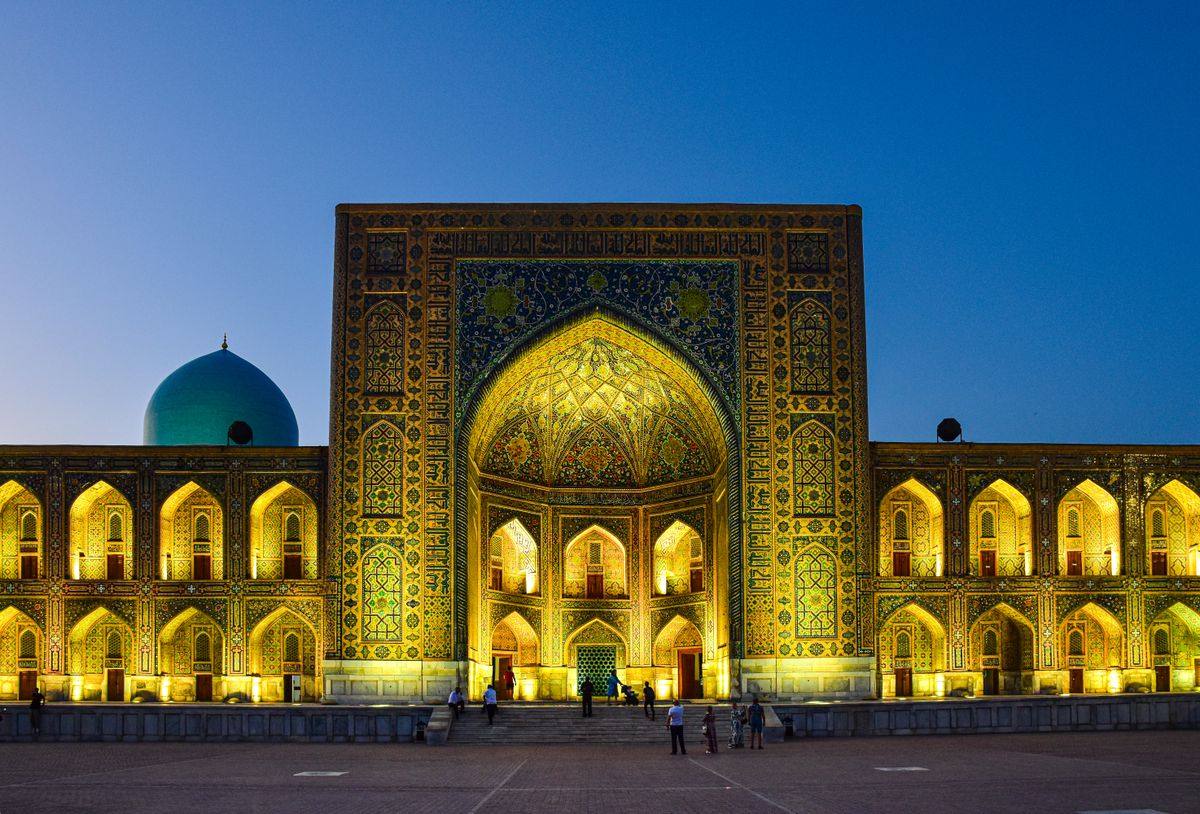
The Registan is Samarkand’s most famous landmark and the city’s essential stop. This monumental square is framed by three madrasas and showcases the height of Timurid and post-Timurid architecture. If you only know one place in Samarkand before arriving, it will probably be this one.
And fair enough: it is jaw-dropping. The scale, symmetry, and tilework are so precise they almost feel unreal. Visit early in the morning for softer light and fewer crowds, then return in the evening when the square glows with a completely different mood.
- Ulugh Beg Madrasa: the oldest of the three, linked to the scholar-ruler Ulugh Beg
- Sher-Dor Madrasa: known for its unusual tiger-like motifs
- Tilya-Kori Madrasa: famous for its richly decorated golden mosque interior
Visit Shah-i-Zinda
Shah-i-Zinda is one of the most beautiful necropolises in Central Asia and a highlight of any Samarkand itinerary. Its narrow avenue of mausoleums is covered in brilliant blue tilework, with layered decoration that feels more intricate the closer you look.
This is one of those places where you start by taking photos and end by just staring quietly at the details. The ceramic work is extraordinary, and the site also has spiritual importance for many Uzbeks. Dress respectfully and take your time here; it deserves more than a quick pass.
See Gur-e-Amir Mausoleum
Gur-e-Amir, the mausoleum of Amir Timur or Tamerlane, is one of the city’s most important historical sites. The exterior dome is elegant, but the real surprise is inside, where gold, deep blue, and carved details create a dramatic and intimate atmosphere.
Even if you are not usually a “tombs and dynasties” traveler, this place has serious presence. It is often compared to monuments that later inspired Mughal architecture, including forms seen in India. History nerds will love it. Casual visitors will also love it, just with fewer footnotes.
Explore Bibi-Khanym Mosque
Bibi-Khanym Mosque was once one of the largest mosques in the Islamic world and still conveys the sheer ambition of Timur’s empire. Although parts have been restored, the site remains impressive for its vast scale, monumental portal, and historical significance.
Come here after the Registan or before heading to the nearby bazaar. The mosque’s huge proportions make you feel pleasantly tiny, which is apparently a recurring Samarkand hobby. It is a good stop for understanding just how grand the city once was during its peak.
Walk through Siob Bazaar
Siob Bazaar offers a different side of Samarkand, one rooted in daily life rather than dynastic grandeur. Located near Bibi-Khanym Mosque, it is the city’s main market and a great place to sample bread, dried fruit, nuts, spices, and local sweets.
The atmosphere is lively, colorful, and wonderfully practical. One stall smells like cumin, the next like fresh non bread, and somewhere nearby someone is probably trying to sell you raisins with the confidence of a luxury jeweler. If you want a break from monuments, this is the place.
Discover Ulugh Beg Observatory
Ulugh Beg Observatory reveals Samarkand’s scientific legacy through the remains of a 15th-century astronomical complex. Though not as visually grand as the city’s mausoleums and mosques, it is historically significant and gives useful context to Ulugh Beg’s scholarly achievements.
The surviving sextant structure and small museum help explain how advanced astronomy was here centuries ago. It is a rewarding stop if you enjoy history beyond architecture and want to see that Samarkand was not only about power and religion, but also about knowledge.
Visit the Afrasiyab Museum and ancient site
The Afrasiyab Museum and nearby archaeological area connect modern Samarkand with its far older past. This was the site of ancient Samarkand before the Mongol destruction, and the museum preserves artifacts and frescoes that shed light on Sogdian culture and early Silk Road life.
The ruins themselves require some imagination, but the historical value is enormous. Think less “perfectly preserved ancient city” and more “fascinating place where your brain does part of the restoration work.” For travelers who like context, this stop adds real depth.
Stop by the Tomb of Saint Daniel
The Tomb of Saint Daniel is one of Samarkand’s more unusual sites and stands out for both its peaceful setting and long sarcophagus. The place is sacred to multiple faith traditions and is visited for prayer, reflection, and curiosity alike.
Legends around the tomb vary, which only adds to the appeal. Depending on who you ask, the grave is long because the body keeps growing, because relics were divided, or because history occasionally enjoys being mysterious for sport. Either way, it is a memorable detour.
Best places in Samarkand at a glance
Samarkand’s main attractions differ in style, atmosphere, and time needed. A quick comparison can help you plan your route more efficiently, especially if you have only one or two days in the city.
| Place | Why go | Time needed | Best for |
|---|---|---|---|
| Registan | Iconic architecture and city symbol | 1-2 hours | First-time visitors, photography |
| Shah-i-Zinda | Extraordinary tilework and spiritual atmosphere | 1-1.5 hours | Architecture lovers |
| Gur-e-Amir | Timur’s mausoleum and lavish interior | 45-60 minutes | History lovers |
| Bibi-Khanym Mosque | Monumental scale and historical importance | 45 minutes | Classic sightseeing |
| Siob Bazaar | Local food and daily life | 30-60 minutes | Foodies, culture seekers |
| Ulugh Beg Observatory | Science and astronomy heritage | 45 minutes | Museum fans, curious travelers |
Is 2 days enough for Samarkand?
Two days are enough for Samarkand if you want to see the main highlights at a comfortable pace. You can cover the essential monuments on day one and add museums, the observatory, or more local experiences on day two without feeling rushed.
A practical 2-day plan could look like this:
- Day 1: Registan, Gur-e-Amir, Bibi-Khanym Mosque, Siob Bazaar, Shah-i-Zinda
- Day 2: Ulugh Beg Observatory, Afrasiyab Museum, Tomb of Saint Daniel, relaxed meal or evening walk
If you only have one day, focus on the major historical core. If you have three or more, Samarkand becomes even more enjoyable because you can slow down, revisit favorite sites, and add a day trip.
How to spend one day in Samarkand
One day in Samarkand is enough to experience its headline attractions if you start early and stay organized. The smartest approach is to focus on the central historical area and combine major monuments with one market stop and an evening return to Registan.
Suggested one-day route:
- Start at Gur-e-Amir
- Walk to the Registan
- Continue to Bibi-Khanym Mosque
- Browse Siob Bazaar for lunch or snacks
- Finish at Shah-i-Zinda
- Return to the Registan in the evening if time allows
It is a full day, but very manageable. Wear comfortable shoes, carry water, and accept that by sunset your neck may be sore from looking upward all day. A noble travel injury, really.
Practical travel tips for Samarkand
Samarkand is relatively easy to visit independently. The city is tourist-friendly, major sites are well known, and taxis are affordable. A little planning goes a long way, especially with transport, cash, clothing, and timing your visits around heat and crowds.
Do they speak English in Samarkand?
English is spoken in many hotels, some restaurants, and around major tourist attractions, but it is not universal. You should not expect fluent English everywhere, especially in markets, local eateries, or with older taxi drivers.
That said, getting around is usually straightforward. Translation apps help, and many people are patient and welcoming. A few useful words in Uzbek or Russian can make interactions smoother and more fun.
How to get around
Walking is the best way to explore central Samarkand, especially between the main historic attractions. For longer distances, taxis are cheap and widely available, and ride apps can be useful where available.
- Walk between major old-city highlights
- Use taxis for Ulugh Beg Observatory, Afrasiyab, or outer sites
- Keep small cash handy for local transport
When to visit
The best times to visit Samarkand are spring and autumn, when temperatures are milder and sightseeing is more comfortable. Summer can be very hot, while winter is quieter but less ideal for long outdoor days.
Early mornings are best for the most famous sites. You will get better light, fewer tour groups, and a more peaceful experience overall. Also, your future sweaty midday self will thank your earlier, wiser self.
What to eat
Samarkand is a great place to try classic Uzbek cuisine, including plov, shashlik, laghman, manti, and samsa. The city is also known for its bread, which locals take very seriously, as they should.
Look out for:
- Plov: rice, carrots, and meat, the national comfort champion
- Samsa: flaky pastry often filled with meat or pumpkin
- Non: round bread baked in a tandoor oven
- Dried fruits and nuts: ideal bazaar snacks
Day trips and extra experiences
If you have more time in Samarkand, adding a day trip or a less-visited stop can broaden your experience. Nearby religious sites, mountain routes, craft villages, and historical towns offer a useful contrast to the city’s main monuments.
Good options include:
- Shahrisabz, linked to Amir Timur and filled with historical significance
- Konigil, known for traditional paper-making
- Imam al-Bukhari Complex, an important pilgrimage site outside the city
If you prefer to stay in town, simply give yourself more space to enjoy Samarkand slowly. Sit in a teahouse, revisit a favorite monument, or wander beyond the main route. Not every great travel memory has to come with an entrance ticket.
Before you go
Samarkand is one of those rare cities that feels both legendary and accessible. Its main sights are world-class, but the overall experience still feels warm, manageable, and deeply human. Whether you stay one day or three, it tends to leave a strong impression.
If Samarkand has made its way onto your wish list, this is also the perfect moment to discover WeRoad group trips to Uzbekistan and experience the destination with a crew of fellow travelers ready to chase Silk Road magic together.
FAQ | Your travel guide for Samarkand
- What is Samarkand famous for?
-
Samarkand is famous for its Silk Road history, Timurid architecture, and landmarks such as the Registan, Shah-i-Zinda, and Gur-e-Amir Mausoleum.
- Is Samarkand worth visiting?
-
Yes, Samarkand is absolutely worth visiting. It is one of Central Asia’s most iconic historical cities and offers a remarkable mix of architecture, culture, and accessible sightseeing.
- Is 2 days enough for Samarkand?
-
Yes, 2 days are enough to see the main highlights of Samarkand at a comfortable pace, including the Registan, Shah-i-Zinda, Gur-e-Amir, Bibi-Khanym, and a few secondary sites.
- How to spend a day in Samarkand?
-
Spend a day in Samarkand by visiting Gur-e-Amir, the Registan, Bibi-Khanym Mosque, Siob Bazaar, and Shah-i-Zinda, then return to the Registan in the evening if possible.
- Do they speak English in Samarkand?
-
English is spoken in many hotels and tourist areas, but not everywhere. You can still travel easily with translation apps, basic phrases, and a little patience.
- When is the best time to visit Samarkand?
-
The best time to visit Samarkand is in spring or autumn, when temperatures are mild and walking between attractions is far more pleasant than in peak summer heat.