Group tours to Crete
Gorges to hike, pink sand beaches, Venetian harbors, Minoan ruins and food you'll keep coming back for: Crete is Greece's largest island, with stories enough for more than one trip. Join fellow travelers for trekking, sea and dinners that last all night.

Book with confidence
Book with $ 0
Lock in your spot and only pay once it's confirmed
Free changes
Switch dates or destination within 31 days, at no extra cost
Maximum Flexibility
With Flexible Cancellation, cancel up to 8 days before
Pay in installments
Spread the cost over time, interest-free
Group Trips to Crete
Venetian harbors, epic gorges and Minoan palaces: find your corner of Crete
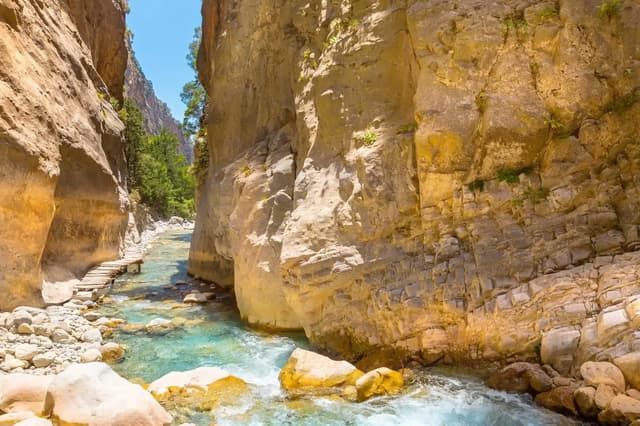
Chania is the island's most scenic city, with its Venetian harbor and lighthouse, old town lanes and waterfront bars, a base that mixes city vibes and nature, with Balos and Falassarna a day trip away. The southwest is all about hiking: the Samaria Gorge runs about 16 km (10 miles) and is usually open May to October, while Loutro and Agia Roumeli can only be reached on foot or by boat.
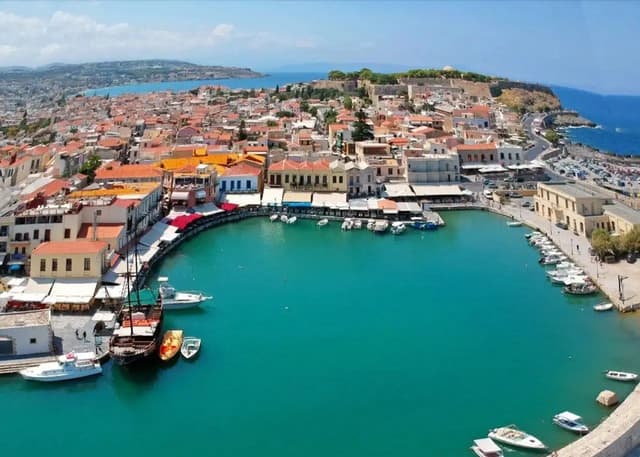
Rethymno has its own Venetian harbor and a fortress overlooking the sea. Farther south lie Preveli beach, with palm trees and a river, and Matala, a former hippie hideout with caves carved right into the rock, perfect for a trip blending sea and history.
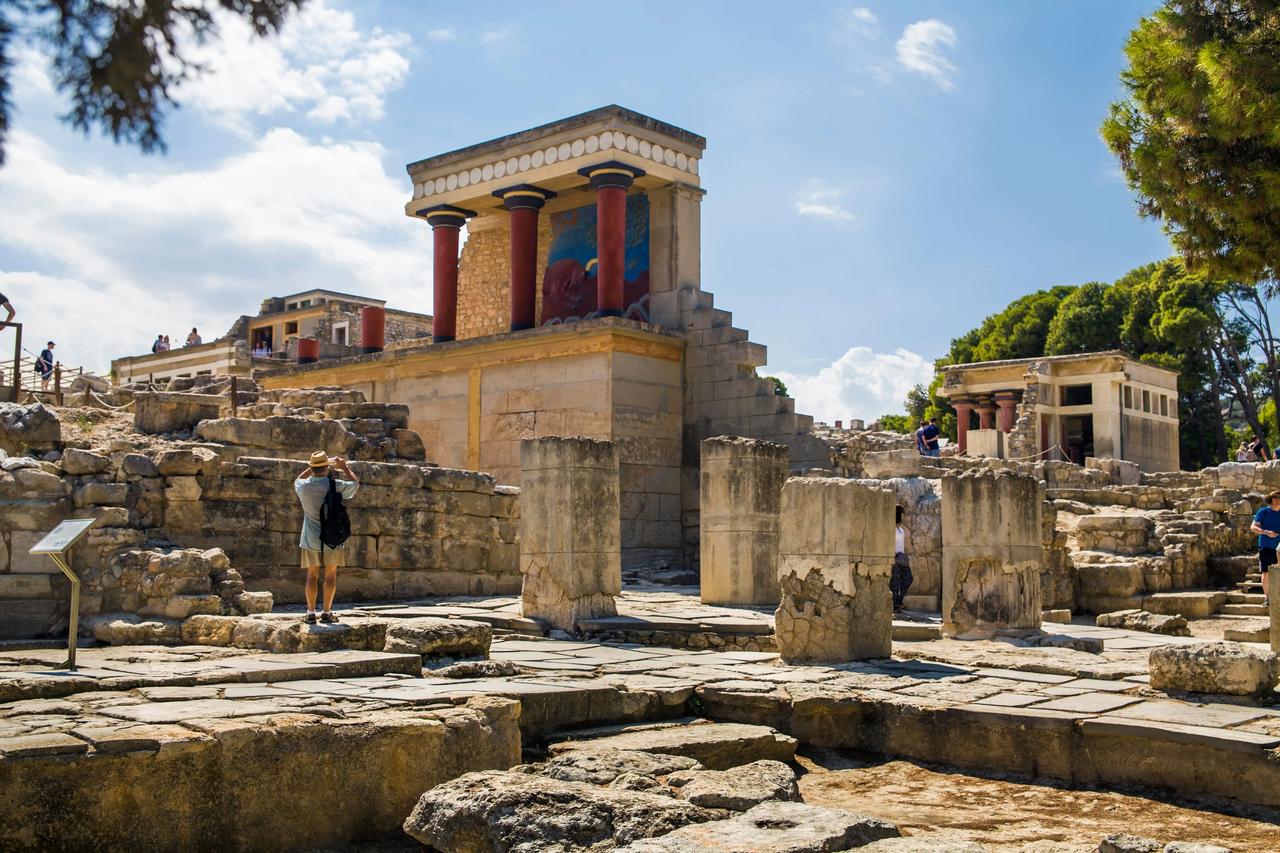
Heraklion is your gateway to Knossos, the Minoan palace and the island's most visited archaeological site. To the east, Agios Nikolaos and the Elounda lagoon are the jumping-off point for the fortress island of Spinalonga. Here ancient myths meet peaceful bays.
From the WeRoad blog


Crete travel guide: tips for planning your trip
When to go and getting around
The sweet spots are April to June and September to October, ideal for exploring, with the sea warm enough for a swim from late May. July and August are the hottest months, often over 30°C (86°F), and the busiest on the coast, while winter stays mild but the main gorges close. Crete is the largest Greek island, about 260 km (160 miles) long: Chania to Heraklion takes roughly two hours by road, and crossing north to south means driving over mountains that are snow-capped in winter. A good plan picks one base per area and mixes beaches like Elafonisi and Balos, archaeological sites and hiking trails. In summer the meltemi wind cools the north coast but can make the sea rough.
Ancient sites beyond Knossos
To make sense of Knossos, stop at the Heraklion Archaeological Museum, home to the original Minoan frescoes and the Phaistos Disc. On the Lasithi Plateau you can step inside the Psychro Cave, the mythical birthplace of Zeus, while Arkadi Monastery, near Rethymno, symbolizes Cretan resistance against the Ottomans. In the south, the palace of Phaistos overlooks the fertile Messara plain.
Cretan culture, wine and food
Minoan, Venetian and Ottoman layers show up everywhere, from fortresses to minarets in the old towns. Villages still play the Cretan lyra, and you'll often hear about filoxenia, hospitality toward anyone arriving from elsewhere. Wineries inland from Heraklion pour native grapes like vidiano and liatiko. Cretan cuisine starts with olive oil and wild greens called horta, then comes dakos, kalitsounia cheese pastries, staka goat's butter cream and chochlioi, snails with rosemary and vinegar. And yes, raki shows up at the end of your meal without anyone ordering it.