Canary islands vacation: small-group tours
Seven islands born from volcanoes, suspended between Africa and Europe: in the Canaries you go from black sand beaches to laurel forest trails in the same day. Our group trips to the Canary Islands take you there with people who, like you, are up for sea, hiking, surfing and shared sunsets.
Book with confidence
Book with $ 0
Lock in your spot and only pay once it's confirmed
Free changes
Switch dates or destination within 31 days, at no extra cost
Maximum Flexibility
With Flexible Cancellation, cancel up to 8 days before
Pay in installments
Spread the cost over time, interest-free
Group Trips to the Canary Islands
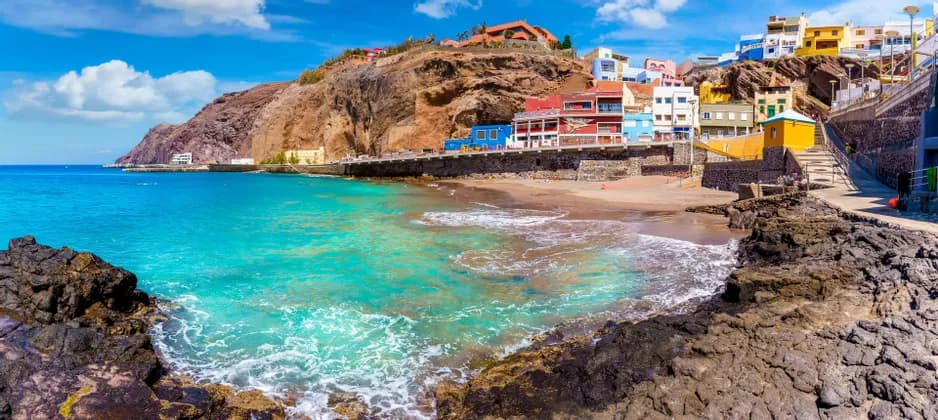
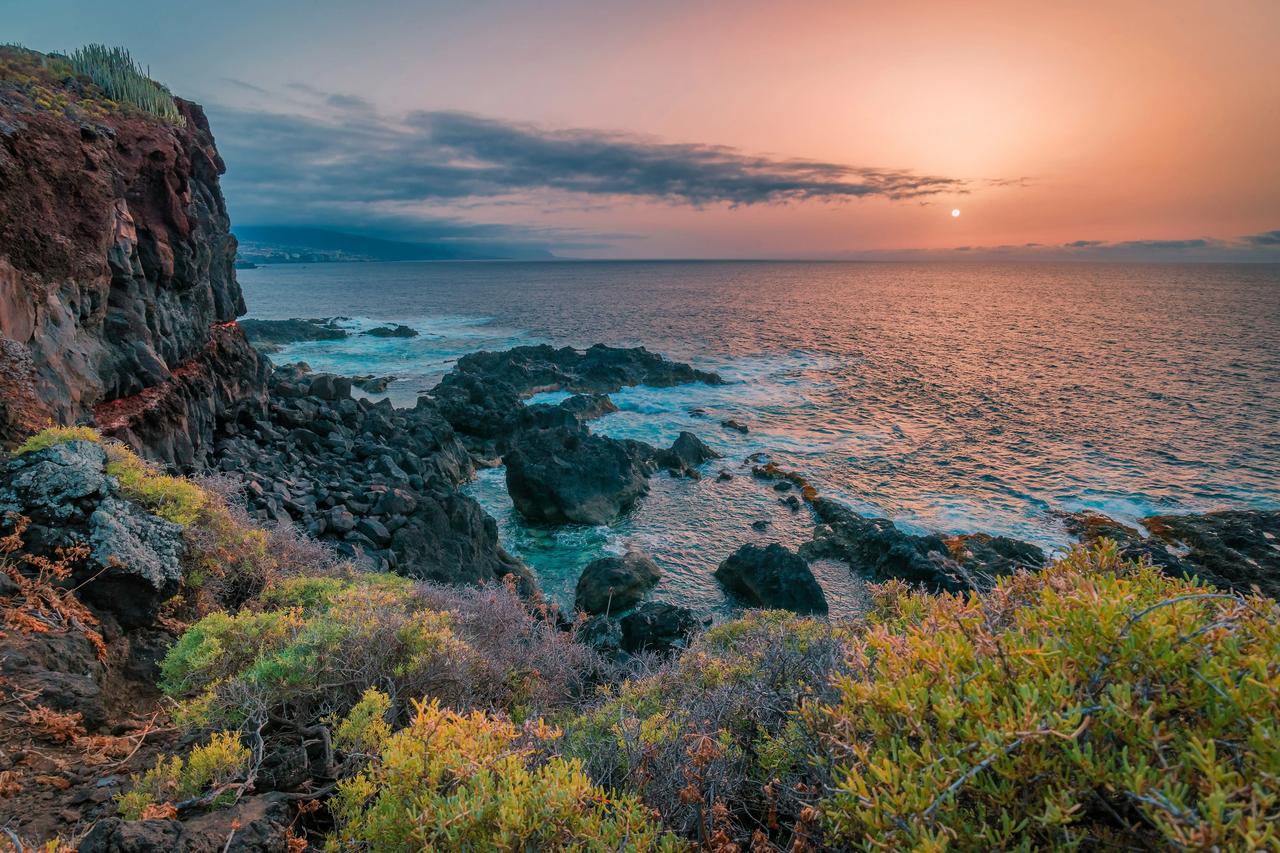
Volcanoes, surf beaches and laurel forests: one archipelago, seven islands
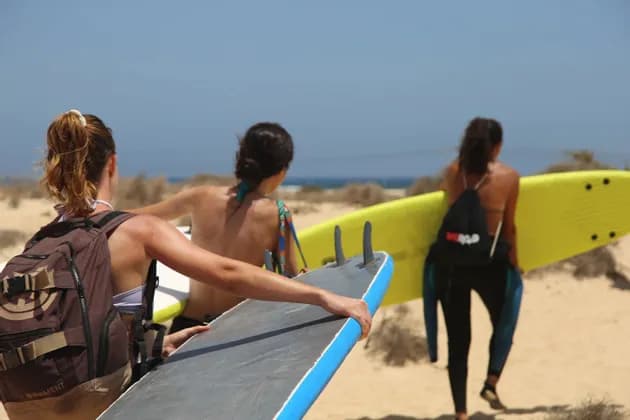
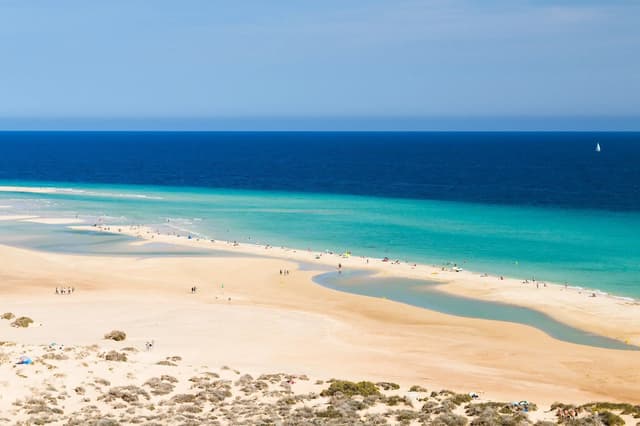
Tenerife has it all: the mighty Teide, treks on volcanic trails, black sand beaches and lively towns, for a trip that mixes adventure and downtime. It's the pick if you don't want to compromise. Fuerteventura is raw and windswept, with endless white beaches made for surfing, windsurfing and kitesurfing, plus open spaces, a slower pace and the feeling of being at the edge of the world.
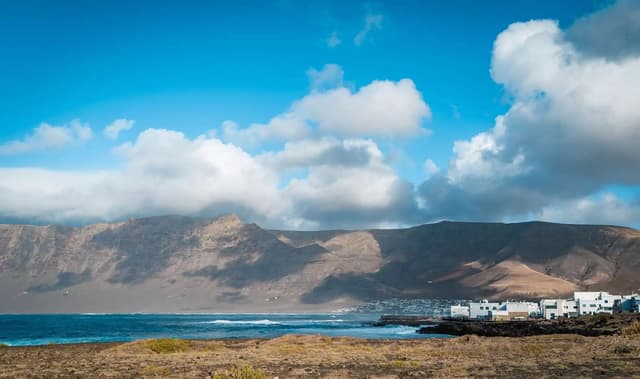
Lanzarote blends culture and geology: dark volcanic landscapes against the blue Atlantic, the architecture of César Manrique, hikes through craters and the La Geria vineyards. Gran Canaria is the most balanced pick, with the Maspalomas Dunes, the lively capital Las Palmas and hiking trails in its mountainous heart.
The smaller islands are all about untouched nature: laurisilva forest treks on La Gomera, stargazing on La Palma, and El Hierro, the smallest of all, powered entirely by renewable energy and known for spectacular dives.
From the WeRoad blog


Canary Islands travel guide: when to go and what to do
Sunshine all year and island hopping
The best time to visit is whenever you need some sun: the climate stays mild all year, with warm summers and pleasant winters. Summer is the classic beach season, while spring, fall and winter are perfect for hiking, surfing and escaping the cold. Each island has its own microclimates, and the south is usually sunnier than the north. Getting between islands is easy by ferry or short flights, often under an hour: Tenerife to La Gomera takes about an hour by boat, Fuerteventura to Lanzarote around 30 minutes. That's why many itineraries pair two neighboring islands instead of trying to see them all.
Things to do across the archipelago
You can surf and hike a volcano in Tenerife, ride camels over the Maspalomas dunes in Gran Canaria or chase black-sand beaches and lava landscapes in Lanzarote. Surfing, kitesurfing, hiking and diving are on offer on almost every island, with conditions changing from coast to coast, while on the smaller islands the pace slows right down.
Culture, festivals and island food
Each island has its own identity: La Gomera keeps Silbo Gomero alive, a whistled language recognized by UNESCO, and all of Lanzarote is a Biosphere Reserve. The biggest celebration is Carnival, with parades in Santa Cruz de Tenerife and Las Palmas de Gran Canaria between February and March. Wherever you go, you'll find papas arrugadas with mojo, gofio and local cheeses like Fuerteventura's goat's milk majorero, paired with Lanzarote malvasía and, to finish, ron miel, a honey rum. Many of these products are sold straight from the growers at farmers' markets, like the one in San Mateo on Gran Canaria.