In a nutshell
- Poland offers far more than a classic city break, combining royal capitals, rebuilt old towns, mountain landscapes, Baltic charm, and meaningful historical sites in one relatively easy-to-navigate country.
- Kraków stands out for first-time visitors thanks to its old town, Rynek Główny, Wawel Castle, Kazimierz, and easy access to the remarkable Wieliczka Salt Mine.
- Warsaw rewards travelers looking for depth, with essential museums, a reconstructed historic center, elegant green spaces like Łazienki Park, and cultural experiences such as vodka tastings and palace visits.
- Wrocław and Gdańsk add personality and variety, from bronze gnome hunting and Gothic island walks to maritime streetscapes, riverside promenades, and access to Malbork Castle.
- The best itinerary mixes cities with one standout extra, such as Zakopane for hiking, Malbork for medieval history, or slower neighborhood exploration for food, nightlife, and local atmosphere.
Poland has a habit of surprising people. One minute you’re expecting a quick city break with dumplings, cobblestones, and maybe a castle or two; the next, you’re deep in a salt mine, wandering a rebuilt old town, or staring at mountain lakes that look suspiciously like they were borrowed from the Alps.
If you’re planning a trip and wondering what’s really worth your time, this guide rounds up the most memorable places and experiences across the country. From historic cities to wild landscapes, these are the Polish highlights that genuinely deserve a spot on your itinerary.
Why Poland deserves more than a weekend
Poland combines layered history, varied landscapes, and good-value travel in a way few European destinations do. You can move from royal cities to forests, beaches, and mountain trails without huge distances, and the food scene is far more exciting than many first-time visitors expect.
It’s also a country that rewards curiosity. Yes, you can tick off the headline sights, but the real charm often comes from contrasts: medieval squares beside modern nightlife, solemn memorials alongside lively café culture, and grand castles followed by plates of pierogi that somehow disappear in three minutes. Mysterious, really.
11 must-see attractions and experiences in Poland
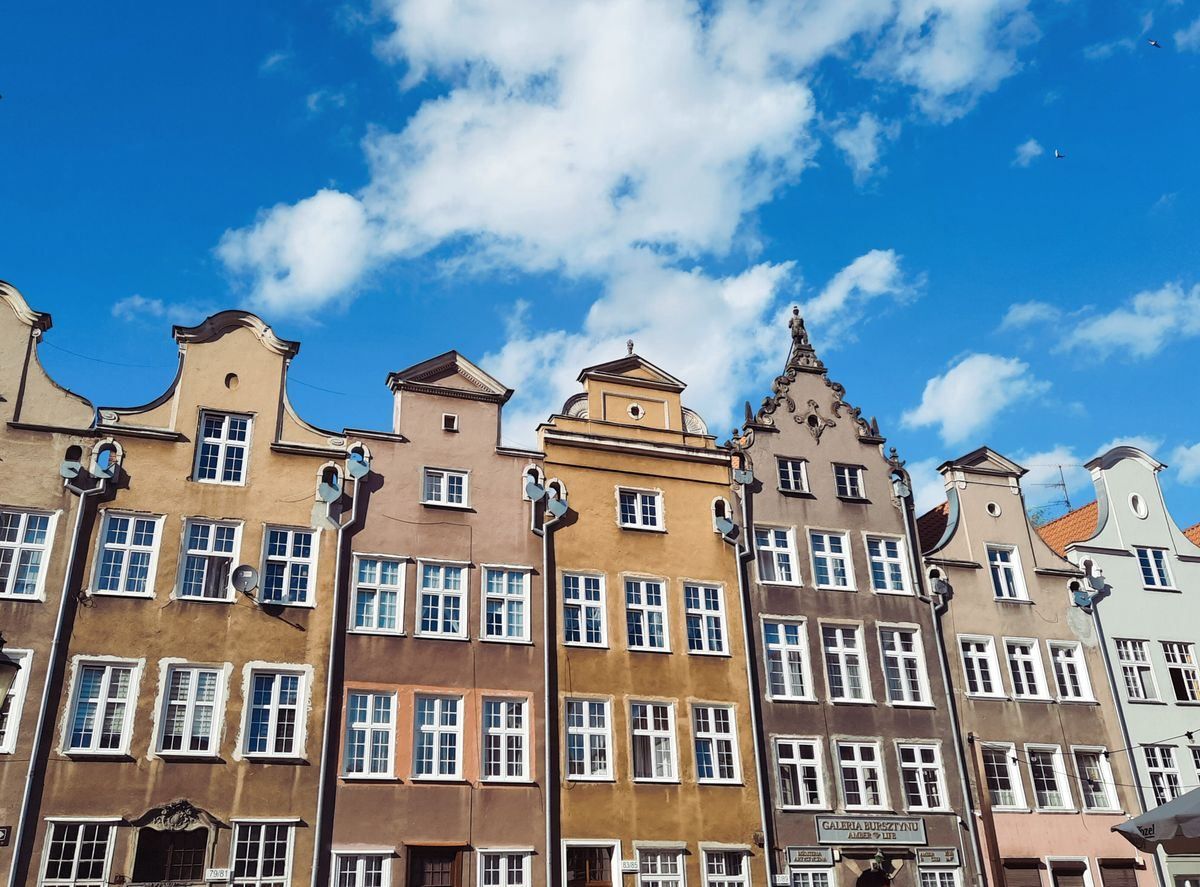
1. Explore Kraków’s old town and Wawel Hill
Kraków is one of the best places to start because it brings together architecture, history, and atmosphere in a compact, walkable center. Its old town is beautifully preserved, and Wawel Castle and the cathedral offer a strong introduction to Poland’s royal past.
Begin in the streets around the historic center, then make your way up to Wawel Hill for views over the Vistula River. Inside the castle complex, you’ll find courtyards, royal rooms, and cathedral spaces tied to centuries of Polish identity. It feels important, but never stiff. Kraków has that rare talent of being both grand and easy to love.
2. Take in Rynek Główny, one of Europe’s great market squares
Rynek Główny is not just a nice square to pass through. It is one of Europe’s largest medieval market squares and the social heart of Kraków, surrounded by churches, townhouses, restaurants, and the famous Cloth Hall.
Spend time here rather than rushing through it. Watch the rhythm of the city, step into St. Mary’s Basilica, and pause for coffee or people-watching. Early morning gives you calm and better photos; evening brings a buzzier mood. Either way, this is the kind of square that makes you suddenly consider moving abroad and becoming “a person who always sits outside with an espresso.”
3. Visit Kazimierz for culture, cafés, and nightlife
Kazimierz, Kraków’s former Jewish quarter, is one of the city’s most characterful areas. It combines important Jewish heritage sites with independent bars, live music venues, and a creative energy that makes it feel distinct from the old town.
Come during the day for synagogues, courtyards, and a deeper understanding of the neighborhood’s history. Return in the evening for candlelit bars, casual restaurants, and live music drifting out onto the street. It is thoughtful without being heavy, trendy without trying too hard, and very easy to accidentally stay out later than planned.
4. Descend into the Wieliczka Salt Mine
The Wieliczka Salt Mine, near Kraków, is one of Poland’s most unique attractions. Visitors descend deep underground through tunnels, chambers, and chapels carved from salt, discovering a site that is both historical and visually extraordinary.
What makes it memorable is the scale. This is not a quick cave stop; it is a whole subterranean world. The highlight for many is the Chapel of St. Kinga, where chandeliers, sculptures, and even decorative details are carved from salt. It is strange, impressive, and just theatrical enough to make you wonder whether miners were secretly interior designers.
5. Understand Warsaw through its history and resilience
Warsaw is worth visiting not only as Poland’s capital but also as a city shaped by extraordinary destruction and reconstruction. Its old town was painstakingly rebuilt, and its museums offer essential context for understanding modern Poland.
Focus on places that explain the city, not just decorate it. The Warsaw Rising Museum and the POLIN Museum are among the most impactful stops. Then walk through the rebuilt old town and along major boulevards to see how memory and modern life coexist. Warsaw is less about instant charm than about depth, and once it clicks, it really clicks.
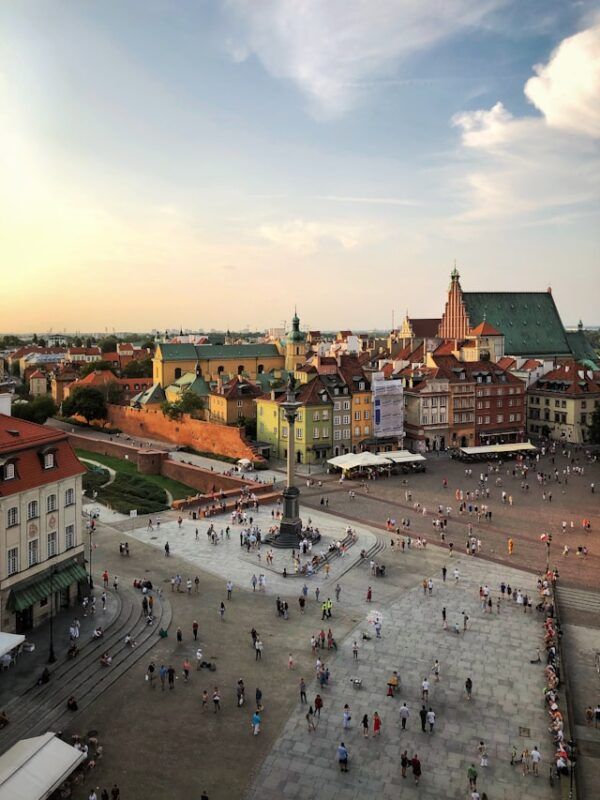
6. Slow down in Łazienki Park and visit Wilanów Palace
Warsaw also offers elegant green spaces and palatial architecture. Łazienki Park is the city’s best place for a relaxed walk, while Wilanów Palace adds baroque grandeur with formal gardens and richly decorated rooms.
If your trip needs a break from heavy history, this is the reset button. At Łazienki, stroll around the lakes and the Palace on the Water. At Wilanów, explore the royal interiors and manicured grounds. It is all very refined and peaceful, as if Warsaw is briefly saying, “Let’s all calm down and admire some symmetry.”
7. Try a vodka tasting with local context
Poland’s vodka culture is part of the country’s culinary identity, and tasting it in the right setting can be both fun and informative. In Warsaw, guided tastings and dedicated museum experiences offer a more thoughtful way to explore this tradition.
This is not about random shots in a crowded bar. A guided experience can explain production methods, regional styles, and the role vodka has played in social life. You will likely come away with a new appreciation for quality differences and, if timing is unfortunate, a new appreciation for drinking water too.
8. Go gnome hunting in Wrocław
Wrocław stands out for its colorful architecture, lively atmosphere, and unusual citywide tradition of bronze gnome statues. Finding them is one of the most playful ways to explore the city while also learning about a symbol linked to anti-communist resistance.
You can absolutely sightsee “normally” here, but the gnomes make everything more fun. They appear on corners, bridges, and sidewalks, often tied to local professions or stories. At the same time, Wrocław’s market square and riverside setting give it real substance beyond the whimsy. Still, the gnomes will win. They always do.
9. Walk through Ostrów Tumski in Wrocław
Ostrów Tumski is Wrocław’s oldest district and a quieter contrast to the city center. Set on an island in the Oder River, it is known for its Gothic churches, historic buildings, and more atmospheric pace.
This is where Wrocław turns softer and more reflective. Cross the bridges, look up at the cathedral towers, and stay long enough to enjoy the slower rhythm. In the evening, the area feels especially atmospheric. If the market square is the extrovert of the city, Ostrów Tumski is the friend who reads poetry and somehow makes it work.
10. Wander Gdańsk’s waterfront and old town
Gdańsk offers a very different urban experience from Kraków or Warsaw. Its maritime setting, Hanseatic architecture, and layered political history make it one of Poland’s most rewarding cities to explore on foot.
Walk along the Motława River, admire the decorated facades, and spend time on the main streets and along the waterfront. The city is visually striking, but it also matters historically, from the outbreak of World War II to the Solidarity movement. It manages to be both photogenic and significant, which is frankly an overachievement.
11. Tour Malbork Castle or head into nature in Zakopane
If you have extra time, choose between one of Poland’s greatest castles and one of its best outdoor regions. Malbork Castle is a major historical site near Gdańsk, while Zakopane opens the door to hiking, winter sports, and mountain scenery in the south.
Malbork Castle is the largest castle in the world by land area and feels every bit as epic as that sounds. If you prefer nature, go to Zakopane and the Tatra Mountains for trails, lakes, and alpine views. It depends on your mood: armored knights and brick fortresses, or boots, fresh air, and dramatic peaks. Poland kindly refuses to make this easy.
Best experiences in Poland at a glance
The country offers a mix of city culture, heritage, and outdoor travel. This quick comparison can help you choose based on your interests and available time.
| Place | Best for | Recommended time |
|---|---|---|
| Kraków | Historic center, food, nightlife, day trips | 2-4 days |
| Warsaw | Museums, history, parks, urban culture | 2-3 days |
| Wrocław | Architecture, gnomes, riverside walks | 1-2 days |
| Gdańsk | Waterfront, history, Baltic atmosphere | 2-3 days |
| Zakopane | Mountains, hiking, winter sports | 2-4 days |
| Malbork | Castle lovers and medieval history | Half day to 1 day |
Ready to hit the road? Discover also the best road trip routes across Europe and start planning your next unforgettable adventure with WeRoad.
Practical travel tips before you go
Poland is generally safe, well connected, and relatively affordable compared with many Western European destinations. A little planning helps, especially if you want to combine several cities by train.
- Currency: Poland uses the złoty, not the euro.
- Transport: Trains are efficient for major routes such as Kraków, Warsaw, Wrocław, and Gdańsk.
- Budget: Food, transport, and accommodation are often good value.
- Etiquette: Be respectful at memorial and war-related sites.
- Language: English is common in tourist areas, but learning a few Polish words is appreciated.
The WeRoad tip
Build your trip around Kraków and Warsaw, then add one contrast stop
If you want a Poland itinerary that feels rich without becoming a logistics puzzle, start with Kraków and Warsaw. In Kraków, spend time in Rynek Główny before heading up to Wawel Castle and down into the surreal chambers of the Wieliczka Salt Mine, where chapels carved from salt make “unique attraction” feel like an understatement. Then give yourself an evening in Kazimierz, where the former Jewish quarter now mixes history with bars, live music, and that dangerous “just one more place” energy.
In Warsaw, balance the city’s heavier historical side with a slower day in Łazienki Park, wandering around the lakes and the Palace on the Water, then add either the baroque elegance of Wilanów Palace or a guided vodka tasting with local context. If you still have time for one more stop, choose your flavor of adventure: Wrocław for gnome-hunting and Gothic streets, or Malbork Castle near Gdańsk if your inner medieval drama queen needs a full day out.
Plan your Poland trip with the right pace
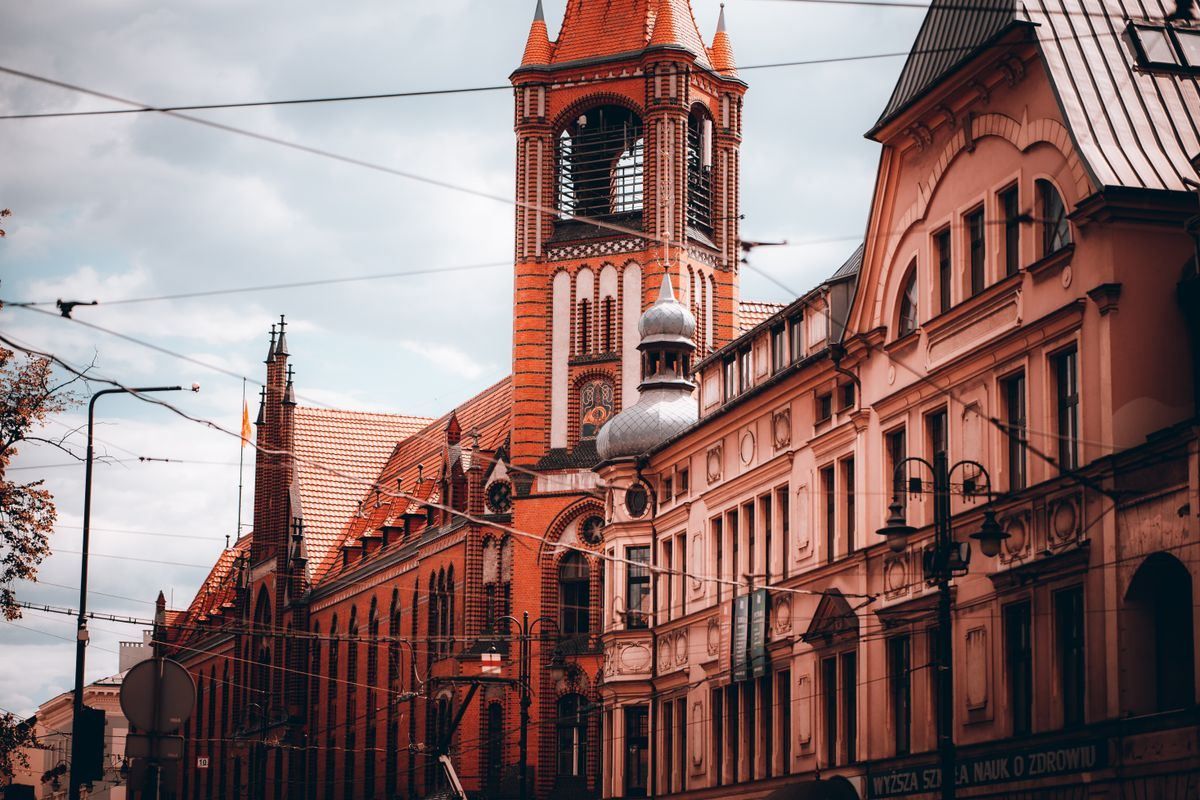
The best way to experience Poland is to balance major cities with one or two more specific experiences, such as a castle, a mountain stay, or a historical day trip. That mix gives a fuller picture of the country’s personality.
If you want to explore this destination without planning every train, ticket, and dumpling stop yourself, take a look at the WeRoad group trips to Poland and discover the country with fellow travelers who are just as ready for castles, culture, and questionable pronunciation attempts.
FAQ
- What is worth visiting in Poland?
-
The top places worth visiting include Kraków, Warsaw, Gdańsk, Wrocław, Wieliczka Salt Mine, Malbork Castle, and Zakopane. Together, they cover Poland’s best history, architecture, culture, and nature.
- Is Poland friendly towards Americans?
-
Yes, Poland is generally friendly toward American travelers. In major cities and tourist areas, visitors from the US are usually welcomed warmly, and English is commonly spoken in hotels, restaurants, and many attractions.
- Is Poland cheap or expensive?
-
Poland is often considered affordable compared with many Western European countries. Accommodation, train travel, and dining can offer excellent value, especially outside peak travel periods or beyond the most touristy central areas.
- What are some do’s and don’ts in Poland?
-
Do be respectful at memorials, concentration camp sites, and museums related to war history. Do greet politely and carry some cash for smaller places. Don’t confuse Poland with using the euro, and don’t treat solemn historical sites like casual photo backdrops.
- How many days do you need in Poland?
-
A good first trip usually needs 7 to 10 days. That gives enough time to combine Kraków, Warsaw, and either Gdańsk or Wrocław, plus one special experience like Zakopane, Malbork Castle, or Wieliczka.