In a nutshell
- The Amalfi Coast is a UNESCO-listed stretch of coastline in Campania known for dramatic cliffs, colorful towns, lemon terraces, and a unique blend of scenic beauty and living cultural heritage.
- Naples is the closest major city and the main gateway, while Salerno is often the most convenient transport hub thanks to its rail links and seasonal ferry access to the coast.
- The main towns offer different experiences: Positano is iconic and glamorous, Amalfi is historic and practical, Ravello is elegant and panoramic, while places like Praiano and Atrani feel quieter and more local.
- The coast can be expensive, especially in summer, but travelers can control costs by staying in less famous towns, booking early, using buses and ferries, and visiting during spring or early autumn.
- A broader trip through Campania adds major highlights such as Naples, Pompeii, Herculaneum, Capri, and Sorrento, turning a coastal holiday into a richer regional itinerary focused on culture, food, and landscape.
There are places that look unreal even before your camera starts exaggerating, and this corner of southern Italy is one of them. The Amalfi Coast blends dramatic cliffs, colorful towns, lemon groves, sea views, and a generous dose of Campania’s food culture into one unforgettable trip. It is beautiful, yes, but also layered, lively, and surprisingly varied once you move beyond the postcards.
Some travelers come for Positano, some for long lunches by the sea, some for hiking, and some because they saw one photo and immediately lost all financial self-control. Fair enough. The good news is that with the right base, timing, and transport strategy, you can experience the coast well whether you want classic glamour, quieter villages, or a broader journey through Campania.
Why the Amalfi Coast is so special
The Amalfi Coast stands out because it combines natural beauty, historic towns, terraced landscapes, and local traditions in a relatively compact area. It is not just a beach destination, but a cultural landscape shaped by people over centuries, which is exactly why it feels both spectacular and deeply lived-in.
This stretch of coastline in southern Italy overlooks the Tyrrhenian Sea and runs through some of the region’s most iconic towns, including Amalfi, Ravello, and Positano. Since 1997, it has been a UNESCO World Heritage Site, recognized for the balance between human settlement and dramatic geography.
What makes it memorable is the contrast: one minute you are walking through elegant piazzas and cathedral steps, the next you are staring at cliffs that seem to have been designed by an overly ambitious Renaissance painter. Add lemon-scented air, ceramic shops, fishing villages, and excellent seafood, and the whole place starts showing off a little.
Where is the Amalfi Coast and what is the closest city?
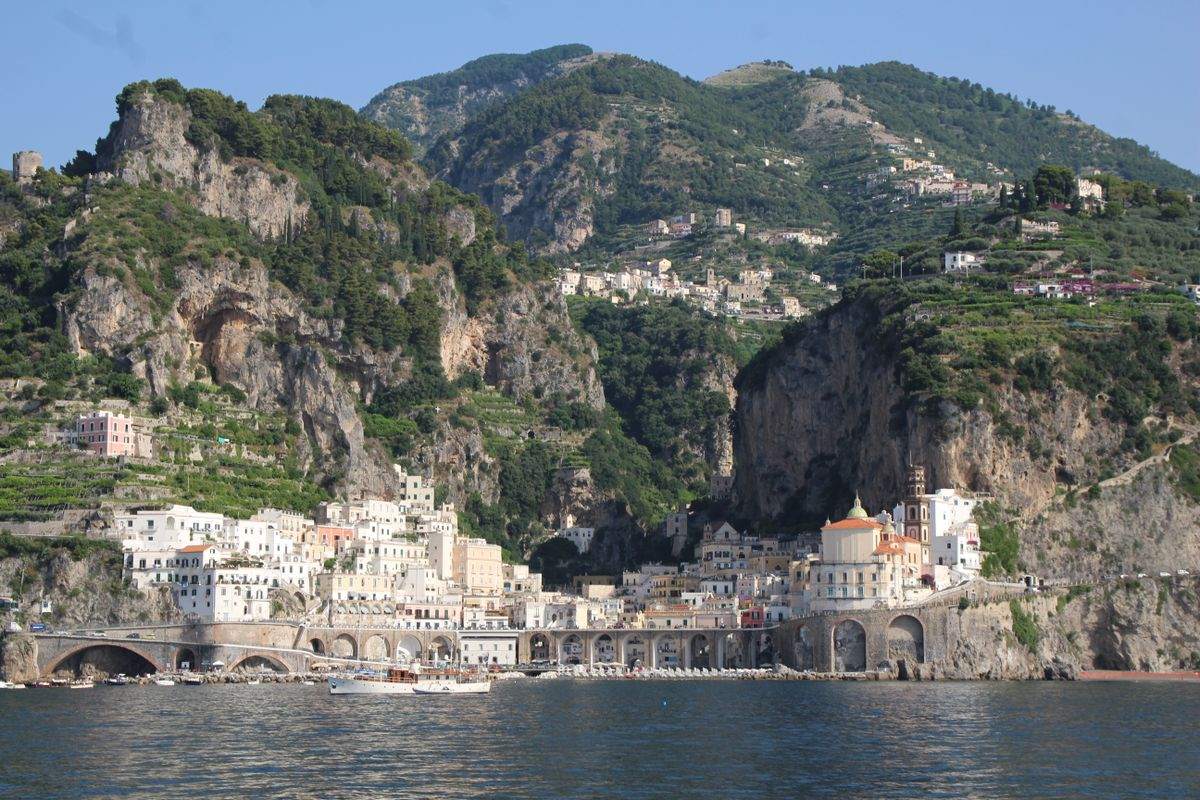
The Amalfi Coast lies in the Campania region, south of Naples and along the Sorrentine Peninsula. For most travelers, Naples is the closest major city and the main gateway, while Salerno is often the most convenient transport hub for reaching the coast directly.
If you are flying internationally, Naples International Airport is usually the simplest arrival point. From there, you can continue by train, ferry, private transfer, or bus. Salerno is particularly useful if you want a smoother approach by sea or rail, especially in high season.
In practical terms:
- Naples: closest major city and main airport
- Salerno: excellent for trains and ferries
- Sorrento: not on the Amalfi Coast proper, but often used as a base
The geography matters because this is not the kind of destination where you “just pop over” without planning. Roads are narrow, travel times can be slow, and distances that look tiny on a map may involve many curves and a dramatic amount of patience.
Best towns to visit on the Amalfi Coast
The best towns depend on the experience you want. Positano is iconic, Amalfi is historic and practical, Ravello is refined and scenic, while smaller places like Praiano and Atrani feel quieter and more local. A balanced itinerary usually mixes famous stops with lesser-known villages.
| Town | Best for | Atmosphere | Notes |
|---|---|---|---|
| Positano | First-time visitors, style, views | Glamorous, lively | Very photogenic, very steep, often expensive |
| Amalfi | History, transport, day trips | Busy, classic | Good ferry connections and central location |
| Ravello | Gardens, views, romance | Elegant, peaceful | Above the coast, not directly on the sea |
| Praiano | Quieter stays, sunsets | Relaxed, residential | Great base between Positano and Amalfi |
| Atrani | Authentic feel, compact charm | Local, intimate | Small but beautiful, next to Amalfi |
| Maiori | Beach time, easier access | Laid-back, practical | Broader seafront and useful for families |
Positano
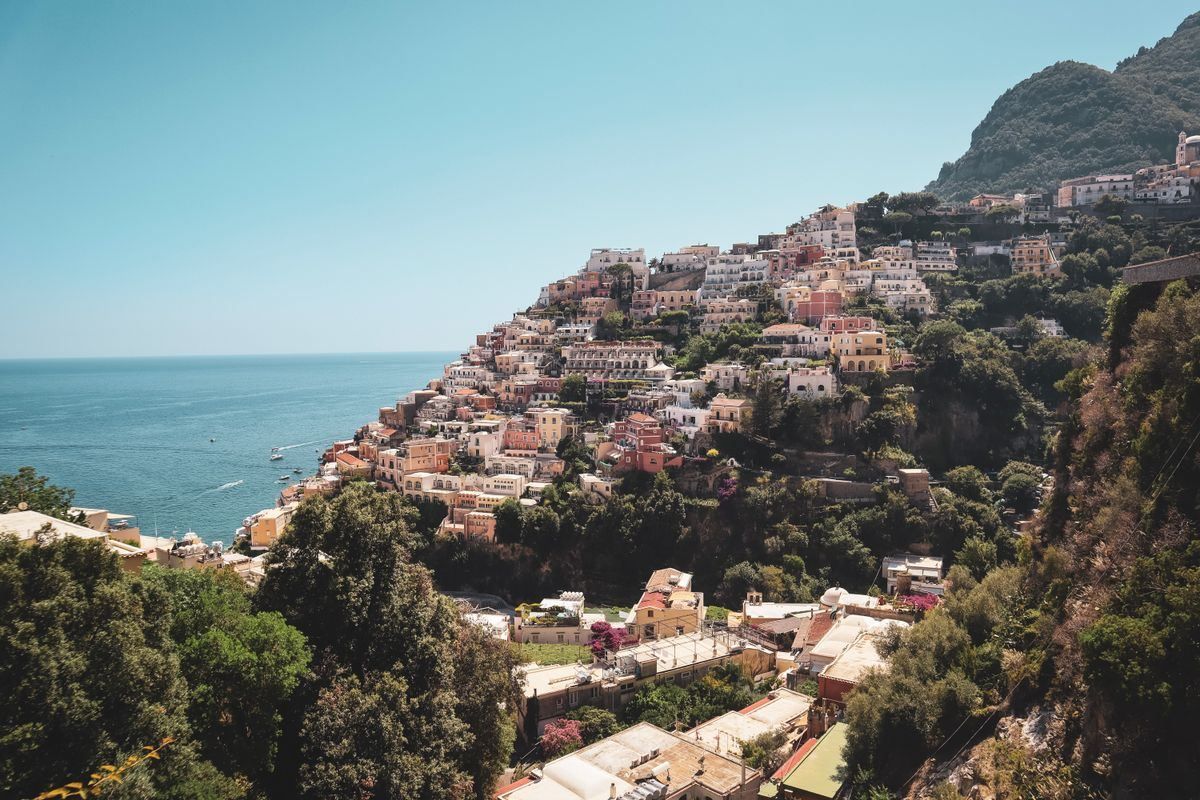
Positano is the Amalfi Coast’s most famous town because it delivers the full cinematic effect. Expect pastel houses, stylish hotels, boutique shopping, and steep lanes that double as a leg workout. It is gorgeous, energetic, and often crowded, especially from late spring to early autumn.
If you want the postcard version of the coast, this is it. It is ideal for short stays, special occasions, and travelers who do not mind paying more for scenery and atmosphere. Also, yes, the stairs are real. Your calves will remember Positano long after your phone storage recovers.
Amalfi
Amalfi offers history, services, and strong transport connections, making it one of the most practical places to visit or use as a base. It feels busier than some neighboring towns, but it rewards visitors with cultural landmarks and a more central position for exploring the coast.
The main highlight is the Cathedral of Saint Andrew, which dominates the town center. Amalfi also has a long maritime history and remains one of the coast’s key hubs. If you like a place with movement, restaurants, and easy access to ferries, it works very well.
Ravello
Ravello is special for its elevated position, historic villas, and sweeping views over the coastline. It feels calmer and more polished than the seaside towns, making it an excellent choice for travelers who want beauty without quite so much beach-club buzz.
Do not miss Villa Rufolo and Villa Cimbrone, especially the famous Terrace of Infinity. Ravello is often described as one of the prettiest towns in the area, and it has a strong case. It wins on elegance, gardens, and views that make you temporarily forget all your unread emails.
Is the Amalfi Coast very expensive?
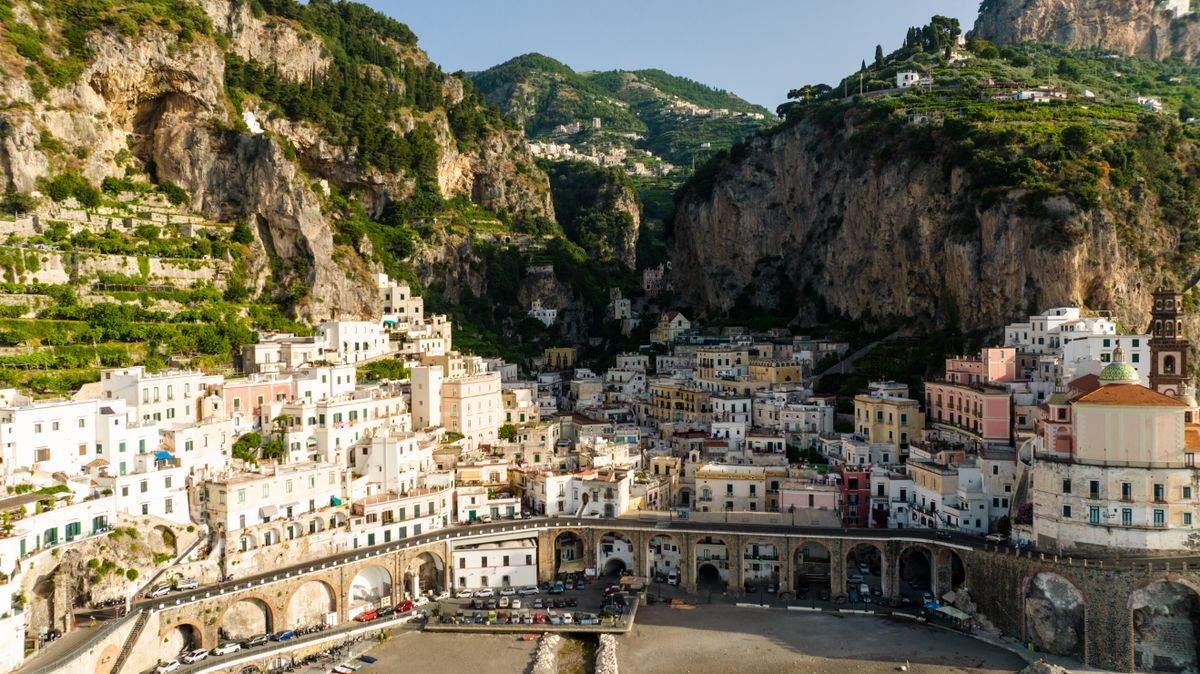
The Amalfi Coast can be expensive, especially in peak season and in headline towns like Positano. However, it is possible to manage costs by choosing quieter villages, traveling in shoulder season, using public transport, and booking accommodation well in advance.
Prices vary a lot depending on where and when you go. Luxury hotels, beach clubs, and sea-view dining can push budgets up quickly, but smaller towns offer more moderate options. In general:
- Most expensive: Positano, top-end Amalfi and Ravello stays
- More balanced: Praiano, Maiori, Minori, Atrani, Vietri sul Mare
- Best value periods: April, May, late September, October
If budget matters, avoid assuming the whole coast costs the same. One aperitivo with a view may feel like an investment portfolio decision, while lunch in a less touristy town can be refreshingly reasonable. Campania, thankfully, still believes in feeding people properly.
How to get around the Amalfi Coast
Getting around the Amalfi Coast is easiest with a combination of ferries and buses, depending on the season. Driving is possible, but it is often stressful due to narrow roads, traffic, and limited parking, especially in summer.
Your main options are:
- Ferries for scenic and efficient travel between major coastal towns
- SITA buses for budget-friendly local transport
- Private transfers for convenience, especially with luggage
- Scooters only if you are confident and experienced
- Car rental mainly outside peak season or for broader Campania trips
Ferries are often the most enjoyable way to move around because they avoid road traffic and give you those classic sea views. Buses are useful but can be crowded. Driving the coastal road is unforgettable, but not always in the wholesome, birds-chirping sense. Sometimes unforgettable means “I aged spiritually in that hairpin turn.”
When to visit the Amalfi Coast
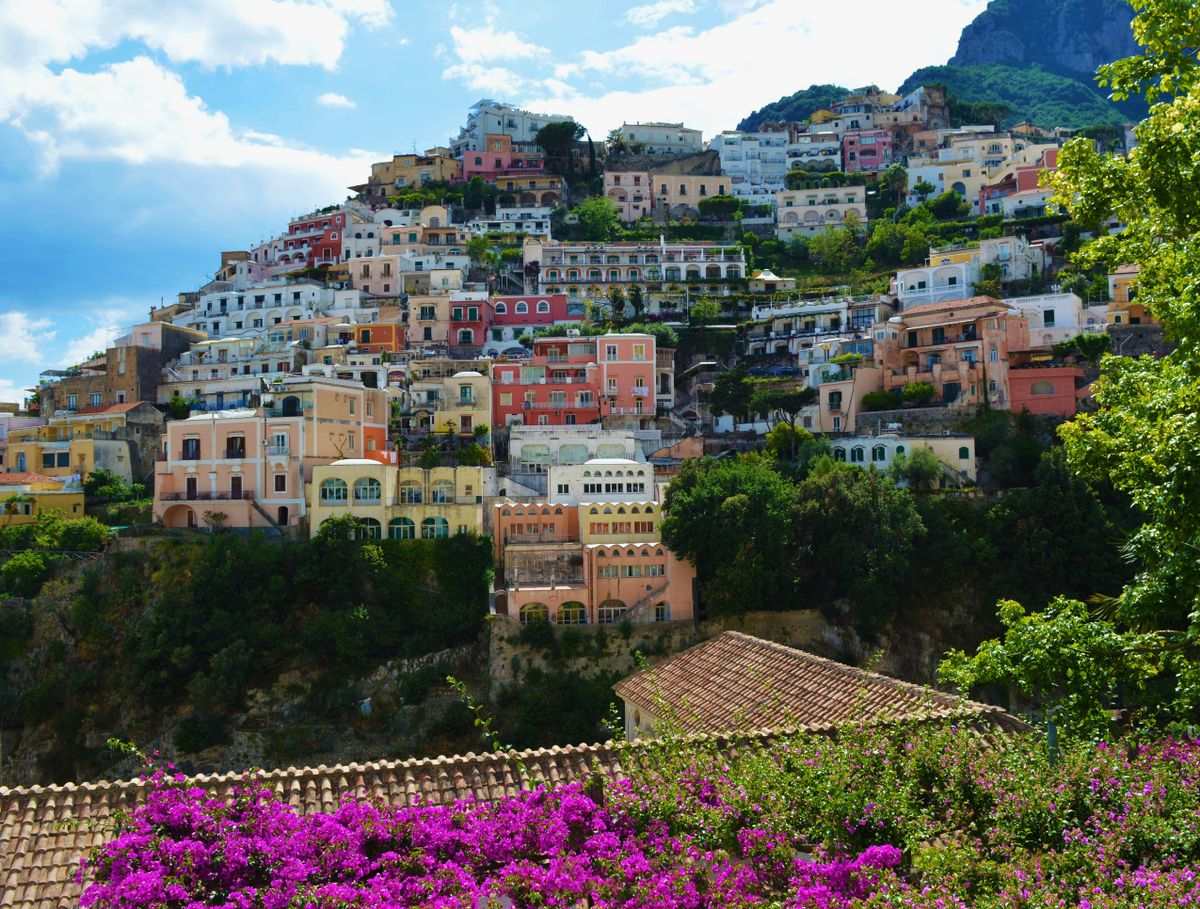
The best time to visit the Amalfi Coast is usually from April to June or from September to October. These months offer pleasant weather, active ferry routes, and fewer crowds than the peak summer period, while still allowing for sightseeing, hiking, and meals outdoors.
Here is a quick seasonal overview:
- Spring: mild weather, flowers, ideal for walking and touring
- Summer: hottest, busiest, most expensive, best for swimming
- Early autumn: warm sea, good light, slightly calmer vibe
- Winter: quieter, but many seasonal businesses may close
If your priority is atmosphere and beach time, summer works. If your priority is actually enjoying the place without feeling like you are in a stylish human traffic jam, shoulder season is often better.
What to eat in Amalfi Coast and Campania
Food is one of the strongest reasons to visit this part of Italy. The Amalfi Coast and wider Campania region offer seafood, handmade pasta, pastries, lemons, and wines rooted in local traditions, making the trip as much about flavor as scenery.
Look out for:
- Sfusato Amalfitano lemons and local limoncello
- Anchovies from Cetara and colatura di alici
- Scialatielli ai frutti di mare
- Sfogliatella Santa Rosa
- Mozzarella di bufala when exploring inland Campania
- Pizza before or after the coast, especially in Naples
The region rewards curiosity. Eat by the sea, try the pastries, and do not skip simple dishes that sound too ordinary on paper. In Campania, “simple” has a suspicious habit of being outstanding.
Beyond the coast: what to see in Campania
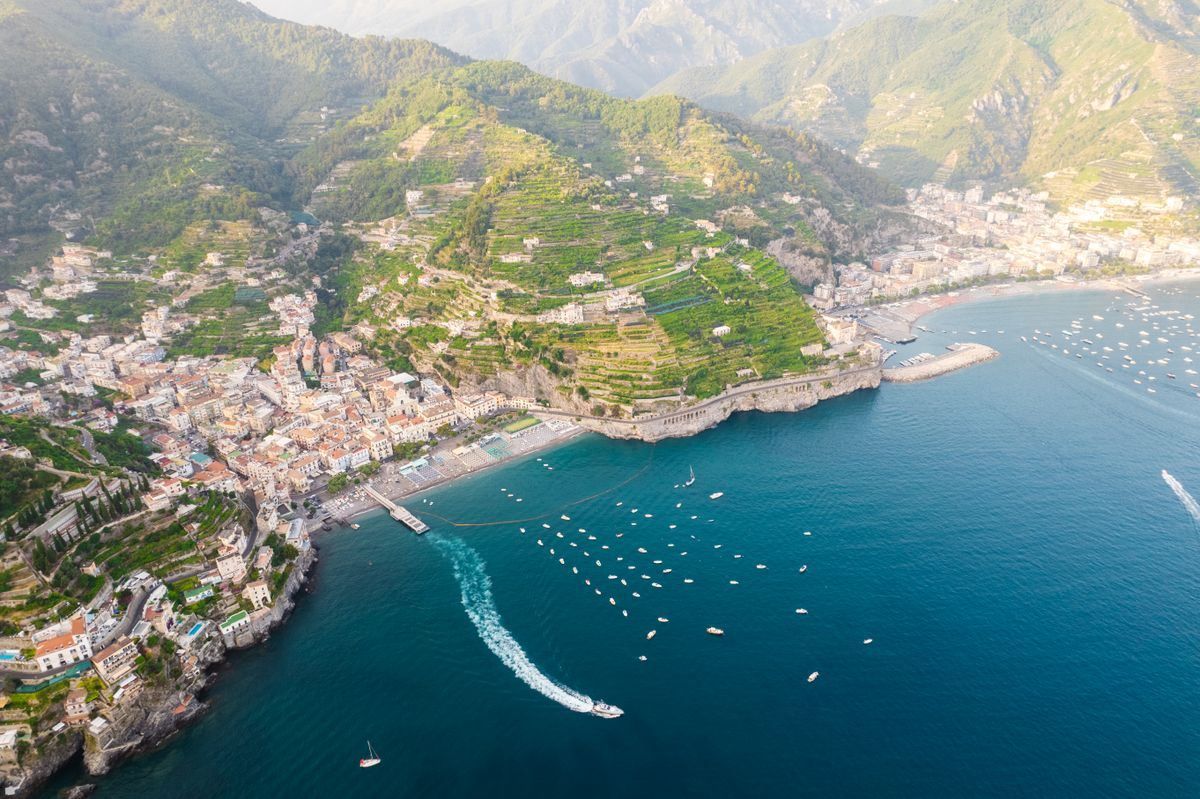
Campania adds depth to an Amalfi Coast trip with world-class archaeology, lively cities, islands, and volcanic landscapes. If you have more than a few days, combining the coast with nearby destinations makes the journey richer and often more practical.
Top additions include:
- Naples for food, energy, museums, and historic streets
- Pompeii and Herculaneum for Roman history
- Capri for a glamorous island day trip
- Sorrento for a convenient coastal base
- Paestum for Greek temples if you go farther south
This is the great advantage of using the Amalfi Coast as part of a wider Campania itinerary: you get beauty, yes, but also archaeology, urban culture, and food that keeps raising the standard with alarming confidence.
Plan your stay smartly
Choosing the right base can shape your entire experience. Travelers who want iconic views often prefer Positano, while those seeking better value and a calmer pace may enjoy Praiano, Maiori, Minori, or Atrani. Amalfi works well for convenience and connections.
Before booking, consider:
- How many days you have
- Whether you prefer ferries or road travel
- Your tolerance for stairs
- Your budget for accommodation and dining
- Whether you want nightlife, beach time, or quiet evenings
A short trip usually benefits from one well-chosen base. Longer stays can justify splitting time between the coast and another part of Campania, such as Naples or Sorrento. If you can wake up to a sea view and still afford dinner, congratulations: you have won Amalfi Coast logistics.
Your next move
The Amalfi Coast is best enjoyed with a clear plan that leaves room for wandering, slow meals, and the occasional scenic detour. Whether you come for famous towns or quieter corners, the experience becomes even better when paired with the wider cultural richness of Campania.
Take the classic photos, absolutely, but also look beyond them. Sit in a small piazza, take the ferry instead of rushing, taste local specialties, and give yourself enough time to absorb the landscape. And if you want to experience the destination in great company, discover the WeRoad group trips dedicated to the Amalfi Coast and Campania.
FAQ
- How many days do you need for the Amalfi Coast?
-
At least 3 days is a good starting point to visit major towns like Positano, Amalfi, and Ravello. With 5 to 7 days, you can explore more slowly, include beaches or hikes, and add nearby places in Campania such as Naples or Pompeii.
- What is the prettiest town in the Amalfi Coast?
-
This depends on your taste, but Positano is often considered the prettiest for its cliffside houses and iconic views. Ravello is a strong contender if you prefer elegant gardens and panoramic terraces, while Atrani charms travelers looking for a more intimate and authentic setting.
- Is it better to stay in Positano or Amalfi?
-
Positano is better for atmosphere, style, and classic views, while Amalfi is better for convenience, transport links, and central positioning. If you want a quieter compromise, Praiano is also worth considering.
- Can you do the Amalfi Coast without a car?
-
Yes, and in high season it is often easier without one. Ferries, local buses, and private transfers can cover most routes, while avoiding the stress of parking and narrow coastal roads.
- What food should you try on the Amalfi Coast?
-
Do not miss local lemons, limoncello, anchovies from Cetara, seafood pasta, and pastries like sfogliatella Santa Rosa. If your itinerary includes Naples, make room for pizza too.