In a nutshell
- The best national parks outside the US stand out for a mix of scenery, biodiversity, unique experiences, and conservation value, with top choices ranging from mountain icons like Banff and Torres del Paine to wildlife giants such as Serengeti and Kruger.
- Travelers should choose parks based on their preferred experience: trekking in Sagarmatha, self-drive safari in Kruger, waterfall-focused sightseeing in Iguazu, marine and island exploration in Komodo, or biodiversity-rich adventure in the Galápagos.
- Seasonality is crucial because weather, trail conditions, wildlife visibility, and crowd levels vary dramatically; dry months usually work best for trekking and safaris, while shoulder seasons often offer a better balance between access and fewer visitors.
- Some parks are ideal for first-time nature travelers thanks to stronger infrastructure and accessibility, including Banff, Jasper, Arenal, and Kruger, while others are better suited to travelers ready for more demanding logistics, such as Torres del Paine or Sagarmatha.
- A strong bucket-list shortlist includes parks that feel truly irreplaceable, especially Serengeti for wildlife, Torres del Paine for trekking, Fiordland for fjords, and Galápagos for rare species, helping travelers build trips around experiences that are difficult to replicate elsewhere.
If your idea of happiness involves wild landscapes, dramatic views, and the occasional moment of staring into the distance like you’re in a travel documentary, you’re in the right place. The best national parks in the world offer far more than pretty scenery: they protect ecosystems, wildlife, and cultures that make every trip feel bigger than a simple holiday.
And the best part? You do not need to stay in the United States to find jaw-dropping parks. From African savannahs to Patagonian peaks, from coral reefs to volcanic valleys, the planet is basically showing off. Below, you’ll find standout national parks worth visiting right now, plus practical advice to choose the right one for your travel style.
What makes a national park one of the best?
The best national parks combine exceptional scenery, strong biodiversity, memorable experiences, and a sense of place that stays with you long after the trip. Accessibility matters too, but remoteness can be part of the magic when it protects truly wild environments.
Not all great parks offer the same thing, and that is exactly why comparing them is so fun. Some deliver epic hiking, others are all about wildlife, and a few make you question whether Earth is secretly another planet in disguise.
- Scenery: mountains, glaciers, deserts, coastlines, rainforests, or volcanic landscapes
- Wildlife: iconic species and strong chances of meaningful sightings
- Experiences: hiking, safaris, kayaking, scenic drives, trekking, snorkeling
- Conservation value: protected habitats and cultural significance
- Travel appeal: seasonality, infrastructure, and overall uniqueness
The 12 best national parks in the world
These parks stand out for their natural beauty, distinct identity, and unforgettable visitor experiences. The list mixes famous icons with dream-trip destinations, focusing on places outside the US (but if yout looking for the most stunning national parks in the U.S. don’t miss our guide) that feel genuinely worth the long flight, the early alarm, and the suspiciously expensive hiking socks.
Banff National Park, Canada
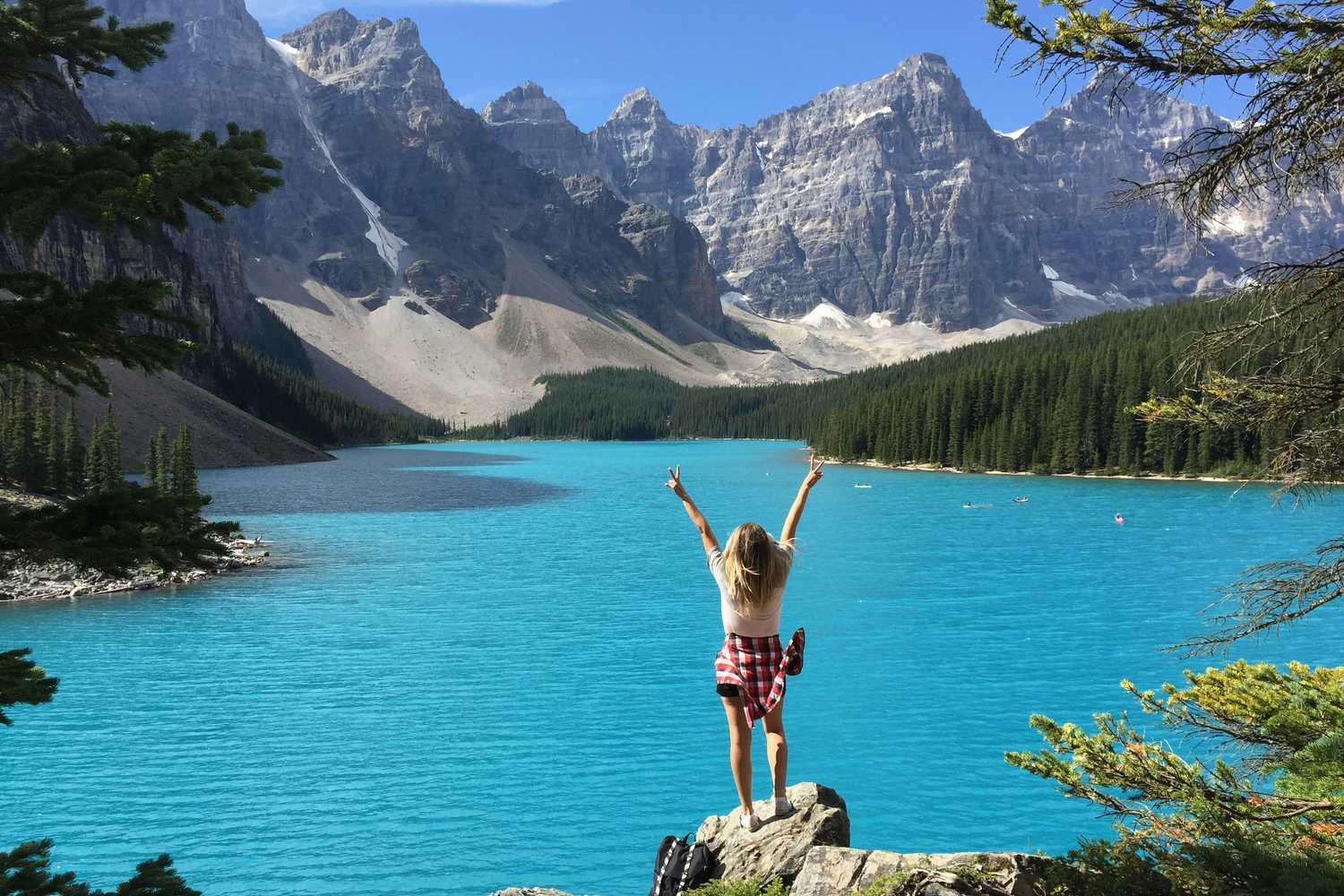
Banff National Park, Canada, is one of the world’s most visually striking mountain parks, with turquoise lakes, jagged peaks, glaciers, and excellent infrastructure. It is ideal for travelers who want a big alpine experience without sacrificing comfort, scenic drives, or easy access to classic viewpoints.
Lake Louise and Moraine Lake get most of the fame, and yes, they are absurdly photogenic. But Banff is more than postcard overload. The Icefields Parkway, wildlife sightings, canoe routes, and alpine hikes make it one of the best all-around parks on Earth.
Torres del Paine National Park, Chile
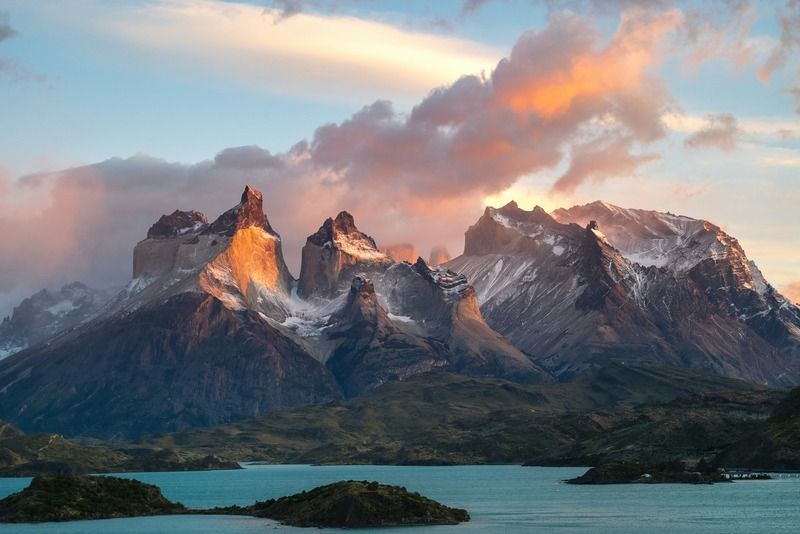
Torres del Paine, Chile, is among the best national parks for trekking, with granite towers, icy lakes, grasslands, and powerful Patagonian weather. It delivers raw, cinematic landscapes and a feeling of scale that few places can match.
This is the kind of park where the wind can bully you, your legs can file an official complaint, and you still end each day thinking, “Worth it.” The W Trek is the classic route, but even shorter visits reveal glaciers, guanacos, and those famous jagged peaks.
Serengeti National Park, Tanzania
Serengeti National Park is one of the greatest wildlife destinations in the world. It offers huge plains, abundant predators, and the annual Great Migration, making it a top choice for travelers who want a national park experience centered on animals rather than trails.
Seeing lions in the wild tends to rearrange your internal priorities very quickly. Suddenly, emails feel less important. The Serengeti’s scale is extraordinary, and every game drive has the potential to feel like a National Geographic episode with worse hair and better snacks.
Kruger National Park, South Africa
Kruger National Park combines excellent wildlife viewing with strong accessibility and a wide range of accommodation options. It is one of the best parks for a first safari, especially for travelers who want flexibility and reliable chances to spot the Big Five.
Kruger works brilliantly because it can be tailored to different budgets and travel styles. You can go self-drive, guided, luxury, or somewhere in between. Few parks make you feel this connected to wildlife while still allowing decent coffee before sunrise.
Fiordland National Park, New Zealand
Fiordland National Park, in New Zealand, is one of the best national parks for dramatic landscapes shaped by water and ice. With fjords, waterfalls, rainforest, and steep cliffs, it offers a different kind of grandeur: wetter, moodier, and frankly a bit theatrical.
Milford Sound is the headline act, but the whole region is spectacular. Boat trips, scenic flights, and Great Walks like the Milford Track turn Fiordland into a dream for travelers who like their nature large, misty, and slightly intimidating in the best possible way.
Jasper National Park, Canada
Jasper National Park delivers a quieter Rocky Mountain experience than Banff, with glaciers, lakes, wildlife, and dark skies. It is ideal for travelers who want space, slower rhythms, and excellent outdoor opportunities in every season.
Jasper feels like Banff’s slightly less flashy but deeply charming sibling. It has fewer crowds, a lot of elk, and some of the best stargazing anywhere. If you like your mountain trips with room to breathe, this one deserves a top spot.
Plitvice Lakes National Park, Croatia
Plitvice Lakes National Park, Croatia, is one of Europe’s most beautiful protected areas, famous for its chain of lakes, waterfalls, and wooden walkways. It is not a wilderness giant like others on this list, but it is visually outstanding and highly memorable.
The water here looks edited, like someone turned the saturation up and forgot to turn it back down. Plitvice is perfect for a shorter nature-focused trip, especially if you want easy trails and scenery that makes your camera work overtime.
Iguazu National Park, Argentina and Brazil
Iguazu National Park – which spans both Argentina and Brazil -is one of the world’s greatest waterfall destinations, protecting a vast subtropical forest around the immense Iguazu Falls. It is a must for travelers who love high-impact natural spectacles and easy, rewarding sightseeing.
There are waterfalls, and then there is Iguazu, which behaves as if subtlety were illegal. The roar, the spray, the panoramic trails, and the surrounding jungle create one of the most overwhelming and joyful park experiences anywhere.
Komodo National Park, Indonesia
Komodo National Park, in Indonesia, stands out for its rare wildlife, island scenery, and marine biodiversity. It offers a mix of rugged hills, pink-sand beaches, coral-rich waters, and the famous Komodo dragons, making it one of the most unusual parks on the planet.
Anywhere that includes giant lizards and dreamy island views is already having a strong week. Add snorkeling with manta rays and dramatic coastal lookouts, and Komodo becomes the overachiever of the national park world.
Galápagos National Park, Ecuador
Galápagos National Park is among the best national parks for biodiversity and wildlife encounters. The islands offer rare species, volcanic landscapes, and strict conservation management, creating a deeply distinctive and educational travel experience.
Here, animals often act like humans are mildly interesting but not especially important. That is part of the charm. Sea lions nap on benches, marine iguanas look prehistoric, and every excursion feels like a science lesson with much better scenery.
Sagarmatha National Park, Nepal
Sagarmatha National Park, home to Mount Everest, is one of the world’s premier high-altitude protected areas. It is best for travelers seeking mountain culture, iconic trekking routes, and unmatched Himalayan scenery.
This is not casual park strolling. Sagarmatha is for those who want suspension bridges, monasteries, altitude, and views so huge they make your phone gallery feel inadequate. It is physically demanding, spiritually memorable, and absolutely legendary.
Arenal Volcano National Park, Costa Rica
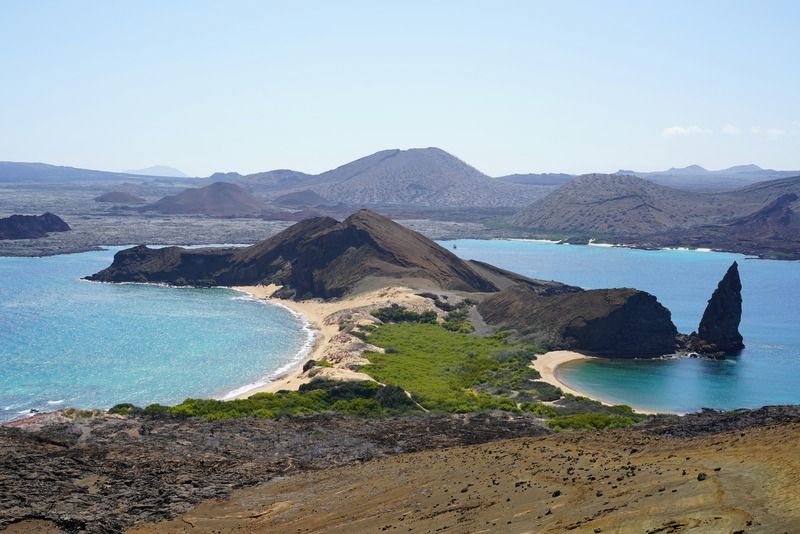
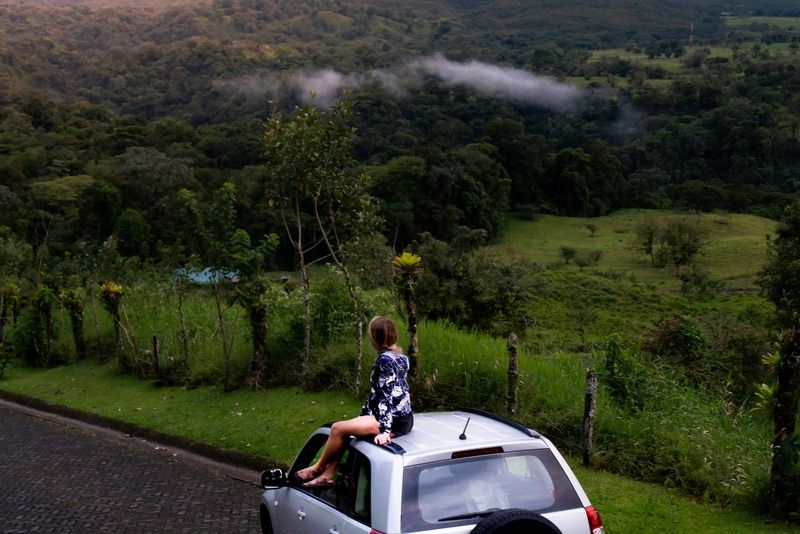
Arenal Volcano National Park offers rainforest, lava-shaped landscapes, hot springs, and rich biodiversity in a compact, accessible setting. It is one of the best choices for travelers who want adventure and comfort in the same itinerary.
You can hike, zipline, soak in hot springs, and spot wildlife all in one trip, which is honestly a very efficient use of vacation time. Arenal is ideal if you want your national park experience to include a little adrenaline and a lot of greenery.
How to choose the right park for your trip
The right national park depends on your priorities, travel season, budget, and preferred pace. Some parks reward active trekkers, while others are perfect for scenic drives or guided wildlife experiences with less physical effort.
A simple way to choose is to start from the experience you want most, not the name you recognize best. A famous park is not automatically the best fit if your dream trip involves kayaking rather than hiking, or wildlife rather than mountains.
- Pick your main goal: hiking, wildlife, photography, road trip, or relaxation
- Check seasonality: weather can transform access and visibility
- Be realistic about logistics: some parks need flights, permits, or guides
- Match effort to style: not everyone wants a 6 a.m. summit push, and that is fine
- Consider trip length: some parks shine in one day, others need a week
When to visit the best national parks
The best time to visit depends on the park’s climate, wildlife patterns, and crowd levels. Shoulder seasons often provide the best balance of good conditions and fewer visitors, though some destinations are at their peak only in a very specific window.
In other words, timing matters. Showing up in the wrong season can mean closed trails, heavy rain, poor wildlife visibility, or the emotional damage of cloud-covered mountain views. Always check conditions before booking and again before leaving.
- For trekking: prioritize dry, stable months
- For safaris: dry seasons usually improve sightings
- For waterfalls: wetter months can increase flow, but also crowds and humidity
- For fewer people: look at shoulder months before or after peak season
Parks that deserve a spot on your bucket list
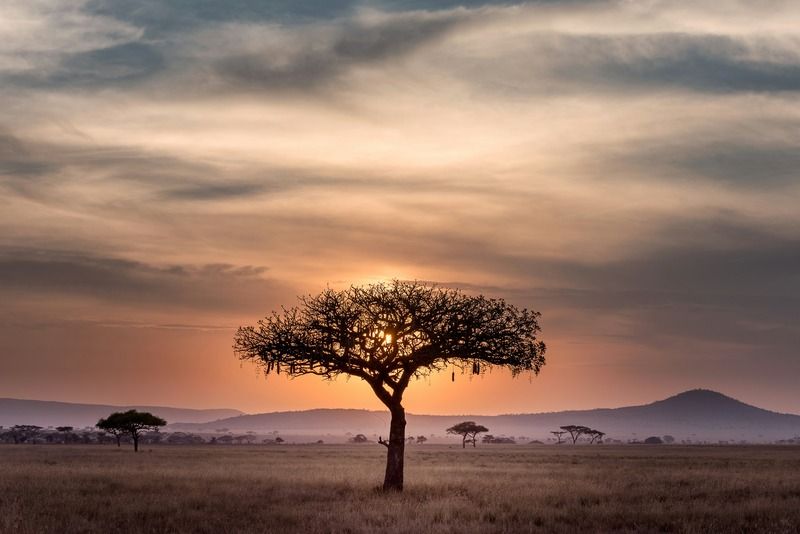
If you are building a long-term wish list, focus on parks that offer a once-in-a-lifetime combination of scenery, wildlife, and atmosphere. The best bucket-list parks feel distinctive enough that no other destination can really replace them.
A smart shortlist could include:
- Serengeti for world-class wildlife
- Torres del Paine for epic trekking
- Galápagos for rare biodiversity
- Fiordland for dramatic fjord landscapes
- Sagarmatha for iconic Himalayan trekking
If you are already dreaming about wild landscapes, unforgettable trails, or your first big safari, this might be the perfect moment to discover WeRoad adventure group trips for destinations like Tanzania, Costa Rica, South Africa, Nepal, or Patagonia.
The world is full of spectacular protected places, but the best trips happen when the park matches the kind of adventure you actually want. Choose well, pack smart, and prepare to say “wow” more times than strictly necessary.
FAQ
- What are the top 10 best national parks in the world?
-
A strong global top 10 outside the US could include Banff, Torres del Paine, Serengeti, Kruger, Fiordland, Galápagos, Jasper, Iguazu, Komodo, and Sagarmatha. The ideal ranking depends on whether you value hiking, wildlife, scenery, or accessibility most.
- Which national park is the best in the world?
-
There is no single universal winner, but Serengeti is often considered one of the best for wildlife, while Torres del Paine and Banff are top contenders for landscape beauty. The best choice depends on the kind of trip you want.
- What is the most beautiful national park outside the US?
-
Many travelers would name Torres del Paine, Fiordland, or Banff among the most beautiful. If you prefer waterfalls, Iguazu is a standout; if you prefer wildlife and open plains, Serengeti is hard to beat.
- Which national park is best for wildlife?
-
Serengeti National Park is one of the best wildlife parks in the world thanks to the Great Migration, big cats, and vast ecosystems. Kruger is another excellent choice, especially for first-time safari travelers.
- Which national park is best for hiking?
-
Torres del Paine is one of the best hiking parks globally, especially for multi-day trekking. Sagarmatha is another top option for trekkers who want high-altitude Himalayan routes and iconic mountain views.