In a nutshell
- The 14 parks selected in this guide stand out for their scenery, accessibility, and signature experiences, covering a wide range of landscapes such as geothermal basins, granite cliffs, red rock deserts, alpine lakes, rainforest, coastline, and giant forests.
- Top-tier classics like Yellowstone, Yosemite, Grand Canyon, Zion, and Glacier remain essential picks because they combine iconic sights with memorable activities including scenic drives, wildlife viewing, famous hikes, and photography opportunities.
- Each park suits different travel styles: families may prefer Sequoia or Acadia, hikers often gravitate toward Zion or Rocky Mountain, photographers love Grand Teton and Bryce Canyon, while remote-adventure seekers should look at Denali and Olympic.
- Timing matters almost as much as destination choice, since many parks are best in spring, summer, or fall depending on road access, temperatures, snow conditions, and crowd levels, especially in places like Glacier, Denali, and Rocky Mountain.
- Smart planning improves the entire experience, from booking permits and lodging early to arriving at trailheads in the morning, carrying layers and water, downloading offline maps, and always checking official park alerts before departure.
The United States is packed with landscapes that seem almost unfairly beautiful: granite cliffs, red rock canyons, steaming geysers, glacier-fed lakes, and forests so tall they make you feel like a dropped Lego. If you’re searching for the best national parks in the US, this guide brings together 14 unforgettable parks worth adding to your travel list.
Some are iconic first-timers, some reward repeat visits, and all of them offer something different. Whether you’re into scenic drives, wildlife watching, epic hikes, or simply standing somewhere and whispering, “Wow,” there’s a park here for you.
How we chose these national parks
These 14 parks stand out for their scenery, accessibility, signature experiences, and overall wow factor. The list balances famous classics with a few parks that feel slightly less obvious, so it works whether you’re planning your first national parks trip or your fifth.
We focused on parks that deliver memorable experiences for a wide range of travelers. That means not just hardcore hikers, but also road trippers, photographers, couples, and groups of friends who want stunning views without needing mountaineering skills and emotional support from trekking poles.
Quick comparison of the 14 best national parks in the USA
This table gives you a fast overview of the landscapes, best seasons, and signature experiences in each park. It’s useful if you’re comparing destinations for a future road trip or trying to decide where your hiking boots deserve to suffer next.
| Park | State | Best for | Best time to visit |
|---|---|---|---|
| Yellowstone | Wyoming, Montana, Idaho | Geysers, wildlife, geothermal wonders | May to June, September |
| Yosemite | California | Granite cliffs, waterfalls, iconic hikes | May to October |
| Grand Canyon | Arizona | Epic viewpoints, hiking, geology | March to May, September to November |
| Zion | Utah | Red rock canyons, adventure hikes | Spring, fall |
| Glacier | Montana | Alpine scenery, lakes, wildlife | July to September |
| Grand Teton | Wyoming | Mountain views, lakes, photography | June to September |
| Acadia | Maine | Coastline, easy access, fall colors | June to October |
| Rocky Mountain | Colorado | High-altitude trails, wildlife, scenic drives | June to October |
| Olympic | Washington | Rainforest, coast, mountains | July to September |
| Arches | Utah | Rock formations, short hikes, photography | Spring, fall |
| Bryce Canyon | Utah | Hoodoos, viewpoints, stargazing | April to October |
| Great Smoky Mountains | Tennessee, North Carolina | Misty scenery, forests, road trips | Spring, fall |
| Sequoia | California | Giant trees, family-friendly sights | Late spring to fall |
| Denali | Alaska | Wilderness, wildlife, remote adventure | June to early September |
The 14 parks worth putting on your list
These parks represent the most unforgettable national park experiences in the country. Each one offers a distinct landscape and mood, from giant sequoias and desert arches to alpine peaks and steaming geothermal basins. In short: no two feel remotely the same.
1. Yellowstone National Park
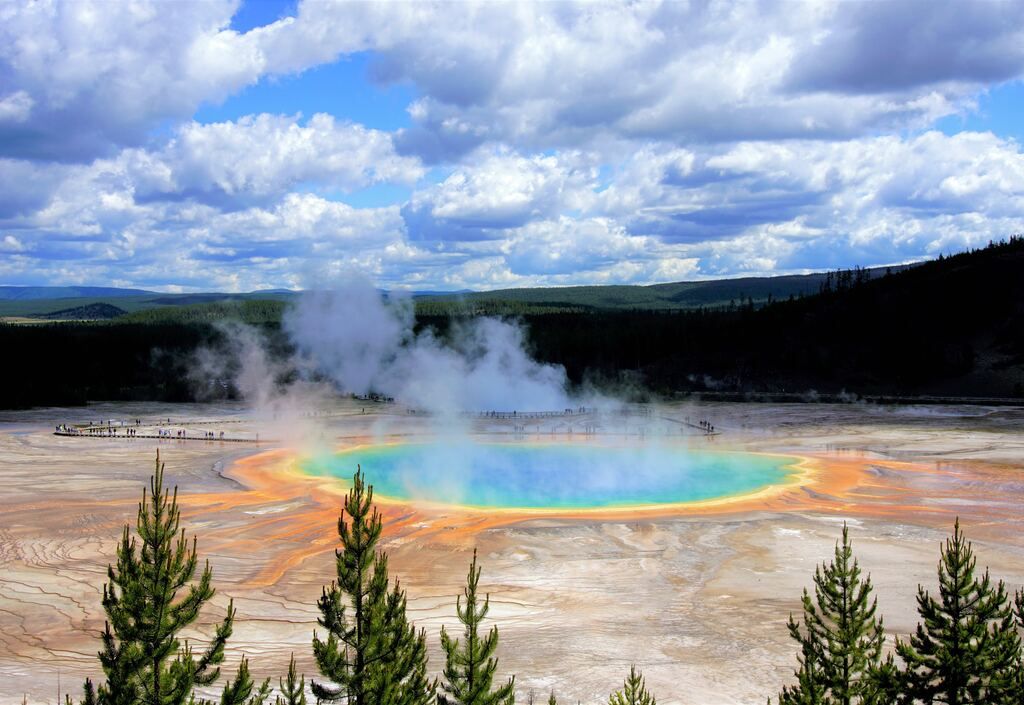
Yellowstone is the most iconic park in the country for good reason. It combines geothermal features, broad valleys, forests, waterfalls, and incredible wildlife into one giant natural spectacle that still feels wild despite its fame.
Old Faithful may get the headlines, but Yellowstone is much more than one punctual geyser. You can watch bison jam traffic like they own the roads, spot elk in Lamar Valley, and walk boardwalks above colorful hot springs that look suspiciously Photoshopped in real life.
2. Yosemite National Park
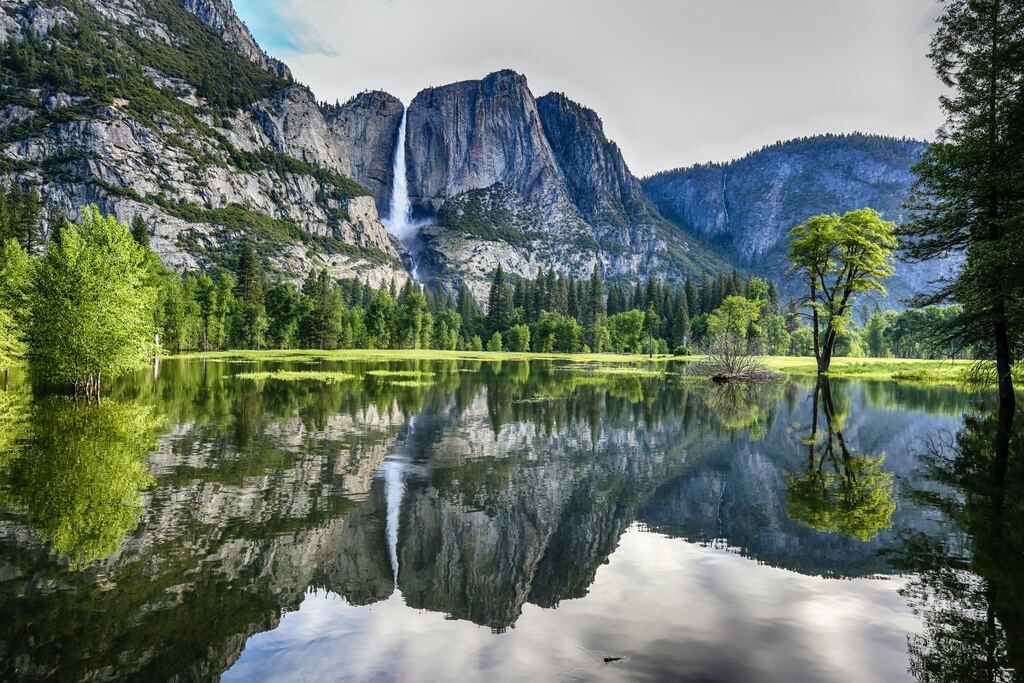
Yosemite is one of the most famous national parks in the world, known for massive granite walls, waterfalls, and giant sequoias. It delivers dramatic scenery almost immediately, even if you barely leave the car.
Yosemite Valley is the star, with landmarks like El Capitan, Half Dome, and Yosemite Falls. But the park gets even better once you branch out to Glacier Point or Tuolumne Meadows. It’s the kind of place that makes amateur phone photos feel oddly cinematic.
3. Grand Canyon National Park
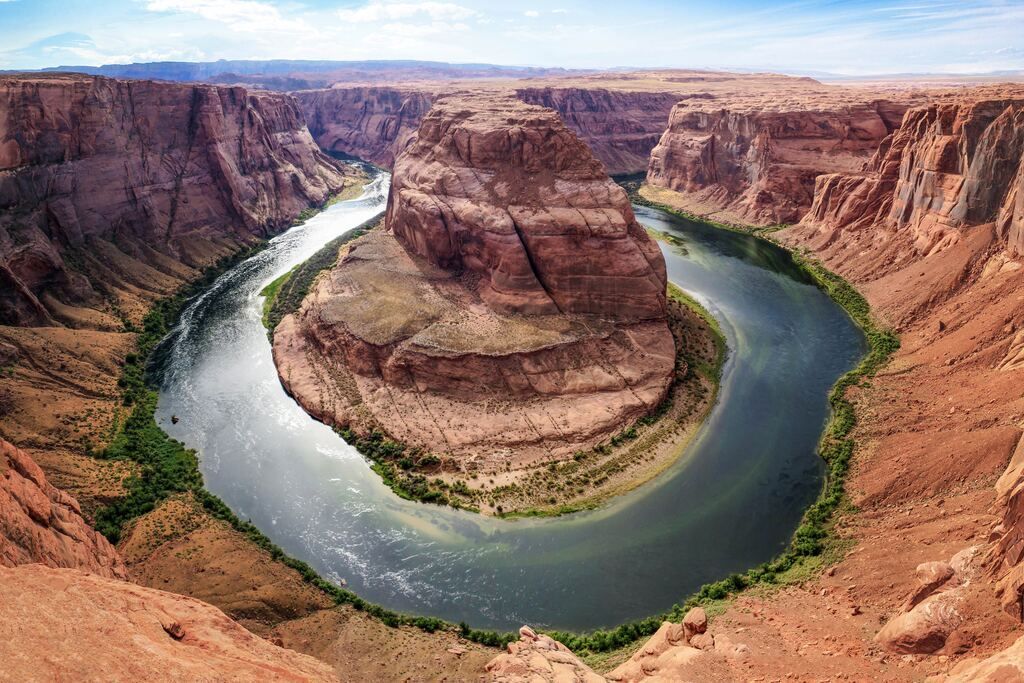
Grand Canyon offers one of the most astonishing landscapes in the United States. Its scale is difficult to understand until you’re standing at the rim, staring into layers of rock that seem to stretch into another planet.
The South Rim is the easiest area to visit and has plenty of viewpoints. Hikers can tackle trails below the rim, but even a short visit can be unforgettable. It’s one of those places where everyone goes quiet for a second, which is impressive by tourist standards.
4. Zion National Park
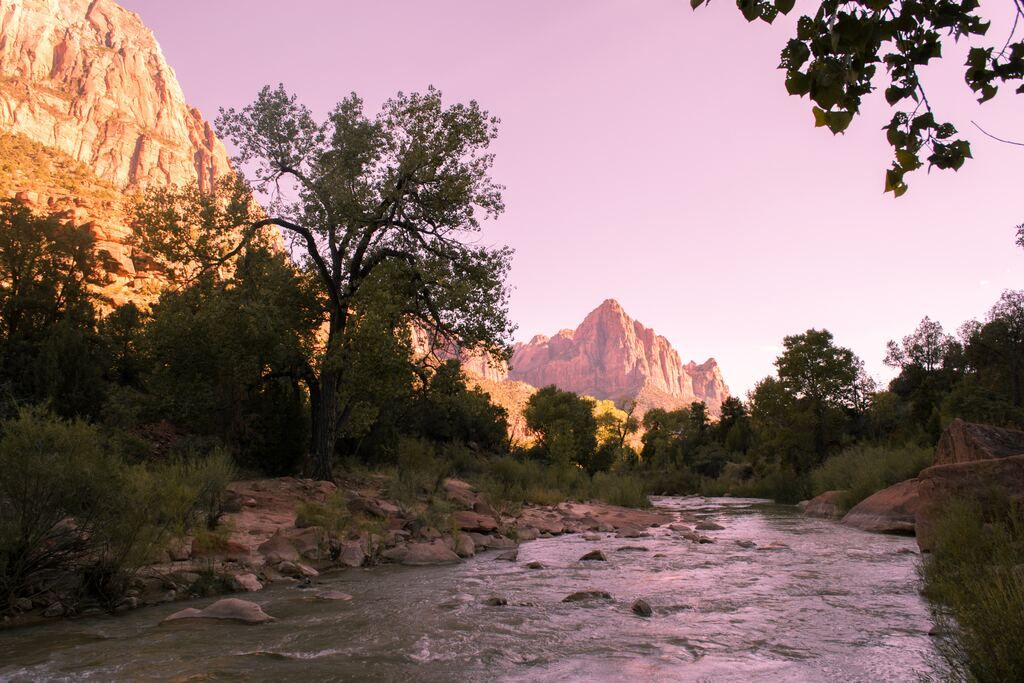
Zion is one of the best parks for travelers who want a mix of beauty and adrenaline. Towering canyon walls, narrow river hikes, and dramatic overlooks make it a favorite for both first-time visitors and serious hikers.
The Narrows and Angels Landing get the most attention, and for good reason. But even if permits or crowds get in the way, Zion’s shuttle route and easy scenic stops still make it unforgettable. The cliffs here don’t just glow at sunset; they absolutely show off.
5. Glacier National Park
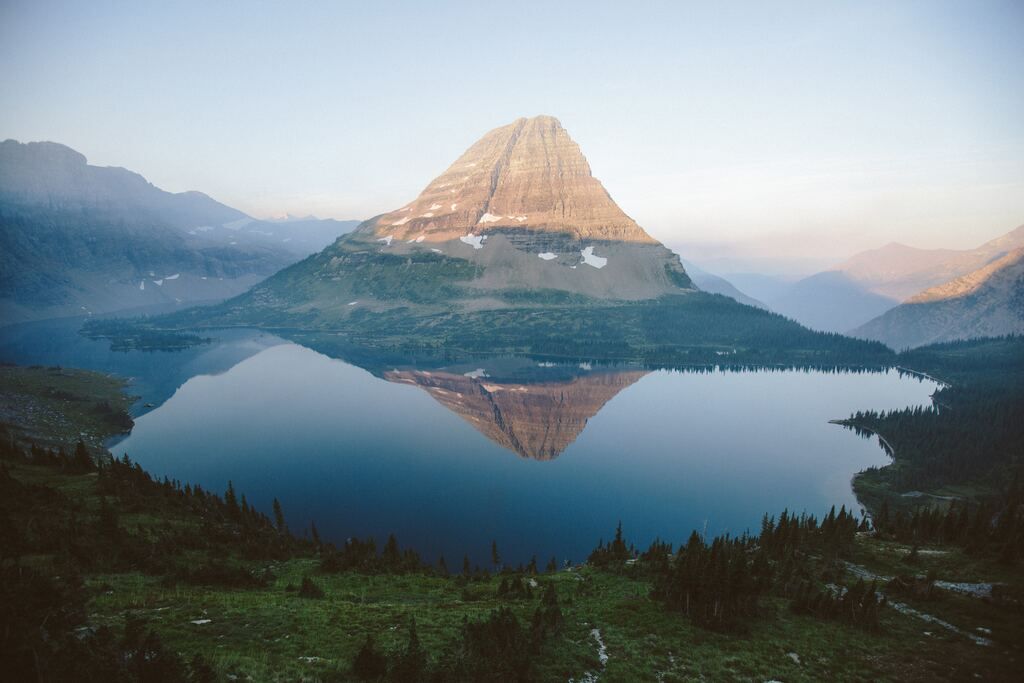
Glacier is among the most breathtaking national parks in the USA for alpine scenery. Think turquoise lakes, jagged peaks, wildflower meadows, and mountain roads so scenic they almost feel like a prank.
Going-to-the-Sun Road is one of America’s greatest drives, while hikes like Hidden Lake and Grinnell Glacier reveal the park’s wilder side. Summer is the prime season, and planning ahead matters. Glacier is gorgeous, but it does not reward last-minute chaos.
6. Grand Teton National Park
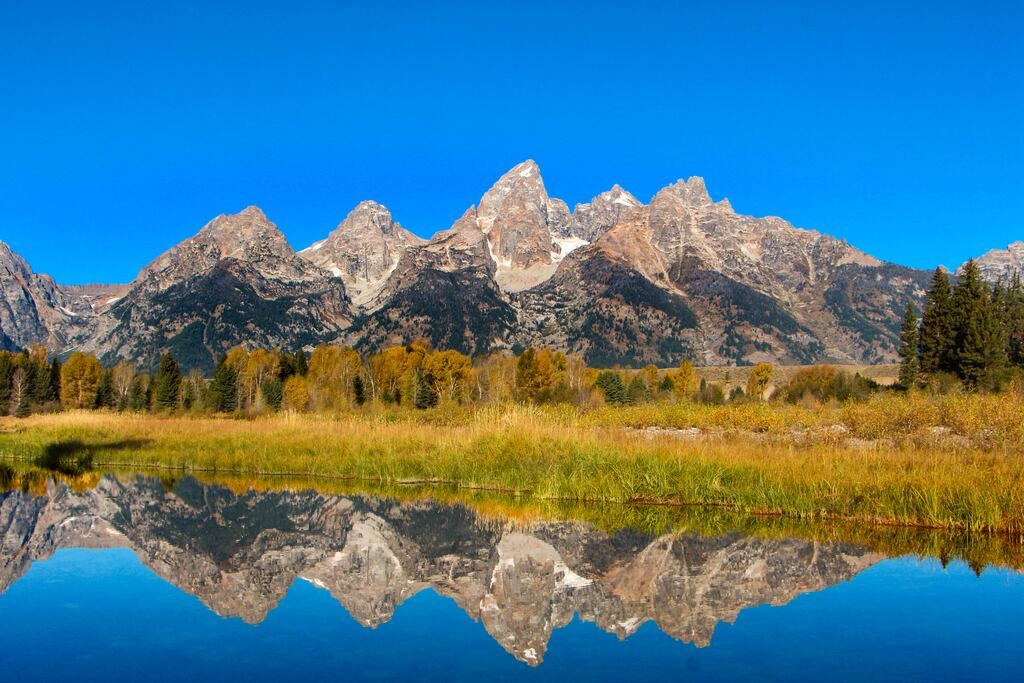
Grand Teton is a dream destination for mountain lovers. The Tetons rise sharply from the valley floor, creating one of the most photogenic skylines in the country, with lakes and meadows adding even more visual drama.
It’s easier to explore than many people expect, especially if you enjoy scenic drives and shorter walks. Sunrise here is ridiculously beautiful. Honestly, even the moose seem aware they’re living in premium real estate.
7. Acadia National Park
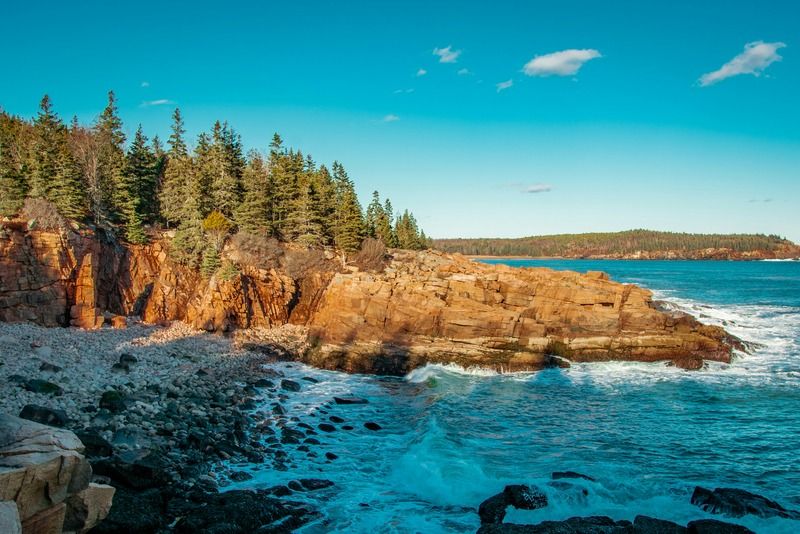
Acadia stands out for its blend of rocky coastline, forests, lakes, and mountain views. It’s one of the best parks in the eastern US and works especially well for travelers who want variety without massive distances.
Cadillac Mountain, Jordan Pond, and the Park Loop Road make it easy to see a lot in a short trip. Fall is particularly beautiful, but summer also shines. It feels like a national park and a New England postcard had a very successful collaboration.
8. Rocky Mountain National Park
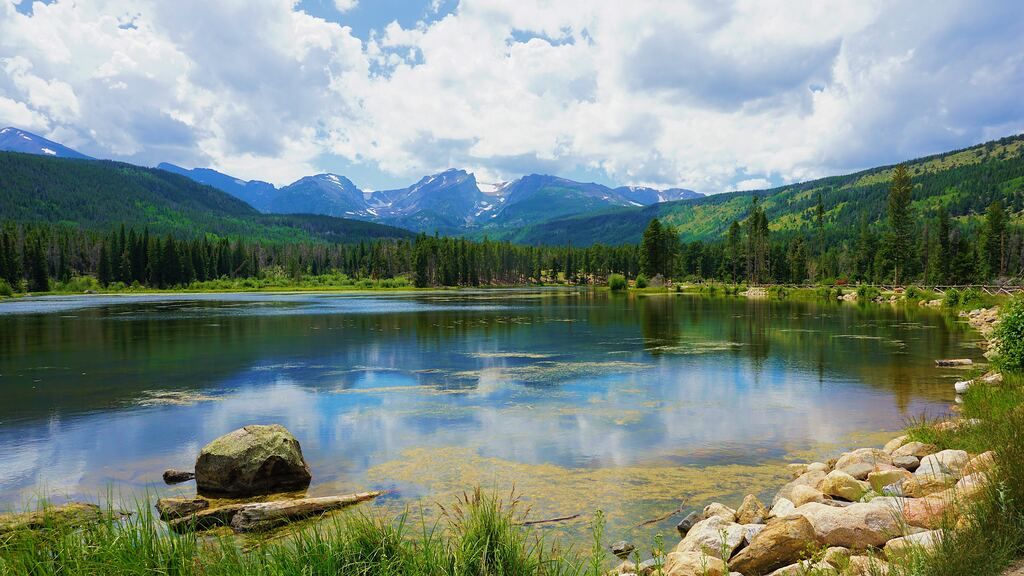
Rocky Mountain is ideal for alpine hikes, scenic roads, and wildlife viewing. With high peaks, tundra landscapes, and accessible trailheads, it offers a classic Colorado mountain experience with plenty of options for different fitness levels.
Trail Ridge Road is a major highlight, and areas like Bear Lake offer easy access to some of the park’s most rewarding scenery. Elk sightings are common, especially in fall. Basically, it’s a beautiful place to be politely ignored by wildlife.
9. Olympic National Park
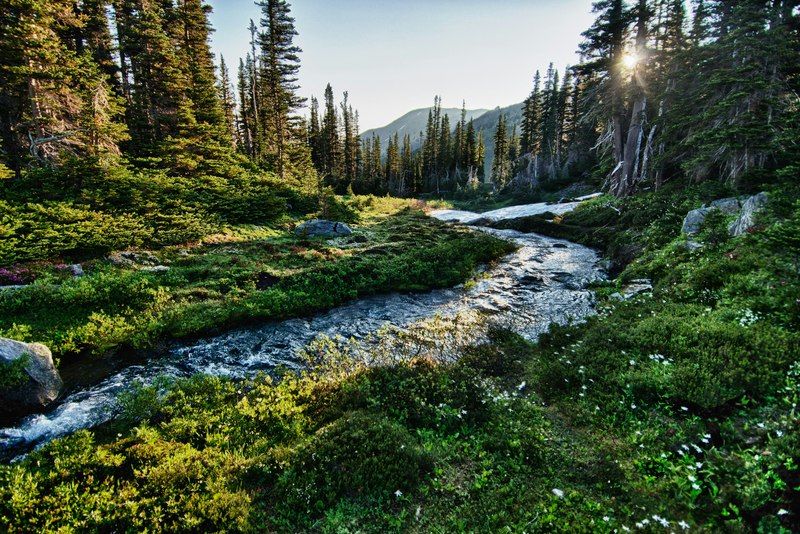
Olympic is one of the most diverse national parks in the country. It includes rugged coastline, temperate rainforest, alpine ridges, and glacier-capped mountains, all within one park boundary.
That variety makes it special. You can walk through moss-covered forests in the morning and catch sunset on a driftwood-strewn beach in the evening. If indecisive landscapes were a genre, Olympic would be the masterpiece.
10. Arches National Park
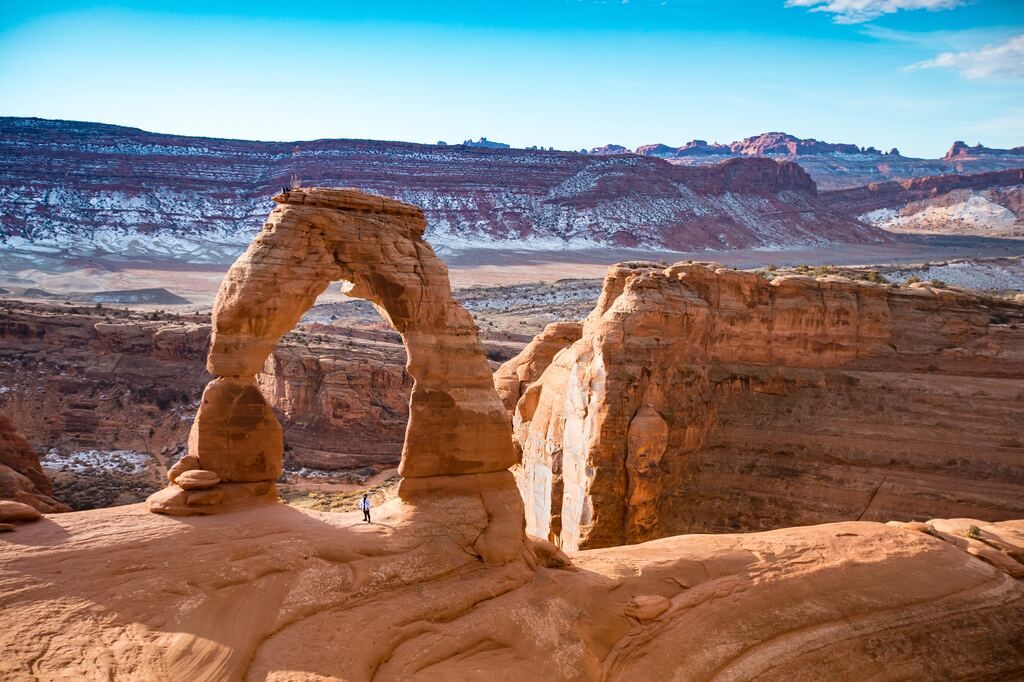
Arches is compact, visually striking, and easy to love. The park is famous for its natural stone arches, balanced rocks, and glowing desert colors that shift beautifully throughout the day.
Delicate Arch is the icon, but shorter stops like Landscape Arch and Double Arch are also worth it. This is a strong pick for travelers who want dramatic scenery without committing to all-day hikes or pretending they enjoy switchbacks.
11. Bryce Canyon National Park
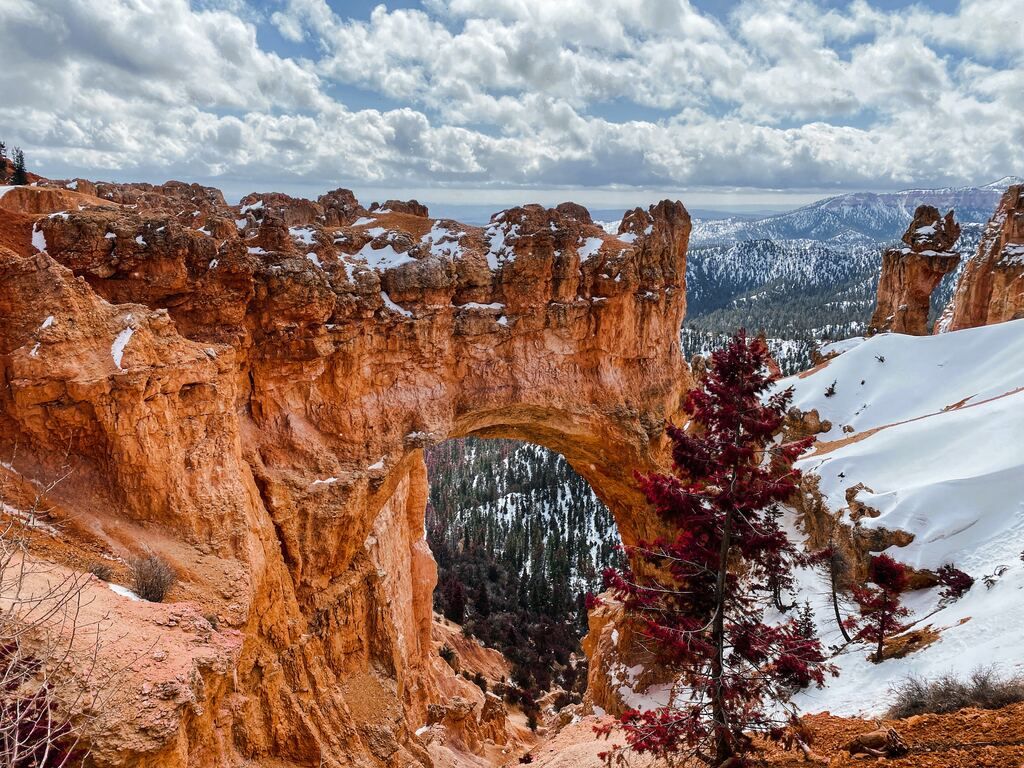
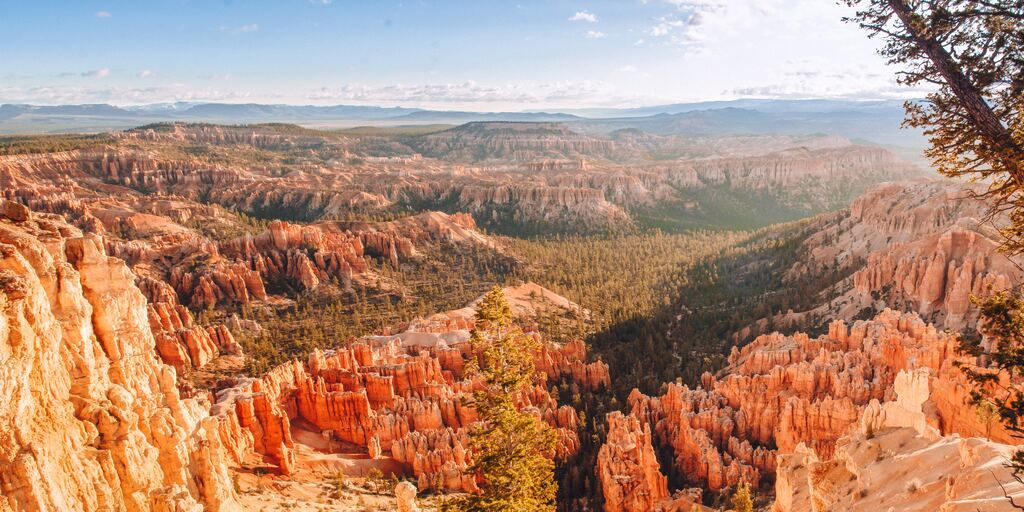
Bryce Canyon is smaller than some parks on this list, but its scenery is instantly memorable. The amphitheaters filled with hoodoos create one of the most unusual and photogenic landscapes in the United States.
Sunrise and Sunset Points are spectacular, while hikes into the canyon let you experience the formations up close. Bryce also has excellent dark skies. In other words, it’s a place where both the ground and the sky are overachievers.
12. Great Smoky Mountains National Park
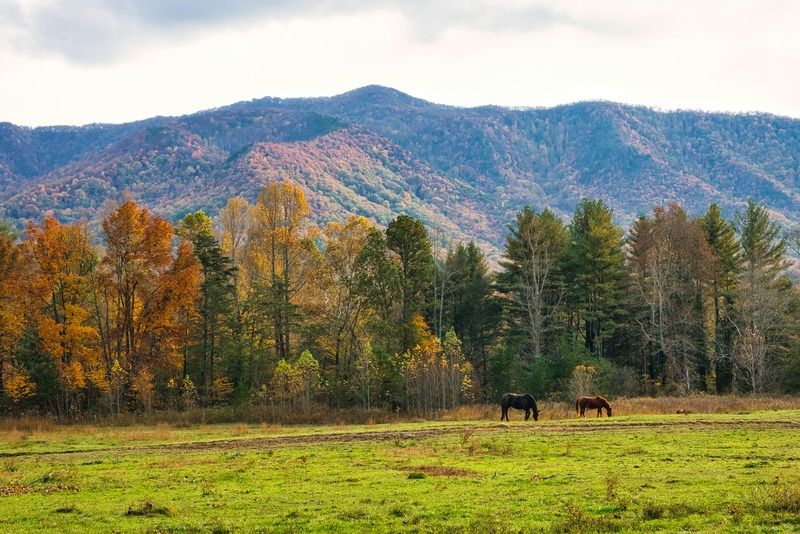
Great Smoky Mountains is the most visited national park in the US, thanks to its easy access, rich biodiversity, and beautiful rolling mountain scenery. It’s a great option for road trips, family travel, and shorter outdoor breaks.
The park is especially lovely in spring and fall, when wildflowers or foliage steal the show. Clingmans Dome, Cades Cove, and scenic drives are major draws. The name says smoky, but the beauty is crystal clear.
13. Sequoia National Park
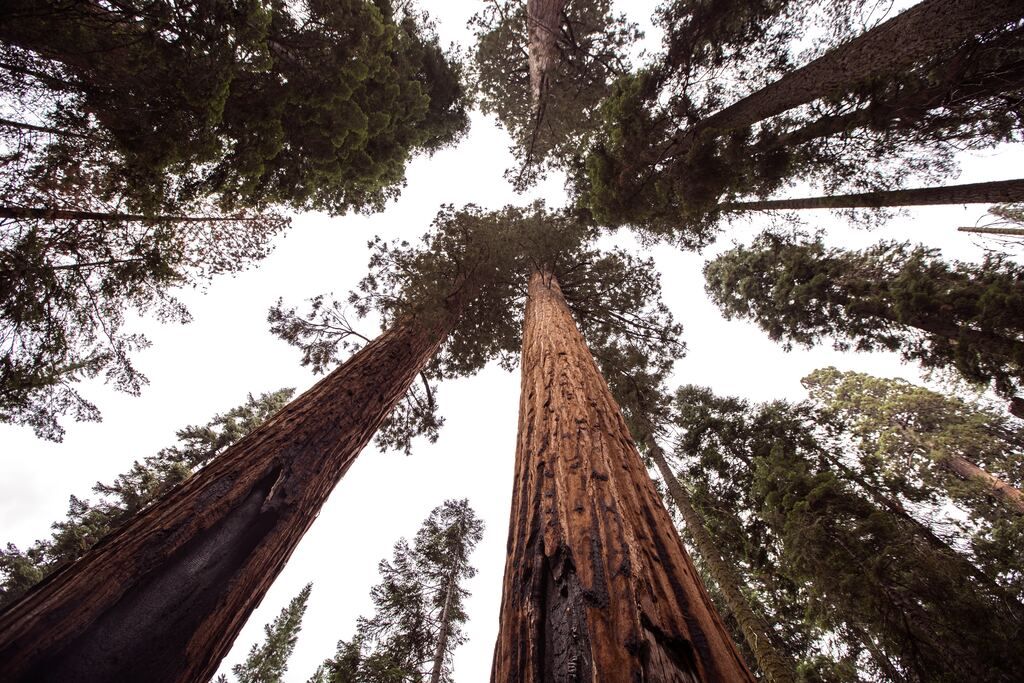
Sequoia is the place to see some of the largest trees on Earth. Walking among giant sequoias is a strangely emotional experience, mostly because trees should not be that big and still somehow look elegant.
The General Sherman Tree is the star, but Moro Rock and the Giant Forest are also highlights. It’s a fantastic park for families and first-time visitors who want something genuinely awe-inspiring without needing an expedition-level itinerary.
14. Denali National Park
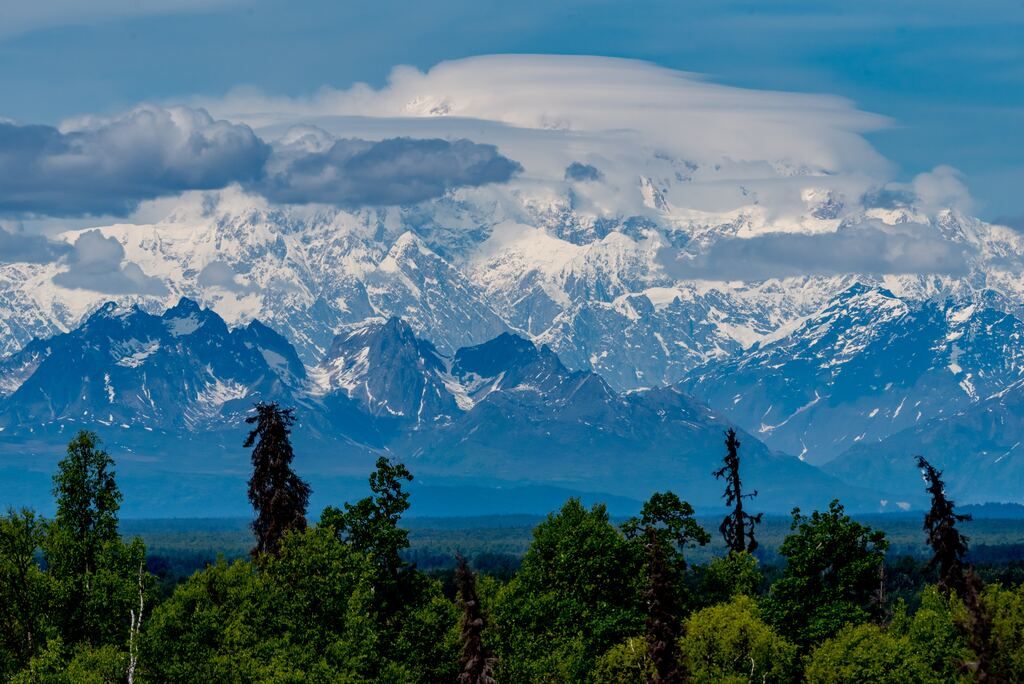
Denali offers one of the most remote and powerful wilderness experiences in the US. It is less about checking off landmarks and more about immersion in huge landscapes, wildlife, and the sheer scale of Alaska.
Weather can be unpredictable, and visibility of Denali itself is never guaranteed, but that’s part of the appeal. Spotting grizzlies, caribou, and moose from the park road feels unforgettable. It’s the kind of place that makes the lower 48 look positively tidy.
Which park is best for your travel style?
The best park depends on what kind of trip you want. Some parks are ideal for easy sightseeing, others for big hikes, and some are perfect if your main hobby is staring at mountains while forgetting your email password exists.
- For first-time visitors: Yellowstone, Yosemite, Grand Canyon
- For hiking lovers: Zion, Glacier, Rocky Mountain
- For scenic drives: Yellowstone, Acadia, Great Smoky Mountains
- For photographers: Grand Teton, Bryce Canyon, Yosemite
- For families: Sequoia, Acadia, Arches
- For wild and remote vibes: Denali, Olympic, Glacier
Practical tips for visiting the best US national parks
Good planning makes a huge difference in popular parks. Reservations, timed entries, seasonal road closures, and weather conditions can shape your trip more than you expect, so checking official park updates before you go is essential.
- Book early for lodging, campsites, and permits in peak season.
- Visit in shoulder season when possible for fewer crowds.
- Start early for parking, cooler temperatures, and better light.
- Download offline maps because signal often disappears fast.
- Respect wildlife distance and stay on marked trails.
- Bring layers and water, even on short outings.
Start planning your park adventure
The best national parks in the USA are not all the same, and that’s exactly the point. Some feel cinematic, some peaceful, some wildly rugged, and some so beautiful they make you question every city weekend you’ve ever planned.
If you want to explore these landscapes with like-minded travelers, discover WeRoad group trips for the USA and find the adventure that fits your style.
FAQ
- What is considered the prettiest national park in the USA?
-
There is no universal winner, but Yosemite, Glacier, and Grand Teton are often considered among the prettiest because of their dramatic mountains, lakes, waterfalls, and iconic views. The “prettiest” choice usually depends on whether you prefer forests, deserts, canyons, or alpine scenery.
- What are the top 10 national parks to visit?
-
A strong top 10 list would include Yellowstone, Yosemite, Grand Canyon, Zion, Glacier, Grand Teton, Rocky Mountain, Olympic, Acadia, and Arches. These parks offer a broad mix of the landscapes and experiences that make the US national park system so special.
- What is the most breathtaking national park?
-
Many travelers would argue for Glacier National Park because of its lakes, mountain peaks, and scenic roads, while others would choose Grand Canyon for sheer scale or Yosemite for its dramatic cliffs and waterfalls. It depends on the kind of beauty that hits you hardest.
- What is the best national park for a first trip?
-
Yellowstone is a great first choice because it offers wildlife, geysers, waterfalls, scenic drives, and easy access to major highlights. Yosemite and Grand Canyon are also excellent first-time picks for their instantly recognizable scenery.
- When is the best time to visit US national parks?
-
The best time depends on the park, but generally spring and fall offer the best balance of weather and lighter crowds. Summer is ideal for high-elevation and Alaska parks, while desert parks like Zion and Arches are more enjoyable outside the hottest months.