
In a nutshell
- Spain offers exceptional variety, combining major cultural capitals, historic UNESCO cities, beach destinations, and food-focused regions in one country that is relatively easy to travel around.
- Top first-time picks include Madrid, Seville, Barcelona, and Valencia, each offering a different experience, from museums and royal landmarks to Gaudí architecture, flamenco culture, and urban beach life.
- Granada, Córdoba, Toledo, and Segovia stand out for heritage and beauty, with iconic monuments such as the Alhambra, Mezquita, medieval cathedrals, and Roman engineering that define Spain’s historical appeal.
- Northern and coastal Spain add another dimension, especially in San Sebastián, Bilbao, and Málaga, where travelers can prioritize gastronomy, seaside views, contemporary culture, and a more regional atmosphere.
- The best region depends on your travel style: Andalusia suits history and atmosphere, central Spain works well for culture and day trips, while the Basque Country and Mediterranean cities are ideal for food, beaches, and relaxed pacing.
Spain is one of those countries that makes trip planning gloriously difficult. Do you want grand cities, Moorish palaces, wild coastlines, art museums, mountain views, or tapas that casually ruin all future snacks? If you are searching for the best places to visit in Spain, the good news is that you really cannot go very wrong.
What makes Spain so special is its variety. In a single trip, you can move from the royal elegance of Madrid to the flamenco soul of Seville, then on to the Mediterranean energy of Valencia or the storybook lanes of Granada. Basically, Spain is showing off, and honestly, it has earned the right.
Why Spain is such a rewarding destination
Spain stands out because it offers a remarkable mix of culture, landscapes, food, and history in a relatively easy-to-navigate country. Travelers can combine world-class museums, beach time, medieval towns, and regional cuisine without needing a month-long expedition or a dramatic relationship with train timetables.
Every region feels distinct. Andalusia is rich in Islamic heritage and dramatic architecture, the Basque Country shines with food and coastal beauty, while central Spain brings monumental capitals and UNESCO-filled day trips. Add sunny weather, efficient transport, and a deeply social food culture, and you have a destination that works for first-timers and repeat visitors alike.
Best cities to include on a first trip

The most balanced first itinerary usually includes a few major cities with different personalities. This gives you a broad introduction to Spain while keeping travel practical. If you want history, nightlife, architecture, and local atmosphere, these cities are the strongest starting points.
Madrid
Madrid is the best choice for travelers who want museums, elegant boulevards, excellent food, and easy access to nearby historic towns. It is a capital city with substance, but it also feels surprisingly livable, making it ideal for a relaxed yet culture-packed visit.
The city is home to major highlights such as the Prado Museum, Retiro Park, the Royal Palace, and lively neighborhoods like La Latina and Malasaña. Madrid is also a great base for day trips to Toledo and Segovia. In short, if you like your city breaks served with art, vermouth, and late dinners, Madrid is your place.
Seville
Seville is one of the most atmospheric cities in Spain, known for its historic center, Moorish landmarks, and deep-rooted flamenco culture. It is especially appealing for travelers who want beauty, walkability, and a strong sense of place from the moment they arrive.
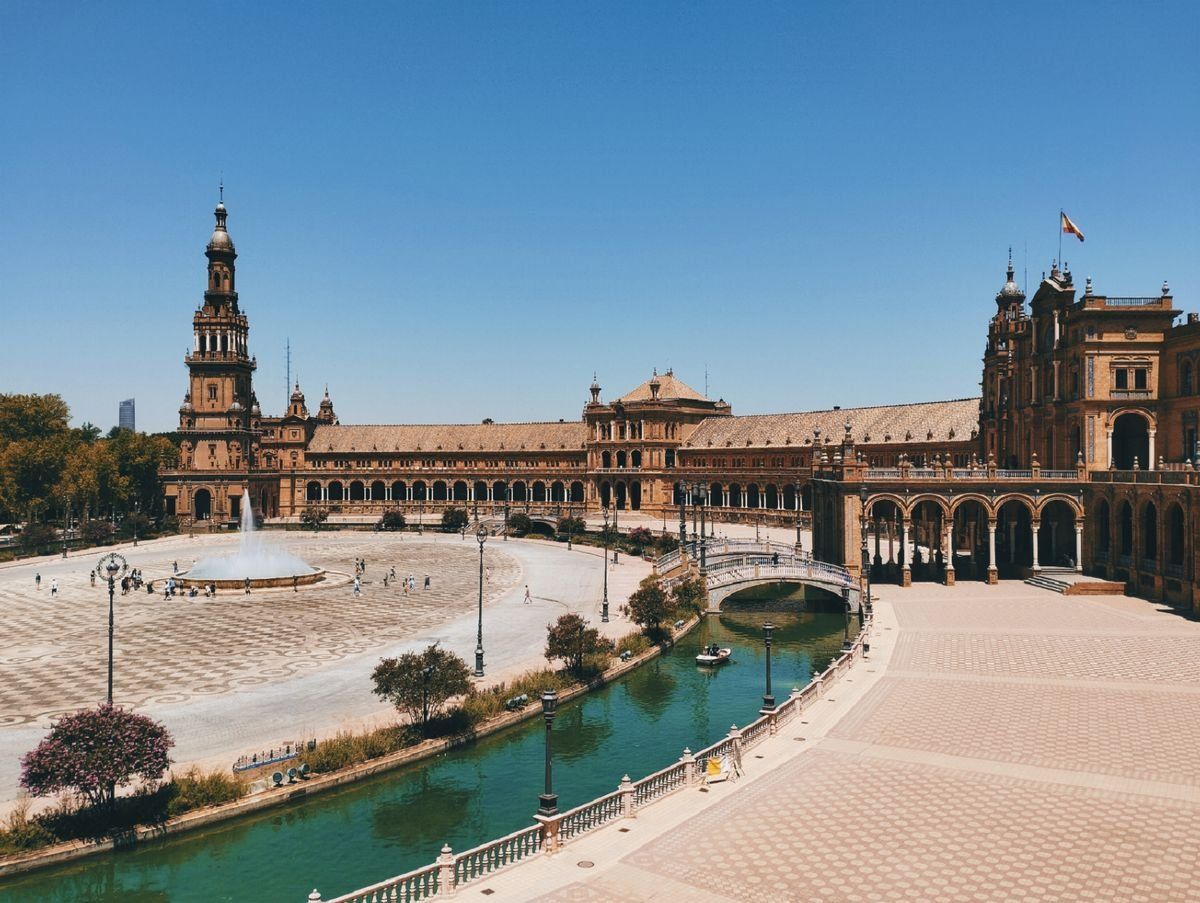
The must-sees include the Real Alcázar, the vast Seville Cathedral, the Giralda, and the always-photogenic Plaza de España. The city is compact enough to explore on foot, and evenings here are pure magic. Orange trees, tiled facades, hidden courtyards, and tapas bars everywhere: Seville does not exactly believe in subtlety.
Barcelona
Barcelona remains one of Spain’s most popular destinations because it combines iconic architecture, urban beaches, and a vibrant cultural scene. It is ideal for travelers who want a cosmopolitan city break with easy sightseeing and strong visual impact.
Highlights include Sagrada Família, Park Güell, the Gothic Quarter, and the seafront. The city’s blend of Gaudí masterpieces and Mediterranean lifestyle makes it especially memorable. Yes, it can be busy, and yes, you will share viewpoints with approximately half the planet, but the city still delivers on every front.
Valencia
Valencia is a smart pick for travelers looking for a less hectic city with beaches, green spaces, and a strong food identity. It offers a balanced mix of historic architecture and futuristic design, making it one of Spain’s most versatile urban destinations.
Do not miss the City of Arts and Sciences, the Turia Gardens, the old quarter, and the city beaches. Valencia is also the home of paella, which means ordering it here is not just lunch, it is basically research. Very delicious research.
Historic places that define Spain’s beauty
Some of the most beautiful places in Spain are historic cities where architecture and atmosphere do the heavy lifting. These destinations are perfect for travelers who want memorable monuments, layered history, and that satisfying feeling of walking through a place that actually looks ancient.
Granada
Granada is one of Spain’s most captivating cities thanks to the Alhambra, its hillside old quarters, and its mix of Moorish and Spanish influences. It suits travelers interested in history, romantic viewpoints, and a more intimate city experience.
The Alhambra is the headline act, and it absolutely deserves the hype. Beyond it, wander the Albaicín, enjoy sunset views from Mirador de San Nicolás, and explore cave-flamenco traditions in Sacromonte. Granada also has one of Spain’s most beloved tapas traditions, where drinks often come with a free bite. Honestly, that alone deserves a standing ovation.
Córdoba
Córdoba is best known for the extraordinary Mezquita-Catedral, one of the most striking monuments in the country. It is a strong stop for travelers interested in Spain’s multicultural past and in seeing a smaller city with major historical significance.
Beyond the Mezquita, Córdoba offers flower-filled patios, the Roman Bridge, and a compact old town that is easy to explore. It works very well as part of an Andalusia itinerary with Seville and Granada, especially if you want a trip that leans heavily into architecture and history.
Toledo
Toledo is one of the top heritage destinations in Spain and an excellent choice for a day trip or overnight stay from Madrid. Its medieval streets and layered Christian, Muslim, and Jewish history make it one of the country’s most culturally significant cities.
Set above the Tagus River, Toledo feels cinematic from the first viewpoint. Visit the Cathedral, the Alcázar, old synagogues, and tiny artisan shops. The streets are steep, the history is dense, and your phone storage will suffer. A lot.
Segovia
Segovia is ideal for travelers who want monumental architecture in a compact and highly walkable city. Its Roman aqueduct, fairytale-like alcázar, and hilltop setting make it one of the most visually impressive destinations in central Spain.
The city is easy to combine with Madrid, but it also deserves more than a rushed half-day. The Roman Aqueduct is astonishing, the Alcázar of Segovia looks straight out of a fantasy film, and the cathedral completes the skyline beautifully.
Coastal and northern Spain highlights
Northern and coastal Spain are ideal for travelers seeking beaches, cooler weather, and a different regional identity. These destinations offer strong food scenes, scenic landscapes, and a more local feel compared with some of the country’s busiest southern hotspots.
San Sebastián
San Sebastián is one of the finest destinations in Spain for food lovers and coastal city fans. It pairs elegant beaches with one of the country’s strongest culinary reputations, making it a standout choice for travelers who like beauty with a side of pintxos.
Spend time around La Concha, walk through the Parte Vieja, and sample pintxos bar by bar. The city is polished, scenic, and very easy to love. It is also dangerous in one specific way: you will start judging all future snacks against Basque standards.
Bilbao
Bilbao is a compelling option for visitors interested in modern culture, design, and northern Spanish character. It is less traditional in appearance than some southern cities, but it rewards travelers with strong museums, excellent food, and a revitalized urban atmosphere.
The star attraction is the Guggenheim Museum, but the old town, riverside walks, and local gastronomy also make the city worth visiting. Bilbao works especially well when paired with other Basque destinations or a broader northern Spain itinerary.
Málaga
Málaga is one of the most accessible coastal cities in southern Spain, offering beaches, museums, and a compact historic center. It is a good choice for travelers who want culture and sea access without sacrificing urban convenience.
Visit the Alcazaba, the Picasso Museum, the cathedral, and the renovated waterfront. Málaga often surprises people because it is more than a transport hub for the Costa del Sol. Think of it as the friend who was wildly underestimated and then turned up looking fabulous.
A quick comparison of top destinations
This comparison helps narrow down where to go based on travel style. Some places are better for first-time visitors, some for food, and others for architecture or beach breaks. Choosing a mix usually creates the most satisfying Spain itinerary.
| Destination | Best for | Main highlights | Ideal stay |
|---|---|---|---|
| Madrid | Museums, city life, day trips | Prado, Retiro, Royal Palace | 2-4 days |
| Seville | Atmosphere, architecture, flamenco | Alcázar, Cathedral, Plaza de España | 2-3 days |
| Granada | History, viewpoints, tapas | Alhambra, Albaicín, Sacromonte | 2 days |
| Valencia | Beach and city balance | City of Arts, old town, paella | 2-3 days |
| San Sebastián | Food, beach, northern charm | La Concha, pintxos, old town | 2-3 days |
How to choose the nicest part of Spain for your trip
The nicest part of Spain depends on what kind of trip you want, because the country is wonderfully varied. There is no single best region for everyone, but there is usually a best fit based on your interests, pace, and season of travel.
- Choose Andalusia for classic Spain imagery, Moorish palaces, whitewashed towns, and flamenco.
- Choose Madrid and central Spain for museums, royal landmarks, and easy day trips to UNESCO cities.
- Choose the Basque Country for food, beaches, and a cooler climate.
- Choose the Mediterranean coast for urban beaches, sunshine, and a more laid-back rhythm.
- Choose northern Spain for green landscapes, road trips, and fewer crowds.
Suggested itinerary ideas
A good Spain itinerary usually combines two or three contrasting destinations rather than trying to see everything at once. This approach keeps travel enjoyable and allows each place enough time to make an impression beyond a rushed checklist.
- Classic first trip: Madrid, Seville, Granada
- City and coast mix: Barcelona, Valencia, Málaga
- History-focused route: Madrid, Toledo, Segovia, Córdoba
- Food and scenery: Bilbao, San Sebastián, Rioja area
- Andalusia highlights: Seville, Córdoba, Granada, Málaga
If you are traveling with friends or want an easier way to explore Spain without overthinking every transfer, every dinner booking, and every “wait, which station is this?”, it is worth checking out WeRoad group trips for Spain.
FAQ
- What is the nicest part of Spain to visit?
-
The nicest part of Spain depends on your interests. Andalusia is often considered the most atmospheric for first-time visitors thanks to cities like Seville, Granada, and Córdoba. If you prefer food and cooler coastal scenery, the Basque Country is an excellent alternative.
- Which is the most beautiful place in Spain?
-
Many travelers consider Granada, especially the Alhambra and the Albaicín, among the most beautiful places in Spain. However, Seville, San Sebastián, and Segovia are also strong contenders depending on whether you value architecture, coastal views, or historic charm.
- What is a top 15 destination in Spain?
-
A strong top 15 list would include Madrid, Barcelona, Seville, Granada, Valencia, Córdoba, Toledo, Segovia, San Sebastián, Bilbao, Málaga, Salamanca, Cádiz, Girona, and Ronda. Together, they represent Spain’s best mix of culture, history, food, and scenery.
- What is the most beautiful region of Spain?
-
Andalusia is often seen as the most beautiful region because of its Moorish architecture, dramatic cities, white villages, and strong traditions. That said, the Basque Country and Galicia are also stunning if you prefer green landscapes and Atlantic coastlines.
- How many days do you need to see the best of Spain?
-
For a well-rounded introduction, plan at least 7 to 10 days. This gives you enough time to visit two or three major destinations without rushing. If you want to include multiple regions, two weeks is a much more comfortable option.
- Is Spain better for city breaks or road trips?
-
Spain works well for both. Cities like Madrid, Seville, and Barcelona are excellent for short breaks using trains, while regions like Andalusia, northern Spain, and the Mediterranean coast are fantastic for road trips with smaller stops and scenic detours.