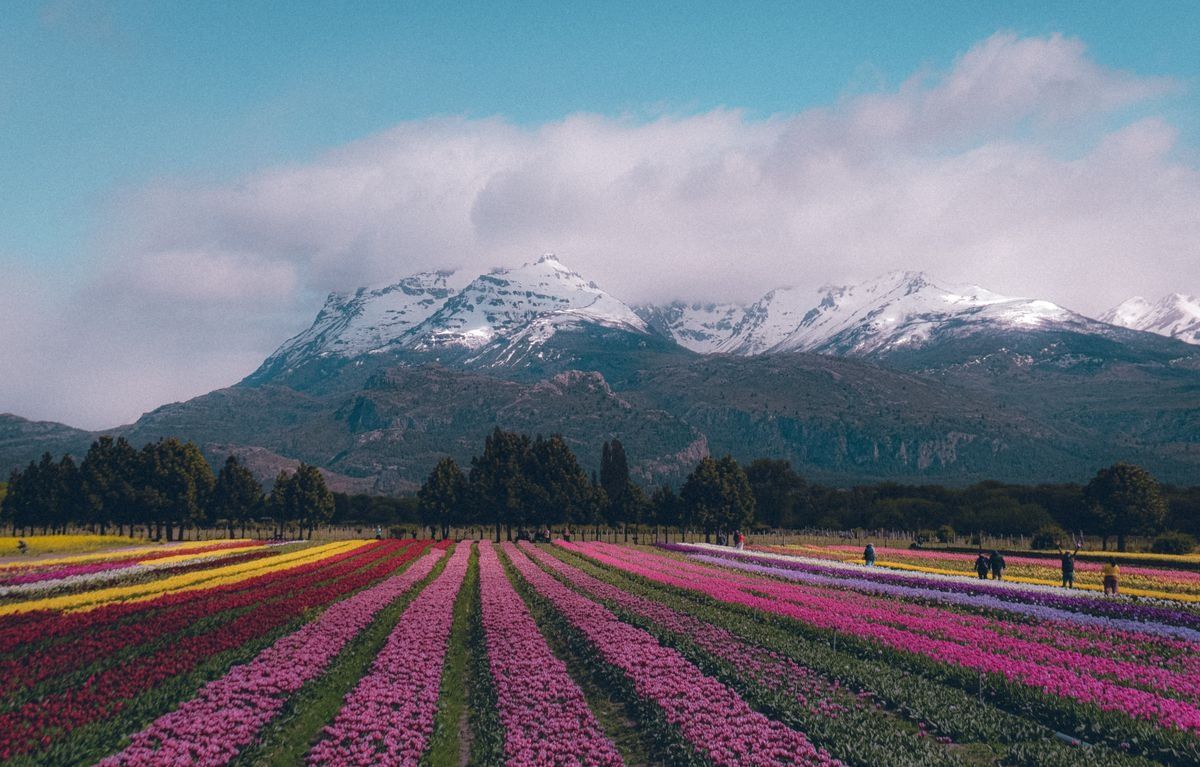
In a nutshell
- Argentina’s ideal travel period depends on the region: the country spans multiple climates, so Patagonia, Buenos Aires, Mendoza, Iguazú and the northwest all have different peak seasons and weather patterns.
- Patagonia is best from November to March, when trails are open, daylight is long and trekking conditions are at their most accessible, though prices and visitor numbers are also highest.
- Buenos Aires and Mendoza shine in spring and autumn, especially from March to May and September to November, thanks to milder temperatures, comfortable sightseeing conditions and fewer seasonal extremes.
- Iguazú Falls and northern Argentina are often easier from May to September, when humidity drops and exploring tropical and desert regions becomes more pleasant, even if water levels may vary.
- Budget-conscious travelers should target shoulder season or selected winter months, avoiding summer in Patagonia and major holiday periods such as Christmas, New Year and Easter, when costs and demand rise sharply.
Argentina is one of those countries that refuses to fit neatly into a single season. While one region is serving glacier drama and hiking weather, another is turning up the heat with vineyard harvests, tropical waterfalls or big-city strolls. That means timing your trip well can make a huge difference.
In general, the ideal moment to visit Argentina depends on your route. Spring and autumn are often the most balanced seasons for mixed itineraries, while summer is best for Patagonia and winter works well for skiing and some northern areas. The country is huge, so there is no one-size-fits-all answer.
Think of Argentina as several trips in one: Buenos Aires, Mendoza, Iguazú Falls, the northwest deserts and Patagonia all follow different rhythms. The good news? With a little planning, you can match the calendar to the experience you actually want, instead of showing up in hiking boots during a regional downpour and pretending it was part of the adventure.
At a glance: the right season for each region
The most convenient months for many travelers are March to May and September to November. These shoulder seasons usually bring milder temperatures, fewer crowds and better flexibility across several regions. However, December to February remains the top choice for Patagonia and other southern landscapes.
| Region | Best months | Why go then |
|---|---|---|
| Patagonia | November to March | Milder weather, long daylight hours, open trails |
| Buenos Aires | March to May, September to November | Pleasant temperatures, walkable city, fewer extremes |
| Mendoza wine country | March to May | Harvest season, vineyard colors, comfortable weather |
| Iguazú Falls | May to September | Less humidity, easier sightseeing, lighter crowds |
| Salta and northwest | April to June, September to November | Drier days, better road conditions, comfortable temperatures |
If you are building a classic first trip, spring and autumn are usually the safest bets. If your dream is glaciers, trekking and epic southern scenery, go for the austral summer. If you want lower prices, winter and shoulder months can be more budget-friendly, though some services in the far south may be limited.
When to visit Patagonia
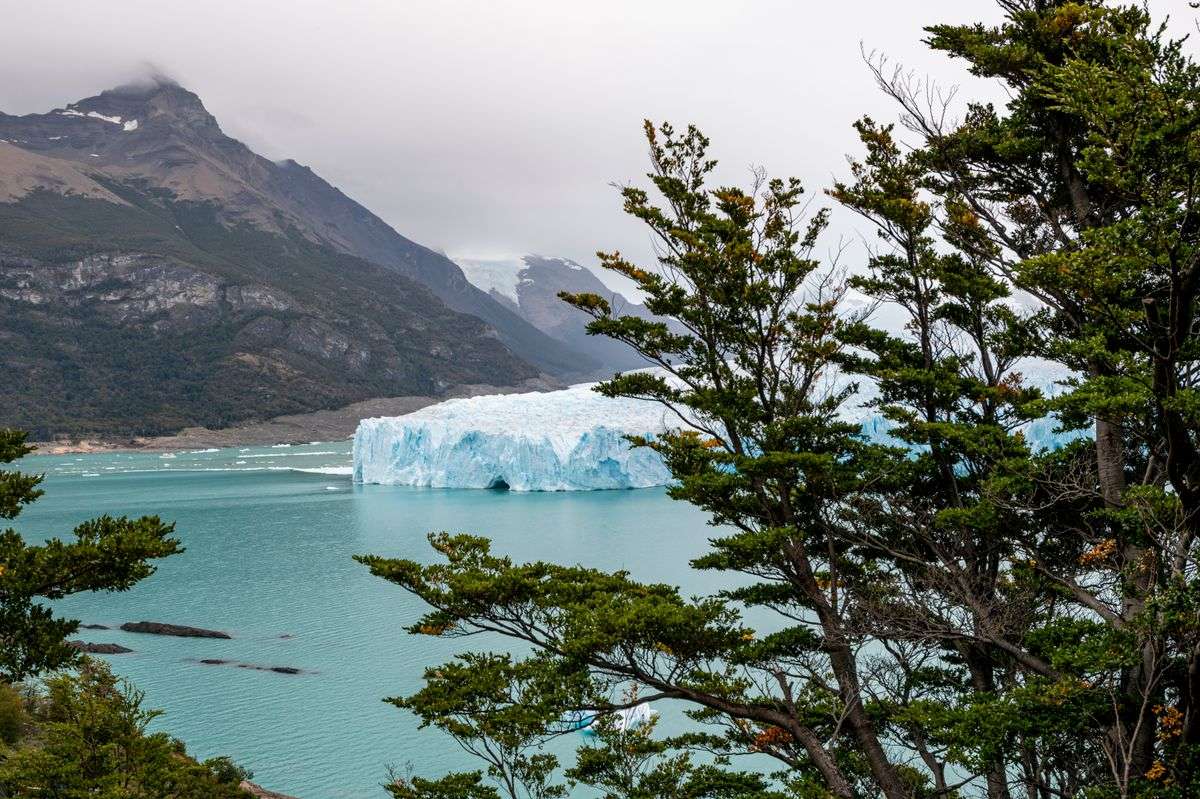
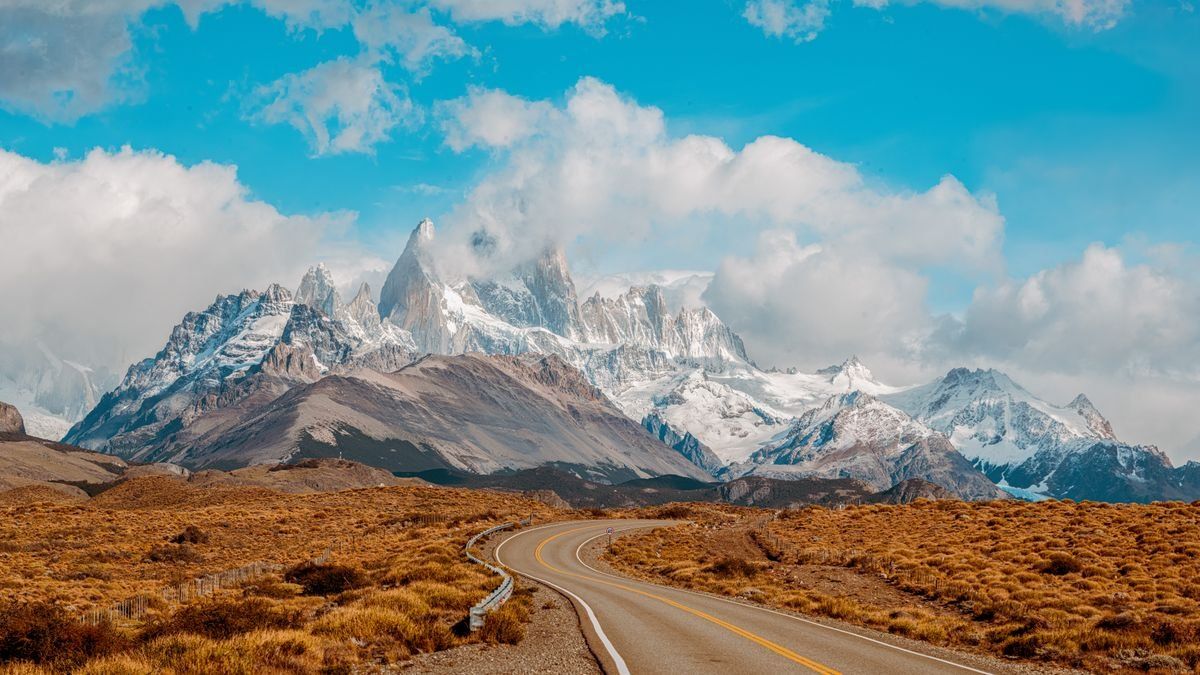
The strongest period for visiting Patagonia is from late spring to early autumn, especially November through March. During these months, trails are more accessible, daylight lasts longer and conditions are better for trekking, road trips and boat excursions. This is also the busiest and often most expensive season.
If your Patagonia mood board includes Perito Moreno Glacier, El Chaltén, Ushuaia and dramatic mountain views that make your phone storage cry for help, summer is the time to go. December, January and February bring the most reliable access, though “reliable” in Patagonia still comes with wind strong enough to rearrange your hairstyle and perhaps your personality.
Best months for hiking
The top months for trekking are December to February, with November and March also offering excellent conditions. Trails are generally open, refuges and tours are operating, and temperatures are more manageable than in winter.
March is especially appealing if you prefer fewer crowds and a slightly calmer atmosphere. Early autumn can also bring beautiful colors to parts of the region. By contrast, June to August is not ideal for classic hiking trips, since snow, ice and transport limitations can affect access in southern Patagonia.
Patagonia in shoulder season
October and April can work for travelers who want a quieter experience. Expect more variable weather and some seasonal openings or closures, especially at the edges of the trekking season.
These months are a bit of a gamble, but sometimes travel rewards bravery. You may find thinner crowds, decent prices and landscapes that feel even wilder. Just pack layers, waterproof gear and the emotional resilience to hear the phrase “it depends on the weather” more than once.
Best months for Buenos Aires
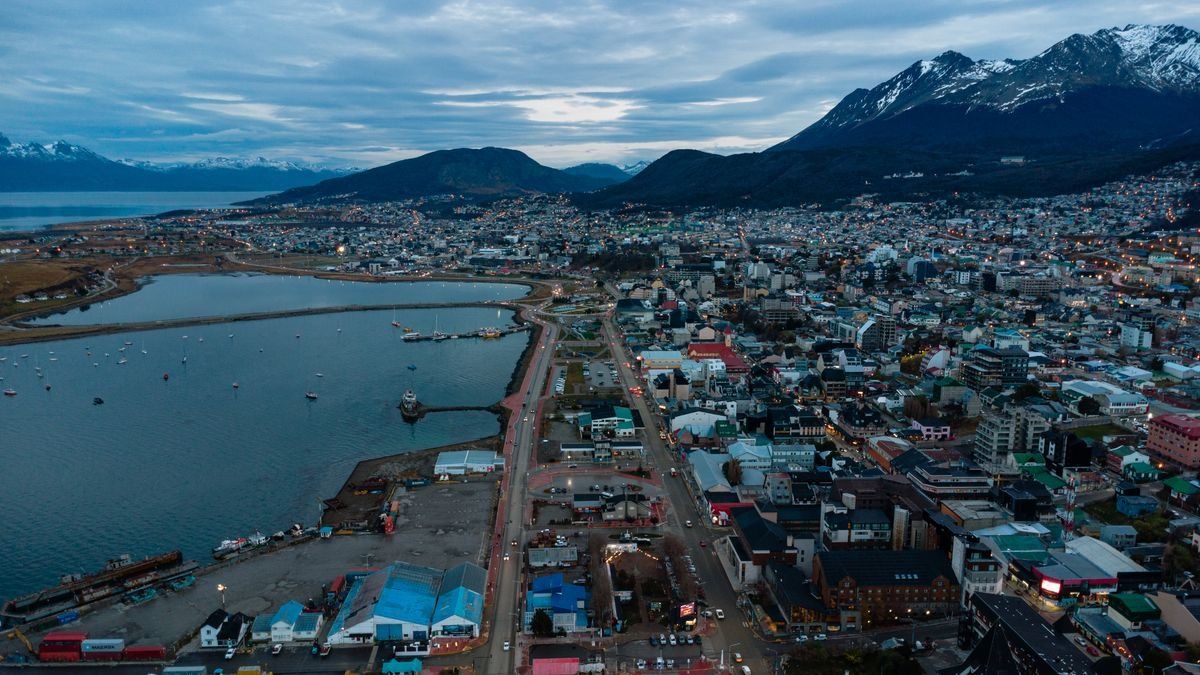
The most enjoyable times for Buenos Aires are usually March to May and September to November. These months offer mild temperatures and a comfortable atmosphere for walking, sightseeing and dining outdoors. Summer can be hot and humid, while winter is cooler but still manageable.
Autumn and spring make the city easier to enjoy at street level. You can wander through neighborhoods like Palermo, Recoleta and San Telmo, linger in cafés and explore without melting onto the pavement. In January and February, the city often feels much hotter and stickier, which is less romantic unless your dream holiday involves becoming one with your sunscreen.
That said, winter in Buenos Aires has its perks too: fewer tourists, a more local pace and good value in some periods. If your trip leans toward museums, food, tango shows and long dinners, cooler months can still work very well.
Wine country and Mendoza by season
Mendoza is a good destination for much of the year, but March and April stand out for wine-focused travel. This is harvest time, when vineyards are active, landscapes are colorful and the weather is usually pleasant for tastings, bike rides and mountain views.
For many travelers, this is the sweetest spot for Argentina’s wine country. The vendimia, or grape harvest season, brings extra energy to the region, and the days are still warm without the peak-summer intensity. There is something deeply satisfying about sipping Malbec while staring at the Andes and pretending you suddenly understand tannins on a spiritual level.
- February to March: best for harvest atmosphere and events
- March to May: ideal for balanced weather and vineyard visits
- June to August: cooler, quieter, good for lower-season travel
- September to November: spring scenery and outdoor activities
If your focus is wine, food and scenic relaxation, autumn is hard to beat. If you want fewer people and don’t mind cooler nights, winter can also be appealing, especially with a glass in hand and zero need to pretend you enjoy being cold outdoors.
Iguazú Falls and northern Argentina
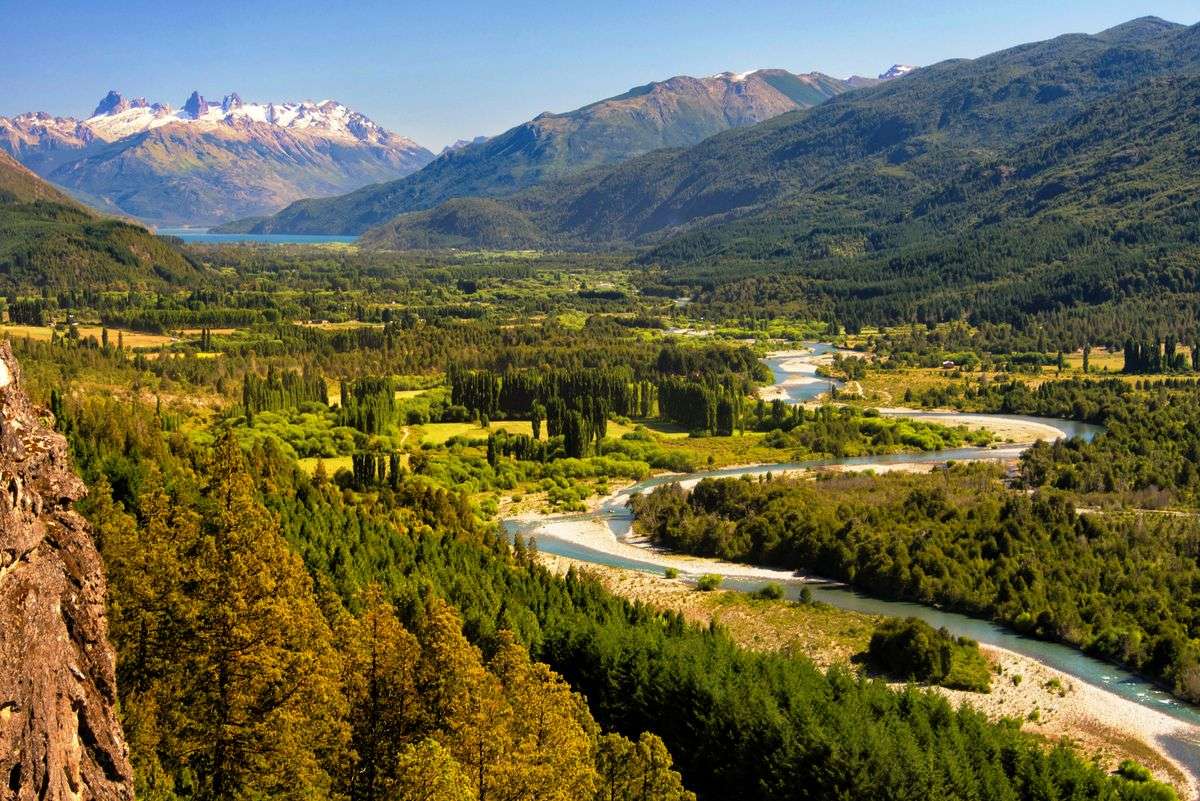
The northern regions of Argentina are generally more comfortable from May to September. During these months, temperatures and humidity are lower, which helps when visiting Iguazú Falls or exploring areas such as Salta and Jujuy. Summer is greener and more dramatic, but also hotter and wetter.
Iguazú Falls can be visited year-round, but the experience changes with the season. In the wetter, hotter months, the waterfalls can look more powerful, though rain and humidity may make sightseeing less comfortable. In cooler months, the climate is easier to handle and trails are usually more pleasant for longer visits.
For the northwest, including Salta, the Quebrada de Humahuaca and high-altitude desert landscapes, shoulder months are usually best. The scenery is spectacular all year, but the drier periods tend to be easier for road travel, hiking and day trips.
Cheapest time to travel to Argentina
The lower-cost periods are generally the shoulder seasons and parts of winter, especially outside major holidays. Prices often rise in December, January, Easter and during key local vacation periods. The far south may be cheaper in winter, but this comes with reduced access and fewer tourism services.
The list
If saving money matters more than having postcard-perfect weather every day, look at May, June, August or September, depending on your itinerary. Just check local holidays and school breaks before booking. Argentina loves a long weekend, and long weekends love making transport suddenly expensive.
- Avoid peak Patagonia summer if your budget is tight.
- Book flights early for travel around Christmas, New Year and Easter.
- Consider a city-and-wine itinerary in shoulder season for better value.
- Compare internal flights with long-distance buses, but weigh comfort and travel time.
How to choose the right time for your itinerary
The ideal travel window depends on your priorities. For a broad first-time route, March to April and October to November are usually the most versatile. For trekking in the south, choose summer. For wine and city breaks, autumn is often the standout option.
Here is a simple way to think about it:
- For Patagonia hikes: December to March
- For Buenos Aires and Mendoza: March to May or September to November
- For Iguazú and the north: May to September
- For a multi-stop trip: spring or autumn
- For skiing: June to August
Argentina does not really do “average.” It does bold, windy, lush, urban, remote and deliciously over-the-top. That is exactly why the timing matters: the same country can give you glacier trekking, steak dinners, high-desert road trips and vineyard afternoons, but not all at their peak in the same week.
Ready to plan your Argentina adventure?
The best period for traveling through Argentina depends on whether you want glaciers, city life, waterfalls or wine country. In most cases, spring and autumn offer the best overall balance, while summer is the clear winner for Patagonia. Matching your route to the season is the smartest way to make the trip work.
If Argentina is calling your name with a tango beat in the background, take a look at WeRoad group trips to Argentina and find the itinerary that fits your timing, travel style and appetite for adventure.
FAQ
- Is Patagonia better in Chile or Argentina?
-
Both sides are spectacular, but they offer different experiences. Argentine Patagonia is famous for places like El Chaltén, Perito Moreno Glacier and broader steppe landscapes, while Chilean Patagonia is known for Torres del Paine and dramatic fjord scenery. If hiking is your priority, either can be excellent, but many travelers combine both for the fullest experience.
- Is it safe to travel to Argentina right now?
-
Argentina is generally considered a manageable destination for travelers, especially in well-known tourist areas. As with many large countries, it is wise to stay updated on local conditions, use normal city precautions, watch your belongings in busy areas and check official travel advisories before departure.
- Is Argentina expensive for tourists?
-
Costs vary depending on the season, region and exchange rate. Patagonia is usually the most expensive part of the country, especially in summer, while other regions can offer better value. Buenos Aires, Mendoza and the north can be more affordable, particularly outside peak travel dates.
- What is the cheapest time to go to Argentina?
-
The cheapest time is often during shoulder season or selected winter months, especially May, June, August and September. Prices usually rise during December and January, around Easter and during domestic holiday periods.
- Can I visit Argentina year-round?
-
Yes, but the best month depends on what you want to do. Summer is best for the far south, autumn and spring suit city-and-wine trips, and winter can be good for skiing or cooler travel in northern regions.