In a nutshell
- Costa Rica has two main seasons: the dry season from mid-December to April is best for sunshine, beaches and easier travel, while the green season from May to November offers lush landscapes, lower prices and fewer crowds.
- The Pacific and Caribbean coasts follow different weather patterns: the Pacific is usually best from December to April, while the Caribbean often shines in February to March and September to October.
- Wildlife timing depends on what you want to see: turtles are a highlight in Tortuguero from July to October, humpback whales are common on the Pacific side in late summer, and birdwatching is rewarding year-round with especially strong periods in March, April, September and October.
- The best months overall for first-time visitors are January, February and March, but they also come with the highest prices and biggest crowds. Shoulder months like May, June and November often offer the best balance.
- The cheapest time to go is usually during the green season, especially September and October, though these can be the wettest months on the Pacific side and may complicate road travel in more remote areas.
Costa Rica is one of those places that seems to show off all year round. One minute you are watching a sloth pretend to be busy, the next you are hiking near a volcano, and then somehow you end up on a beach at sunset wondering why real life does not always look like this. Choosing when to go matters, though, because weather, crowds, prices and wildlife sightings can change a lot depending on the month and the coast you pick.
In general, the ideal time for visiting Costa Rica depends on what you want most: sunny beach days, greener landscapes, lower prices, or the chance to spot whales, turtles and tropical birds. The country has two main seasons, but regional microclimates keep things interesting, because Costa Rica clearly enjoys making trip planning a tiny bit dramatic.
Understanding Costa Rica’s seasons
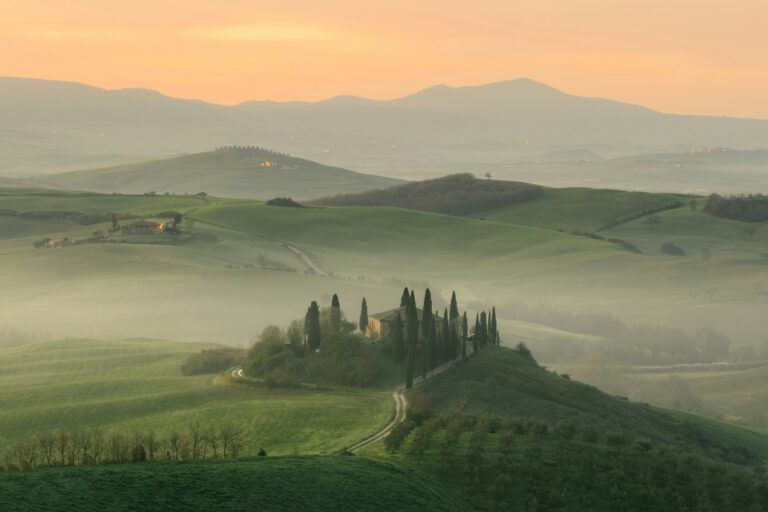
Costa Rica has two main travel seasons: the dry season from mid-December to April and the green season from May to November. The dry months usually bring sunnier days and easier travel conditions, while the greener months offer lush scenery, fewer crowds and often better value.
The dry season is the most popular period, especially in Guanacaste, the Nicoya Peninsula and many Pacific beach areas. Roads are generally easier, hiking trails are drier, and beach time is more reliable. The downside? Prices climb, hotels fill up quickly, and the most famous spots can feel a little less wild and a little more “everyone had the same great idea.”
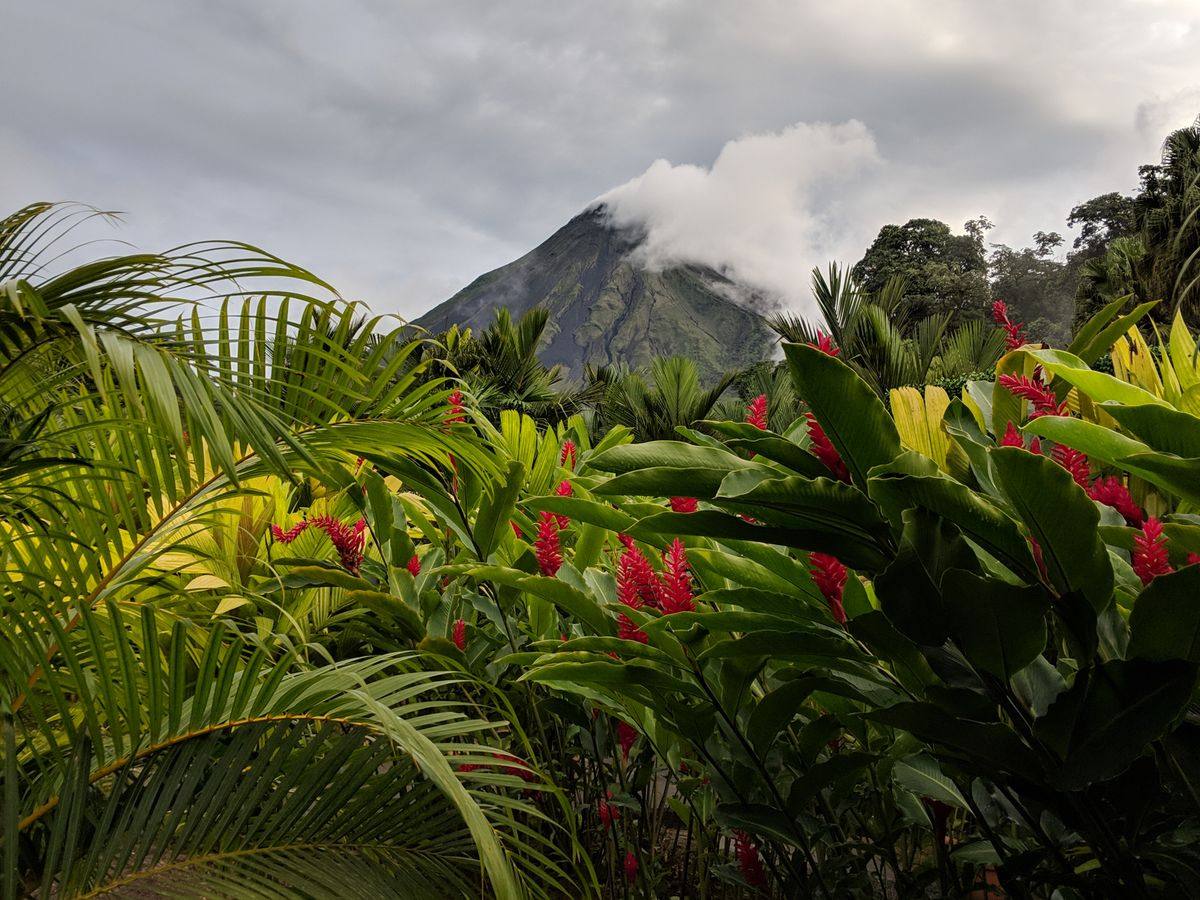
The green season is wetter, yes, but not necessarily a deal-breaker. Rain often falls in the afternoon or evening, leaving mornings open for activities. Forests look greener, waterfalls are fuller, and popular parks can feel calmer. For travelers who do not mind packing a rain jacket and a flexible attitude, this can be a fantastic time to go.
When to visit for the best weather
The clearest weather across much of the country is usually found between January and April. These months are especially good for beach holidays, road trips and outdoor adventures on the Pacific side. Conditions are warmer, drier and more predictable than during the rainy months.
If your dream trip includes beach hopping, surfing lessons, volcano views and long days outside without checking the forecast every ten minutes, late December through April is usually the safest bet. January and February are often considered the most reliable months overall, but they are also among the busiest and most expensive.
March and April stay dry in many areas, though April can be very hot, especially in the northwest. It is excellent for travelers who love sunshine and do not melt easily.
If you want a balance between decent weather and slightly lower costs, May, June and November are smart options. These shoulder months can still bring plenty of sunshine, especially in the mornings, without the full high-season rush.
Pacific coast vs Caribbean coast
The two coasts follow different weather patterns, so one side is not always “better” than the other. The Pacific coast has a more defined dry and green season, while the Caribbean coast is less predictable and can be sunnier when the Pacific is at its wettest.
This is one of the biggest reasons Costa Rica is so appealing: when one region gets soaked, another may be having a glorious beach day. Handy, right?
| Region | Best months | What to expect |
|---|---|---|
| Pacific coast | December to April | Sunny weather, beach time, easier road travel, higher prices |
| Caribbean coast | February to March, September to October | Better beach conditions, less predictable annual pattern, fewer classic dry-season crowds |
| Central Valley | Year-round | Milder temperatures, spring-like climate, useful base for cultural stops |
| Arenal and northern plains | January to April, June to August | Great for hiking and hot springs, but showers remain possible in any month |
If your priorities are classic sunshine and Pacific beaches, head west in the dry season. If you want to surf or relax on the Caribbean side, September and October can actually work surprisingly well there, even while the Pacific is deep in its rainy phase.
Best months for wildlife in Costa Rica
Wildlife is one of the biggest reasons people visit Costa Rica, and there is no single perfect month for everything. Different seasons bring different animal encounters, from turtle nesting to whale watching and migratory birds.
This means the right time to travel depends on which animal is sitting at the top of your wish list like a tiny demanding celebrity.
Turtle watching
Sea turtles can be seen at different times of year depending on the species and coastline. The Pacific and Caribbean offer separate windows, so planning around a specific destination is important.
On the Caribbean coast, Tortuguero National Park is famous for turtle nesting, especially from July to October. On the Pacific side, some nesting activity can be seen earlier in the year, particularly around February and March in certain regions.
Whale watching
Whale watching is strongest on the Pacific side, where humpback whales pass through during migration periods. The best months vary slightly by area, but sightings are generally more likely in late summer and early autumn.
Places like Uvita, Dominical and the South Pacific are popular for whale watching from around July to October. In some areas, there are also sightings earlier in the year.
Birdwatching
Birdwatching is rewarding throughout the year thanks to Costa Rica’s extraordinary biodiversity. Dry months often make visibility better, while migration periods add even more species to the mix.
If spotting a resplendent quetzal is on your travel vision board, March and April are often excellent months. Meanwhile, September and October can be good for migratory birds, especially in certain forested and coastal areas.
Sloths, monkeys and rainforest wildlife
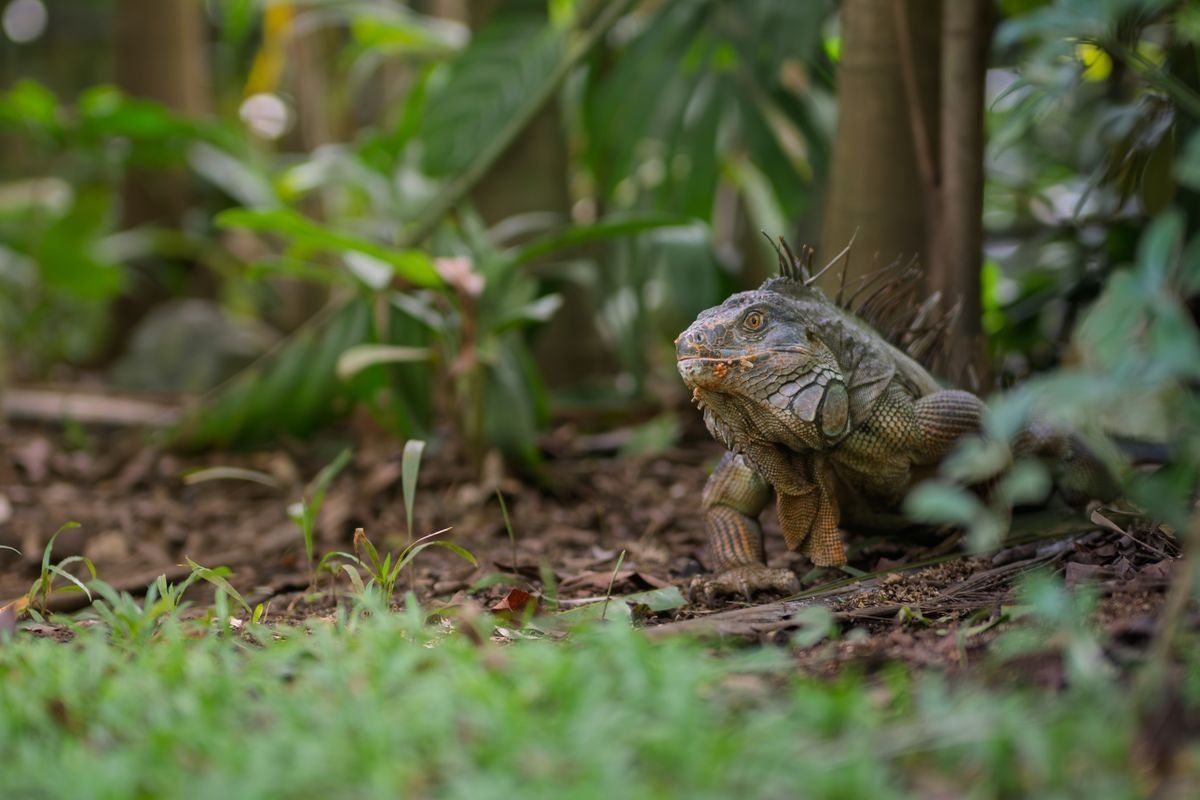
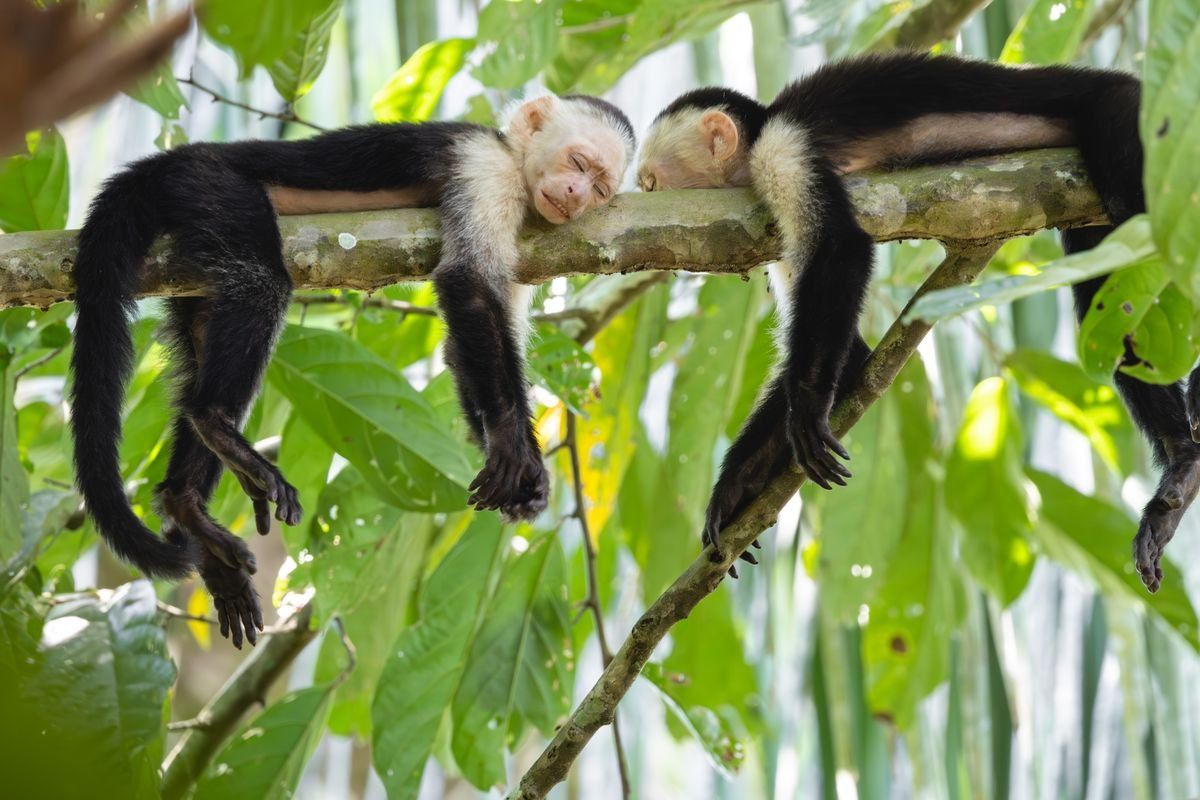
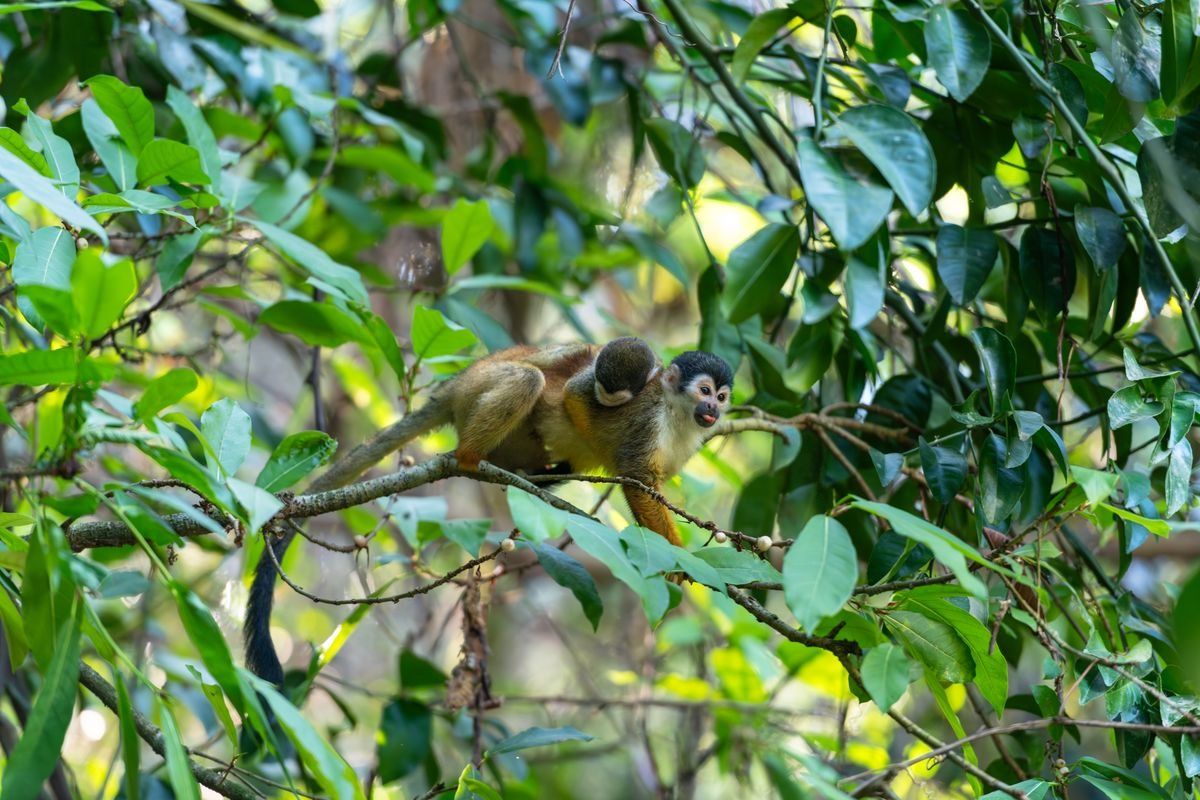
You can see iconic animals such as sloths, howler monkeys, capuchins and toucans year-round in many parks. The dry season makes trails easier, while the green season brings especially vibrant rainforest scenery.
For many travelers, the sweet spot is the transition between seasons, when wildlife is active, vegetation is lush, and conditions are still manageable. In other words: good photos, less mud, fewer regrets.
Month-by-month overview
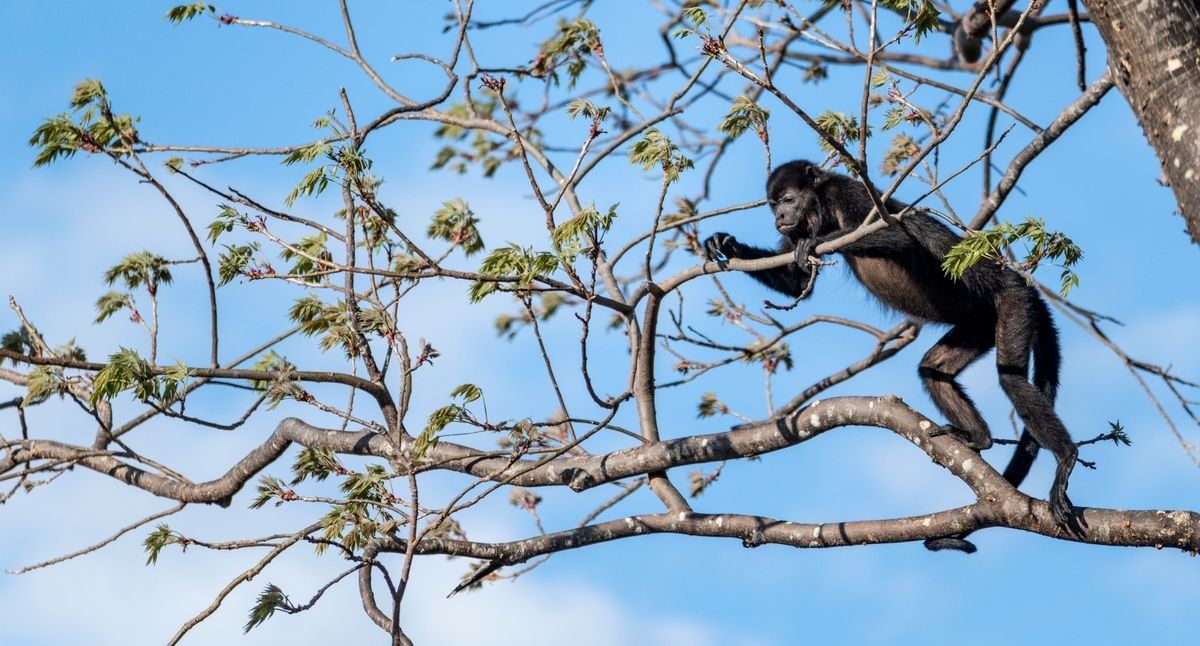
The year in Costa Rica can be broken into a few practical travel windows. These help balance weather, cost, crowds and activities without getting lost in a calendar spreadsheet worthy of a logistics manager.
- January to April: Best overall weather in much of the country, especially for Pacific beaches, hiking and first-time trips. Expect peak prices and more visitors.
- May to June: Start of the green season, lower costs, lush landscapes, mixed sunshine and showers. Good value for flexible travelers.
- July to August: Rainy season, but often with useful sunny breaks in some Pacific areas. Great for turtle watching and summer trips.
- September to October: Wettest period for much of the Pacific and inland regions, but often one of the best times for the Caribbean coast.
- November to mid-December: Transition period with improving conditions, greener scenery and fewer crowds before the festive rush returns.
Best and worst months depending on your travel style
The most suitable months depend on your priorities. Some travelers want postcard-perfect sunshine, others want lower prices, and others simply want to see a sloth and call it a successful life choice. Costa Rica can work for all of them with the right timing.
- Best for first-time travelers: January, February and March
- Best for lower prices: May, June, October and November
- Best for Pacific beaches: December to April
- Best for Caribbean beaches: February, March, September and October
- Best for lush landscapes: May to November
- Most challenging months in many areas: September and October on the Pacific side, due to heavy rain and trickier transport
The “worst” months are not universally bad, but they can be less practical depending on your route. If you are planning a self-drive adventure focused on the Pacific coast, September and October may be the hardest months. If you are heading to the Caribbean, those same months might work better than expected.
How much does timing affect your budget?
Travel costs in Costa Rica change significantly by season. High season brings the highest hotel and tour prices, while the green season usually offers better deals on accommodation and sometimes flights.
If you are wondering whether $1000 for a week is enough, the answer is: it can be, but only with careful planning. Budget travelers using local transport, simple guesthouses and affordable sodas can make it work more easily in the low or shoulder season. If you want private transfers, boutique hotels and daily excursions, that budget disappears faster than snacks on a zipline day.
The cheapest time of year is generally the green season, especially September and October, though weather trade-offs are real. For a better balance of cost and comfort, May, June and November are often excellent value.
So, when should you go?
The best period for a trip to Costa Rica is usually January to April for sunshine, easy logistics and classic outdoor adventures. However, travelers looking for lower prices, greener landscapes and fewer crowds may prefer the shoulder or green season.
If you want the classic Costa Rica experience, dry season is a safe choice. If you prefer a more relaxed and budget-friendly version, the green season can be brilliant. The truth is, there is no single perfect month for everyone, only the right one for your style of trip, your budget and your wildlife wishlist.
And if you want to experience Costa Rica with new travel buddies, shared adventures and none of the stress of organizing every transfer yourself, have a look at the WeRoad group trips for Costa Rica.
FAQ
- What are the best and worst months to go to Costa Rica?
-
The best months for many travelers are January to March, when weather is driest and travel conditions are easiest. The most challenging months are often September and October on the Pacific side, because rainfall is heavier and some routes can be harder to manage.
- Is $1000 enough for a week in Costa Rica?
-
Yes, it can be enough for a week if you travel on a budget, stay in simple accommodation, use public transport and limit expensive tours. In high season, that budget will feel tighter, while in the green season it stretches much further.
- Which side of Costa Rica is better?
-
Neither side is objectively better: it depends on your trip style. The Pacific coast is better for classic dry-season beach holidays and easier planning, while the Caribbean coast can be a smarter choice in months like September and October.
- What is the cheapest time of year to go to Costa Rica?
-
The cheapest period is generally the green season from May to November, with the lowest prices often appearing in September and October. Shoulder months such as May, June and November usually offer a better mix of savings and manageable weather.
- When is the best time to see wildlife in Costa Rica?
-
There is no single month for all wildlife. Turtle nesting is strong in Tortuguero from July to October, whale watching peaks on parts of the Pacific coast from July to October, and birdwatching is excellent year-round.