In a nutshell
- For fjords and classic scenic travel, May to September is the most rewarding period, with late spring offering powerful waterfalls and summer bringing open roads, boat trips, hiking trails, and long daylight hours.
- The midnight sun is best experienced in northern Norway from late May to late July, especially in Tromsø, Lofoten, Nordkapp, and Finnmark, where the light remains visible through the night.
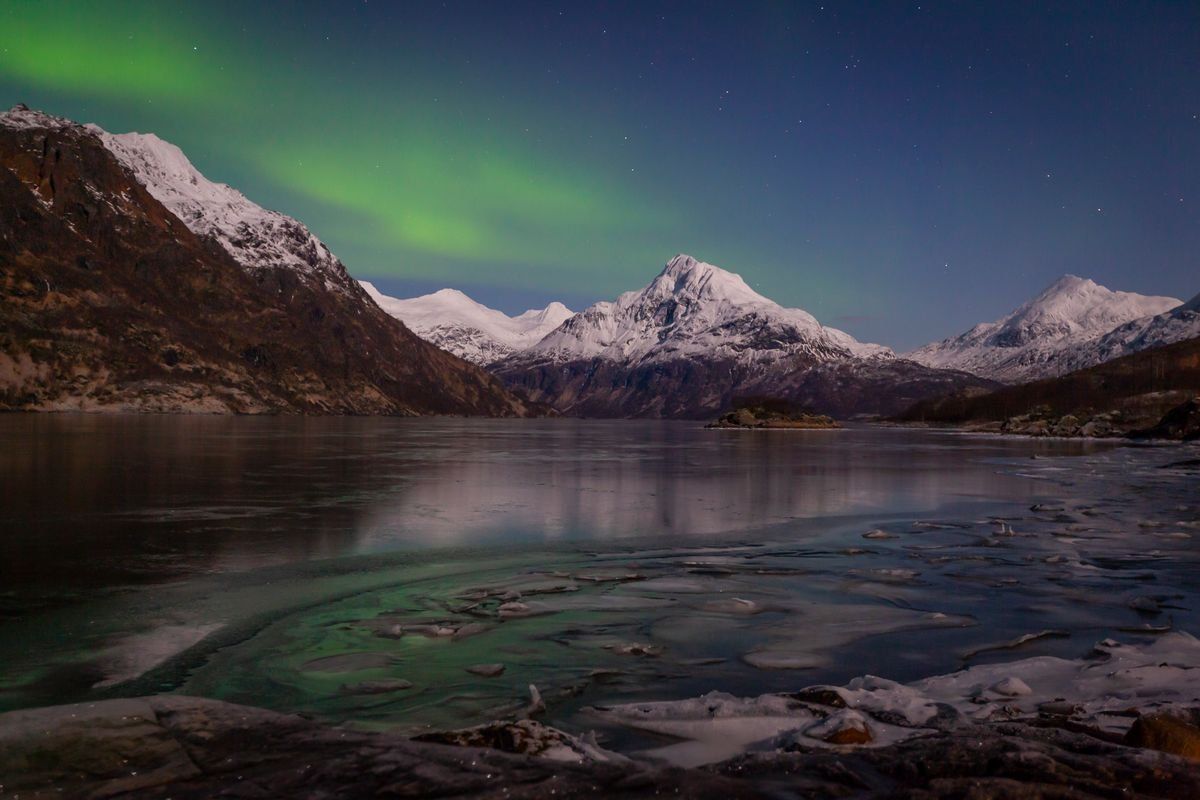
- The best season for the Northern Lights runs from October to March, with Tromsø and other Arctic destinations offering the strongest combination of dark skies, winter excursions, and aurora-focused travel.
- Shoulder seasons such as May-June and September-October offer the best balance between scenery, manageable crowds, and potentially lower prices, making them ideal for travelers who want flexibility and atmosphere.
- Norway can be expensive, but timing makes a difference: low season often means better rates, while smart planning, regional focus, and weather-appropriate packing help improve both budget and comfort.
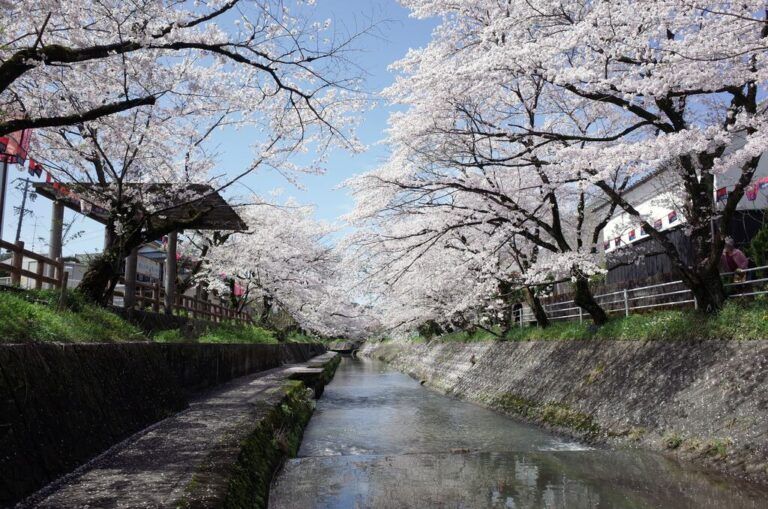
Norway is one of those places that looks unreal in every season. In summer, the fjords glow green under endless daylight. In winter, the north turns into a snowy stage for the Northern Lights. And in between? Waterfalls roar, forests turn gold, and the weather keeps everyone humble.
Choosing when to go depends less on finding one perfect month and more on matching the season to your travel style. Do you want long hikes, scenic road trips, midnight sun, snowy adventures, or a chance to see the aurora? Norway politely offers all of the above, just not all at once. Rude, but fair.
When to travel to Norway at a glance
The ideal period for a trip to Norway changes according to what you want to experience. For fjords and outdoor activities, late spring to summer is usually best. For the aurora borealis, darker months from autumn to early spring are more reliable. Shoulder seasons offer a smart balance of scenery, prices, and fewer crowds.
| Season | Best for | What to expect |
|---|---|---|
| Spring (April-June) | Waterfalls, fjords, scenic trains, fewer crowds | Cool to mild weather, blooming landscapes, longer days |
| Summer (June-August) | Fjords, hiking, road trips, midnight sun | Mild temperatures, busiest season, very long daylight |
| Autumn (September-October) | Foliage, photography, quieter travel, early aurora | Crisp air, fewer visitors, shorter days, changing weather |
| Winter (November-March) | Northern Lights, snow activities, Arctic experiences | Cold weather, short days, snow, magical polar atmosphere |
Best season for the fjords
The fjords are at their most accessible and photogenic from May to September. Late spring brings powerful waterfalls fed by snowmelt, while summer offers greener landscapes, open roads, and boat trips running at full pace. If fjords are the priority, this is the most practical window to choose.
For many travelers, the western fjords are the main reason to visit Norway at all. Places like Geirangerfjord, Nærøyfjord, Sognefjord, and the area around Flåm really come into their own once winter loosens its grip.
May and June for dramatic scenery
Late spring is often the sweet spot for fjord lovers. Waterfalls are especially strong, the hills are bright green, and there are usually fewer visitors than in peak summer. It is a great time for cruises, train journeys, and road trips through western Norway.
This is the season when Norway seems to show off a little. One minute you are on a ferry between steep cliffs, the next you are pretending your camera can somehow capture what your eyes are doing just fine. Spoiler: it cannot.
July and August for classic summer travel
Mid-summer is the warmest and most popular time to explore the fjords. Hiking trails are generally open, local services are in full swing, and long days make it easier to fit more into each itinerary. Expect higher prices and more people in famous spots.
If you like lively destinations and maximum flexibility for outdoor plans, summer works brilliantly. Just book early, because Norway in peak season does not wait around for last-minute geniuses.
Best time for the midnight sun
To experience the midnight sun, visit northern Norway between late May and late July. Above the Arctic Circle, the sun stays visible even at night, creating endless golden hours and a surreal rhythm to the day. It is one of the country’s most unique natural experiences.
The best areas for this phenomenon include Tromsø, the Lofoten Islands, Nordkapp, and parts of Finnmark. The farther north you go, the longer the effect lasts.
- Late May to June: excellent light, fewer crowds than peak summer
- July: warmer weather and active summer season
- Northern destinations: best chance to enjoy the sun at midnight
Be warned: your body clock may file a formal complaint. At 11:45 pm, the landscape looks like late afternoon and suddenly going to bed feels like a personal choice rather than a biological need.
Best months to see the Northern Lights
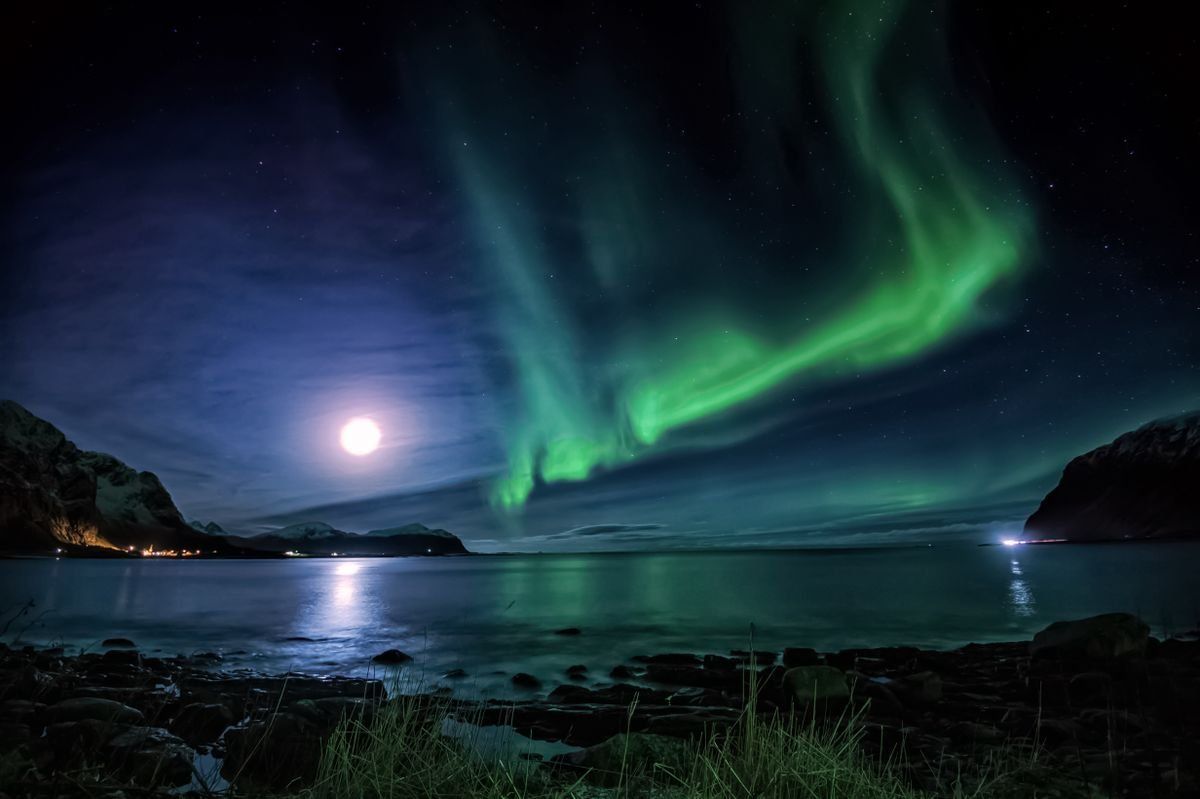
The aurora is most commonly visible between October and March, when nights are long and dark enough in northern Norway. Clear skies, low light pollution, and patience are essential. December to February offers the deepest winter atmosphere, while October and March can be milder.
If seeing the Northern Lights is your main goal, focus on Arctic destinations such as Tromsø, Alta, Lyngen, or the far north of the Lofoten Islands. There is never a guarantee, of course. The aurora likes suspense and has excellent dramatic timing.
October and November
Early aurora season is ideal for travelers who want a balance between dark skies and less intense winter conditions. Snow may begin to appear, prices can be lower than in peak winter, and the landscapes start to feel distinctly Arctic.
December to February
These are the prime winter months for classic northern Norway experiences. Snow-covered scenery, dog sledding, Sami culture, and long polar nights all add to the trip. This is also when the atmosphere feels the most cinematic.
March
March can be an excellent compromise. There is still plenty of snow in the north, but days are getting longer and temperatures can be a little more manageable. It is often a great month for those who want winter activities without the darkest period.
Month-by-month overview
Each part of the year offers a different side of Norway. Some months are better for fjords, others for winter adventures or lower prices. Looking at the year month by month helps narrow down the right timing based on weather, daylight, and activities.
- January-February: best for snow, Arctic adventures, aurora trips, and winter sports
- March-April: late winter conditions in the north, stronger daylight, good shoulder season value
- May-June: excellent for fjords, waterfalls, scenic rail routes, and early midnight sun
- July-August: best for hiking, road trips, islands, and classic summer itineraries
- September-October: ideal for autumn colors, fewer crowds, and early Northern Lights
- November-December: dark, festive, atmospheric, and well suited to aurora travel
Cheapest time to visit Norway
The most affordable time to travel is usually during the low season, especially January to April and parts of October to November, excluding holidays. Flights and hotels can be cheaper, though weather is less predictable and some seasonal routes or attractions may operate on reduced schedules.
Norway has a reputation for being expensive, and honestly, it did not get that reputation by selling bargain cinnamon buns. Still, costs can be managed with the right timing and a little planning.
- Travel outside peak summer and Christmas periods
- Book trains and domestic flights early
- Choose shoulder-season departures for better rates
- Focus on one region instead of crossing the whole country
Oslo, Bergen, Tromsø and Lofoten: when to go
Different parts of Norway shine at different times of year. Oslo is enjoyable year-round, Bergen works well from spring to early autumn, Tromsø is famous for winter and aurora trips, and Lofoten is best in summer or early autumn depending on your priorities.
| Destination | Best period | Why go then |
|---|---|---|
| Oslo | May-September | Mild weather, city walks, museums, fjordside summer atmosphere |
| Bergen | May-August | Gateway to the fjords, green scenery, boat trips, long days |
| Tromsø | October-March | Aurora season, Arctic excursions, polar night mood |
| Lofoten | June-September | Hiking, kayaking, fishing villages, midnight sun and early autumn colors |
Is Norway expensive and how should you pack?
Norway can be pricey, but costs vary by season and travel style. What matters most is planning ahead and packing for changing weather. Even in summer, conditions can shift quickly, while winter requires proper layers and insulated gear, especially in the north.
As for clothing, yes, you can absolutely wear jeans in Norway. Just do not rely on them as your master plan in rain, snow, wind, or on a long outdoor day. Norway is stylishly casual, but nature is not impressed by denim optimism.
- Summer: layers, waterproof jacket, hiking shoes, sunglasses
- Spring and autumn: warm mid-layers, waterproof outerwear, sturdy shoes
- Winter: thermal base layers, insulated coat, hat, gloves, snow-ready boots
So, what is the right time for your trip?
The right moment to visit Norway depends on your main goal. Choose late spring and summer for fjords, hikes, and long bright days. Pick autumn or winter for aurora hunting and Arctic experiences. If you want fewer crowds and better value, shoulder seasons are often the smartest choice.
In short, Norway does not really have a bad season, only different personalities. Summer is extroverted, winter is mysterious, spring is dramatic, and autumn is that quiet friend who turns out to be incredibly photogenic.
If you want to experience Norway with the right mix of landscapes, activities and great company, take a look at the WeRoad group trips to Norway and find the itinerary that matches your season.
FAQ
- What is the cheapest time to travel to Norway?
-
The cheapest period is usually the low season, especially from January to April and in parts of October and November, outside holiday peaks. Prices for flights and hotels are often lower, though weather can be harsher and some tourist services may be reduced.
- Is Sweden or Norway better to visit?
-
It depends on the kind of trip you want. Norway is generally better for dramatic nature, fjords, mountain scenery, and Arctic experiences. Sweden can be a better fit for city breaks, design, relaxed lakeside landscapes, and often slightly easier budgeting.
- Is Norway expensive to visit?
-
Yes, Norway is often considered an expensive destination, especially in summer. Accommodation, dining, and transport can cost more than in many European countries. Traveling in shoulder or low season, booking early, and limiting internal transfers can help reduce costs.
- Can I wear jeans in Norway?
-
Yes, jeans are perfectly fine for cities and casual travel days. However, for hiking, rainy weather, or winter conditions, technical or water-resistant layers are a much better choice. Norway’s climate changes quickly, so comfort matters more than looking brave in wet denim.
- When is the weather best in Norway?
-
The mildest and most stable weather usually arrives between June and August. These months are best for outdoor travel, especially in the south and west. Still, weather varies a lot by region, and rain is always a possibility, particularly around the fjords.
- When should I go to Norway for hiking?
-
The main hiking season is from June to September, when trails are more accessible and mountain roads are generally open. July and August are the safest choices for high-altitude hiking, while June and early September can be quieter and equally beautiful.