
In a nutshell
- Japan stands out for its social etiquette and respect for shared spaces, with behaviors like quiet public transport use, orderly queues, and attention to cleanliness shaping the visitor experience from the first day.
- Many cultural surprises are practical as well as symbolic, including removing shoes indoors, using separate slippers for toilet areas, bowing in everyday interactions, and following specific chopstick manners linked to tradition.
- Daily life in Japan includes memorable quirks such as spotless streets despite few public bins, an impressive number of vending machines, and train systems so punctual that travelers can plan with unusual precision.
- Traditions remain deeply connected to nature, seasonality, and ceremony, from Shinto respect for landscapes to washoku food culture and local festivals that reveal both the elegance and energy of Japanese communities.
- Practical travel knowledge helps avoid common mistakes, especially around tipping, eating while walking, transport etiquette, carrying restricted medication, and understanding that each region has its own identity and cultural tone.
Japan has a talent for making first-time visitors feel amazed, delighted, and occasionally mildly confused in the best possible way. One minute you are admiring a serene temple garden, the next you are wondering why there are slippers just for the toilet. That mix of deep tradition and everyday precision is exactly what makes the country so fascinating.
Beyond the neon lights of Tokyo and the postcard perfection of Mount Fuji, there are countless surprising details that shape daily life. Some are practical, some are cultural, and some are simply the kind of odd little discoveries you’ll text your friends about immediately. Here’s a warm, useful guide to some of the most interesting things to know before your first trip.
Why Japan feels so different from day one
Japan often feels different because social rules, public behavior, and shared spaces are treated with unusual care. Visitors quickly notice how cleanliness, punctuality, and respect are built into ordinary routines. These are not just stereotypes: they are visible in train stations, restaurants, streets, and even convenience stores.
The surprise is not only that things work well, but that they work well quietly. Trains arrive with near-surgical precision, public places stay tidy even when bins are hard to find, and people move through crowded areas with impressive calm. It can feel a bit like stepping into a place where everyone got the group chat instructions except you.
- Order matters: queues are respected, even when nobody is watching.
- Silence matters: especially on public transport.
- Shared space matters: people generally avoid inconveniencing others.
This doesn’t mean Japan is stiff or unfriendly. It means everyday life runs on consideration, and that’s one of the biggest reasons travelers remember it so vividly.
Etiquette surprises that catch first-timers off guard
Many of the most memorable cultural surprises in Japan come from etiquette. Small gestures carry meaning, and everyday habits can be more formal than visitors expect. Knowing a few basics in advance helps you avoid awkward moments and appreciate the logic behind local customs.
Bowing is more than a greeting
Bowing is a common sign of respect, thanks, apology, or greeting. The depth and duration can vary depending on the situation. Visitors are not expected to master every nuance, but responding with a small bow is always appreciated and usually safer than an overenthusiastic handshake ambush.
It quickly becomes second nature. By day three, you may find yourself bowing slightly to a cashier, a hotel receptionist, and possibly a vending machine if it has been especially helpful.
Shoes off means shoes off
Removing shoes is standard in homes, many traditional accommodations, some restaurants, temples, and changing rooms. Indoor slippers are often provided, and toilet slippers are a separate category. Yes, separate. Yes, really. And yes, forgetting to remove them is a classic traveler mistake.
Look for clues at the entrance:
- Rows of shoes by the door
- Raised flooring beyond the entrance area
- Slippers neatly lined up
Chopstick rules are taken seriously
There are a few chopstick habits that are best avoided because they are associated with funerary rituals. The most important are never sticking chopsticks upright into rice and never passing food from chopsticks to chopsticks. These gestures can feel harmless to visitors but carry strong cultural associations.
If in doubt, place your chopsticks neatly on the holder or across your bowl. No drama, no accidental symbolic disaster.
Daily life quirks that visitors love talking about
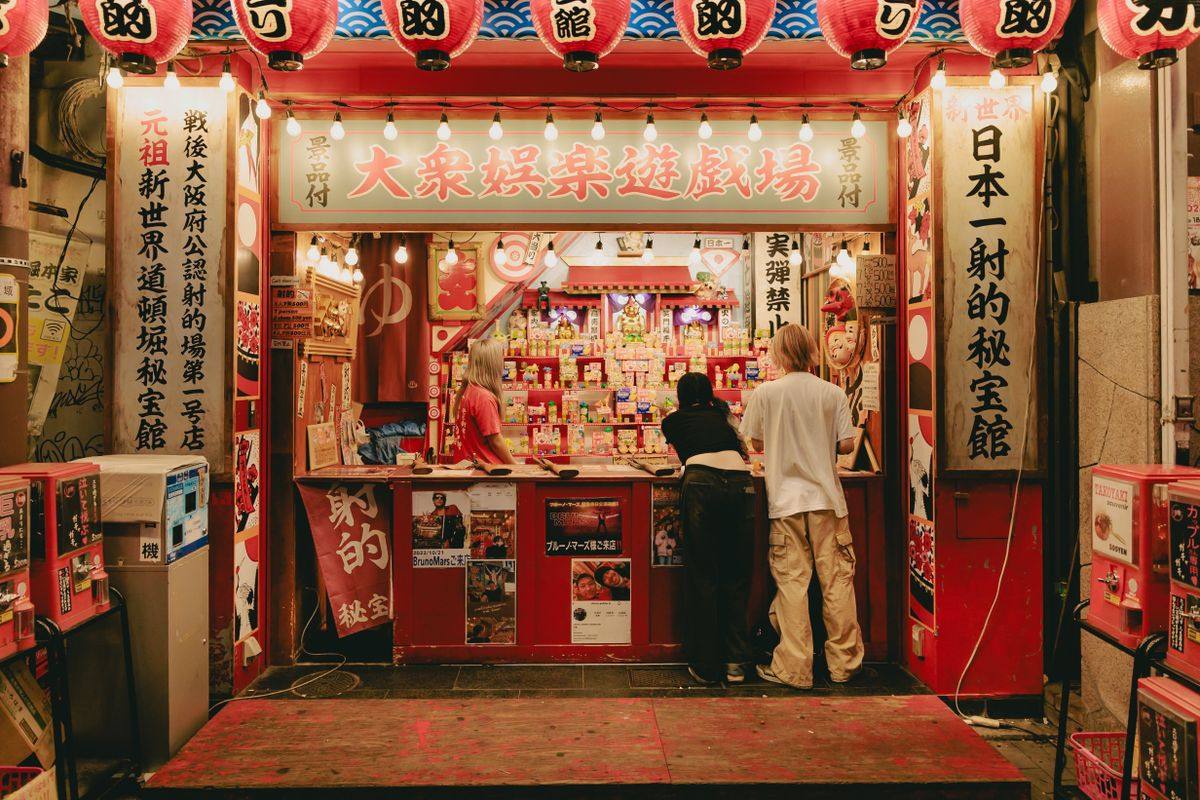
Some of the most entertaining details about Japan are found in ordinary routines. These are not grand historical facts but small observations that shape the travel experience. They often become the stories people retell most after coming home.
There are very few public bins, yet the streets are spotless
Japan’s streets are famously clean, even though public rubbish bins can be surprisingly rare. The unwritten rule is simple: carry your trash with you until you find a proper place to dispose of it. Convenience stores and vending machine recycling points often help.
This is one of those moments when travelers realize they should have packed a tiny bag for snack wrappers. Elegant? Maybe not. Useful? Very much.
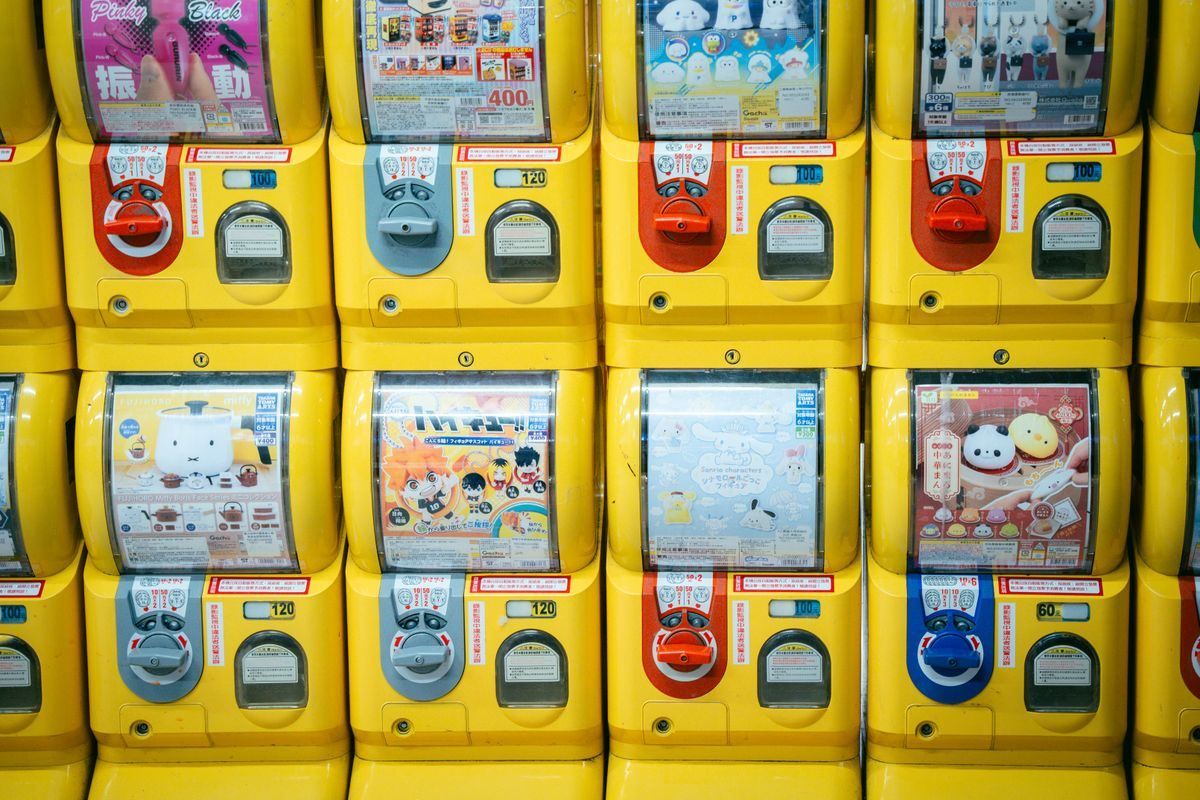
Vending machines are everywhere
Japan has an astonishing number of vending machines, and they are part of everyday convenience. You can find hot coffee, cold tea, water, soft drinks, soups, ice cream, and sometimes items that make you pause and say, “Of course this country thought of that.”
They are especially great in winter, when a warm canned coffee feels weirdly futuristic and emotionally supportive.
Train punctuality is almost legendary
Japanese trains are known around the world for their reliability. Delays are usually minimal, and rail systems are designed for efficiency even in huge metropolitan areas. For travelers, this means itineraries can be planned with unusual confidence.
Miss your train, though, and the problem is not the railway. The problem is you, your poor platform timing, and perhaps that melon pan you stopped to admire.
Traditions that reveal Japan’s cultural depth
Behind the playful oddities, Japan has traditions shaped by centuries of history. Religion, seasonality, craftsmanship, and ceremony still influence modern life. These customs give context to many things travelers see, from food presentation to shrine visits.
Nature is deeply respected
In Shinto, natural elements such as mountains, forests, waterfalls, and rocks can hold spiritual significance. This helps explain why landscapes are treated with reverence and why gardens, seasonal flowers, and scenic views are not just decorative but culturally meaningful.
It is also why cherry blossom season feels less like a simple bloom and more like an annual national love letter to impermanence.
Seasonality shapes food and travel
Japanese cuisine values ingredients at their seasonal peak, and the idea of eating with the seasons runs deep. This is part of washoku, the traditional food culture recognized by UNESCO. Meals often highlight freshness, balance, and subtle flavor rather than excess.
You’ll notice this in everything from convenience store snacks to high-end dining. Autumn has chestnuts and sweet potatoes, spring has sakura treats, and every season seems determined to become your new favorite.
Festivals can be elegant, wild, or both
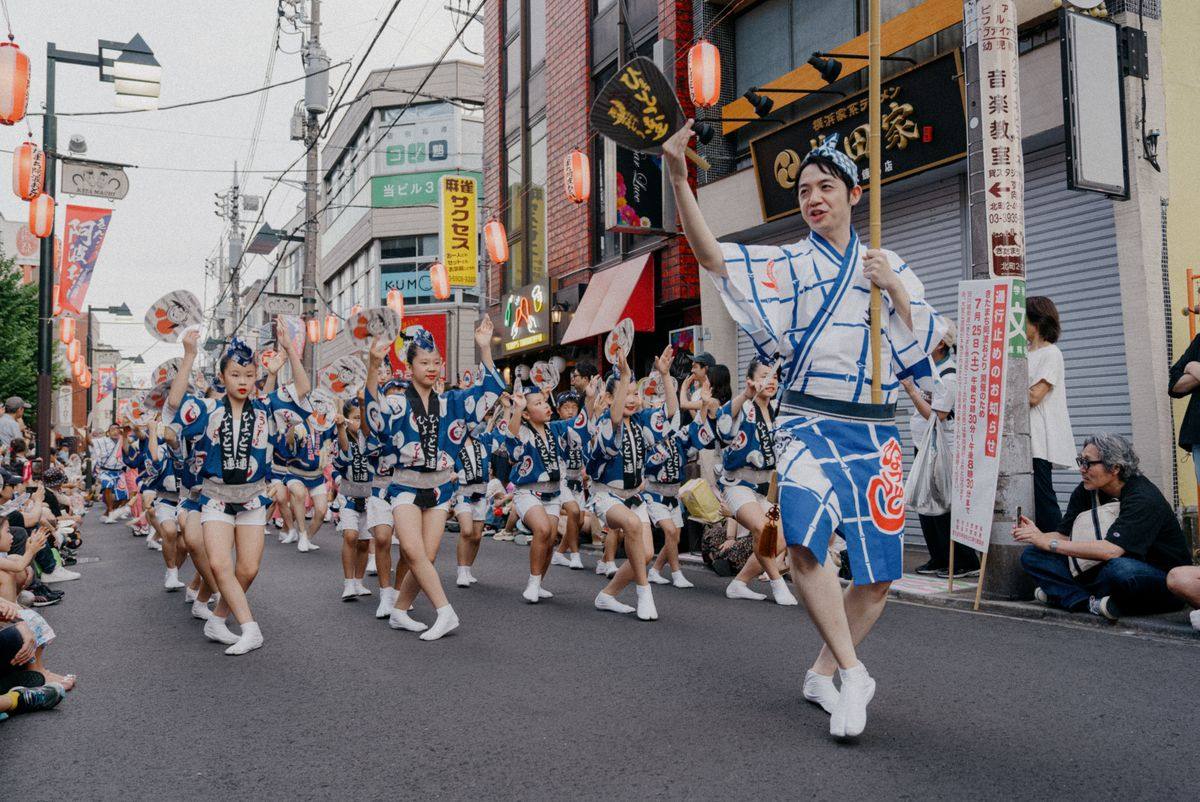
Japan’s matsuri, or festivals, range from lantern-lit rituals and shrine parades to noisy, energetic celebrations with drums, costumes, and street food. They often reflect local identity and old traditions, showing that Japanese culture is not only refined and quiet but also lively and communal.
In other words, yes, you can have a deeply spiritual temple visit in the morning and end the evening elbow-deep in festival snacks. Balance.
A few useful facts before you go
Some practical details matter just as much as the cultural ones. Knowing them in advance can make a trip smoother and help avoid common misunderstandings. These are simple points, but they often make a real difference for first-time travelers.
| Topic | What to know |
|---|---|
| Tipping | Tipping is generally not expected and may cause confusion. |
| Public transport | Speak quietly, line up properly, and avoid phone calls on trains. |
| Eating while walking | It is often frowned upon, especially in busy areas. |
| Medication | Some medicines common abroad are restricted, so check before flying. |
| Cash | Cards are widely accepted in cities, but cash still matters in smaller places. |
One more useful reminder: Japan is not culturally uniform. Tokyo, Osaka, Kyoto, and Okinawa all have distinct personalities, rhythms, and social vibes. Part of the fun is noticing those regional differences as you travel.
The little surprises that stay with you
The most memorable things about Japan are often not the headline attractions but the tiny details of daily life. A bow from a shopkeeper, a perfectly wrapped pastry, a station so busy it should be chaos but somehow isn’t, or a quiet street with no litter and no bins in sight can leave a lasting impression.
That is why so many travelers go looking for simple trivia about Japan and end up discovering something much richer: a place where etiquette, design, tradition, and modern life are woven together with remarkable care. And yes, where toilet slippers can absolutely humble you.
If all this has made you want to experience Japan for real, take a look at the WeRoad group trips for this destination and start planning your own first-timer moments.
FAQ
- What is Japan best known for?
-
Japan is best known for its blend of ancient tradition and cutting-edge modern life. Travelers often associate it with Tokyo, Mount Fuji, sushi, temples, cherry blossoms, bullet trains, and a strong culture of respect, precision, and etiquette.
- What are some important things to know before visiting Japan?
-
It helps to know that tipping is generally not expected, shoes often need to be removed indoors, public bins can be hard to find, and train etiquette is taken seriously. Travelers should also check medication rules before departure, as some common medicines may be restricted.
- Why are Japan’s streets so clean?
-
Streets stay clean largely because people take personal responsibility for their waste and for shared spaces. Even without many public bins, many locals carry rubbish until they can dispose of it properly. Cleanliness is also tied to broader cultural values around respect and order.
- Is it rude to eat while walking in Japan?
-
In many places, yes, it can be seen as impolite, especially in crowded urban areas. The more common habit is to eat near the place where the food was bought and then continue walking. This varies by setting, but following local behavior is the safest approach.
- Are Japanese trains really that punctual?
-
Yes, they are famously punctual. Rail networks in Japan are known for efficiency and minimal delays, especially compared with many other countries. This reliability is one reason moving around the country feels so smooth, even in huge cities.