In a nutshell
- Prepare before packing by checking the weather, planning activities, and creating a realistic packing list that covers clothes, toiletries, documents, and electronics without adding unnecessary extras.
- Build outfits instead of packing random items so your wardrobe is more versatile, easier to mix and match, and much less likely to overflow with “just in case” pieces you will never wear.
- Use a structured packing order by placing heavier items near the wheels, shoes along the edges, clothes in organized layers, and small accessories into gaps to maximize every part of the suitcase.
- Combine rolling and folding by rolling casual clothes like T-shirts and jeans for space efficiency, while folding structured garments such as shirts, blazers, and dresses to reduce wrinkles.
- Avoid common mistakes like overpacking shoes, leaving toiletries unprotected, ignoring baggage limits, and forgetting to keep travel essentials, valuables, and one spare outfit easily accessible.
Packing for a trip sounds easy right up until your bed disappears under a mountain of clothes, chargers, “just in case” shoes, and one mystery cable nobody can identify. The good news is that fitting everything into one suitcase is less about magic and more about method.
With a simple system, you can save space, keep clothes in good shape, and avoid that dramatic airport-floor repacking session nobody wants. Below, you’ll find a practical step-by-step guide to packing efficiently, whether you’re traveling for a weekend city break or a longer adventure.
Start before the suitcase opens
The easiest way to pack well is to prepare before placing a single item inside your bag. A short planning phase helps you avoid overpacking, choose better outfits, and leave room for what you actually need. It also makes the whole process faster and far less chaotic.
Before you unzip your suitcase like it owes you money, take 10 minutes to map out the trip. Think about weather, activities, trip length, and whether you’ll have access to laundry. Packing gets much easier when every item has a purpose.
Make a realistic packing list
A packing list helps reduce forgotten essentials and unnecessary extras. It should include clothing, toiletries, documents, electronics, and any destination-specific items. A simple list is often enough to keep your suitcase organized before you even start arranging it.
Group your list into categories so nothing slips through the cracks:
- Clothes: tops, bottoms, underwear, sleepwear, jacket
- Shoes: daily pair, optional second pair, sandals if needed
- Toiletries: liquids, toothbrush, skincare, medications
- Tech: phone charger, power bank, adapters, headphones
- Documents: passport, wallet, tickets, insurance details
Plan outfits, not random pieces
Choosing complete outfits is more efficient than throwing in individual garments. It helps you avoid duplicates, unnecessary “backup” pieces, and clothes that only work with one specific item. This is one of the simplest ways to pack lighter without sacrificing options.
Try selecting items in a consistent color palette so everything mixes and matches. That way, three tops and two bottoms can suddenly become several outfits instead of a suitcase full of fashion confusion.
Choose the right suitcase and layout
The size and structure of your suitcase affect how well you can organize your things. A bag that is too large encourages overpacking, while one that is too small creates unnecessary pressure. Matching the suitcase to the trip is the first practical decision.
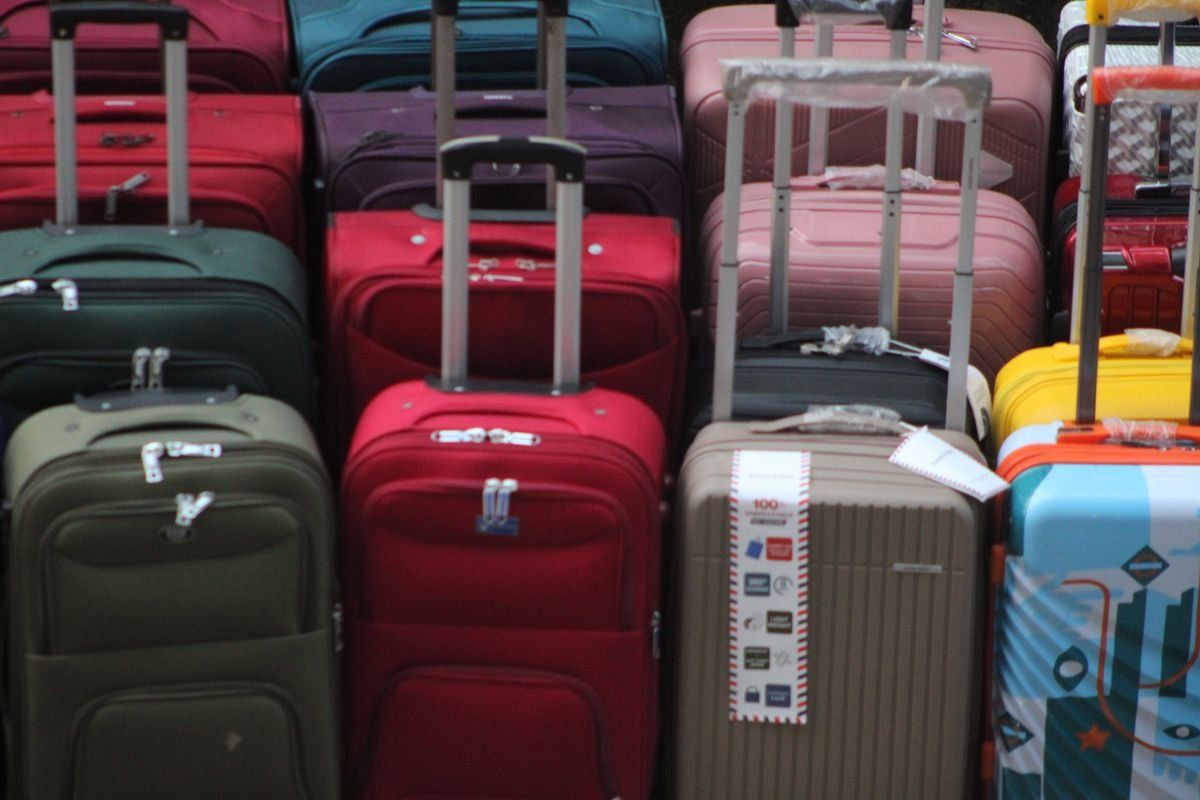
For short trips, a carry-on suitcase is often enough if you pack strategically. For longer journeys, a medium checked bag gives you more flexibility without turning you into a moving company. If your suitcase has compartments, use them with intention rather than stuffing them and hoping for the best.
| Trip type | Best luggage choice | Packing focus |
|---|---|---|
| Weekend break | Carry-on | Versatile outfits and one extra layer |
| 4-7 day trip | Carry-on or medium suitcase | Mix-and-match clothing and compact toiletries |
| Long trip | Medium or large suitcase | Organization by category and laundry planning |
The best order for packing a suitcase
A good packing order protects fragile items, improves balance, and helps you use every corner of the suitcase. Starting with the bulkiest or heaviest pieces creates a stable base. Smaller and lighter items can then fill in gaps without crushing everything else.
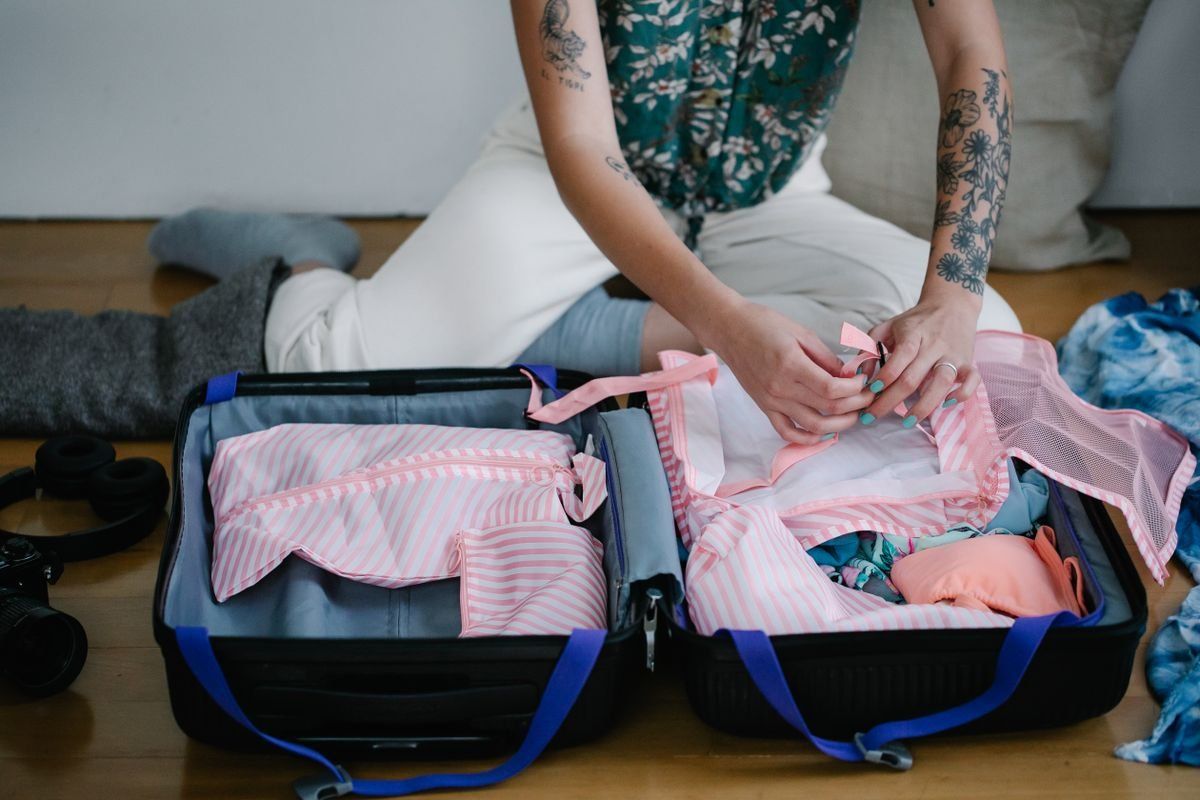
Think of your suitcase like a tiny studio apartment: if you put the sofa in last, life gets complicated.
- Place heavy items near the wheels to keep the suitcase balanced.
- Add shoes first, ideally in shoe bags, along the edges or bottom.
- Pack rolled or folded clothes in layers based on fabric type.
- Use small gaps for socks, underwear, belts, or chargers.
- Keep toiletries accessible in a sealed pouch.
- Leave the top layer for items you may need quickly.
Roll or fold? Use both strategically
Rolling and folding serve different purposes, and the most efficient method usually combines both. Soft, casual garments tend to roll well, while structured pieces hold their shape better when folded. Using each technique where it works best saves space and reduces wrinkles.
This debate has launched approximately 74% of travel arguments, right after “Do we really need to leave for the airport this early?”
When rolling works best
Rolling is ideal for soft fabrics and casual clothing. It creates compact shapes, improves visibility inside the suitcase, and helps fill available space more efficiently. It can also reduce creasing in garments that do not need a perfectly flat fold.
- T-shirts
- Jeans
- Leggings
- Underwear
- Light pajamas
When folding is better
Folding is better for garments with structure or fabrics that wrinkle easily. It keeps seams aligned and reduces stress on collars, pleats, or tailored shapes. These items should usually sit on top of rolled layers or in a separate section.
- Button-down shirts
- Blazers
- Dresses
- Trousers in delicate fabrics
- Formal outfits
Use smart space-saving techniques
Saving space is not just about fitting more into your bag. It also helps keep your suitcase tidy, easy to unpack, and manageable on the move. A few simple tricks can make a noticeable difference without making packing feel overly technical.
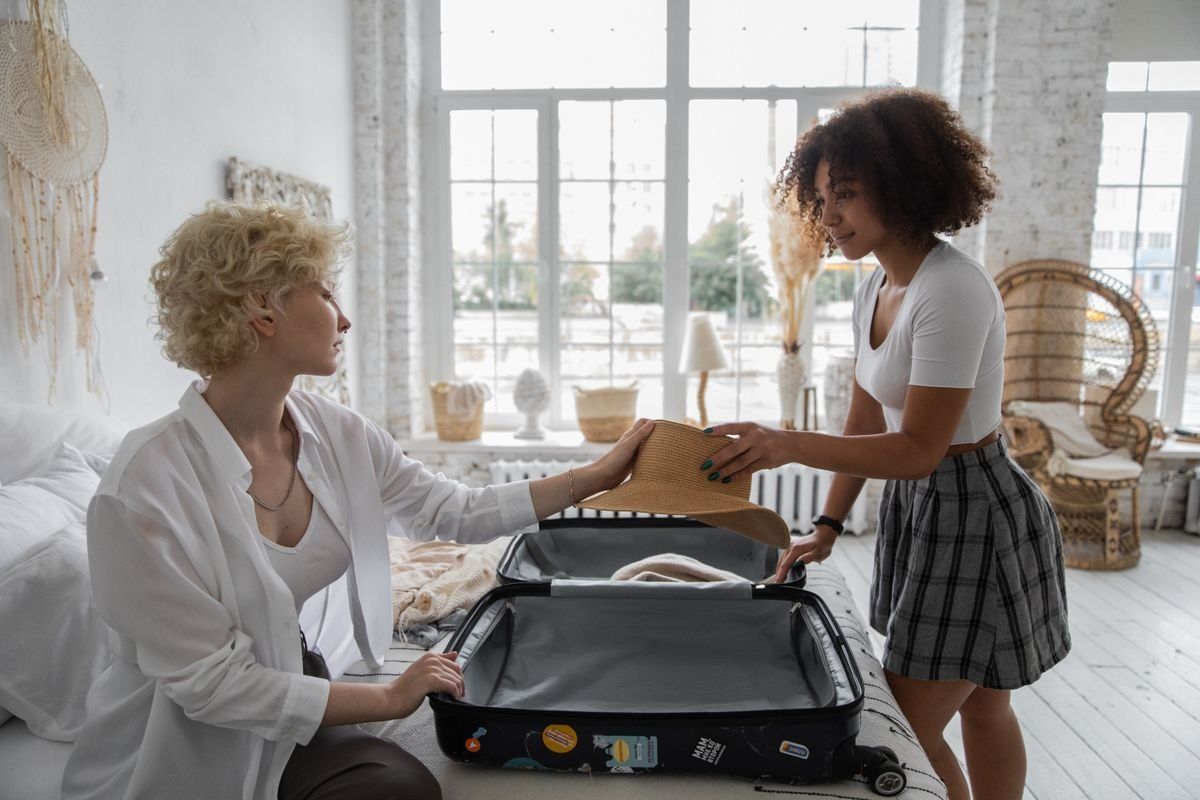
The goal is not to win a suitcase Tetris championship, even if the temptation is very real.
Packing cubes and compression bags
Packing cubes improve organization by separating items into clear sections. Compression cubes or bags can reduce bulk, especially for sweaters, jackets, and other thicker layers. They are most useful when space is limited and categories need to stay distinct.
You can organize cubes by:
- Clothing type: tops, bottoms, underwear
- Outfit: one cube per day or occasion
- Traveler: helpful when sharing a suitcase
Fill dead space
Small empty areas inside a suitcase should be used carefully. Shoes, corners, and the spaces between larger items are ideal for compact accessories. This improves efficiency without making the bag feel disordered.
- Put socks inside shoes
- Slide belts along the suitcase edges
- Tuck chargers into small side gaps
- Use a pouch for jewelry and tiny accessories
Where to put shoes, toiletries, and essentials
Some items need extra planning because they can affect hygiene, accessibility, or the condition of your clothes. Shoes should stay separated, toiletries should be sealed, and important essentials should remain easy to reach during transit. Their placement matters more than most people expect.
In other words: your trainers and your clean white shirt do not need quality time together.
Shoes
Shoes are best placed at the bottom or along the sides of the suitcase, ideally inside shoe bags. This keeps dirt away from clothing and helps stabilize the suitcase structure. Heavier pairs should stay close to the wheels.
Toiletries
Toiletries should go in a sealed, leak-proof bag. If you are flying, make sure liquids follow cabin rules. Place them near the top of the suitcase or in an easy-access compartment so security checks do not become a public performance.
Travel essentials
Important items should not be buried inside your main luggage. Documents, medication, valuables, chargers, and one change of clothes are better kept in your personal item or carry-on, especially in case of delays or lost baggage.
Try the 5-4-3-2-1 method for short trips
The 5-4-3-2-1 method offers a simple framework for packing light on a trip of about one week. It limits quantity while keeping enough variety for comfort and different occasions. This approach works especially well for city breaks and moderate-weather destinations.
It is basically a friendly way to stop your brain from saying, “What if I need seven jackets?”
- 5 tops
- 4 bottoms
- 3 pairs of shoes
- 2 accessories
- 1 jacket or smarter outfit
You can adapt the formula depending on the season, but it is a useful starting point when you want clear limits without overthinking every sock.
Packing mistakes to avoid
Most packing problems come from a few predictable errors: bringing too much, packing without a plan, and forgetting practical needs during transit. Avoiding these common mistakes makes traveling smoother and helps your suitcase stay functional from departure to return.
- Overpacking duplicates, especially shoes and bulky layers
- Skipping a packing list and relying on memory
- Packing liquids loosely without protection
- Ignoring airline size or weight limits
- Forgetting room for souvenirs or items bought during the trip
One more classic mistake? Packing things you never wear at home and expecting a personality transformation at the destination. Your trip may be exciting, but your blister-inducing shoes are still the same villains.
Before you zip it up
A final check helps confirm that your suitcase is practical, not just full. Review whether the weight is manageable, essentials are easy to access, and fragile or important items are protected. This last step often prevents the most annoying travel-day problems.
Do a quick review before leaving:
- Can you lift the suitcase comfortably?
- Are documents and valuables in the right bag?
- Are liquids sealed?
- Do you have one spare outfit in your carry-on if needed?
- Have you left a little extra room?
Pack with a bit of strategy, and traveling instantly feels lighter. And once your suitcase game is under control, you can focus on the fun part: the trip itself. If you’re ready for your next adventure, discover WeRoad group trips and travel with people who are just as ready to go as you are.
FAQ
- Is it better to roll or fold clothes in a suitcase?
-
It depends on the garment. Rolling works well for soft, casual items like T-shirts, jeans, and underwear because it saves space and improves visibility. Folding is better for structured or wrinkle-prone clothes such as shirts, dresses, and blazers. A mixed approach is usually the most effective.
- What is the 5 4 3 2 1 packing trick?
-
It is a simple packing formula for short trips: 5 tops, 4 bottoms, 3 pairs of shoes, 2 accessories, and 1 jacket or dressier outfit. The method helps limit overpacking while still giving you enough outfit combinations for about a week away.
- What are the biggest packing mistakes to avoid?
-
The most common mistakes are packing too many duplicate items, skipping a packing list, carrying unprotected liquids, ignoring airline baggage limits, and forgetting to keep essentials accessible. Another frequent error is bringing clothes or shoes you do not normally wear.
- Where should shoes go in a suitcase?
-
Shoes should go at the bottom of the suitcase or along the sides, ideally in shoe bags. Heavier pairs are best placed near the wheels for balance. To save space, you can fill the inside of the shoes with socks or small accessories.
- How can I fit more into a carry-on without making a mess?
-
Use packing cubes, roll soft clothing, fold structured pieces, and fill small gaps with socks, belts, or chargers. Limit yourself to versatile outfits and wear your bulkiest items, like boots or a heavy jacket, during travel instead of packing them.