In a nutshell
- October and November are excellent months to visit Italy thanks to milder weather, fewer crowds than summer, and a richer seasonal atmosphere, especially for travelers interested in culture, food, and slower-paced experiences.
- Weather varies significantly by region: the north turns cool earlier, central Italy stays pleasant for city breaks and countryside trips, while southern Italy and Sicily usually offer the warmest conditions, particularly in October.
- Top autumn destinations include Tuscany, Rome, Bologna, Parma, Veneto, Umbria, Piedmont, and Sicily, each suited to different travel styles such as wine tasting, iconic sightseeing, local festivals, or warmer-weather escapes.
- Fall is especially strong for food-focused travel, with truffles, chestnuts, mushrooms, olive oil, and harvest experiences shaping the season, while destinations like Emilia-Romagna and Piedmont stand out for regional specialties and local events.
- Smart planning still matters: book major attractions in advance, pack layers and rain protection, use trains between main cities, and check for reduced coastal services later in the season, especially in November.
Autumn is one of the smartest times to explore Italy. October and November bring milder temperatures, fewer crowds than summer, seasonal food at its best, and a more relaxed rhythm in many destinations. It is a period that works especially well for city breaks, countryside escapes, and scenic road or train itineraries.
That said, fall in Italy is not the same everywhere. The north cools down earlier, the center balances culture and foliage beautifully, and the south often stays pleasantly warm well into November. In short: yes, this is a great season to go – just pack layers, keep an eye on the forecast, and prepare to fall in love with chestnuts, wine harvests, and that smug feeling of visiting famous places without melting in a queue.
Why visit Italy in the fall
October and November are ideal for travelers who want a more comfortable and often better-value experience. The weather is generally mild, major sights are easier to enjoy than in peak summer, and the season adds food festivals, harvest activities, and rich autumn colors across many regions.
One of the biggest advantages is balance. You can still enjoy long days outdoors in early October, while late October and November are often better for museum-heavy city trips, food-focused weekends, and scenic countryside stays. Prices may also soften compared with summer, especially outside major holidays and marquee destinations.
- Lower crowds than July and August in many places
- Milder temperatures for walking, sightseeing, and day trips
- Seasonal food like truffles, porcini mushrooms, chestnuts, new olive oil, and hearty pasta dishes
- Harvest season for wine and olives in several regions
- Good value, especially in November
Of course, there is a catch—because Italy likes to keep things interesting. November can be rainy, some coastal services reduce frequency, and smaller resorts may slow down for the season. Still, if you want a trip that feels more local and less frantic, autumn is hard to beat.
Weather in October and November across Italy
Fall temperatures in Italy vary a lot by region. Northern cities and the mountains become cooler first, central Italy stays pleasantly mild through much of October, and the south can still feel almost summery on sunny days. November is typically wetter across much of the country.
| Area | October | November | What to expect |
|---|---|---|---|
| Northern Italy | 10-18°C / 50-64°F | 5-12°C / 41-54°F | Cooler days, crisp evenings, more rain and fog |
| Central Italy | 13-22°C / 55-72°F | 8-17°C / 46-63°F | Mild sightseeing weather, cooler nights |
| Southern Italy & Sicily | 18-25°C / 64-77°F | 13-21°C / 55-70°F | Warmer days, some beach weather early on, variable rain later |
Bring layers, comfortable shoes, a light waterproof jacket, and a small umbrella. This is not the season for dramatic packing choices. Cute? Yes. Practical? Also yes. Your future self will thank you while everyone else buys emergency scarves at train stations.
Best places to go in Italy in October and November
The best destinations depend on what kind of trip you want. For art and food, central cities shine. For foliage and wine, the countryside is excellent. For warmer temperatures, southern regions and islands are often the safest bet, especially in early to mid-October.
Tuscany for vineyards, hill towns, and seasonal food
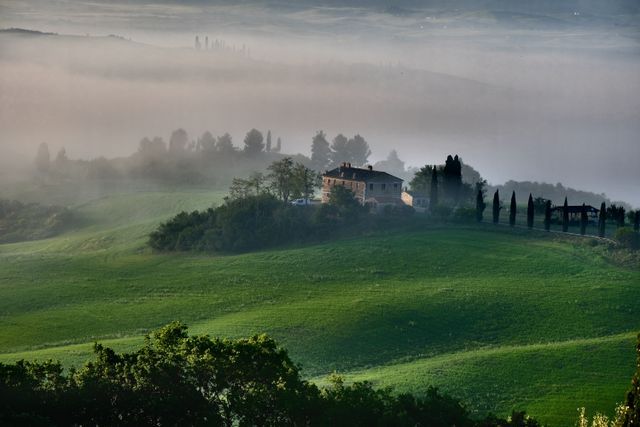
Tuscany is one of the most rewarding autumn destinations in Italy. In October and early November, the region combines harvest season, rolling landscapes, cooler sightseeing temperatures, and menus full of truffles, mushrooms, game, and fresh olive oil.
Florence works well as a base for art, architecture, and easy day trips. Outside the city, towns such as San Gimignano, Montepulciano, and the Chianti area feel especially atmospheric in fall. Vineyard visits are still possible, though during harvest some smaller producers may be busier than usual.
If you want the classic postcard version of Italy—but with fewer elbows in your ribs—this is a very strong contender.
Rome for culture without the summer heat
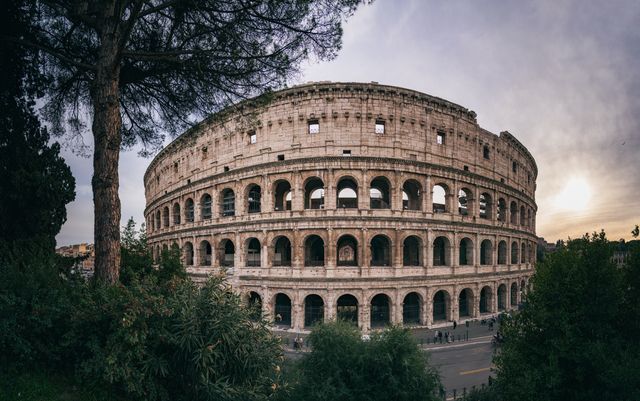
Rome is a great choice in October and November because the intense summer heat fades, while the city remains lively and full of things to do. It is one of the easiest destinations for first-time visitors who want iconic landmarks, food, and walkable neighborhoods.
You can explore the Colosseum, Roman Forum, Pantheon, and Vatican Museums more comfortably than in peak season. October is especially pleasant for long walks through neighborhoods like Trastevere and around villas and gardens. November can be wetter, but it is also quieter and often more budget-friendly.
And if it rains? Congratulations, you now have an excellent excuse for an extra plate of cacio e pepe.
Bologna and Parma for food-focused travel
Emilia-Romagna is a brilliant autumn region for travelers who plan with their stomach first and ask questions later. In October and November, cooler weather suits city wandering, markets, and long meals built around regional specialties.
Bologna offers portico-lined streets, historic architecture, and one of Italy’s most satisfying food scenes. Nearby Parma is ideal for tasting Parmigiano Reggiano and Prosciutto di Parma at the source. This region is less about ticking off giant monuments and more about experiencing Italian everyday life through food, local culture, and smaller-city charm.
Veneto for Venice, prosecco hills, and easy escapes
Veneto works especially well in fall thanks to its mix of city culture, wine country, and manageable distances. October is often the sweet spot, with pleasant temperatures and a more relaxed atmosphere than late spring or high summer.
Venice feels more breathable in autumn, especially outside holiday weekends. You can also pair the city with the Prosecco Hills of Valdobbiadene, where harvest season brings extra appeal. If you enjoy scenic drives, winery stops, and landscapes that seem suspiciously designed to make everyone on social media jealous, this region delivers.
Umbria and Piedmont for truffles and local festivals
For a more local, food-and-countryside trip, Umbria and Piedmont are excellent in the fall. These regions are known for harvest traditions, hill towns, and food festivals that become a major draw in October and November.
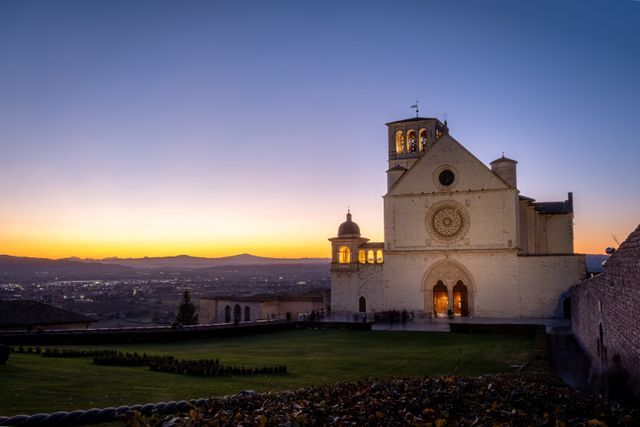
In Umbria, towns like Perugia, Assisi, and Spello pair well with olive oil events and slower-paced exploration. In Piedmont, autumn is famous for the Alba White Truffle Fair, vineyard landscapes, and rich seasonal cuisine. These are strong picks for return visitors or anyone wanting a less obvious route through Italy.
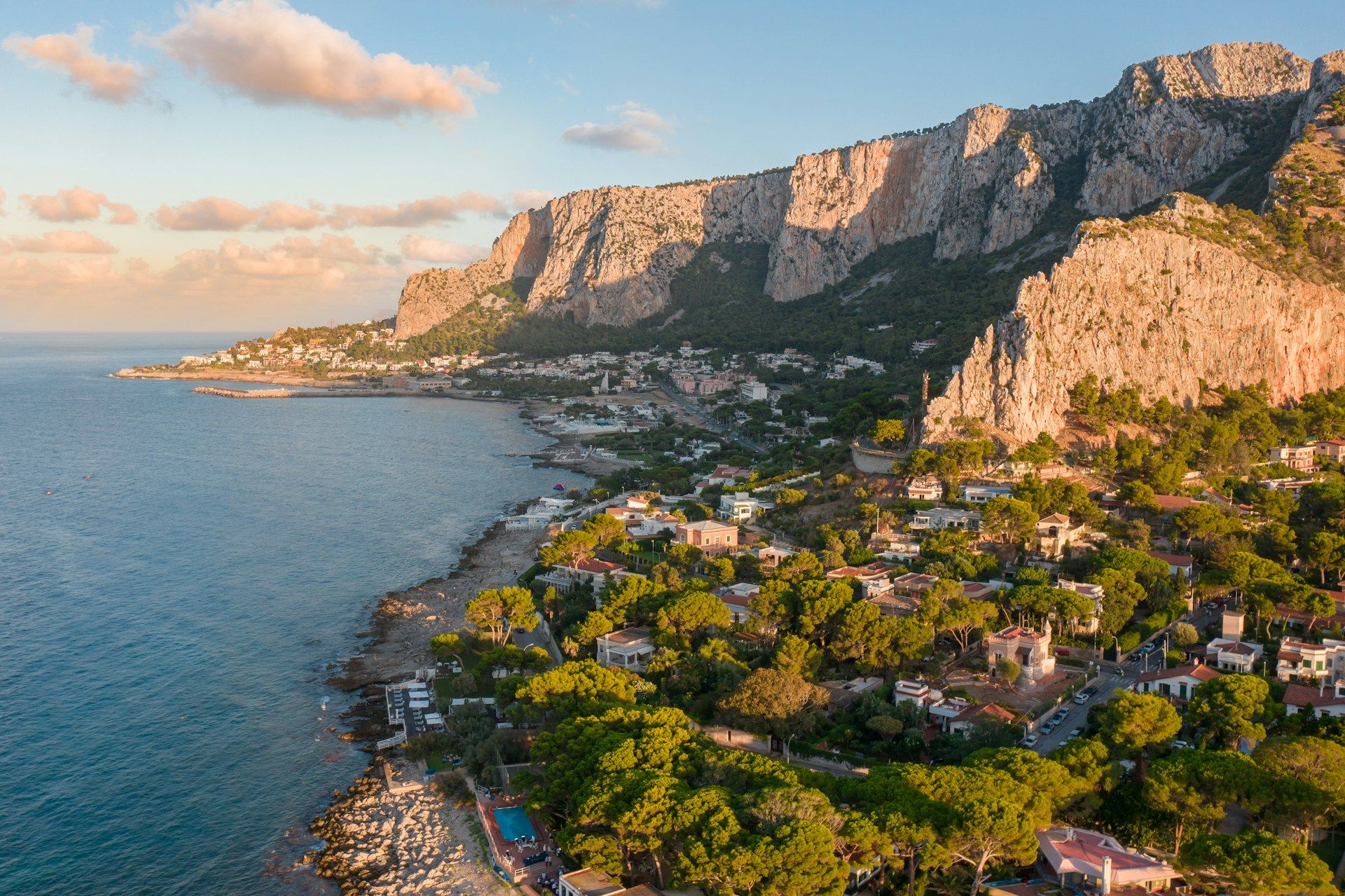
Southern Italy and Sicily for warmer days
If your main priority is warmth, head south. Naples, Puglia, and Sicily usually stay milder than the north and center, especially in October. It is one of the best ways to stretch the outdoor season without dealing with midsummer crowds.
Sicily stands out for its mix of archaeology, baroque towns, coastlines, and food. Cities and towns such as Syracuse, Ortigia, Modica, and Agrigento are particularly enjoyable with softer light and more manageable temperatures. Early October may still allow beach time in some areas; by November, the island is better for cultural touring and slower travel.
Where to go based on your travel style
Choosing the right destination in autumn depends on what matters most to you. Some regions are better for iconic sightseeing, others for food, hiking, or warmer weather. Matching your route to the season makes the trip far smoother and more rewarding.
| Travel style | Best destinations | Best month |
|---|---|---|
| Classic first trip | Rome, Florence, Venice | October |
| Food and wine | Bologna, Parma, Tuscany, Piedmont | October-November |
| Warmer weather | Naples, Puglia, Sicily | October |
| Nature and hiking | Tuscany, Umbria, Dolomites, Cinque Terre | October |
| Budget-friendly city break | Rome, Bologna, Naples | November |
Practical tips for an autumn trip to Italy
October and November are easy months to travel in Italy if you plan around weather shifts and seasonal service changes. Booking key museums and popular stays in advance is still wise, especially in larger cities and well-known regions.
- Book major attractions ahead, especially in Rome, Florence, and Venice.
- Use trains for city-to-city travel; they are efficient and comfortable on the main routes.
- Check seasonal closures in coastal areas and islands, particularly later in October and November.
- Pack adaptable clothing for warm afternoons and cool evenings.
- Leave room for food festivals and local events, which are a highlight of the season.
As for budget, a trip can vary enormously depending on style, duration, and destinations. For many travelers, $10,000 is more than enough for a comfortable Italy trip, and in autumn it can go even further thanks to lower accommodation rates outside peak periods.
The WeRoad tip
Pair food cities with slower landscapes for the best autumn rhythm
One of the nicest ways to experience Italy in autumn is to avoid rushing between too many big-name stops and instead build a trip around a couple of contrasting moods. Forx example, start in Bologna, where you can wander through the Quadrilatero, a tight web of historic lanes packed with delis, market stalls, and old-school food shops that basically dare you to skip lunch. Then head to Parma for a tasting of Prosciutto di Parma or Parmigiano Reggiano straight from the source, when seasonal flavors feel even more rewarding.
After that, shift gears in Veneto with an e-bike ride through Valdobbiadene’s Prosecco vineyards. In fall, the hills are gorgeous, the air is crisp, and winery stops let you see both the harvest atmosphere and the production process without the summer rush. It is a route that blends easy activity, regional food, and landscape in a very natural way – less checklist, more “why don’t we always travel like this?” energy.
A smart season to see a different side of Italy
October and November offer a version of Italy in the fall that feels more relaxed, more seasonal, and often more authentic than summer. You get culture without the furnace-level heat, landscapes with character, and food that somehow becomes even more convincing once temperatures drop.
Whether you choose Rome, Tuscany, Bologna, Veneto, or Sicily, autumn rewards slower travel and a flexible mindset. And if you want to experience the country with the right balance of adventure, local vibes, and zero planning headaches, it is worth checking out WeRoad group trips in Italy.
FAQ
- Is October a good time to visit Italy?
-
Yes, October is one of the best months to visit Italy. The weather is usually mild, the summer crowds begin to thin, and many regions are in harvest season, which makes it especially good for food, wine, and countryside trips.
- Is fall a good season for traveling around Italy?
-
Yes, fall is a very good season for Italy, particularly from early October to mid-November. It offers a strong balance of comfortable temperatures, cultural events, seasonal cuisine, and better value than peak summer in many destinations.
- How warm is Italy in the fall?
-
It depends on the region. Northern Italy is cooler, often between 5°C and 18°C in October and November, while central Italy stays mild. Southern Italy and Sicily are warmer, with October temperatures often reaching 20°C to 25°C.
- Is November too rainy for Italy?
-
Not necessarily, but November is usually one of the wetter months. It can still be a great time for city breaks, museums, food trips, and budget-conscious travel, especially if you pack properly and keep your itinerary flexible.
- Is $10,000 enough for a trip to Italy?
-
For most travelers, yes. A budget of $10,000 is enough for a comfortable trip and can cover flights, accommodation, transport, food, and activities, especially in autumn when prices are often lower than in high season.