In a nutshell
- Autumn is one of the best seasons to visit Morocco because it combines milder temperatures, fewer extremes than summer and the flexibility to explore cities, mountains, coast and desert within the same trip.
- October is usually the most balanced month, while September can still be warm inland and November is cooler and quieter, making each month suitable for different travel styles and priorities.
- Top places for an autumn itinerary include Marrakech, Fes, Chefchaouen, the Atlas Mountains, Ait Ben Haddou, Todra Gorge, Dades Valley, Merzouga and Essaouira, offering a strong mix of culture, landscapes and road-trip scenery.
- Packing layers is essential because daytime weather may be warm, but evenings in the mountains, desert and northern cities can feel distinctly cooler, especially later in the season.
- A 7-day route works best when it mixes one major city with a desert circuit and one cultural stop, rather than trying to cover the whole country too quickly and spending the holiday mostly in transit.
Autumn is one of the most balanced times to explore Morocco. The intense summer heat eases, the light turns warmer, and cities, mountains and desert routes become far more enjoyable for sightseeing. From September to November, the country offers a mix of comfortable temperatures, cultural energy and landscapes that look particularly photogenic.
It is also the season when you can move between very different settings without feeling personally attacked by the weather. One day you are weaving through a medina, the next you are heading toward the Atlas Mountains or the edge of the Sahara, still functioning like a normal human being. A rare travel luxury.
Why autumn is a great time to visit Morocco
Autumn brings milder temperatures across most of the country, making it easier to enjoy city walks, scenic drives, hikes and desert excursions. It is especially appealing for travelers who want variety: imperial cities, mountain villages, Atlantic coast and dunes can all fit into the same itinerary with fewer weather extremes.
After summer, inland destinations such as Marrakech and Fes become much more manageable, particularly in October and November. September can still feel hot in the south and in the cities, but it is usually more tolerable than July or August. Crowds are often lighter than peak summer, and the atmosphere is lively without feeling chaotic every second of the day.
- September: warmer, better for coast-desert combinations if you do not mind some heat
- October: often the sweet spot for weather, road trips and desert nights
- November: cooler, quieter and excellent for culture-focused itineraries
Weather in Morocco during autumn
Weather conditions vary by region, but autumn is generally mild to warm during the day and cooler in the evening. Coastal areas stay breezy, the mountains cool down faster after sunset, and the desert can shift from sunny afternoons to chilly nights, so layered clothing is essential.
The big plot twist of Moroccan weather is that one country can feel like three different seasons in the same week. That is part of the charm, and part of the reason your suitcase should contain both sunglasses and a light jacket instead of committing to just one emotional direction.
| Region | September | October | November | What to expect |
|---|---|---|---|---|
| Marrakech | Hot, around 30-34°C | Warm, around 26-29°C | Mild, around 21-25°C | Best for sightseeing from October onward |
| Fes | Warm, around 27-31°C | Pleasant, around 22-27°C | Cooler, around 17-21°C | Great for medina visits and cultural stops |
| Merzouga / Sahara edge | Very warm days | Warm days, cool nights | Mild days, cold nights | Ideal for desert camps in October and November |
| Essaouira | Sunny, breezy | Mild, breezy | Cooler, fresh | Excellent for a coastal break, less for swimming |
| Atlas Mountains | Pleasant days | Great hiking weather | Cool, especially at night | Bring layers and proper shoes |
Best places to see in autumn
Autumn works particularly well for a classic north-to-south route, because the season suits both urban exploration and road travel. Cities are more comfortable, the light is softer for photography, and natural areas such as gorges, valleys and desert landscapes are easier to enjoy on foot.
Marrakech
Marrakech is much more pleasant once summer starts to fade. In autumn, you can actually enjoy the medina, its palaces and gardens without melting by mid-morning. October and November are especially good for wandering through souks, visiting Bahia Palace and ending the day around Jemaa el-Fnaa.
At dusk, the city puts on its daily show: smoke rising from food stalls, street performers warming up, scooters performing interpretive chaos. It is loud, theatrical and slightly overwhelming in the best possible way. In short, Marrakech is doing what Marrakech does best.
Fes and Chefchaouen
Fes is ideal in the cooler months because its historic center rewards slow exploration. You can spend hours in the medina, artisan quarters and old religious schools without the fatigue that stronger heat often brings. If you continue north, Chefchaouen is calm, scenic and especially charming in autumn light.
Fes feels dense, layered and fascinating, like a city that expects you to pay attention. Chefchaouen, meanwhile, is the soft-spoken photogenic cousin who somehow looks good in every alley. Together they create a strong contrast between intensity and calm.
Atlas Mountains, Ait Ben Haddou and the gorges
The route across the Atlas Mountains is one of the best autumn experiences in Morocco. Cooler air, clearer skies and golden tones make the drive especially rewarding. Along the way, Ait Ben Haddou, Todra Gorge and the Dades Valley fit perfectly into a road-trip itinerary.
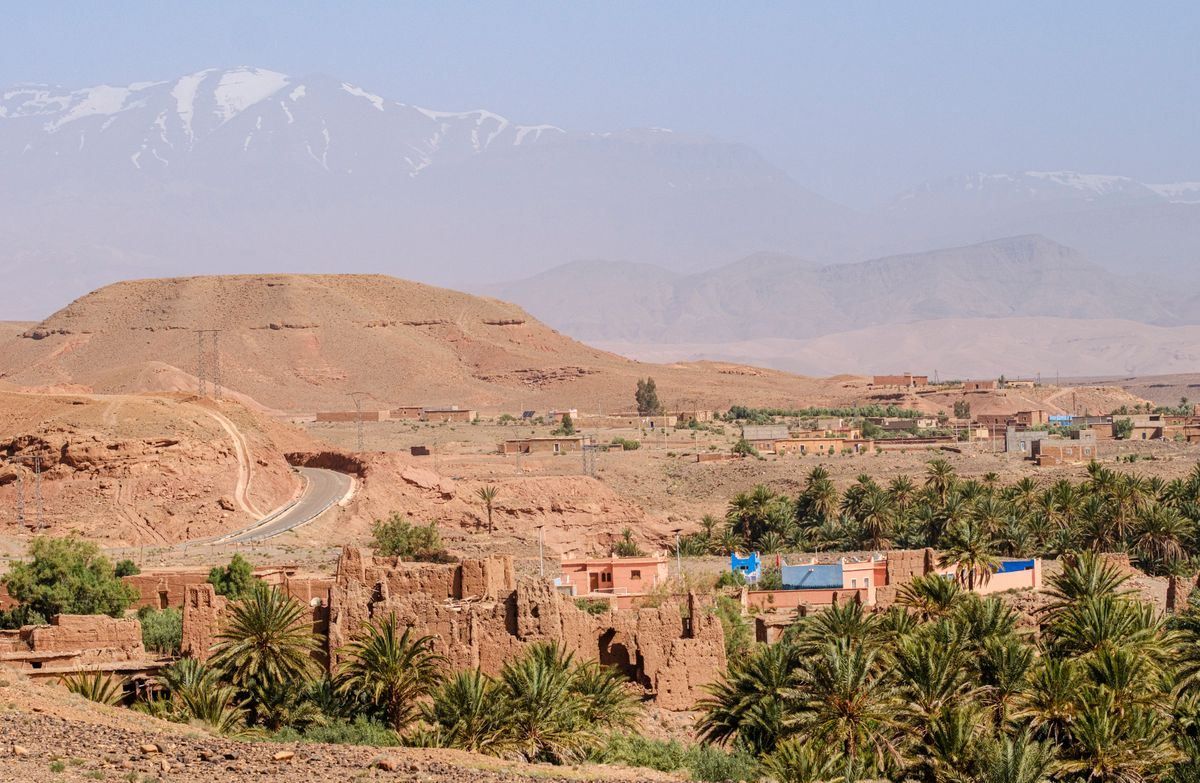
This is the stretch where Morocco starts showing off a little. Kasbahs, red rock canyons, winding roads and palm-filled valleys appear one after another as if the country hired an overly enthusiastic location scout. Happily, it did not hold back.
The Sahara Desert
The desert becomes far more accessible in autumn, especially from October onward. Daytime temperatures are usually comfortable enough for excursions, while evenings in camp can be cool or cold. A night near Erg Chebbi is one of the most memorable experiences of the season.
Sunset in the dunes has a suspiciously cinematic quality, as if someone adjusted the color grading just for your arrival. Then night falls, the air sharpens, and suddenly that extra layer you nearly left at home becomes your greatest achievement.
Essaouira and the Atlantic coast
Essaouira is a smart addition if you want to balance busy inland cities with a slower coastal stop. Autumn weather is fresh rather than beach-hot, but ideal for walking the ramparts, browsing workshops and enjoying seafood with a view of the Atlantic.
It is the kind of town that encourages you to slow down without making a big speech about it. White walls, sea breeze, fishing boats, cats who clearly own the place: Essaouira knows exactly what it is doing.
What to pack for an autumn trip
Packing for this season means preparing for warm days, cooler evenings and regional variation. Lightweight clothing works well during the day, but you should always add layers for mountain areas, desert overnights and late evenings in northern cities.
- Light layers for daytime city visits
- A sweater or light jacket for evenings
- Comfortable walking shoes for medinas and uneven streets
- Closed shoes for mountain stops and desert terrain
- Sunscreen, sunglasses and a hat
- A scarf, useful for both sun and wind
- A warmer layer for desert nights in late autumn
Sample 7-day itinerary for Morocco in the fall
A one-week route works best when it focuses on a few contrasting areas rather than trying to cover the entire country. The most rewarding plan combines a major city, a mountain-desert circuit and time in one or two heritage destinations, allowing for a varied but realistic pace.
- Day 1: Arrive in Marrakech
Explore the medina, visit a palace or garden, and spend the evening around Jemaa el-Fnaa. - Day 2: Marrakech to Ait Ben Haddou and Ouarzazate
Cross the High Atlas via Tizi n’Tichka and stop at Ait Ben Haddou. - Day 3: Ouarzazate to Todra Gorge and Dades Valley
Drive through dramatic landscapes, palm groves and canyon scenery. - Day 4: Dades Valley to Merzouga
Reach the desert, enjoy a sunset excursion and overnight in a camp near Erg Chebbi. - Day 5: Merzouga to Fes
A long transfer day, but rich in changing scenery from desert edge to cedar forests. - Day 6: Discover Fes
Visit the medina, artisan quarters and key historic landmarks. - Day 7: Departure or extension to Chefchaouen
If you have more time, add one or two nights in Chefchaouen.
Is autumn better than summer or winter?
For most travelers, autumn offers the best balance between climate, flexibility and variety. Summer can be very hot inland, especially in Marrakech and on desert routes, while winter is excellent for some areas but brings colder nights and more weather variability in the mountains.
That does not mean autumn is magically perfect every single day, of course. September can still run hot, November nights can surprise you, and coastal skies may turn moody now and then. Still, if Morocco had a “most likely to please everyone” seasonbook award, autumn would probably win.
The WeRoad tip
Build your autumn route around contrasts, not just landmarks
The smartest way to enjoy Morocco in the cooler season is to let the journey shift gradually from city energy to wide-open landscapes. Start with Marrakech at dusk, when Jemaa el-Fnaa comes alive and the souks are finally breathable again. Then move toward the south: the mud-brick lanes of Ait Ben Haddou glow beautifully in soft autumn light, and a walk through Todra Gorge feels far more rewarding when the air is crisp rather than blazing.
From there, keep the rhythm going with a sunset camel ride across Erg Chebbi and a night in a desert camp, where the silence is so dramatic it deserves its own soundtrack. If you have extra time, balance all that red rock and sand with two very different northern moods: the artisanal intensity of Fes, especially from the terraces above the Chouara tannery, and the calm blue alleys of Chefchaouen, which feel even gentler in autumn. It is this mix of bustle, canyons, dunes and quiet corners that makes the season feel so complete, and honestly, a little smugly perfect.
Final notes before you book
From cultural cities to desert camps and Atlantic towns, autumn is one of the strongest seasons for seeing Morocco at its most comfortable and diverse. October is often the standout month, but September and November can also work beautifully depending on your route and pace.
If you want to experience all this without juggling maps, transfers and timetable acrobatics, take a look at the WeRoad group trips to Morocco and find the itinerary that matches your travel style.
FAQ
- Is October a good time to visit Morocco?
-
Yes, October is often considered one of the best months to visit. Temperatures are usually comfortable in cities such as Marrakech and Fes, desert conditions are better for overnight camps, and road trips through the Atlas region are especially enjoyable.
- When should you avoid Marrakech?
-
If you struggle with strong heat, the least comfortable period is usually July and August, when daytime temperatures can become intense. Early September may also still feel hot. For easier sightseeing, autumn from October onward is generally a better choice.
- Is Morocco too hot in September?
-
Not necessarily, but it depends on the region. Coastal areas are usually pleasant, while inland cities and desert zones can still be quite warm. If you travel in September, it helps to plan outdoor activities in the morning and late afternoon.
- Is Morocco too cold in November?
-
No, November is usually not too cold for travel. Days are often mild in cities and many regions remain excellent for sightseeing. However, evenings can be cool, and desert or mountain areas may feel cold at night, so warm layers are important.
- How many days do you need for Morocco in autumn?
-
Seven to ten days is a solid range for a first trip. One week allows for a classic city-and-desert route, while ten days gives you more room to include places such as Chefchaouen or Essaouira without rushing.