In a nutshell
- The best-known list of seven natural wonders includes the Aurora Borealis, Grand Canyon, Great Barrier Reef, Harbor of Rio de Janeiro, Mount Everest, Parícutin, and Victoria Falls, each representing a different type of landscape or natural phenomenon.
- These iconic places stand out for rarity, scale, and environmental significance, from the geological depth of the Grand Canyon to the marine biodiversity of the Great Barrier Reef and the atmospheric spectacle of the northern lights.
- Seasonality matters a lot: dark winter skies are crucial for the Aurora Borealis, spring and autumn suit the Grand Canyon and Everest trekking, while water levels dramatically change the experience at Victoria Falls.
- Some famous sites are often confused with the classic seven, especially Niagara Falls, which is not generally part of the original shortlist but remains one of the most celebrated natural landmarks in the world.
- The right first wonder depends on your travel style: choose easier-access destinations like Rio or the Grand Canyon for a simpler trip, or opt for Everest, Parícutin, and Victoria Falls if you want a more adventurous journey.
Some places don’t just look beautiful in photos: they completely reset your sense of scale. Standing in front of a canyon, reef, waterfall, or mountain that seems almost unreal can make everyday worries feel very, very small. And honestly, that’s part of the magic.
Across the planet, a handful of landscapes have become icons of the natural world thanks to their size, rarity, and sheer wow factor. Some are geological giants, others are fleeting phenomena, but all of them remind us that nature did not come here to be subtle.
Among the most famous lists, the Seven Natural Wonders often cited today include the Aurora Borealis, Grand Canyon, Great Barrier Reef, Harbor of Rio de Janeiro, Mount Everest, Parícutin, and Victoria Falls. If you’re building a serious travel bucket list, these are the kind of places that deserve a starring role.
What makes a place a natural wonder
A natural wonder is generally recognized for its exceptional beauty, geological significance, or rare environmental character. These sites stand out because they offer something difficult to replicate anywhere else on Earth, whether that is a dramatic landform, an extraordinary ecosystem, or a spectacle created by climate and light.
That means a natural wonder doesn’t have to be the biggest thing on the map, but it does need to leave you blinking at the horizon like your brain needs a software update. It’s the sort of place where your camera roll explodes, yet none of the pictures quite capture the “I swear it was even more absurd in real life” feeling.
The seven great wonders of nature to add to your list
The best-known list of seven wonders in nature includes destinations spread across several continents and very different environments. Together, they represent mountains, waterfalls, reefs, volcanoes, canyons, a bay, and a celestial phenomenon, giving travelers a broad look at the planet’s wildest masterpieces.
| Wonder | Location | Type | Best for |
|---|---|---|---|
| Aurora Borealis | Arctic regions | Sky phenomenon | Winter trips, photography |
| Grand Canyon | Arizona, USA | Canyon | Hiking, scenic viewpoints |
| Great Barrier Reef | Queensland, Australia | Coral reef | Diving, snorkeling |
| Harbor of Rio de Janeiro | Brazil | Bay and mountain landscape | City-nature views |
| Mount Everest | Nepal/Tibet | Mountain | Trekking, high-altitude scenery |
| Parícutin | Michoacán, Mexico | Volcano | Geology, hiking |
| Victoria Falls | Zambia/Zimbabwe | Waterfall | Adventure, panoramic views |
Aurora Borealis
The Aurora Borealis is one of the few wonders on this list that refuses to sit still. It appears when charged solar particles interact with Earth’s atmosphere, creating waves of green, purple, and red light that move across dark polar skies.
You don’t exactly “visit” the northern lights the way you visit a monument. You chase them, politely bribe the weather gods, and wear enough layers to resemble a walking duvet. But when they finally appear, all the waiting becomes irrelevant. Top viewing areas include Northern Norway, Iceland, Finnish Lapland, and parts of Alaska.
Grand Canyon
The Grand Canyon is one of the world’s most striking geological landscapes. Carved by the Colorado River over millions of years, it stretches for hundreds of kilometers and reveals layered rock formations that tell an ancient story of Earth’s history.
It’s vast, dramatic, and slightly rude in how easily it makes every other viewpoint look average. Sunrise and sunset transform the canyon walls from red to gold to deep purple, and whether you explore the South Rim, hike below the rim, or simply stand there speechless, the scale is unforgettable.
Great Barrier Reef
The Great Barrier Reef is the largest coral reef system on the planet and one of the most important marine ecosystems anywhere. It supports an extraordinary range of life, from corals and turtles to reef sharks and tropical fish.
This is the kind of place that makes even non-divers consider suddenly becoming the sort of person who says things like “buoyancy control.” Snorkeling trips from Cairns, Port Douglas, or the Whitsundays reveal a vivid underwater world, though responsible tourism matters here more than ever because the reef is under pressure from climate change.
Harbor of Rio de Janeiro
The Harbor of Rio de Janeiro, also known as Guanabara Bay, combines dramatic natural features with one of the world’s most recognizable urban settings. Granite peaks, forested slopes, and ocean views create a landscape that feels cinematic even before you spot the city skyline.
Rio really said, “Why choose between beaches, mountains, and iconic views when you can have all three?” The entrance to the bay, framed by Sugarloaf Mountain, is especially famous. Seen from above, the blend of sea, rock, and city feels almost suspiciously photogenic.
Mount Everest
Mount Everest is the highest mountain above sea level and a defining symbol of extreme landscapes. Located in the Himalayas, it attracts climbers, trekkers, and travelers drawn by the scale and spiritual weight of the surrounding region.
To be clear, appreciating Everest does not require summiting it like a high-altitude superhero. Many travelers experience its grandeur through the Everest Base Camp trek, scenic flights, or viewpoints in Nepal. The mountain’s local names, Sagarmatha and Chomolungma, also reflect its cultural significance beyond adventure tourism.
Parícutin
Parícutin is a rare example of a volcano whose birth was witnessed by people in modern times. It emerged suddenly from a cornfield in Mexico in 1943 and grew rapidly into a cinder cone, transforming the surrounding landscape with lava and ash.
Yes, a volcano casually popping out of a field sounds like the opening scene of an apocalypse film. In reality, it became one of the most fascinating geological events ever documented. Today, travelers can hike through lava fields and see the haunting remains of a church tower rising from hardened rock.
Victoria Falls
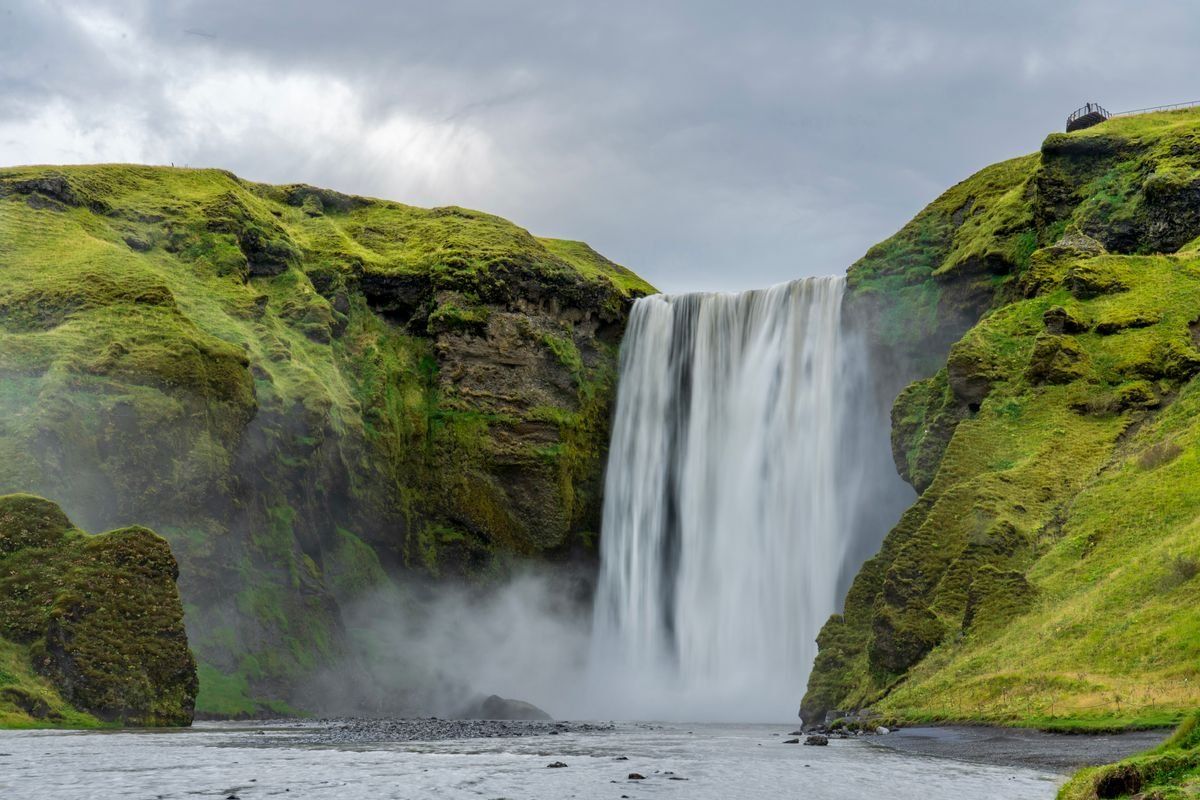
Victoria Falls is one of the largest and most powerful waterfalls on Earth. Located on the Zambezi River between Zambia and Zimbabwe, it is famous for its immense curtain of water and the mist that can be seen from far away.
Locally known as Mosi-oa-Tunya, or “The Smoke That Thunders,” it absolutely lives up to the name. Prepare to get wet, probably very wet, depending on the season. The falls are spectacular from both sides of the border, with changing water levels affecting visibility and drama throughout the year.
When to see these world-famous natural sites
Timing can strongly affect your experience of major natural landmarks. Weather, visibility, seasonal water flow, wildlife activity, and crowd levels all shape how each destination feels, so planning around the right months is often just as important as choosing the place itself.
- Aurora Borealis: September to March for long, dark nights.
- Grand Canyon: Spring and fall for milder temperatures.
- Great Barrier Reef: June to October for clearer conditions.
- Rio de Janeiro harbor: May to October for pleasant weather and views.
- Mount Everest region: March to May and September to November for trekking.
- Parícutin: November to April for drier hiking conditions.
- Victoria Falls: February to May for peak water flow, or later for clearer views into the gorge.
Other spectacular places often called natural wonders
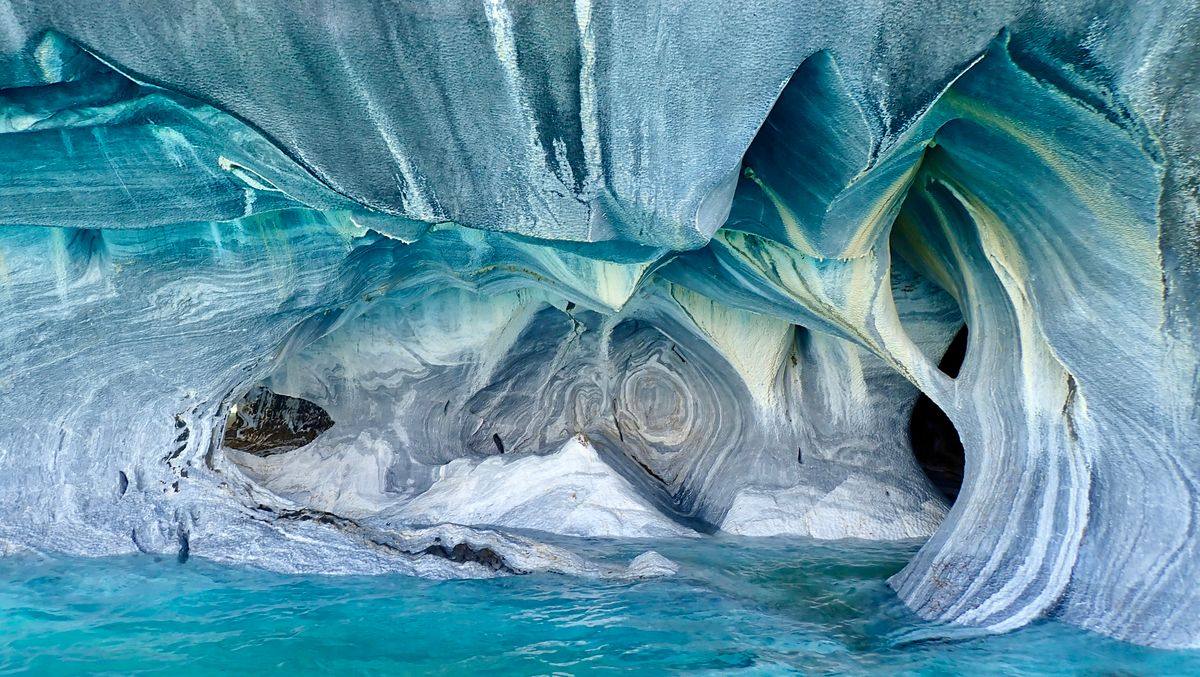
Beyond the classic list of seven, many destinations are frequently described as wonders because of their unusual beauty or global fame. These places may not appear on the original list, but they regularly come up in travel conversations and expanded rankings.
That’s where things get deliciously chaotic. Depending on who you ask, the list grows fast and suddenly includes everything from desert circles visible from space to glowing caves and cliffs shaped like dragon backs. A few frequently mentioned examples are:
- Niagara Falls in the USA and Canada
- Ha Long Bay in Vietnam
- Uluru in Australia
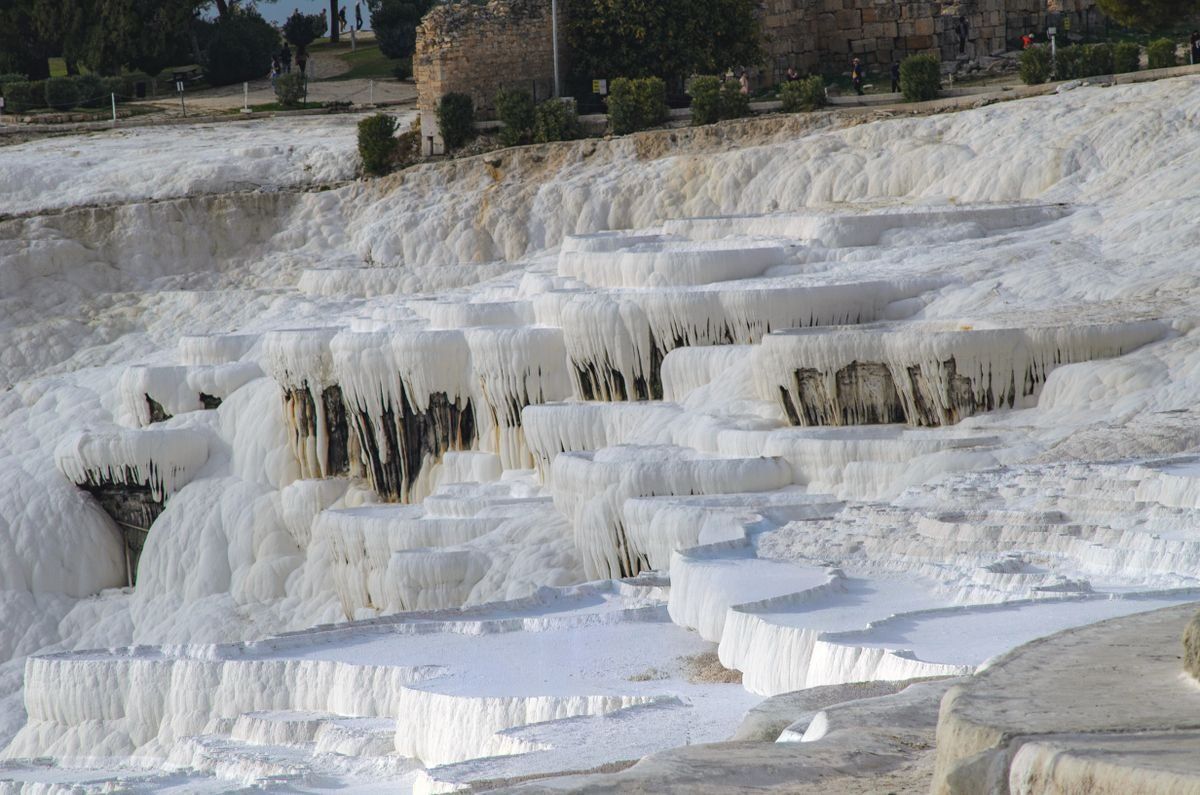
- Pamukkale in Turkey
- Milford Sound in New Zealand
- Lake Baikal in Russia
Niagara Falls, in particular, is often asked about. While it is not usually included in the classic CNN list of seven, it remains one of the world’s most famous waterfalls and is absolutely worthy of the hype. Basically: not on that official shortlist, still a superstar.
How to choose which natural wonder to visit first
The best first choice depends on your travel style, budget, and interests. Some natural icons are easier to access with short flights and day tours, while others require more planning, longer treks, or specific seasons to experience at their best.
- For easy access: choose the Grand Canyon or Rio de Janeiro.
- For adventure: go for Victoria Falls, Parícutin, or the Everest region.
- For wildlife and marine life: prioritize the Great Barrier Reef.
- For a once-in-a-lifetime phenomenon: chase the Aurora Borealis.
Whichever one comes first, the real trick is giving yourself enough time to experience the place rather than just ticking a box. These are not “arrive, snap, leave” destinations. They deserve a bit of awe, a little patience, and maybe one long dramatic stare into the distance.
Turn your bucket list into a real trip
The world’s most extraordinary landscapes are worth seeing not only for their beauty, but for how they make you feel in the moment. They offer perspective, adventure, and stories that stick long after the flight home.
If one of these legendary places is calling your name louder than your work inbox, it might be time to answer. Explore WeRoad group trips and find the right adventure to experience some of the planet’s greatest natural marvels with people who are just as ready to say “wow” out loud.
FAQ
- What are the official 7 natural wonders of the world?
-
One widely recognized list includes the Aurora Borealis, Grand Canyon, Great Barrier Reef, Harbor of Rio de Janeiro, Mount Everest, Parícutin, and Victoria Falls.
- Is there a UNESCO list of the seven natural wonders?
-
No. UNESCO does not maintain an official ranking of seven natural wonders. It designates World Heritage Sites, which may include many natural places, but that is a different system.
- Is Niagara Falls one of the seven natural wonders?
-
Not in the classic list most often associated with the seven great wonders of nature. However, Niagara Falls is still one of the most famous and visited natural attractions in the world.
- What is considered the 8th natural wonder of the world?
-
There is no single official “eighth” wonder. The phrase is usually used informally for places people find exceptionally impressive, and the answer varies depending on region, culture, or personal opinion.
- Which natural wonder is easiest to visit for first-time travelers?
-
The Grand Canyon and the Harbor of Rio de Janeiro are often among the easiest to include in a trip thanks to strong tourism infrastructure and relatively straightforward access.