In a nutshell
- Beijing’s must-see attractions include the Great Wall, Forbidden City, Temple of Heaven, and Summer Palace, which together offer the clearest introduction to the city’s imperial history, architecture, and scale.
- Parks add essential balance to a Beijing itinerary: Beihai Park is ideal for a slower visit, especially with a paddleboat ride past the White Pagoda and the Nine Dragons Screen, while Jingshan Park delivers one of the best panoramic views in the city.
- The hutongs reveal old Beijing through narrow alleys, courtyard homes, local eateries, and a more intimate urban atmosphere; areas like Nanluoguxiang are lively entry points, but quieter side streets often provide the most authentic experience.
- Cultural variety matters: the Lama Temple offers a strong spiritual and architectural contrast to imperial sites, while the 798 Art District and evening acrobatic or kung fu shows showcase Beijing’s modern creative and performance culture.
- Three days in Beijing are well spent if you prioritize one main zone per day, use the metro, and mix major landmarks with more relaxed moments; a budget of $1000 for a week in China can be enough for many travelers when combining mid-range choices and public transport.
Beijing is one of those cities that doesn’t exactly do “subtle.” It arrives with imperial palaces, massive avenues, hidden alleyways, lakeside parks, and enough history to make your high school textbook look underdressed. If you’re planning a trip and searching for the best things to do in Beijing, the good news is that the city rewards both first-timers and curious wanderers.
You can spend the morning walking through the legacy of emperors, the afternoon gliding across a peaceful lake, and the evening eating crispy Peking duck in a hutong courtyard. Beijing is big, bold, and occasionally gloriously chaotic, but that’s part of the charm. Think of it as a city that always has one more surprise tucked behind a red gate.
Top attractions that define Beijing
Beijing’s essential sights combine imperial history, monumental architecture, and cultural landmarks. If you want a first itinerary that feels complete, start with the major attractions: the Great Wall, the Forbidden City, the Temple of Heaven, and the Summer Palace. These places explain why Beijing leaves such a strong impression.
The Great Wall of China
The Great Wall is the one experience that deserves top billing. It is the most iconic day trip from Beijing, and visiting at least one section is a must for nearly every traveler. Choose your section based on your energy level, time, and tolerance for crowds.
For many visitors, Mutianyu is the sweet spot: scenic, well restored, and generally less chaotic than Badaling. If you prefer a more dramatic, rugged atmosphere, sections like Jinshanling offer a wilder feel and spectacular views. Whichever stretch you choose, wear proper shoes and bring water. The Wall has many talents, and being flat is not one of them.
The Forbidden City and Tiananmen area
The Forbidden City is Beijing’s imperial heart. It offers a powerful introduction to China’s dynastic past through grand courtyards, ceremonial halls, and vast palace grounds. Visiting it alongside the Tiananmen area helps you understand both imperial and modern Chinese history in one part of the city.
Inside the Forbidden City, scale is everything. Gates lead to courtyards, courtyards lead to halls, and before long you’re wondering whether emperors ever got their daily step count accidentally. Arrive early if possible and book ahead, because this is one of the most visited attractions in China. For one of the best panoramic views, head afterward to Jingshan Park, where the hilltop viewpoint looks directly over the palace rooftops.
Temple of Heaven
The Temple of Heaven is one of Beijing’s most elegant historic sites. It stands out for its symbolic architecture and its peaceful park setting. It is not only about monuments, but also about everyday local life unfolding around them.
The famous Hall of Prayer for Good Harvests is the visual star, but don’t rush past the surrounding grounds. In the park, you may see locals dancing, singing, stretching, or practicing tai chi with the confidence of people who absolutely do not care that you’re watching. Honestly, goals.
Summer Palace
The Summer Palace is the city’s most scenic imperial retreat. It combines lakeside views, pavilions, decorated corridors, and a calmer pace than central Beijing. It works especially well if you want a half-day visit that feels both cultural and relaxing.
Centered around Kunming Lake and Longevity Hill, the Summer Palace is ideal when you want beauty without sensory overload. Walk the Long Corridor, admire the lakeside architecture, and leave time to simply sit by the water. If your itinerary has been all monuments and no breathing room, this is where you exhale.
Parks, lakes, and quieter moments
Beijing also shines in its parks. These green spaces offer balance after the city’s busiest landmarks and reveal a softer side of the capital. If you want more than a checklist of monuments, add at least one park-focused experience to your trip.
Beihai Park
Beihai Park is one of the best places to slow down in central Beijing. It blends historic monuments, shaded paths, and lake views into one easy, rewarding visit. It is especially good for travelers who want culture without the intensity of major palace crowds.
One of the loveliest experiences here is a paddleboat ride on the lake in Beihai Park. Drifting across the water past the White Pagoda and the Nine Dragons Screen gives you a completely different perspective on the park. It’s peaceful, photogenic, and just the right amount of wholesome. A very strong “main character on holiday” moment.
Jingshan Park
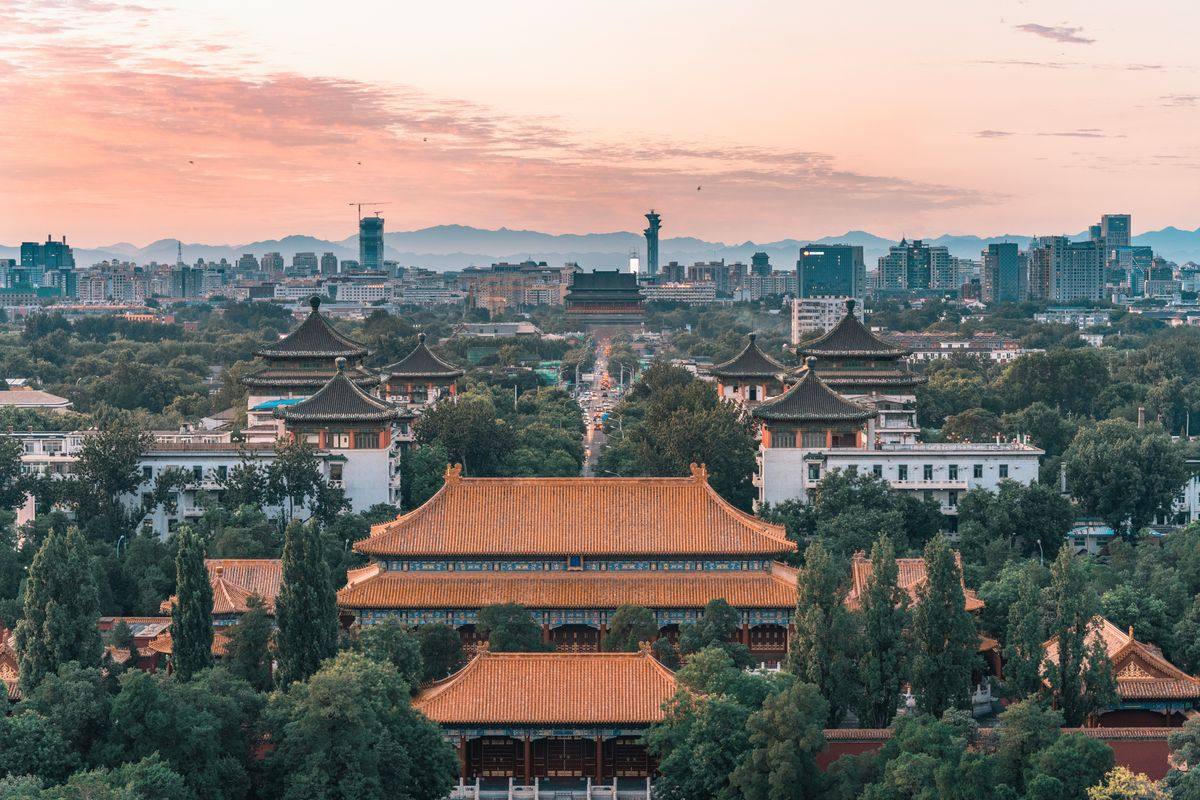
Jingshan Park is the best viewpoint in central Beijing. It is a compact stop, but the elevated perspective over the Forbidden City makes it one of the smartest additions to a sightseeing day. Visit near sunset for softer light and a calmer atmosphere.
The climb is short, the payoff is excellent, and the view helps put the city’s scale into context. If you only have a few days in Beijing, this park is one of the easiest ways to add a memorable visual highlight without consuming half your schedule.
Experience old Beijing in the hutongs
The hutongs are essential for understanding Beijing beyond its headline monuments. These narrow lanes and courtyard neighborhoods reveal older rhythms of city life, with small eateries, local shops, and a more intimate atmosphere than the capital’s grand avenues.
Areas like Nanluoguxiang are lively and easy to explore, though often busy. For a more authentic feel, wander a little beyond the main pedestrian strips. You’ll find quieter alleys, neighborhood life, and corners where Beijing feels less staged and more real. This is also a great area for cafés, bars, and casual meals.
- Best for: walking, street photography, snack stops
- What to look for: courtyard homes, side alleys, local shops
- When to go: late afternoon into early evening
The hutongs are where Beijing loosens its collar a little. One minute you’re admiring traditional architecture, the next you’re buying sesame snacks you didn’t plan for and absolutely do not regret.
Temples, art, and cultural stops worth your time
Beyond the biggest landmarks, Beijing offers strong cultural stops that help round out a trip. If you want variety, combine one historic temple with one modern creative district or evening performance for a broader picture of the city.
Lama Temple
The Lama Temple is one of Beijing’s most important religious sites. It offers a different atmosphere from imperial attractions, with active worship, incense, and richly decorated halls. It is a meaningful stop for travelers interested in spirituality and architecture.
Yonghe Lama Temple feels layered and alive. Its Tibetan Buddhist identity, ornate buildings, and giant Buddha statue make it one of the city’s most memorable temples. Be respectful, move calmly, and take in the atmosphere rather than treating it like a quick photo stop.
798 Art District
The 798 Art District shows a more contemporary side of Beijing. It is the right choice if you need a break from dynastic history and want galleries, industrial architecture, and creative energy. This area works well for a relaxed afternoon.
Set in a former factory complex, 798 Art Zone mixes exhibitions, street art, design shops, and cafés. It can be edgy, playful, or wonderfully odd, depending on what’s on. Basically, if your brain starts craving “something modern, please,” this is your answer.
Acrobatic or kung fu shows
Evening performances are a strong addition to a Beijing itinerary. They offer a different type of cultural experience and are especially useful after days filled with walking. Acrobatic and kung fu shows are polished, entertaining, and widely accessible to international visitors.
If you want a night activity beyond dinner, a stage show is a smart pick. It’s also one of the easiest ways to enjoy local performance traditions without needing deep background knowledge first. Just sit down and prepare to be humbled by people who appear to have replaced their bones with springs.
What not to miss if you only have 3 days
Three days in Beijing are not too much. In fact, they are just enough to cover the highlights if you plan carefully. Focus on one major area per day and avoid cramming too many far-apart attractions into the same itinerary.
- Day 1: Forbidden City, Tiananmen area, Jingshan Park, hutongs in the evening
- Day 2: Great Wall day trip, relaxed dinner back in the city
- Day 3: Temple of Heaven, Beihai Park, Summer Palace or Lama Temple/798 Art District
This structure gives you the must-sees without turning your trip into a competitive speed-walking event. You’ll still be tired, of course, but in a dignified, well-traveled sort of way.
Quick comparison of Beijing’s top sights
Choosing between Beijing’s main attractions depends on your interests, energy, and time. This table helps compare the city’s top places quickly, especially if you need to prioritize.
| Attraction | Best for | Time needed | Main highlight |
|---|---|---|---|
| Great Wall | First-time visitors | Half to full day | Iconic views and history |
| Forbidden City | History lovers | 3-4 hours | Imperial architecture |
| Temple of Heaven | Culture and park atmosphere | 2-3 hours | Sacred design and local life |
| Summer Palace | Scenic walks | Half day | Lake, pavilions, gardens |
| Beihai Park | Relaxed sightseeing | 1-2 hours | Paddleboat ride and White Pagoda |
Budget and practical tips for visiting Beijing
Beijing can work for different budgets, but planning transport, tickets, and food in advance helps a lot. A moderate daily budget can cover major sights, metro rides, and good meals comfortably, while day trips and premium hotels increase overall costs.
If you’re wondering whether $1000 is enough for a week in China, the short answer is yes for many travelers, especially if Beijing is only part of the trip and you choose mid-range accommodation, public transport, and standard dining. In Beijing itself, the metro is efficient, affordable, and usually the easiest way to get around.
- Book major attractions in advance when possible
- Use the metro for speed and convenience
- Wear comfortable shoes every day
- Keep some flexibility for weather and crowds
- Leave room for meals, parks, and slower moments
And yes, while the must-see landmarks are unforgettable, don’t underestimate the simple pleasure of eating well after 20,000 steps. In Beijing, dinner is not just dinner. It is recovery, reward, and occasionally a deeply emotional duck-based event.
Plan your Beijing trip with the right mix of icons and local life
The best Beijing itinerary combines world-famous landmarks with slower neighborhood experiences. Seeing the Great Wall and the Forbidden City matters, but so does wandering a hutong, sitting in a park, and noticing the everyday life around you. That balance is what makes the city memorable.
If Beijing is calling, answer properly: with curiosity, good walking shoes, and enough appetite for one more dumpling than seems strictly necessary. And if you want to experience China in great company, discover the WeRoad group trips dedicated to Beijing and the destination beyond.
FAQ | All you need to know about Beijing
- What is a must do in Beijing?
-
Visiting the Great Wall of China is the top must-do experience from Beijing. In the city itself, the Forbidden City is the essential landmark for first-time visitors.
- What not to miss in Beijing?
-
Do not miss the Great Wall, Forbidden City, Temple of Heaven, and at least one park such as Beihai Park or Jingshan Park. Exploring a hutong is also highly recommended.
- Is 3 days in Beijing too much?
-
No, three days in Beijing are not too much. It is actually a very practical amount of time to cover the city’s main attractions and include one day trip to the Great Wall.
- Is $1000 enough for a week in China?
-
Yes, for many travelers $1000 can be enough for a week in China, especially if you choose mid-range hotels, use public transport, and keep dining and internal travel reasonably planned.
- When is the best time to visit Beijing?
-
The best times to visit Beijing are generally spring and autumn, when temperatures are more comfortable and sightseeing is easier than in peak summer heat or winter cold.