In a nutshell
- Hanoi combines history and daily life in a uniquely immersive way, with highlights including the Old Quarter, Hoan Kiem Lake, the Temple of Literature, Hoa Lo Prison, and the Ho Chi Minh Mausoleum complex.
- Three days is a solid amount of time to explore the city’s key landmarks, enjoy its food culture, and still leave room for slower experiences such as café stops, evening walks, and local neighborhoods.
- The best experiences are not limited to monuments: street food, egg coffee, Train Street, water puppet shows, and nightlife all help reveal Hanoi’s personality beyond its historical sites.
- Staying near Hoan Kiem Lake or the Old Quarter makes logistics easier, as many major attractions, restaurants, cafés, and evening activities are within walking distance or a short Grab ride away.
- Hanoi suits both budget and mid-range travel styles, thanks to affordable food, low-cost transport, and a wide range of accommodation, making it a practical stop within a longer Vietnam itinerary.
Hanoi is the kind of city that wakes you up fast. One minute you are admiring a quiet temple courtyard, the next you are negotiating a sea of scooters with the dignity of someone pretending not to panic. Vietnam’s capital is intense, historic, delicious, and surprisingly poetic once you settle into its rhythm.
The best way to experience the city is to mix famous landmarks with slow local moments: a lake stroll at dawn, a strong coffee in a tiny café, a plate of steaming pho, and a few hours spent wandering without a master plan. Below, you’ll find the places and experiences that are genuinely worth your time in Hanoi.
What makes Hanoi worth visiting
Hanoi stands out for its layered identity. It combines imperial history, French colonial architecture, Buddhist temples, lively markets, and one of the most exciting food scenes in Southeast Asia. It is also compact enough to explore over a few days, especially if you stay near the Old Quarter or Hoan Kiem Lake.
This is not a polished capital that hands you neat, postcard-perfect moments on a silver tray. Hanoi makes you work a little for the magic. But that is exactly the fun of it. It is chaotic in a very committed way, like the whole city woke up late and decided to sprint together.
Must-see places in Hanoi
The city’s essential sights cover history, religion, architecture, and everyday life. If you only have a short stay, focus on a few key landmarks and leave room to explore on foot. Hanoi is at its best when structured sightseeing meets spontaneous detours.
Old Quarter
The Old Quarter is Hanoi’s historic heart and one of its most atmospheric areas. It is known for narrow streets, shop houses, local businesses, food stalls, and nonstop movement. Walking here gives you the clearest sense of the city’s personality, both past and present.
Forget elegant strolling. In the Old Quarter, you drift, dodge, pause, snack, and occasionally wonder whether Google Maps has given up on you personally. That is normal. The reward is seeing daily life up close: metalworkers, tailors, fruit sellers, coffee shops, and street kitchens all packed into a few lively blocks.
Hoan Kiem Lake and Ngoc Son Temple
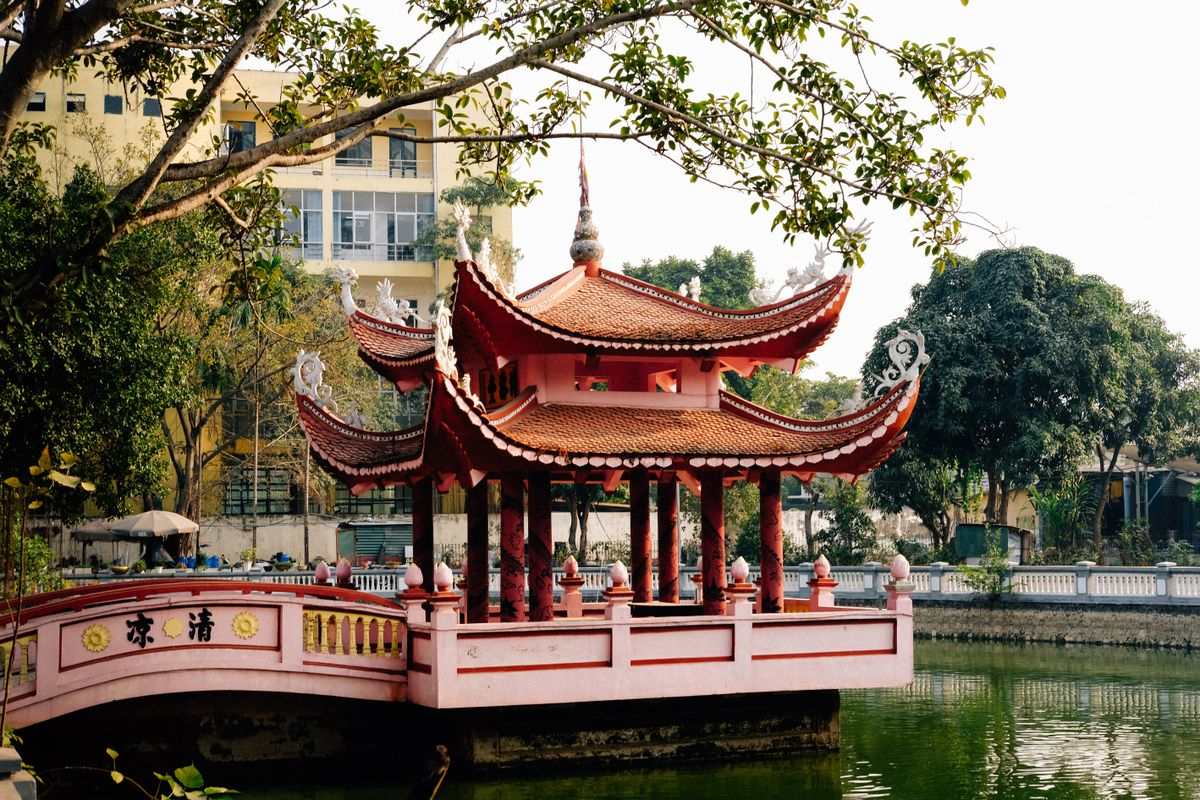
Hoan Kiem Lake offers a calmer side of Hanoi and works well as a starting point for exploring the center. The tree-lined path around the water is popular with locals, especially in the early morning and evening. Ngoc Son Temple, reached by a striking red bridge, adds a cultural stop to the walk.
This is where Hanoi briefly exhales. Around sunrise, you may see tai chi, group dancing, joggers, and older locals stretching with more flexibility than most of us had at age twelve. In the evening, the atmosphere turns social and relaxed, making it one of the easiest places to slip into the city’s daily rhythm.
Temple of Literature
The Temple of Literature is one of Hanoi’s most important historical sites. Founded in 1070 and later home to Vietnam’s first national university, it is dedicated to Confucius and remains a symbol of learning, scholarship, and traditional Vietnamese architecture.
It is also one of the best places to hit pause. Courtyards, gates, ponds, and stone stelae create a welcome contrast with the traffic outside. If Hanoi feels like a full-volume playlist, this place is the acoustic version.
Ho Chi Minh Mausoleum complex
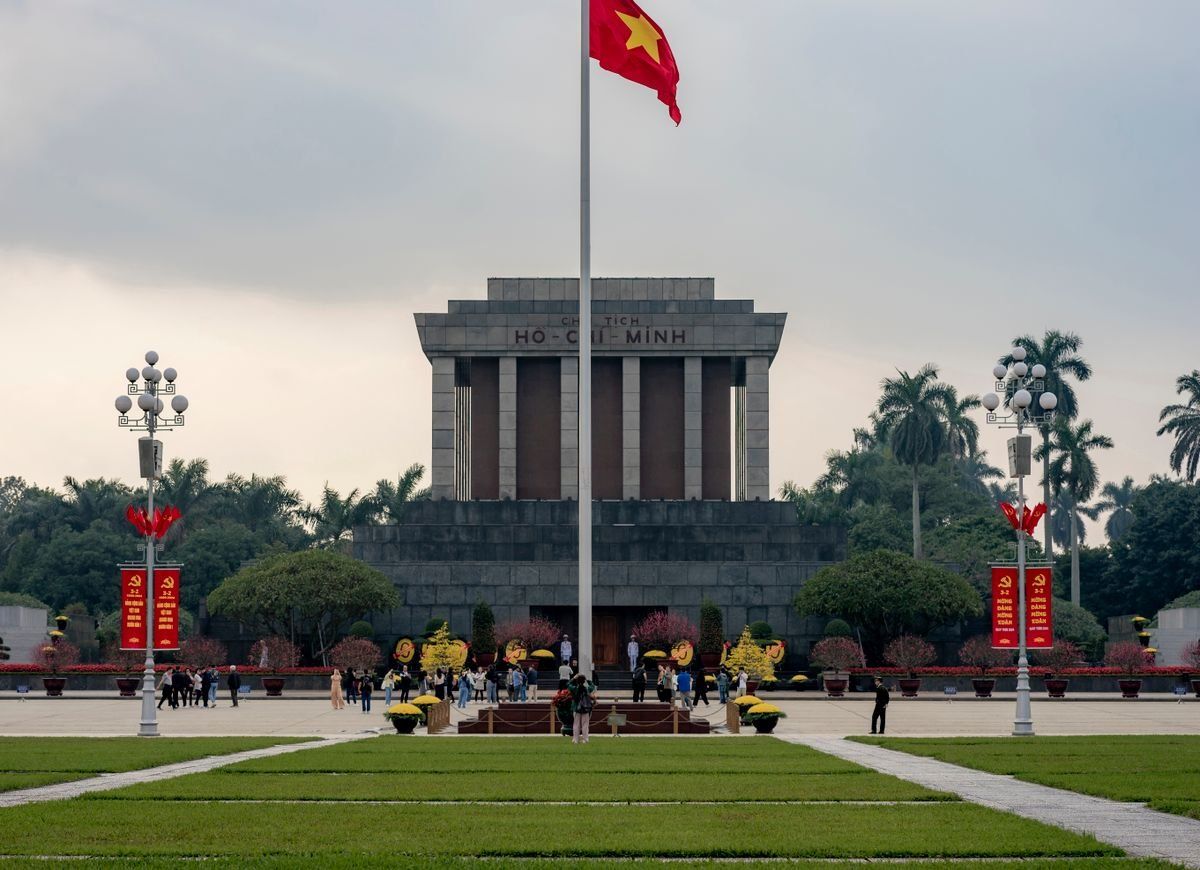
The Ho Chi Minh Mausoleum is one of the most significant political and historical landmarks in Vietnam. The wider complex includes Ba Dinh Square, the One Pillar Pagoda, and sites linked to Ho Chi Minh’s life. Visit in the morning and dress modestly, as entry rules are strict.
The mood here is formal and respectful, very different from the rest of the city. Timings matter, queues can be long, and knees and shoulders should be covered. In short: this is not the place for spontaneous holiday chaos or your most questionable tank top.
Hoa Lo Prison
Hoa Lo Prison provides an important look at Vietnam’s colonial and wartime history. Originally used by the French for political prisoners and later known to American POWs as the “Hanoi Hilton,” it is one of the city’s most impactful museums.
The exhibits are sobering, and the visit adds depth to any Hanoi itinerary. If you want more than temples and food, this is one of the places that helps explain the resilience and complexity of modern Vietnam.
St. Joseph’s Cathedral
St. Joseph’s Cathedral is a major colonial-era landmark in central Hanoi. Its neo-Gothic façade recalls European cathedrals, yet the surrounding streets are unmistakably Vietnamese, filled with cafés, local shops, and constant movement.
That contrast is the fun part. You turn a corner expecting more scooters and noodles, and suddenly there is a cathedral looking vaguely Parisian. Hanoi really enjoys keeping visitors on their toes.
Tran Quoc Pagoda
Tran Quoc Pagoda, set on a small island by West Lake, is one of the oldest Buddhist temples in Vietnam. It is a worthwhile detour from the center and a good choice if you want a quieter spiritual site with a scenic setting.
Come for the architecture, stay for the mood. The lakeside setting feels gentler than the Old Quarter, and the area is especially pleasant late in the day when the light softens and the city seems to remember it has a romantic side.
Experiences you should not miss
Beyond monuments, Hanoi is memorable for its sensory experiences. Food, coffee, train tracks, markets, and nightlife all shape the city as much as its museums do. A balanced itinerary should include both classic sights and a few more playful local rituals.
Try Hanoi’s street food
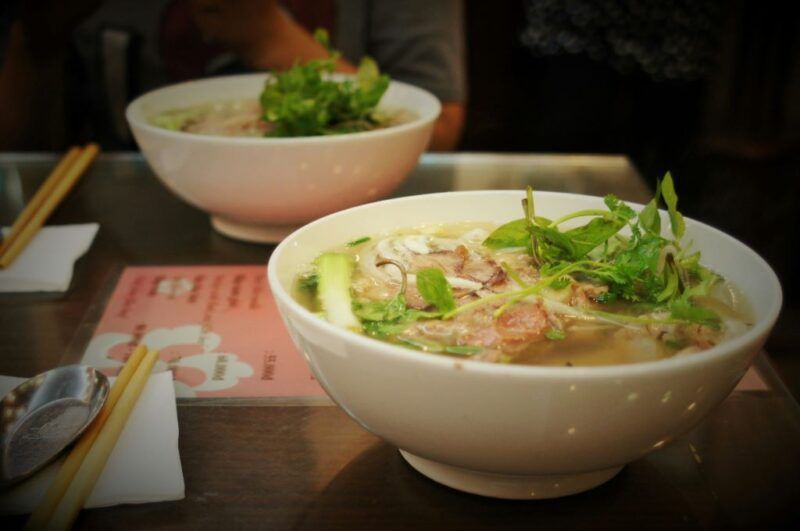
Street food is central to any visit to Hanoi. The city is famous for dishes such as pho, bun cha, banh mi, and fresh spring rolls. Small stalls and family-run eateries often serve some of the best meals, especially in and around the Old Quarter.
Plastic stools, tiny tables, questionable posture, unforgettable flavors. That is the deal, and it is an excellent one. An evening food crawl is often more revealing than a museum visit, because it shows you how the city gathers, eats, and socializes after dark.
- Pho for a classic noodle soup breakfast or light dinner
- Bun cha for grilled pork, noodles, and herbs
- Banh mi for a quick, affordable snack
- Egg coffee for Hanoi’s most iconic caffeine experience
Drink egg coffee
Egg coffee is one of Hanoi’s signature drinks and absolutely worth trying at least once. Made with strong coffee and a whipped, creamy egg mixture, it tastes richer and smoother than it sounds. Many cafés in the Old Quarter serve their own version.
Yes, it contains egg. No, it is not a prank. Think dessert-meets-coffee, with enough sweetness to convert skeptics and enough caffeine to restart your entire personality.
See Train Street safely
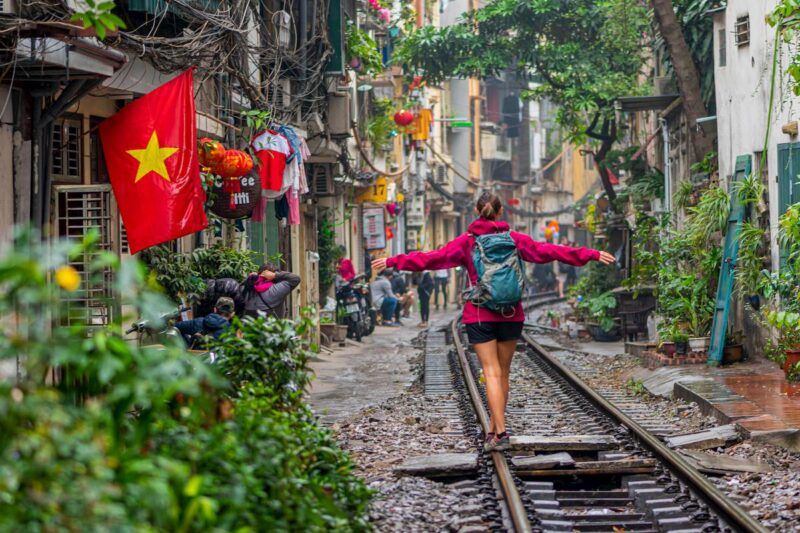
Train Street is one of Hanoi’s most talked-about attractions. Cafés line the railway, and at certain times trains pass extremely close to tables and buildings. Access rules can change, so visit only through permitted areas and follow local staff instructions carefully.
It is undeniably photogenic and undeniably absurd. Having a coffee while a train glides past your elbows is the sort of thing that sounds invented until you are actually there clutching your cup a bit too tightly.
Watch a water puppet show
A water puppet show is a traditional Vietnamese performance that combines music, storytelling, and puppetry over water. It may feel touristy, but it is also rooted in local culture and remains a distinctive experience for first-time visitors.
It is short, unusual, and charmingly theatrical. Even if you do not understand every story beat, it is easy to appreciate the artistry and the fact that someone once decided puppets should perform in a pool and everyone sensibly agreed.
Explore Hanoi after dark
At night, Hanoi shifts from hectic to festive. Food stalls get busier, beer corners fill up, markets stay lively, and rooftop bars offer a more polished alternative. Evening is a great time to combine casual dining, people-watching, and a final walk through the center.
If your daytime Hanoi was all temples and history, nighttime Hanoi is the afterparty. Sometimes that means a quiet drink with a view, sometimes it means tiny stools and cheap beer on a crowded street. Both are valid. Both are very Hanoi.
The WeRoad tip
See Hanoi the way the city reveals itself best: slowly, then all at once
For a first real taste of Hanoi, skip the urge to over-schedule every hour. Start early at Hoan Kiem Lake, when the city feels softer and locals are out doing tai chi, stretching, chatting, and easing into the day. From there, head into the Old Quarter and allow yourself to get a little lost on purpose. Hanoi rewards curiosity: one wrong turn can lead to a hidden café, a tiny food stall, or a beautiful old façade you would never have found on a checklist.
Later, build your day around a few meaningful stops rather than too many. The Temple of Literature adds calm and history, while Tran Quoc Pagoda offers a more reflective lakeside pause away from the busiest streets. Then save your energy for the evening, because Hanoi after dark is a whole different mood. Do a proper street-food crawl, let the stalls, grills, and tiny plastic stools pull you in, and end with either rooftop drinks or a dive into the city’s nightlife scene. It is the best kind of contrast: serene mornings, vibrant nights, and a city that somehow makes both feel completely natural.
Is 3 days enough for Hanoi?
Three days is usually enough to see the city’s highlights without rushing too much. You can cover the major landmarks, enjoy the food scene, and still leave time for wandering. Two days can work, but a third day makes the experience more relaxed and complete.
- Day 1: Old Quarter, Hoan Kiem Lake, St. Joseph’s Cathedral, street food and egg coffee
- Day 2: Ho Chi Minh Mausoleum, Temple of Literature, Hoa Lo Prison, evening puppet show
- Day 3: Tran Quoc Pagoda, West Lake, Train Street, cafés, rooftop drinks or nightlife
Quick guide to Hanoi’s top attractions
The table below helps compare Hanoi’s most popular sights by style and ideal timing. It is especially useful if you are building a short itinerary and need to prioritize based on your interests.
| Place | Why go | Best time | Ideal for |
|---|---|---|---|
| Old Quarter | Historic streets, shopping, local life, food | Morning or evening | First-time visitors |
| Hoan Kiem Lake | Scenic walk, local atmosphere, central location | Early morning or sunset | Slow exploration |
| Temple of Literature | History, architecture, calm courtyards | Morning | Culture lovers |
| Ho Chi Minh Mausoleum | Political history, key national site | Morning only | History-focused trips |
| Hoa Lo Prison | Colonial and wartime history | Late morning or afternoon | Museum visits |
| Tran Quoc Pagoda | Lakeside temple, peaceful setting | Late afternoon | Quiet detours |
Practical tips for visiting Hanoi
Hanoi is easy to enjoy when you plan for its pace, traffic, and weather. A few practical choices can make the city far more comfortable, especially if it is your first stop in Vietnam.
- Stay near Hoan Kiem Lake or the Old Quarter for the most convenient base
- Use Grab for affordable rides around the city
- Dress modestly for temples and the mausoleum complex
- Start early to avoid the worst heat and larger crowds
- Carry cash for small cafés, market stalls, and local food spots
Budget-wise, Hanoi can be very affordable. Many attractions are inexpensive, food is often cheap and excellent, and accommodation ranges from budget hostels to stylish boutique hotels. For a broader Vietnam trip, many travelers find that $1000 for two weeks can be enough on a budget or mid-budget style, especially if you mix local food, simple stays, and trains or buses with the occasional flight.
Wondering what is the best time to visit Vietnam? Read our guide!
Before you leave Hanoi
Hanoi is a city best remembered in fragments: steam rising from soup, temple bells in the distance, tangled wires over old shopfronts, and the steady buzz of scooters below a rooftop sunset. You do not need to see everything. You just need enough time to let the city get under your skin.
If you want to experience Vietnam with company, spontaneity, and someone else handling the logistics while you focus on the fun part, take a look at WeRoad group tours to Vietnam.
FAQ
- What are the must-do activities in Hanoi?
-
Focus on walking through the Old Quarter, circling Hoan Kiem Lake, visiting the Temple of Literature, seeing Hoa Lo Prison, trying street food, drinking egg coffee, and catching at least one evening experience such as Train Street, a water puppet show, or a rooftop bar.
- Is 3 days enough to visit Hanoi?
-
Yes, three days is enough for most travelers. It allows time for the main attractions, several food experiences, and a more relaxed pace than a rushed 48-hour visit.
- What should I not miss in Hanoi?
-
Do not miss the Old Quarter, Hoan Kiem Lake, the Temple of Literature, and Hanoi’s street food culture. These four experiences capture much of what makes the city memorable.
- Is Hanoi expensive for travelers?
-
Hanoi is generally affordable. Street food, local transport, and many attractions are low-cost, while boutique hotels and rooftop bars remain good value compared with many other capitals.
- When is the best time to visit Hanoi?
-
The most pleasant periods are usually autumn and spring, when temperatures are milder. Summer can be hot and humid, while winter may feel cooler and gray.