In a nutshell
- Lisbon’s essential highlights include Alfama, São Jorge Castle, Belém Tower, Jerónimos Monastery, Praça do Comércio, and the city’s famous miradouros, offering a balanced mix of history, views, and local atmosphere.
- Belém is the key district for understanding Lisbon’s maritime heritage, with major monuments tied to the Age of Discovery and the added bonus of Pastéis de Belém, one of the city’s most iconic food stops.
- Three days is an ideal length for a first trip because it gives enough time to see top attractions, explore neighborhoods like Chiado and Bairro Alto, enjoy food experiences and fado, and even add a day trip.
- Lisbon’s food scene is a core part of the trip, from pastel de nata and seafood to ginjinha, market dining, and traditional dinners, making the city especially rewarding for travelers who like to sightsee between meals and meal-plan between sights.
- Sintra is the best day trip from Lisbon thanks to its easy access, striking palaces, and very different atmosphere, while neighborhoods like LX Factory, Príncipe Real, and Bairro Alto show the city’s more contemporary side.
Lisbon is one of those cities that wins you over quickly: tiled facades, golden light, clattering trams, viewpoints on every hill, and enough pastries to make all self-control politely resign. If you are looking for the best things to do in Lisbon, this guide will help you plan a trip that blends iconic sights, local flavor, and a few smart choices that save time and energy.
The Portuguese capital is compact enough for a city break, but full of layers. You can spend the morning exploring medieval alleys in Alfama, the afternoon by the river in Belém, and the evening listening to fado over dinner. It is a city of hills, yes, but also of rewards. Every uphill stretch seems to end with a postcard-worthy view, which feels like Lisbon’s way of saying, “You suffered a little, here’s a skyline.”
What Lisbon is famous for
Lisbon is famous for its historic neighborhoods, yellow trams, pastéis de nata, fado music, and landmarks tied to Portugal’s Age of Discovery. It is also known for sweeping viewpoints, riverside scenery, and a relaxed atmosphere that makes sightseeing feel less like a checklist and more like a very successful wandering session.
What makes the city stand out is the contrast. You have grand squares like Praça do Comércio, maze-like streets in Alfama, industrial-cool spots like LX Factory, and major monuments in Belém. Add sunshine, seafood, and local wine, and suddenly “just one more day” becomes the most common phrase of the trip.
Top attractions you should not miss

If you only have a short trip, focus on Lisbon’s essential sights first. The most rewarding itinerary includes Alfama, Belém Tower, Jerónimos Monastery, São Jorge Castle, key viewpoints, and at least one food stop built around pastries, seafood, or both if you are feeling ambitious and heroic.
Here are the attractions that deserve a place on most first-time itineraries:
- Alfama for Lisbon’s oldest streets and classic atmosphere
- São Jorge Castle for history and panoramic views
- Praça do Comércio for grand riverfront architecture
- Belém Tower for one of the city’s best-known landmarks
- Jerónimos Monastery for Manueline architecture and UNESCO status
- Pastéis de Belém for the city’s most famous custard tarts
- Time Out Market for a broad taste of Lisbon’s food scene
- Miradouros such as Santa Luzia and Portas do Sol for views
- Bairro Alto for nightlife and rooftop drinks
- Sintra for the easiest and most magical day trip
| Place | Why go | Best for |
|---|---|---|
| Alfama | Historic streets, local character, viewpoints | Walking and photography |
| Belém | Monuments, riverside walks, pastries | History and landmarks |
| Chiado | Shops, cafés, central location | Strolling and dining |
| Bairro Alto | Bars, viewpoints, nightlife | Evenings out |
| LX Factory | Creative spaces, street art, trendy food | Alternative Lisbon |
Explore Alfama and São Jorge Castle
Alfama is the heart of old Lisbon and one of the city’s most atmospheric areas. It is the best place to feel the historic soul of the capital, with narrow lanes, tiled buildings, small squares, and sudden viewpoints opening over red rooftops and the Tagus River.
Do not rush here. Walk without obsessing over the map and let the district unfold naturally. You will pass laundry lines, hidden churches, cats behaving like they own centuries of real estate, and tiny bars playing fado. Then head up to São Jorge Castle, where the city stretches below you in full cinematic glory. The climb is not subtle, but neither is Lisbon, and that is part of the charm.
Best viewpoints in Alfama
The top miradouros in Alfama offer some of Lisbon’s most memorable panoramas. They are ideal for a morning stroll, a midday break, or sunset. These terraces combine practical sightseeing with the simple joy of standing still and saying, “Right, this city is unfairly good-looking.”
- Miradouro de Santa Luzia for postcard views and azulejo charm
- Portas do Sol for wide-open views over Alfama
- Miradouro da Graça for a more spacious, relaxed stop
Visit Belém for Lisbon’s grand monuments
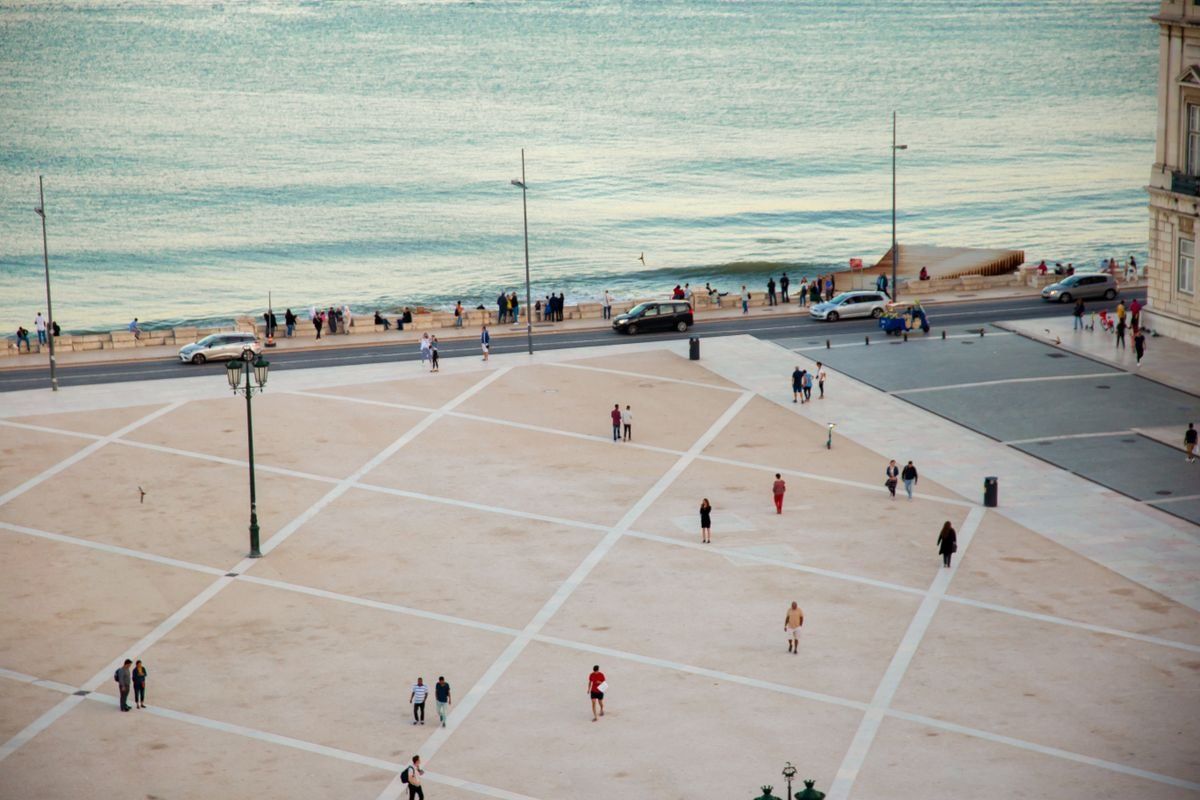
Belém is the district most connected to Portugal’s maritime past. It is home to some of Lisbon’s most important monuments, and it offers a different atmosphere from the old center: broader avenues, riverside walks, and a concentration of sights that make planning straightforward.
Start with the magnificent Jerónimos Monastery, one of the finest examples of Manueline architecture. Then continue to Belém Tower, once part fortress, part ceremonial gateway to the city. Nearby you will also find the Monument to the Discoveries, which celebrates Portugal’s explorers. If all this history makes you hungry, excellent news: Belém is also where you can try the famous Pastéis de Belém. Research suggests one is enough; real life strongly disagrees.
How to plan a half-day in Belém
A half-day in Belém works well for most travelers and covers the key landmarks without feeling rushed. The area is slightly removed from central Lisbon, so grouping these sights together is the most efficient approach for first-time visitors.
- Arrive early to avoid the longest lines
- Visit Jerónimos Monastery
- Walk to Belém Tower and the riverside
- See the Monument to the Discoveries
- Stop at Pastéis de Belém before heading back
Ride the tram and discover central Lisbon
Lisbon’s historic trams are part transport and part city symbol. Riding one, especially the famous Tram 28, is a classic way to connect key districts while taking in the city’s steep streets, old facades, and everyday rhythm from a uniquely Lisbon perspective.
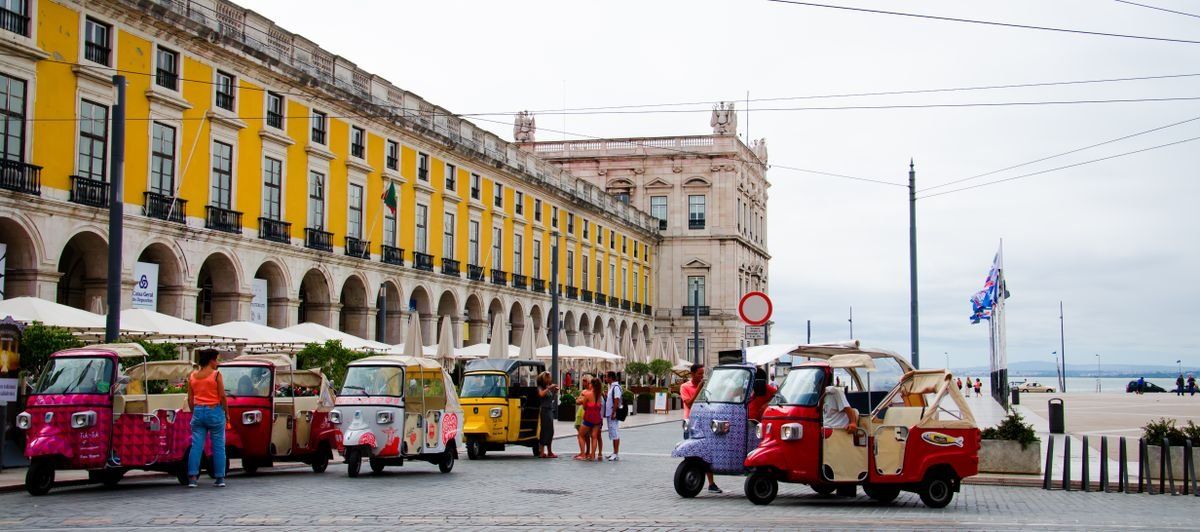
That said, the tram is popular for good reason, which also means it can be crowded enough to make sardines seem generously spaced. If you want the experience, go early. Around central Lisbon, also spend time in Baixa and Chiado. Walk through Rossio Square, admire Praça do Comércio, and enjoy the layered elegance of downtown streets rebuilt after the 1755 earthquake.
Food experiences worth building your day around
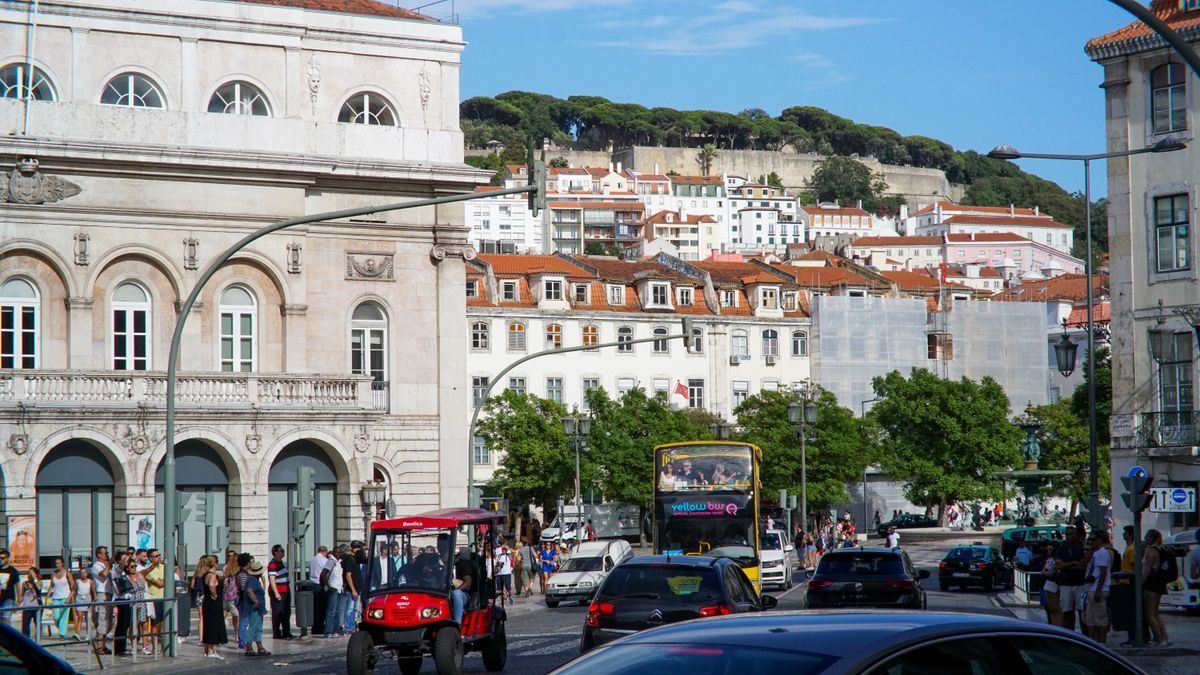
Lisbon is a strong destination for food, and many of its best experiences are easy to combine with sightseeing. From pastries and espresso to seafood and market dining, the city offers plenty of memorable stops that add depth and pleasure to any itinerary.
At a minimum, try these:
- Pastel de nata from a respected bakery
- Fresh seafood, especially prawns, cod, or grilled fish
- Ginjinha, the cherry liqueur often served in a small cup
- Time Out Market for variety in one place
- Portuguese wine with petiscos or a full dinner
If you want a classic local evening, book dinner in Alfama or Bairro Alto and pair it with a live fado performance. It is emotional, intimate, and occasionally dramatic enough to make your own love life seem suspiciously underwritten.
Unique neighborhoods
Once you have covered the major landmarks, Lisbon becomes even more enjoyable through its neighborhoods. Areas like Bairro Alto, Príncipe Real, and LX Factory reveal the city’s contemporary personality through bars, design shops, street art, and less formal cultural spaces.
Beyond the postcard spots
Bairro Alto is best known for nightlife, but it also has lovely daytime corners and easy access to viewpoints. Príncipe Real feels a bit calmer and more polished, with attractive streets and independent stores. LX Factory, set in a former industrial complex, is one of the best places for creative energy, restaurants, and bookshops. It is the kind of place where you go in for a coffee and somehow leave three hours later with photos, snacks, and mild envy for everyone who seems effortlessly stylish.
Is 3 days in Lisbon too long?
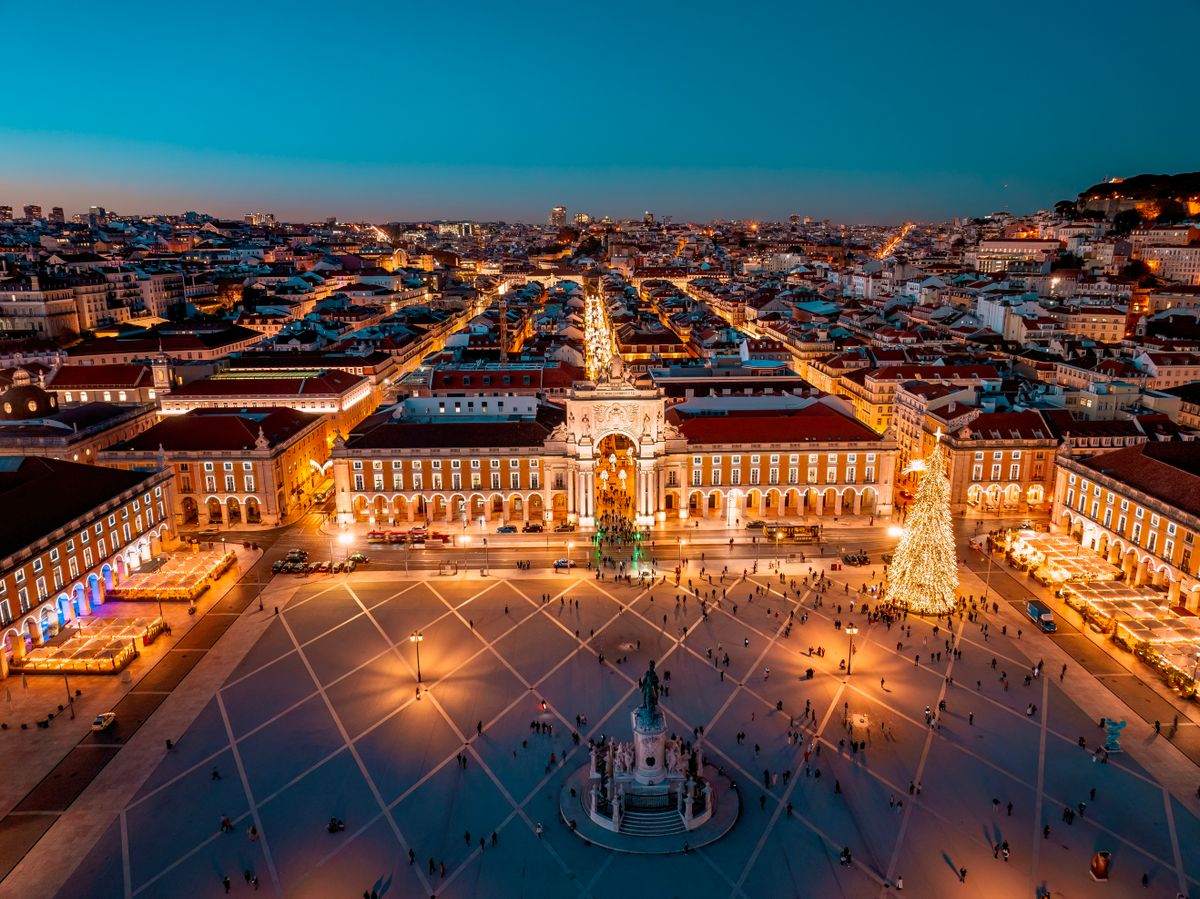
No, 3 days in Lisbon is not too long. In fact, it is one of the best trip lengths for first-time visitors because it allows enough time for major sights, local neighborhoods, slower meals, and possibly a day trip without turning the whole experience into an athletic event.
A smart 3-day structure looks like this:
- Day 1: Baixa, Chiado, Alfama, São Jorge Castle, sunset viewpoint
- Day 2: Belém monuments, pastries, LX Factory, riverside evening
- Day 3: Sintra day trip or deeper exploration of Lisbon’s food, museums, and neighborhoods
If you have less time, focus on Alfama, Belém, and one good food experience. If you have more, Lisbon rewards slower travel. It is the sort of city where “doing less” can still feel like a very successful day.
Best day trip from Lisbon
The most popular and worthwhile day trip from Lisbon is Sintra. It is easy to reach and offers a very different setting, with forested hills, extravagant palaces, and a fairy-tale atmosphere that feels almost deliberately excessive in the best possible way.
If you go, prioritize one or two major sights rather than trying to conquer everything in a single day. Pena Palace and Quinta da Regaleira are top picks. You can also combine Sintra with a stop in Cascais if you want a coastal angle, but only if you like your day trips slightly ambitious and your schedule mildly chaotic.
Plan your Lisbon trip with the right pace
The best way to enjoy Lisbon is to combine structure with flexibility. Plan your must-see landmarks in advance, especially in Belém, but leave room for cafés, viewpoints, and unplanned detours through neighborhood streets that often become the most memorable parts of the trip.
Wear comfortable shoes, start early for popular attractions, and do not underestimate the hills. Lisbon is generous with beauty, but it expects some effort in return. Happily, that effort is usually rewarded with tiled facades, river light, and something flaky and warm involving custard.
If Lisbon is calling your name, it might be the perfect moment to discover WeRoad group trips in Lisbon and experience the city with new travel buddies.
FAQ
- What should I not miss in Lisbon?
-
You should not miss Alfama, São Jorge Castle, Jerónimos Monastery, Belém Tower, a proper pastel de nata, and at least one scenic viewpoint such as Santa Luzia or Portas do Sol.
- What are the top 10 attractions in Lisbon?
-
The top 10 attractions are usually Alfama, São Jorge Castle, Praça do Comércio, Rossio, Belém Tower, Jerónimos Monastery, Pastéis de Belém, Time Out Market, Tram 28, and Sintra as a day trip.
- How many days do you need in Lisbon?
-
Three days is a great amount of time for most travelers. It allows you to cover the main landmarks, explore a few neighborhoods, enjoy Lisbon’s food scene, and take a day trip if you want a broader experience.
- Is Lisbon walkable for tourists?
-
Yes, central Lisbon is very walkable, but it is also very hilly. Walking is the best way to experience the city’s atmosphere, though trams, metro, and taxis are useful for longer distances or when your legs start filing official complaints.
- What food is Lisbon famous for?
-
Lisbon is famous for pastéis de nata, bacalhau, grilled fish, seafood, ginjinha, and traditional Portuguese dishes often served in family-run restaurants and taverns across the city.