In a nutshell
- Seoul combines tradition and trend exceptionally well, letting you move from royal palaces and hanok villages to K-beauty shopping streets, modern cafés, and lively nightlife districts in the same day.
- First-time visitors should focus on a smart mix of landmarks and neighborhoods, especially Gyeongbokgung, Changdeokgung, Bukchon, Namsan, Myeongdong, Hongdae, and Insadong, to get a rounded feel for the city.
- Food is central to the Seoul experience, with Gwangjang Market, Korean barbecue, street snacks, and convenience store culture offering both iconic meals and easy low-budget options.
- Nightlife varies by area and style, from youthful energy and live performances in Hongdae to rooftop cocktails in Itaewon and more traditional drinking spots in Jongno.
- Practical planning matters: use Naver Map, get a T-money card, expect moderate daily costs, and remember that English is present in tourist settings but translation apps and a few Korean phrases will still help.
Seoul is one of those cities that can make you feel wildly organized and gloriously overwhelmed at the same time. One minute you’re admiring a royal palace, the next you’re buying sheet masks, chasing dumplings, and ending the night under neon lights. That mix is exactly what makes the city so addictive.
If you’re planning a first trip, the best way to experience Seoul is to balance its big icons with the neighborhoods that give it personality. Think historic gates and hanok alleys, but also food markets, K-pop energy, design cafés, and nightlife that starts politely and ends somewhere between karaoke and “one last drink” that is absolutely not the last.
What makes Seoul worth visiting
Seoul stands out because it combines history, pop culture, food, and nightlife in a way that feels seamless rather than forced. You can move from a palace to a concept store, from a temple to a rooftop bar, and from a street food stall to a late-night music venue without ever feeling like the city loses its identity.
That’s the magic of the South Korean capital: it doesn’t ask you to choose one travel mood. You can go full culture nerd in the morning, beauty-shop warrior in the afternoon, and grilled-meat philosopher at dinner. Very few cities let you do all that before midnight.
Top places to visit in Seoul on a first trip
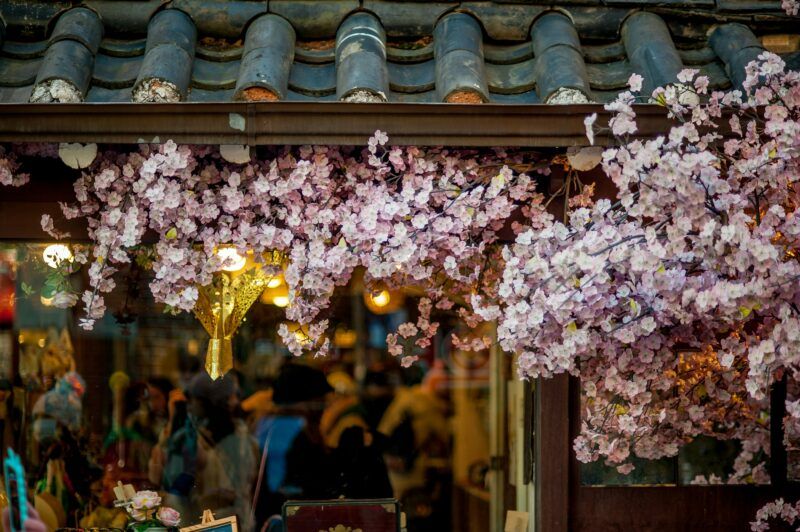
For a first-time itinerary, prioritize a few historic landmarks, one or two character-filled neighborhoods, and a viewpoint over the city. This gives you a clear introduction to Seoul without turning your holiday into an Olympic speed-walking event.
Gyeongbokgung Palace
Gyeongbokgung Palace is the grandest royal site in Seoul and the one most visitors should see first. Its courtyards, gates, and mountain backdrop give context to the city’s past, while the changing guard ceremony adds a memorable visual moment to your day.
Come early if you want lighter crowds and better photos. Nearby hanbok rental shops are everywhere, and yes, plenty of visitors wear one. Done right, it feels less costume drama and more “main character in a historical reboot.”
Changdeokgung Palace and Secret Garden
Changdeokgung offers a quieter atmosphere and a more intimate look at royal architecture. Its famous Secret Garden is one of the most peaceful areas in central Seoul and is especially worth it if you want a softer, less crowded palace experience.
If you only have time for two palaces, pair this one with Gyeongbokgung. The contrast helps: one is grand and ceremonial, the other elegant and calm. Book the garden in advance when possible, because spontaneity is lovely, but sold-out tickets are less charming.
Bukchon Hanok Village
Bukchon Hanok Village is one of the best places to see traditional Korean houses still shaping the urban landscape. It works best as a walk rather than a checklist stop, especially if you explore respectfully and stick to designated visitor hours.
This is a residential area, so keep the volume down. In other words: admire the roofs, enjoy the lanes, but maybe don’t recreate a full music video in front of someone’s front door.
N Seoul Tower and Namsan
N Seoul Tower and the surrounding Namsan area are ideal for panoramic city views. Whether you hike up, take the cable car, or simply enjoy the park, this is one of the easiest ways to understand just how huge Seoul really is.
Sunset is the classic time to go, and for good reason. The skyline slowly lights up, couples attach locks, and everyone suddenly becomes a part-time photographer with very strong opinions about angles.
Best neighborhoods for culture, shopping and atmosphere
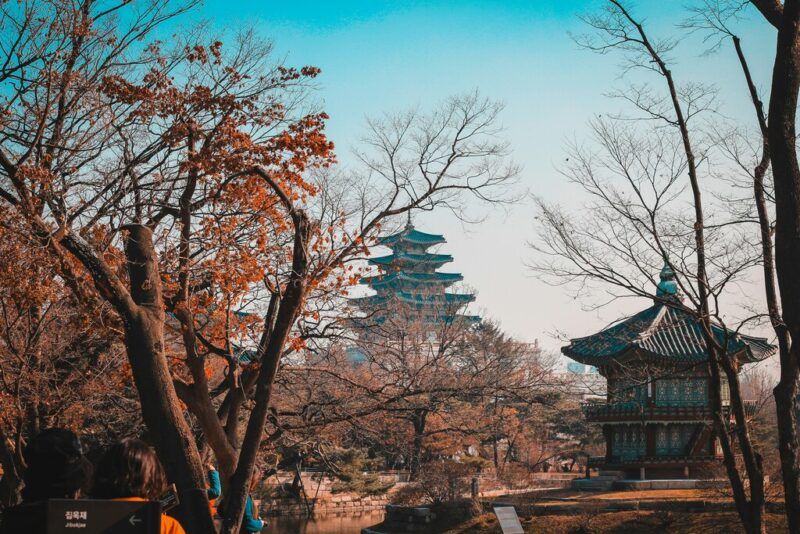
Seoul is a city of neighborhoods, and each area has a distinct rhythm. Choosing the right ones can make your itinerary feel smooth and varied, especially if you group nearby sights and avoid crisscrossing the city all day.
| Neighborhood | Best for | What to expect |
|---|---|---|
| Myeongdong | Shopping, street food, K-beauty | Busy, central, tourist-friendly, lively at night |
| Hongdae | Youth culture, nightlife, live performances | Energetic streets, music venues, bars, late nights |
| Insadong | Traditional culture, crafts, tea houses | Walkable, artsy, good for souvenirs and cafés |
| Seongsu | Design, cafés, local brands | Creative, trendy, industrial spaces turned stylish |
| Itaewon | International dining, rooftops, nightlife | More global vibe, bars and diverse food scene |
Myeongdong
Myeongdong is a practical and entertaining base for first-time visitors. It is central, well connected, and packed with beauty stores, fashion chains, snack stalls, and bright signs competing for your attention with zero shame.
If you want skincare shopping, this is the place. Consider it a gentle trap for your wallet: you enter for one cleanser and somehow leave with essence, SPF, toner pads, and a sudden belief in the power of snail mucin.
Hongdae
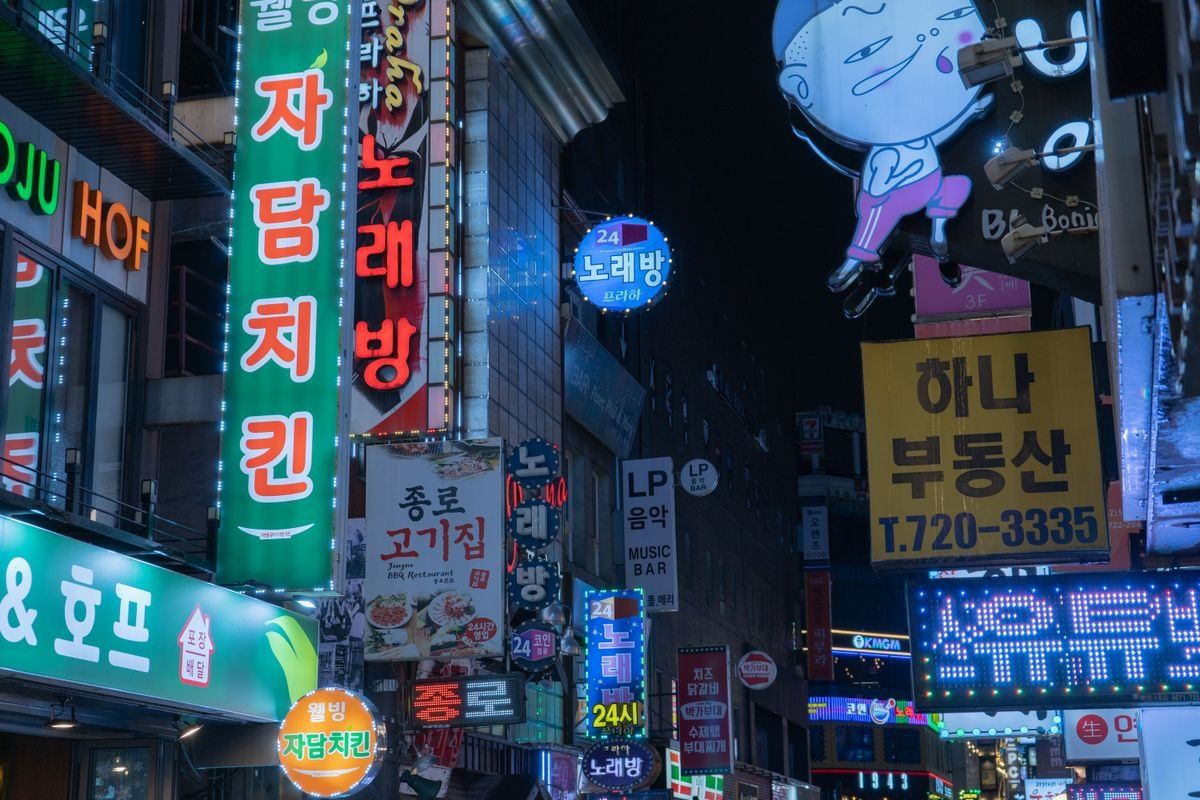
Hongdae is one of the most fun areas for after-dark energy, street performances, indie culture, and casual nightlife. It feels younger and more spontaneous than some of Seoul’s other evening districts, making it a strong choice if you like music and movement.
Go in the evening for the full effect. Buskers perform, bars fill up, and the whole neighborhood seems to operate on a shared agreement that sleep is an optional hobby.
Insadong and Ikseon-dong
Insadong and nearby Ikseon-dong are ideal if you want traditional aesthetics with a contemporary twist. Expect tea houses, craft shops, narrow alleys, and cafés inside renovated hanok buildings.
They’re great for slowing the pace a little. You can browse, snack, sip something warm, and pretend your schedule is calm and intentional, even if your phone has seventeen saved places and a mild battery crisis.
What to eat in Seoul
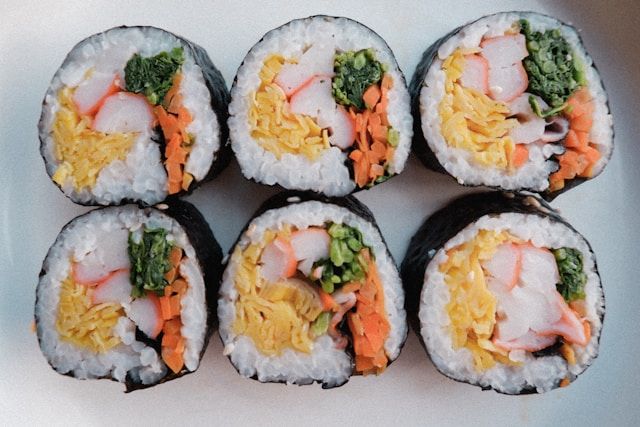
Food is one of the strongest reasons to visit Seoul. From market snacks to barbecue dinners and comforting noodle dishes, the city rewards curiosity, and it is easy to build entire days around what you want to taste next.
Gwangjang Market
Gwangjang Market is one of the city’s essential food stops thanks to its variety, history, and atmosphere. It is a great place to try classic Korean dishes in one compact, lively setting.
Look out for dishes such as:
- Bindaetteok – mung bean pancakes
- Kimbap – rice rolls perfect for quick bites
- Tteokbokki – spicy rice cakes
- Kalguksu – knife-cut noodles
- Mayak gimbap – addictive mini rolls
Go hungry and accept that you may point at things with increasing confidence and decreasing knowledge. Honestly, that is part of the fun.
Korean barbecue
Korean barbecue is more than a meal; it is a social ritual. Grilling meat at the table, wrapping bites in lettuce, and mixing in sauces and side dishes turns dinner into an experience rather than a quick stop.
If you’re traveling with friends, this is one of the best group dinners in Seoul. There is something beautifully bonding about negotiating grill timing while pretending you definitely know what you’re doing.
Street food and convenience store culture
Street food in Seoul is varied, affordable, and easy to fit between attractions. Convenience stores also deserve a mention, especially for drinks, snacks, and late-night instant noodle moments that somehow become core travel memories.
Try hotteok, fried chicken bites, egg bread, and local drinks. Then stop by a convenience store when the night gets long. Few things feel more accurate than eating noodles at an odd hour while reassessing every life choice in the best possible mood.
Seoul nightlife: where to go after dark
Nightlife in Seoul ranges from casual drinking streets to rooftop bars, clubs, live music venues, and karaoke rooms. The best area depends on your mood, budget, and tolerance for turning “just one drink” into a full subplot.
Hongdae for live energy
Hongdae is one of the best districts for a fun, accessible night out. It is known for bars, clubs, buskers, and a youthful atmosphere that makes even a simple walk feel lively.
If you enjoy spontaneous plans, start here. You can bar-hop, watch performers, duck into a live music venue, or end up in a karaoke room singing dramatically to songs you only half know. A very noble tradition.
Itaewon for rooftops and cocktails
Itaewon is a good choice for international dining, cocktails, and a more cosmopolitan bar scene. It feels broader in style than other nightlife areas and works well if your group has mixed tastes.
It is especially appealing for rooftop drinks and a polished evening out. Less student chaos, more “we cleaned up for this,” even if someone is still wearing sneakers and calling it fashion.
Jongno for old-school drinking culture
Jongno offers a more local, low-key drinking scene with pocha-style spots and traditional vibes. It is a good option if you prefer atmosphere over flash and want to experience a different side of Seoul after dark.
This area feels more understated, which is exactly its charm. No giant spectacle, just solid food, drinks, conversation, and the comforting sense that the night is unfolding at its own pace.
Practical tips for visiting Seoul
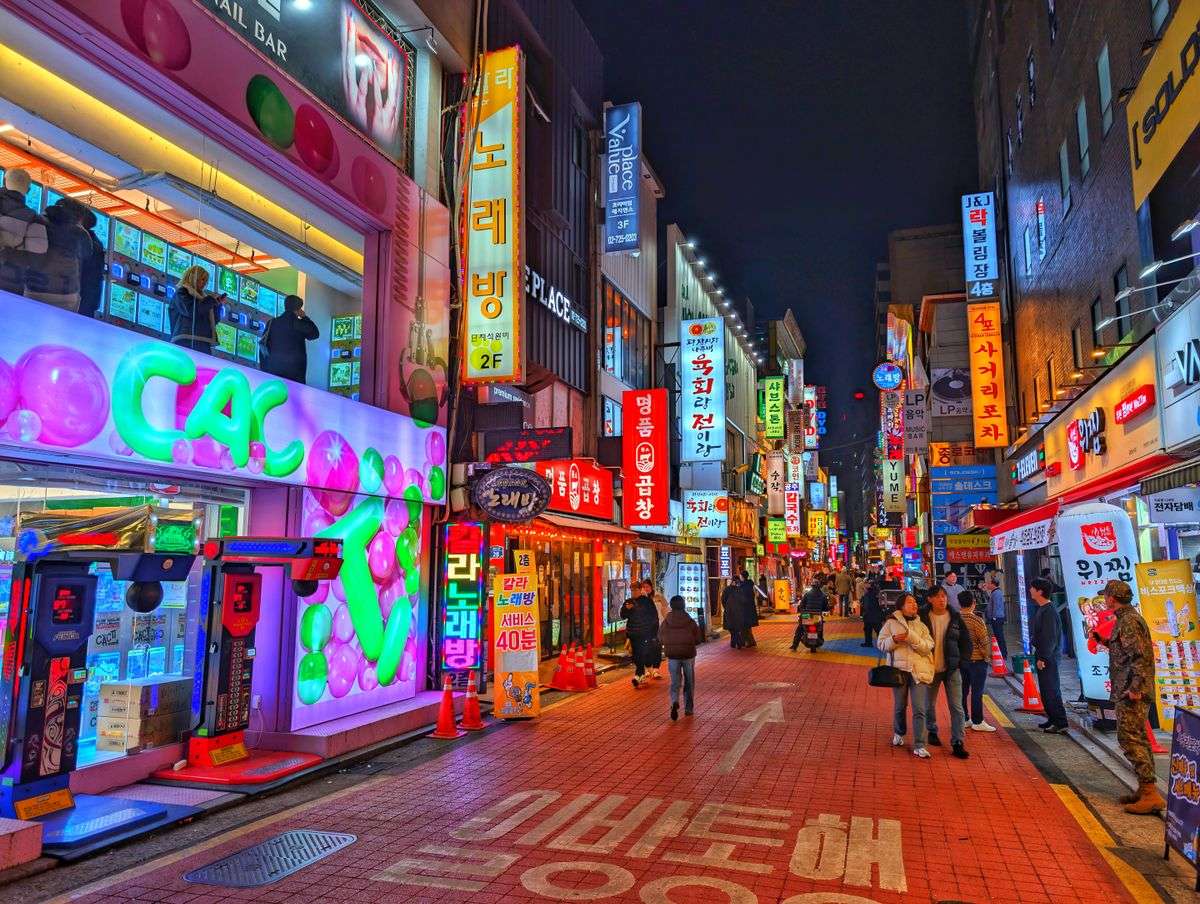
A few practical choices can make your trip much easier. Seoul is efficient and well connected, but using the right apps, transport cards, and budget expectations will save time and reduce friction.
- Use Naver Map or KakaoMap because Google Maps is limited in South Korea.
- Get a T-money card for subways, buses, and some convenience store purchases.
- Plan 4 to 6 days for a first trip if you want major highlights without rushing.
- Stay connected with an eSIM or local SIM for navigation and translation.
- Carry some cash for markets and smaller local spots, even though cards are widely accepted.
How much should you budget for Seoul?
Seoul can work for different budgets, but costs depend a lot on your pace and priorities. Street food and public transport are affordable, while shopping, nightlife, and beauty treatments can quickly raise the total.
For two weeks in South Korea, $1000 per person is possible only with careful budgeting, simple accommodation, limited nightlife, and frequent convenience store or market meals. For a more comfortable trip including Seoul, many travelers should expect a higher daily average.
A rough daily range in Seoul might look like this:
- Budget: 60 to 90 USD
- Mid-range: 100 to 180 USD
- Higher comfort: 200+ USD
Useful local context before you go
Knowing a few practical cultural details helps you navigate the city more smoothly. Seoul is visitor-friendly, but expectations around work culture, language, and etiquette can differ from what many travelers are used to.
The so-called 52-hour rule in South Korea refers to the legal cap on the standard workweek: generally 40 regular hours plus up to 12 hours of overtime. It is not a travel rule, but it helps explain some conversations around local work-life balance.
As for language, English is spoken in many hotels, tourist areas, and larger cafés, but it is not universal. Learning a few simple Korean phrases and using Papago for translation will go a long way.
The WeRoad tip
Start with barbecue, end with karaoke, and let Seoul do the rest
If you want a first night in Seoul that immediately sets the tone, begin with a sizzling Korean barbecue dinner. There’s no better icebreaker than leaning over a grill, debating when the meat is actually ready, and pretending someone in the group is suddenly a certified expert in lettuce-wrap engineering. After dinner, head straight to Hongdae, where the streets stay lively with buskers, dancers, indie venues, and bars that make “just a quick look around” feel hilariously unrealistic.
The next day, balance the neon with something more classic: rent a hanbok and explore Gyeongbokgung and Changdeokgung. It’s a fun way to step into Seoul’s historic side without making the experience feel stiff or museum-like. Then save room for a proper food crawl through Gwangjang Market, where you can graze from stall to stall and wash it down with a glass of makgeolli. And when night falls again? Do what Seoul does best: book a private noraebang room and sing your heart out with zero shame and very questionable vocal technique. Honestly, that’s not embarrassing. That’s cultural immersion.
Your Seoul trip, your rhythm
Seoul rewards travelers who mix planning with curiosity. Build your days around a few key sights, leave room for unexpected food stops and neighborhood detours, and let the city reveal itself between palace gates, market alleys, rooftop bars, and convenience store snacks.
If you want to experience Seoul with a group that’s up for culture, food, and the occasional excellent bad karaoke performance, take a look at the WeRoad group trips to South Korea and start planning your next adventure.
FAQ
- How many days do you need in Seoul?
-
For a first visit, 4 to 6 days is a good range. It gives you enough time for major sights, a few neighborhoods, plenty of food stops, and at least one slower evening without rushing through everything.
- What should you not miss in Seoul?
-
The main highlights most travelers should not miss are Gyeongbokgung Palace, Bukchon Hanok Village, Gwangjang Market, Myeongdong, and an evening in Hongdae or a view from N Seoul Tower.
- Is Seoul expensive for tourists?
-
Seoul can be affordable or moderately expensive depending on your style. Public transport and casual food are budget-friendly, but shopping, nightlife, and premium experiences such as skincare treatments can increase costs quickly.
- Is English widely spoken in Seoul?
-
English is fairly common in tourist areas, hotels, and some cafés or restaurants, but not everywhere. It helps to use Papago or another translation app and learn a few polite Korean phrases.
- What is the best area to stay in Seoul for first-time visitors?
-
Myeongdong is one of the best choices for first-timers because it is central, well connected, and close to shopping, food, and public transport. Hongdae is also a strong option if nightlife matters more to you.