In a nutshell
- Prague is best explored beyond Old Town Square, combining headline sights like Charles Bridge, Prague Castle and the Astronomical Clock with more atmospheric districts such as Malá Strana and the Jewish Quarter.
- The city is very walkable, and most main attractions can be linked on foot, although hills and cobblestones make comfortable shoes essential for a smoother experience.
- Three days offer the right balance for first-time visitors, allowing time for major landmarks, quieter places like Vyšehrad and Petřín Hill, and moments to enjoy Prague’s food and beer culture without rushing.
- Prague Castle and St. Vitus Cathedral deserve half a day, while hidden gems such as the Dancing House, riverside walks and garden viewpoints add variety and help you see a more complete side of the city.
- Costs remain relatively accessible, especially for beer, public transport and traditional food, making Prague a strong option for a short European city break with plenty of cultural depth.
Prague has a way of showing off without even trying. One minute you are looking up at Gothic spires, the next you are crossing a bridge that seems designed by someone who really understood drama. Most first-timers begin in the Old Town, and rightly so, but the real magic starts when you let the city unfold beyond the postcard angle.
This guide covers the best attractions in Prague, a few lesser-known corners, practical tips, and a balanced 3-day itinerary. Expect grand landmarks, scenic walks, excellent beer, and at least one moment when you pause and think: this city is being unnecessarily pretty.
What to see first in Prague
If it is your first visit, start with the historic core, then expand into nearby districts that show a more layered side of the city. The essentials are compact enough to combine on foot, which makes Prague ideal for short breaks without feeling rushed from one monument to the next.
Begin with the classics, but do not stay there all day. Old Town Square, the Astronomical Clock, Charles Bridge, Malá Strana, and Prague Castle form the backbone of any first trip. They are famous for a reason. Still, Prague becomes far more memorable when you add riverside walks, hilltop viewpoints, and neighborhoods where life feels less staged for Instagram and more genuinely local.
| Area | Why go | Best for |
|---|---|---|
| Old Town | Historic landmarks, medieval streets, major sights | First-time visitors and classic sightseeing |
| Malá Strana | Baroque streets, gardens, quieter corners | Atmosphere and slow wandering |
| Castle District | Monuments, views, royal history | Architecture and panoramic stops |
| New Town | Broad avenues, modern city life, nightlife | Food, shopping, urban energy |
| Vyšehrad | Peaceful fortress area and river views | Hidden gems and fewer crowds |
Must-see attractions beyond the Old Town Square
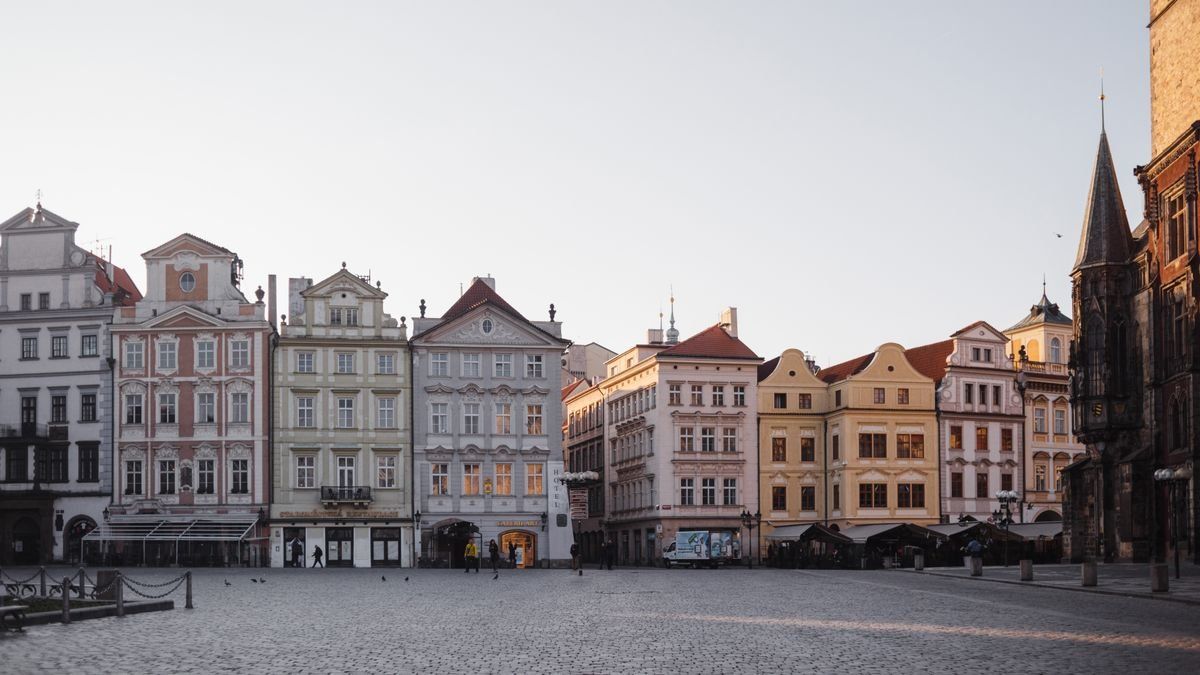
The city’s top landmarks are close to one another, but each offers a different atmosphere. Plan them in clusters to avoid zigzagging across the center. This makes your visit smoother and gives you time to actually enjoy the places instead of power-walking like you are in a travel-themed obstacle course.
Charles Bridge and the riverfront
Charles Bridge is one of Prague’s essential sights and works best early in the morning or in the evening, when the light softens and the crowds loosen their grip. It connects the Old Town with Malá Strana, so it is less a detour and more a scenic transition between two moods of the city.
Come at sunrise if you want photos without fifty elbows in the frame. Come near sunset if you want the skyline to glow and feel slightly smug about your life choices. Once across, continue along the riverfront paths for some of the best views of the city’s towers and domes.
Prague Castle and St. Vitus Cathedral
Prague Castle is not a quick stop. It is a vast complex of courtyards, churches, lanes, and historic buildings, so it deserves at least half a day. Within it, St. Vitus Cathedral is the undisputed star, with its Gothic exterior, stained glass, and royal symbolism.
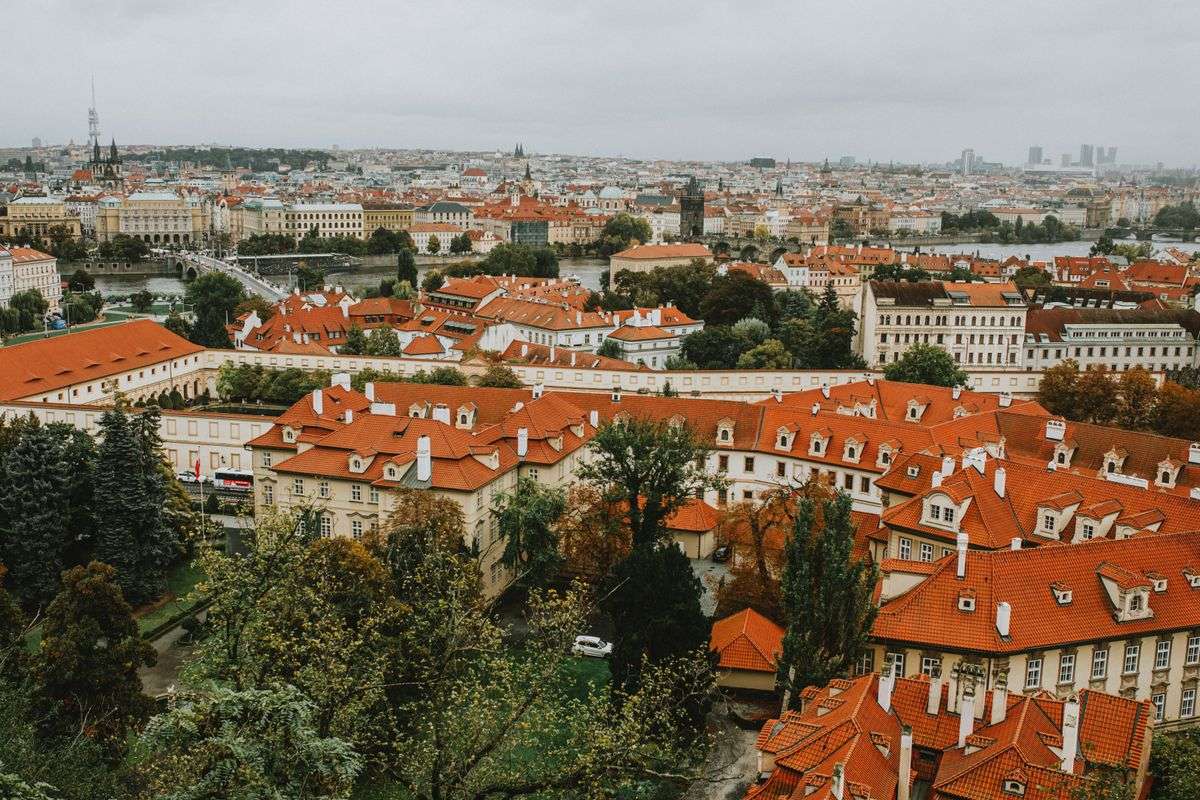
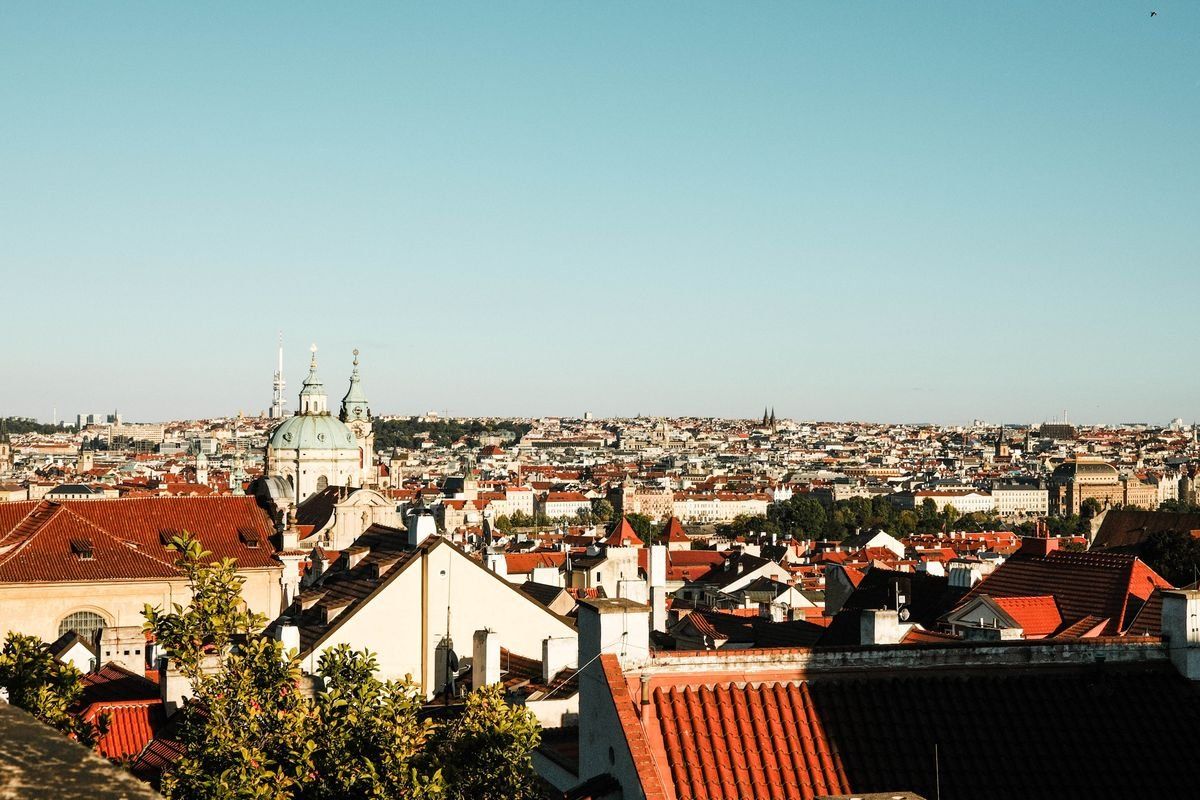
Buy tickets in advance if you want to enter the main interiors. Even if you skip some paid sections, the castle grounds alone are worth the climb. The views over the red rooftops are glorious, and the whole setting makes it very easy to develop sudden opinions about medieval architecture.
Malá Strana and John Lennon Wall
Malá Strana offers a softer, more atmospheric side of Prague, with elegant facades, quiet lanes, and a more lived-in feel than the busiest central areas. It is ideal for strolling without a fixed agenda, which is often when Prague is at its best.
Stop by the John Lennon Wall, then continue to Wallenstein Garden or St. Nicholas Church. This part of the city is perfect for long coffee breaks, slow lunches, and pretending you are the kind of person who always chooses the scenic route. Even if you are not, Prague forgives you.
The Jewish Quarter
Josefov, Prague’s Jewish Quarter, adds historical depth to any itinerary. It is one of the most significant heritage areas in the city, with synagogues, memorial sites, and the moving Old Jewish Cemetery. A visit here gives important context that balances the city’s beauty with its more complex past.
If you enjoy history, consider a guided walk. The stories behind the buildings matter as much as the buildings themselves, and this is one area where background really enriches the experience.
Hidden gems in Prague worth adding to your trip
Once you have covered the main landmarks, Prague rewards curiosity with quieter viewpoints, unusual architecture, and neighborhoods that many visitors miss. These places are not secret in the strict sense, but they feel refreshingly less crowded and often become trip highlights.
Vyšehrad
Vyšehrad is a historic fort complex south of the center with broad views over the Vltava River, peaceful gardens, and a calmer atmosphere than Prague Castle. It is one of the best alternatives if you want history without constant crowd navigation.
The cemetery, basilica, and ramparts create a slower rhythm that contrasts nicely with the tourist-heavy center. It is the sort of place where Prague exhales a little, and you probably will too.
Petřín Hill
Petřín Hill is one of Prague’s best green escapes and a strong option for panoramic views. You can walk up, take the funicular, and combine it with nearby sights in Malá Strana or the castle area.
At the top, you get gardens, open spaces, and the Petřín Lookout Tower. It is especially nice if you want a break from churches, queues, and intense sightseeing energy. Also, climbing a hill technically counts as wellness, which means that extra beer later is practically medicinal.
Dancing House and New Town details
The Dancing House shows Prague’s more modern, playful side and works well as part of a walk through New Town. It is not the city’s biggest sight, but it adds contrast to all the Gothic and Baroque grandeur.
Nearby, you can explore the embankment, cafés, and broader boulevards around Wenceslas Square. This area feels more contemporary and less polished, which is exactly why it deserves a place in your route.
Is Prague walkable and how many days do you need?
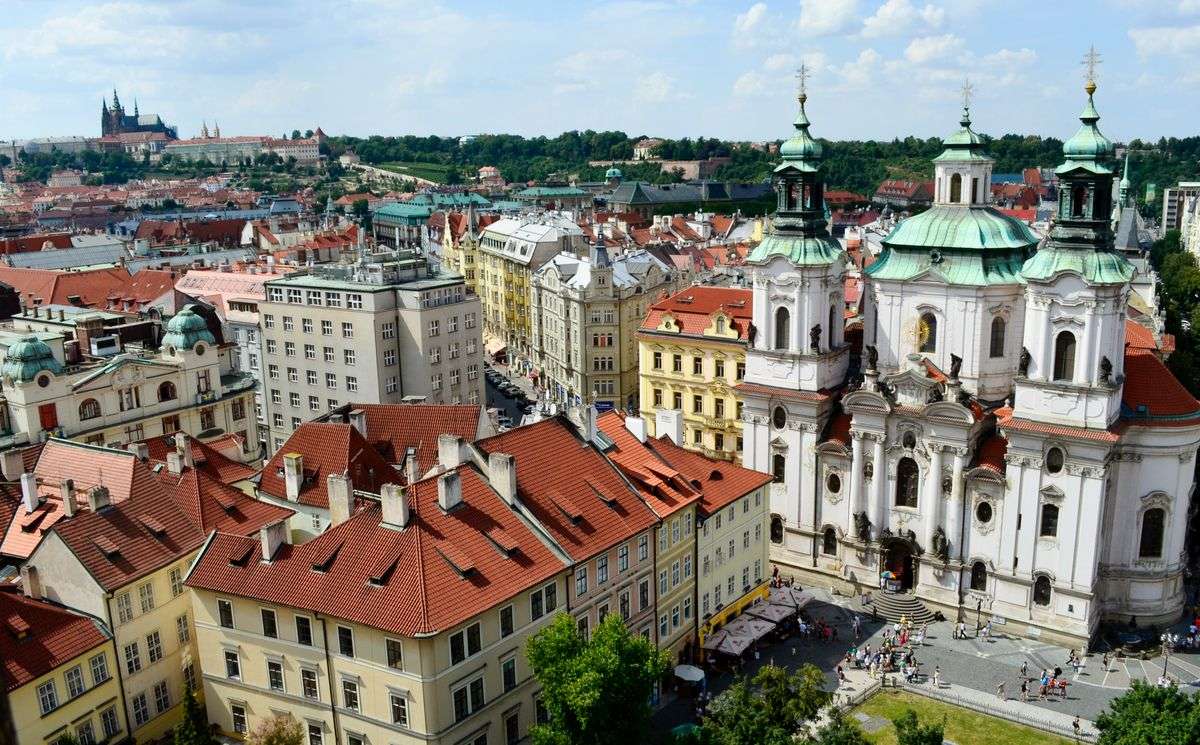
Prague is highly walkable, especially across the historic center and the neighborhoods around the river. Most major attractions sit within manageable walking distance, though cobblestones and hills mean comfortable shoes are not optional. They are a survival strategy disguised as footwear.
Two days are enough to see the headline sights, but three days in Prague make for a much better experience. That extra time lets you visit the castle properly, explore a quieter district, take longer meal breaks, and enjoy the city after dark instead of just collapsing in your hotel with heroic step counts.
A practical 3-day Prague itinerary
This three-day plan balances famous landmarks with local atmosphere and a few less obvious stops. It is designed for first-time visitors who want a complete overview without turning the trip into an endurance event.
Day 1: Old Town, Josefov and Charles Bridge
Start in the historic center to get your bearings and cover the essential sights. This first day gives you Prague’s postcard side while leaving enough space for a relaxed pace and evening views by the river.
- Visit Old Town Square and see the Astronomical Clock
- Walk through the lanes around the square
- Explore Josefov and its historic sites
- Cross Charles Bridge in the late afternoon
- Dine in Malá Strana or along the river
For a sweet start, you will spot plenty of stalls selling trdelník. It is touristy, yes, but still fun once. Think of it as breakfast with a mild identity crisis.
Day 2: Prague Castle, Malá Strana and Petřín Hill
This day focuses on Prague’s royal and panoramic side. Start early to beat some of the crowds, then spend the afternoon exploring the elegant streets below the castle and finishing with a green escape above the city.
- Arrive early at Prague Castle
- Visit St. Vitus Cathedral and the main castle circuit
- Lunch in Malá Strana
- See the John Lennon Wall and nearby gardens
- Head up to Petřín Hill for sunset views
Day 3: New Town, Vyšehrad and a slower finale
The final day works best when it slows the pace and shows a broader version of the city. You will move away from the main tourist flow and discover places that feel more local, spacious, and relaxed.
- Walk around Wenceslas Square and the Dancing House
- Have lunch in a traditional Czech pub
- Visit Vyšehrad for views and a quieter atmosphere
- End the trip with a riverside walk or evening cruise
The WeRoad tip
Plan one evening around Prague’s softer, more atmospheric side
If you want one of those evenings that feels suspiciously cinematic, save it for the river. Start with a walk past the Dancing House, then make your way toward the water for a sunset cruise on the Vltava. Seeing the skyline from the river gives Prague a completely different rhythm: castles, bridges and domes all lined up as if the city were trying a bit too hard to impress you. Spoiler: it works.
After the cruise, skip the generic tourist dinner and head to a traditional pub for a proper Czech meal with a welcome craft beer. This is the right moment for hearty dishes, candlelit interiors and the type of conversation that starts with “just one drink” and ends three hours later. If beer culture is your thing, a Pilsner tasting experience is also a fun add-on during your stay. And if you are traveling with kids, or simply want a very different break from church towers and cobblestones, Aquapalace Praha makes a surprisingly good half-day detour with slides, pools and saunas.
Food, beer and practical costs
Prague is generally affordable by Western European standards, especially when it comes to beer and hearty local food. Costs vary by area, with the historic center being pricier than local neighborhoods, but it is still possible to eat well without destroying your budget.
- Beer: often around 50-80 CZK in traditional pubs, more in tourist-heavy spots
- Main dishes: usually 180-350 CZK depending on the venue
- Public transport: reliable and inexpensive for longer distances
- Walking: the easiest way to explore the center
Traditional dishes to try include goulash, svíčková, roast meats, dumplings, and fried cheese. Pair them with local lager and accept that your afternoon may become significantly less productive. That is not failure. That is cultural immersion.
If Prague has made its way onto your list, take a look at the WeRoad group trips to Prague and the Czech Republic to explore the city with an itinerary that mixes iconic sights, local atmosphere and the right amount of spontaneity.
FAQ
- What are the top attractions to visit in Prague?
-
The main highlights are Old Town Square, the Astronomical Clock, Charles Bridge, Prague Castle, St. Vitus Cathedral, Malá Strana and the Jewish Quarter. If you have extra time, add Vyšehrad and Petřín Hill.
- How much is a beer in Prague?
-
In a traditional pub, a beer usually costs around 50 to 80 CZK. In very touristy locations, prices can be higher. Prague is still known for offering excellent beer at reasonable prices compared with many other European capitals.
- Is Prague a walkable city?
-
Yes, Prague is highly walkable. The historic center, Charles Bridge, Malá Strana and even the castle area can be explored on foot. For longer distances, the tram and metro network is efficient and affordable.
- Is Prague enough for 2 days?
-
Two days are enough for the major sights, but the pace will be quite full. With three days, you can enjoy the city more comfortably, include hidden gems, and spend time in neighborhoods beyond the busiest central areas.
- What is the best area to stay in Prague for a first trip?
-
For a first visit, staying in Old Town, Josefov, or Malá Strana is the most convenient. These areas keep you close to the main attractions and make it easy to explore on foot.