In a nutshell
- Toronto is best experienced beyond its headline landmark, with neighborhoods like Kensington Market, West Queen West, Ossington, The Junction and Leslieville offering a more authentic sense of the city’s character, creativity and everyday life.
- The local food scene is one of Toronto’s biggest strengths: St. Lawrence Market is a must for classic bites, while areas such as Chinatown and Kensington Market are ideal for tasting the city’s multicultural identity through casual, memorable meals.
- Outdoor and cultural experiences create balance in any itinerary, from the Toronto Islands and waterfront trails to Scarborough Bluffs, plus major institutions like the Royal Ontario Museum and the Art Gallery of Ontario.
- Day trips add depth to a Toronto stay, especially Niagara Falls for dramatic scenery, Niagara-on-the-Lake for wineries and heritage charm, and Hamilton for a mix of urban exploration and nearby waterfalls.
- A smart 3-day plan should mix markets, neighborhoods and one excursion, avoiding an overly packed schedule and focusing instead on a few well-chosen districts, strong food stops and at least one change of pace outside downtown.
Toronto is one of those cities that doesn’t show all its cards at once. Sure, the skyline is famous and the big landmarks do their job, but the real charm lives at street level: in market stalls, mural-covered alleys, lakefront paths and neighborhoods that somehow feel both local and wonderfully global.
If you want a trip with more personality and less checkbox tourism, Toronto delivers. It’s a city where you can eat your way across continents in a single afternoon, hop between creative districts, and still squeeze in a day trip that feels like a complete change of scene. Not bad for one city, eh?
Why Toronto is worth exploring beyond downtown icons
Toronto reveals its best side when you move past the postcard spots and spend time in its neighborhoods. The city is diverse, easy to navigate and full of small experiences that add up: independent cafés, public markets, waterfront parks, street art and food scenes shaped by communities from around the world.
The beauty of Toronto is that it can feel polished and scruffy, historic and modern, all within the same block. One minute you’re in the shadow of glass towers, the next you’re wandering through Victorian brick buildings or ducking into a bakery that smells like your plans for the day are officially over.
Neighborhoods that show Toronto’s personality
Toronto’s neighborhoods are the key to understanding the city. Each area has a distinct mood, and exploring them on foot or by streetcar gives you a better sense of local life than rushing from one major attraction to another.
Kensington Market and Chinatown
Kensington Market is one of the liveliest areas in central Toronto, known for vintage shops, global food, murals and a relaxed, creative atmosphere. Right next door, Chinatown adds another layer with casual restaurants, bakeries, grocery stores and some of the city’s most affordable meals.
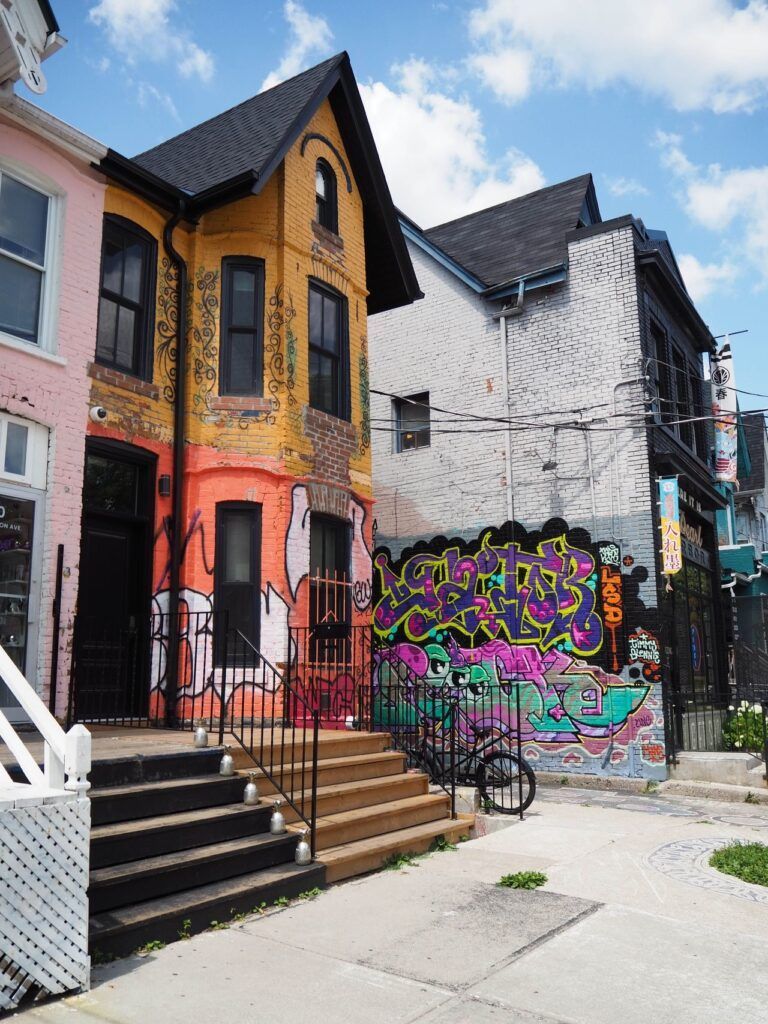
This is the kind of place where your plan can happily fall apart. You come for a quick walk, then somehow end up with dumplings, a second coffee, hot sauce you didn’t need, and three photos of a wall you’re convinced is now your personality.
Distillery District
The Distillery District is one of the most atmospheric places in Toronto, with restored Victorian industrial buildings turned into galleries, boutiques, cafés and restaurants. It’s pedestrian-friendly, visually striking and especially enjoyable if you like architecture with a side of espresso.
Come here for a slower pace. The cobbled lanes and red-brick facades make it feel almost cinematic, as if everyone around you is starring in an indie film about ceramics, natural wine and emotional growth.
West Queen West and Ossington
West Queen West and nearby Ossington are great for design shops, bars, art spaces and contemporary food spots. These districts are ideal if you want a Toronto experience that feels current, creative and a little less obvious.
If Toronto had a wardrobe, this area would be the cool jacket. Expect interesting storefronts, low-key galleries and restaurants where the menu sounds mysterious but turns out to be excellent. Even your snack choices feel more cultured here.
The Junction and Leslieville
For a more residential and local feel, The Junction and Leslieville offer independent cafés, brunch spots, bookstores and a slower rhythm. They’re less touristy but rewarding for travelers who enjoy wandering without a strict agenda.
These are the neighborhoods for anyone who likes discovering a city by accident. You stroll, you browse, you justify another pastry because technically you are doing cultural research.
Food experiences you shouldn’t miss
Toronto’s food scene is one of its strongest reasons to visit. The city’s multicultural identity is reflected in what and where people eat, from market classics to regional cuisines that are difficult to find in one place elsewhere in North America.
St. Lawrence Market
St. Lawrence Market is a historic food hall where you can sample local specialties, baked goods, cheese, produce and prepared dishes. It’s a practical stop for lunch and a good introduction to the city’s culinary range.

Start hungry. This is not the place for restraint, noble intentions or “just a little bite.” Try a peameal bacon sandwich, browse the stalls and accept that you may leave carrying snacks for later that mysteriously disappear in ten minutes.
Global dining across the city
Toronto is one of the world’s most multicultural cities, and its restaurants reflect that with remarkable depth. You can try dim sum, Tibetan momos, Caribbean dishes, Ethiopian cuisine, Korean barbecue or Portuguese pastries without spending your whole trip in transit.
The trick is not trying to “cover” everything. That way lies delicious chaos. Pick one area, follow the busiest spots, and trust your nose. In Toronto, your next memorable meal is usually about three doors away.
Brunch, coffee and casual favorites
Toronto is also excellent for brunch and specialty coffee. Areas like Ossington, Queen West, The Junction and Leslieville are packed with local cafés and casual restaurants that make easy stops between neighborhoods.
- Best for brunch: Leslieville, The Junction, Queen West
- Best for coffee hopping: Ossington, Kensington Market, West Queen West
- Best for quick bites: Chinatown, St. Lawrence Market, Kensington Market
Outdoor and cultural activities around the city
Toronto balances urban energy with access to the waterfront, green spaces and cultural institutions. This makes it easy to mix museums, neighborhood walks and outdoor time without overplanning every hour of your trip.
Toronto Islands and the waterfront
The Toronto Islands offer a calmer perspective on the city, with beaches, walking paths, bike routes and one of the best skyline views. The waterfront itself is also worth time, especially around Harbourfront and the lakeside trails.
If downtown feels busy, the islands are the reset button. A short ferry ride later, you’re pedaling past greenery, eyeing the skyline from a distance and briefly considering becoming the sort of person who says things like “I just need water nearby.”
Scarborough Bluffs
Scarborough Bluffs provide one of the most scenic natural settings in Toronto. The cliffs overlooking Lake Ontario feel far removed from the city center and are especially good for a half-day outing with walks, viewpoints and beach access.
This is Toronto flexing unexpectedly. Just when you think you’ve figured the city out, it casually produces dramatic cliffs and soft lake views like it’s no big deal.
Museums, galleries and live events
For culture, consider the Royal Ontario Museum, the Art Gallery of Ontario or a performance in the entertainment district. If your timing works, film, music and seasonal festivals can add another dimension to your stay.
Toronto is good at letting high culture and everyday life share the same sidewalk. You can spend the afternoon with classic art and the evening at a basketball game, which is honestly a very respectable range.
Best day trips from Toronto
Toronto works well as a base for short excursions. Within a couple of hours, you can reach waterfalls, wineries, small historic towns and nature areas that offer a different pace from the city.
Niagara Falls
Niagara Falls is the most popular day trip from Toronto and still worth considering, especially if it’s your first time in Ontario. The falls are impressive year-round, and boat tours bring you close enough to fully understand the concept of mist with attitude.

If you go, pair the falls with nearby stops so the day feels fuller and less rushed. The spectacle is real, but the surrounding region adds balance.
Niagara-on-the-Lake
Niagara-on-the-Lake is a charming town known for its heritage architecture, wineries and slower atmosphere. It pairs well with Niagara Falls if you want scenery and a more relaxed stop on the same day.
Think tidy streets, old buildings and the kind of place where you suddenly start saying “quaint” without irony. It’s lovely, and yes, you may be tempted by wine before noon.
Hamilton and its waterfalls
Hamilton is a smart option for travelers interested in urban renewal, cafés and nearby hiking trails. The region is also known for its waterfalls, making it a good pick for those who want a nature-focused day beyond Toronto.
A simple 3-day Toronto plan
Three days in Toronto are enough to combine central highlights, neighborhood exploring and one day trip. The best approach is to balance city walks, good food and one excursion rather than trying to fit every district into a packed schedule.
| Day | Focus | Suggested plan |
|---|---|---|
| Day 1 | Central Toronto | St. Lawrence Market, Distillery District, waterfront walk, evening in Queen West |
| Day 2 | Neighborhoods | Kensington Market, Chinatown, AGO or ROM, Ossington for dinner |
| Day 3 | Day trip | Niagara Falls and Niagara-on-the-Lake, or Toronto Islands and Scarborough Bluffs |
The WeRoad tip
Pair big views with clever city escapes
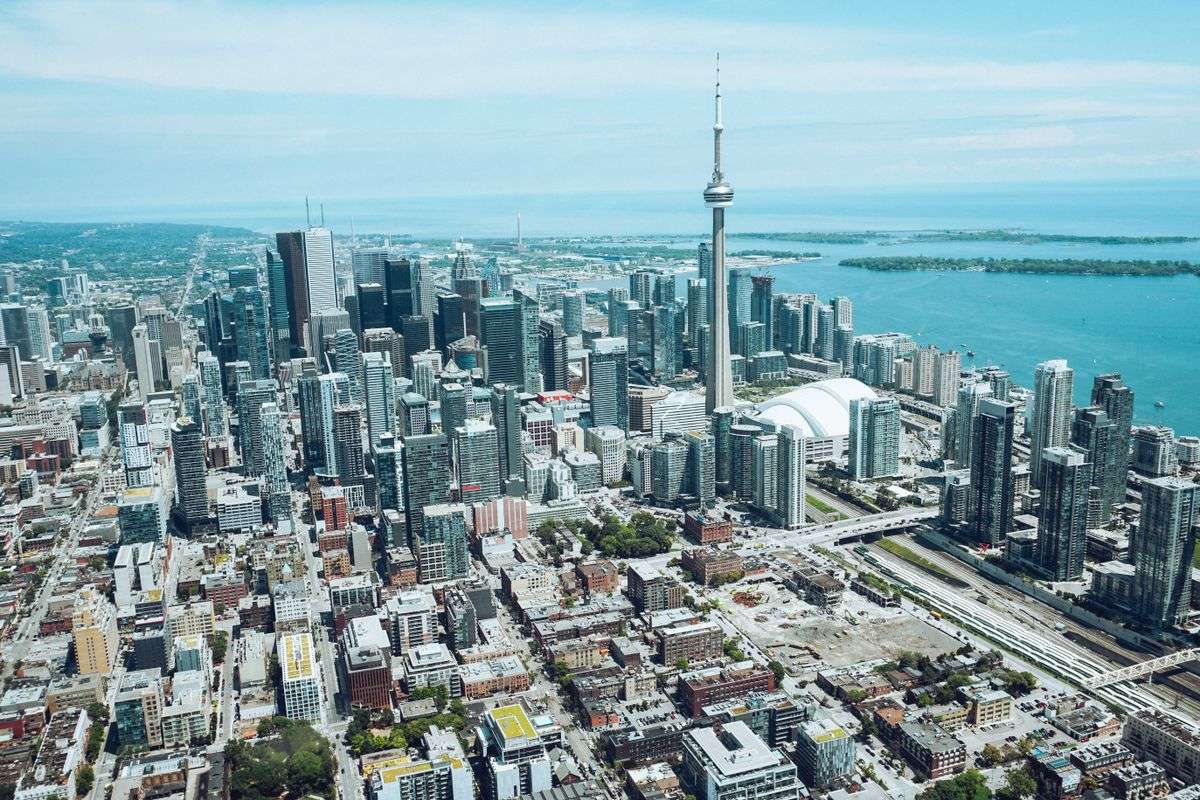
Toronto is at its best when you combine its blockbuster moments with the little practical tricks that make the city feel easy. Start with the classic panorama from the CN Tower: even if your trip is focused on neighborhoods and food, that sweeping view over downtown and Lake Ontario helps you understand the city’s scale in one glance. Then, if the weather turns moody, do what locals do and dip into the PATH, the underground network of more than 30 km of walkways linking shops, stations and office towers. It’s part survival tool, part urban curiosity, and surprisingly useful in winter or on rainy days.
For your day trip, lean fully into the drama at Niagara Falls. If you take the boat to the base of the falls, you’ll get close to Horseshoe, American and Bridal Veil Falls and very likely get sprayed in the process. Elegant? Not especially. Memorable? Absolutely. Bring a light waterproof layer, protect your phone, and accept that a slightly windswept look is a fair price for one of Ontario’s most exhilarating experiences.
What not to miss while visiting Toronto
The most rewarding Toronto itinerary combines neighborhoods, food and at least one outdoor or cultural experience. Rather than focusing only on the skyline, include local districts, a market, lakeside time and a day trip if your schedule allows.
In practice, that means a mix like this:
- Explore Kensington Market and Chinatown
- Eat at St. Lawrence Market
- Spend time in the Distillery District
- See the waterfront or visit the Toronto Islands
- Take a day trip to Niagara Falls or Niagara-on-the-Lake
Toronto may not shout for attention in the same way as some other big cities, but that’s exactly why it grows on you. Give it a little time, roam beyond the obvious, and the city starts to feel less like a checklist and more like a place you’d genuinely want to come back to.
If you want to discover Canada with people who love exploring cities through food, neighborhoods and shared experiences, take a look at WeRoad group trips for this destination.
FAQ
- What is the top attraction in Toronto?
-
For many visitors, the most iconic attraction is the CN Tower. However, Toronto’s appeal goes well beyond one landmark, and many travelers end up remembering neighborhoods, food and waterfront experiences even more.
- What should I absolutely not miss in Toronto?
-
You shouldn’t miss Kensington Market, St. Lawrence Market, the Distillery District and some time by Lake Ontario. These experiences show different sides of the city and create a more complete visit.
- What are some cool activities in Toronto besides major landmarks?
-
Walk through creative neighborhoods, eat across different cultures, take the ferry to the Toronto Islands, see street art, browse local markets and catch a live event or sports game in the evening.
- How many days do you need in Toronto?
-
Three days is a good minimum for first-time visitors. That gives you enough time for central areas, a few neighborhoods, great food stops and either a day trip or more time outdoors.
- Is Niagara Falls worth doing as a day trip from Toronto?
-
Yes, especially on a first visit. It’s easy to organize and pairs well with Niagara-on-the-Lake if you want to add wineries, heritage streets and a more relaxed stop after seeing the falls.