In a nutshell
- UNESCO World Heritage recognition identifies cultural, natural, or mixed sites with outstanding universal value, protected under an international framework created to preserve humanity’s most important places.
- Top destinations worth seeing include Machu Picchu, Petra, Angkor, the Galápagos Islands, the Acropolis, and Serengeti National Park, each offering a different blend of history, biodiversity, architecture, and scenery.
- Choosing the right site depends on your travel style: some places suit trekking and adventure, others work better for city breaks, temple-hopping, wildlife safaris, or in-depth cultural itineraries.
- Responsible travel is essential because heavy tourism can damage fragile ruins and ecosystems, so visitors should follow site rules, book carefully, support local guides, and reduce environmental impact.
- Good planning improves the experience by aligning season, timing, permits, and trip pace, especially for destinations with limited access, conservation restrictions, or large areas that deserve more than a quick visit.
Some places don’t just look beautiful in photos: they feel important the moment you arrive. They carry stories, symbols, and landscapes that matter far beyond one country’s borders. That is the magic of the world’s most celebrated heritage sites, where culture, history, and nature all show off a little.
From ancient cities carved into rock to national parks packed with jaw-dropping wildlife, these protected places offer more than a checklist moment. They help explain who we are, where we came from, and why certain corners of the planet deserve every bit of care they can get.
What a World Heritage site means
A World Heritage site is a place recognized by UNESCO for its outstanding value to humanity. It can be cultural, natural, or mixed, and it must meet strict criteria related to history, beauty, science, or human creativity. In short: not just pretty, but globally significant.
UNESCO stands for the United Nations Educational, Scientific and Cultural Organization. Since the World Heritage Convention was adopted in 1972, countries have nominated landmarks, cities, ecosystems, and archaeological treasures for inscription on the World Heritage List. The first sites were added in 1978, and today the list includes more than a thousand properties across the globe.
Why does this matter for travelers? Because these places often represent the best of the best: the architecture that changed civilizations, the landscapes that shaped ecosystems, and the sites that still make people stop mid-sentence and whisper, “Okay, wow.”
Why these heritage sites deserve a spot on your travel list
The best-known heritage places combine visual impact with deep meaning. They are memorable not only because they are famous, but because they reveal something essential about a region’s identity, environment, or past. Visiting them adds depth to a trip and turns sightseeing into understanding.
Of course, yes, they are also spectacular. Some are the kind of places that make you dramatically clutch your camera. Others sneak up on you more quietly, with details that reward slow travel: a carved stone doorway, a sacred forest trail, a skyline untouched for centuries.
Here are some of the most iconic sites worth seeing at least once in your life.
Must-see World Heritage sites around the world
These destinations stand out for their cultural weight, natural beauty, and ability to leave a lasting impression. They are spread across continents and offer very different travel experiences, from archaeological adventures to wildlife encounters. If you want a strong starting point, begin here.
Machu Picchu, Peru
Machu Picchu is one of the most iconic archaeological sites on Earth. Set high in the Andes, this former Inca citadel combines extraordinary engineering, spiritual significance, and a dramatic mountain setting. It is both a cultural masterpiece and a place that feels almost unreal in person.
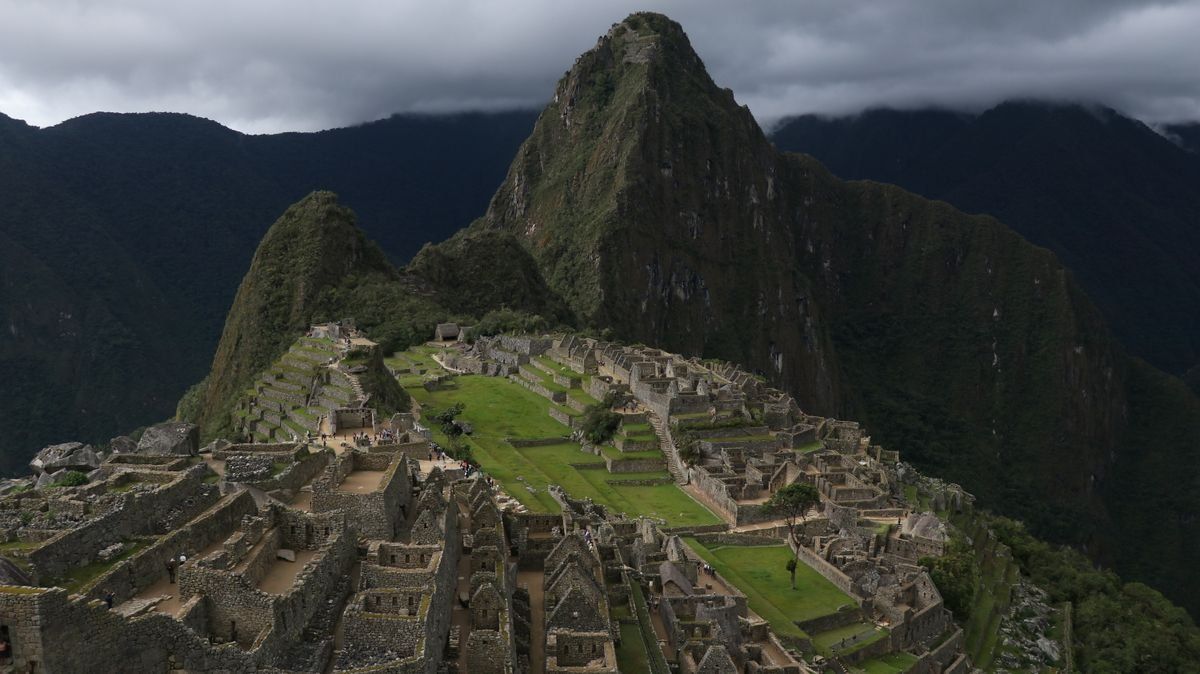
You can arrive by train, hike part of the Inca Trail, or go full main-character mode and earn the view step by step. Either way, the reward is enormous: terraces suspended in mist, stone structures aligned with the landscape, and a sense that the Incas really understood how to pick a scenic address.
Petra, Jordan
Petra is famous for its rock-cut monuments and desert setting. Once a thriving Nabataean city, it reveals a remarkable blend of trade history, engineering, and artistry. Its carved facades, narrow canyons, and hidden tombs make it one of the most atmospheric historic sites in the world.
The walk through the Siq builds suspense beautifully, and then the Treasury appears like it knows it is the star of the show. Spoiler: it is. But don’t stop there. The wider site is massive, and climbing to the Monastery is sweaty, noble, and absolutely worth it.
Angkor, Cambodia
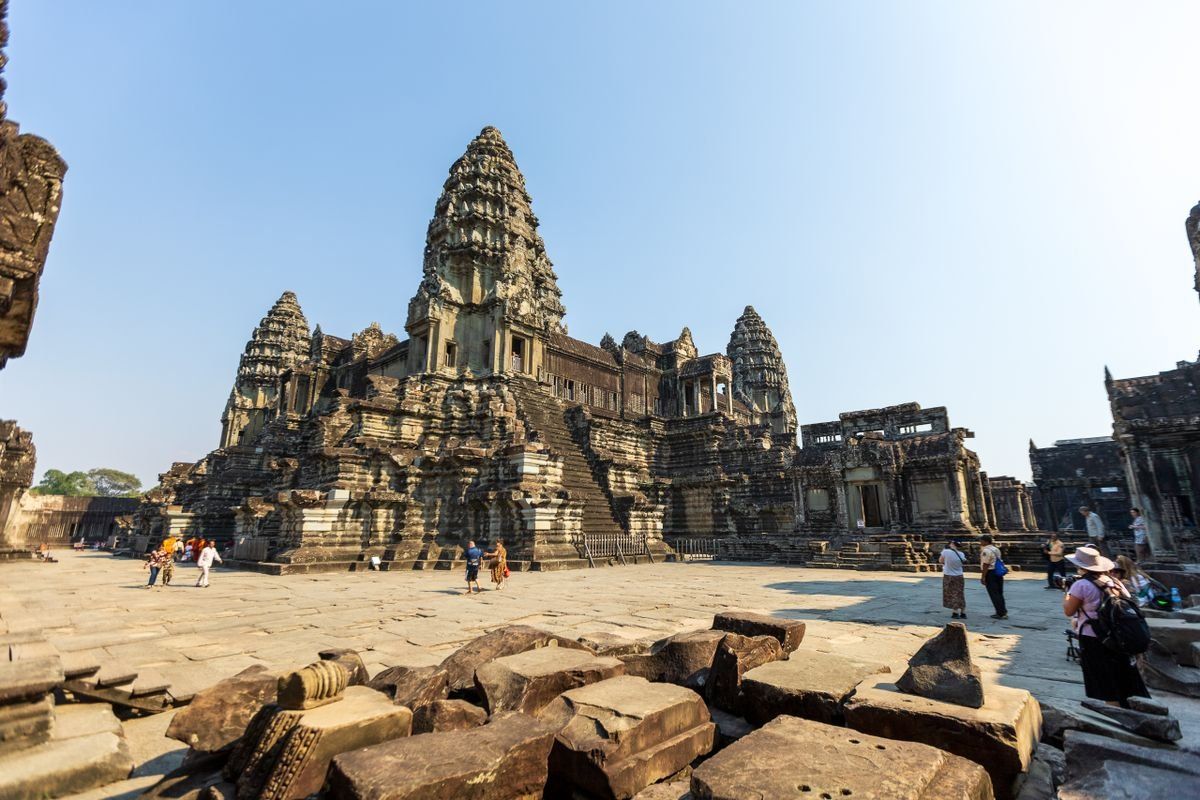
Angkor preserves the monumental remains of the Khmer Empire and includes some of Southeast Asia’s most impressive temples. It reflects advanced urban planning, religious symbolism, and artistic skill. The scale of the complex makes it one of the most important cultural landscapes in Asia.
Angkor Wat gets most of the fame, and fair enough, it is magnificent. But the real fun begins when you explore beyond the headline act: tree-wrapped ruins, intricate bas-reliefs, and temple corridors that seem designed specifically for dramatic slow walks.
The Galápagos Islands, Ecuador
The Galápagos Islands are celebrated for their biodiversity and their role in the development of evolutionary science. This natural heritage site protects unique wildlife and marine ecosystems found nowhere else. It is one of the planet’s most extraordinary destinations for nature-focused travel.
This is the kind of place where animals behave as if humans are mildly interesting background furniture. Giant tortoises, blue-footed boobies, marine iguanas: the cast is elite. If your dream trip involves wildlife with zero respect for personal space, you’ll be thrilled.
The Acropolis, Greece
The Acropolis of Athens symbolizes the artistic and political legacy of classical Greece. Its monuments, especially the Parthenon, represent major achievements in architecture and philosophy. Visiting it offers a direct connection to ideas that still influence public life, art, and design today.
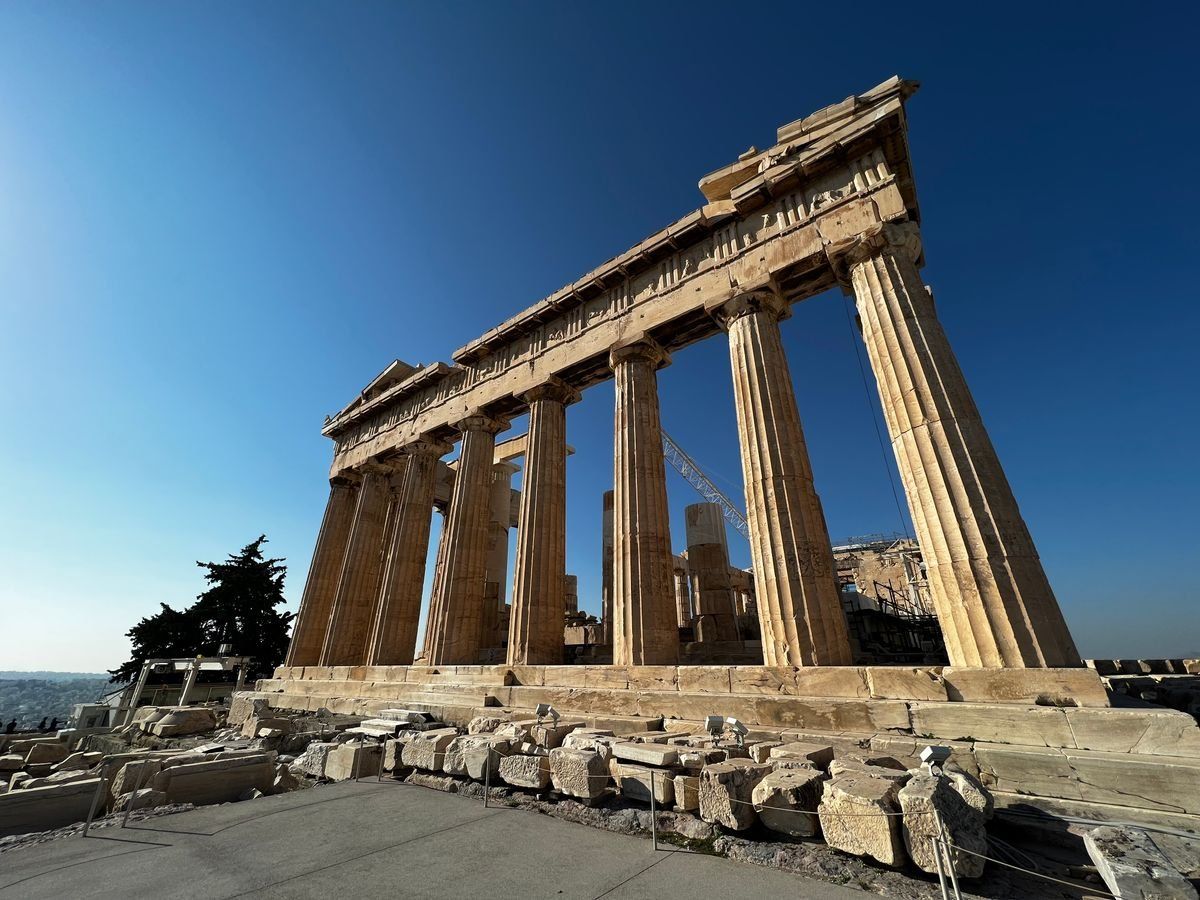
Yes, it is famous. Yes, it can be busy. And yes, it still absolutely delivers. Standing above Athens with the city stretching around you is a powerful reminder that some places earned their reputation the old-fashioned way: by being astonishing for thousands of years.
Serengeti National Park, Tanzania
Serengeti National Park is one of the world’s great natural heritage sites. Known for its vast plains and the Great Migration, it protects an exceptional ecosystem shaped by predator-prey dynamics, seasonal movement, and rich biodiversity. It is a benchmark destination for wildlife travel.
If your ideal alarm clock is a sunrise over the savannah rather than a phone buzz, this one is for you. The Serengeti is pure safari drama: lions in the grass, elephants on the move, and landscapes so cinematic they barely seem real.
How to compare iconic heritage destinations
Choosing where to go depends on the kind of experience you want. Some sites are best for history lovers, others for trekking, wildlife, or architecture. Comparing them side by side helps narrow down the best fit for your travel style and available time.
| Site | Country | Type | Best for | Ideal trip style |
|---|---|---|---|---|
| Machu Picchu | Peru | Mixed cultural landscape | Hiking, archaeology, scenery | Adventure trip |
| Petra | Jordan | Cultural | History, desert landscapes | Road trip or cultural tour |
| Angkor | Cambodia | Cultural | Temples, photography, heritage | Multi-day base in Siem Reap |
| Galápagos Islands | Ecuador | Natural | Wildlife, marine life, science | Nature expedition |
| Acropolis | Greece | Cultural | Ancient history, city breaks | Short cultural getaway |
| Serengeti | Tanzania | Natural | Safari, biodiversity, landscapes | Wildlife-focused journey |
How to visit responsibly
Responsible travel matters especially at heritage sites because popularity can put pressure on fragile environments and historic structures. Good visitor habits help protect these places while supporting local communities. Small choices make a real difference when millions of travelers are involved.
Keep these principles in mind:
- Book timed entries when available to reduce crowding and plan a smoother visit.
- Respect site rules, including marked paths, no-climb areas, and photography restrictions.
- Choose local guides for context, community impact, and a much richer experience.
- Avoid peak times when possible, especially at fragile archaeological sites.
- Leave no trace in natural areas, including marine reserves and national parks.
A simple rule works surprisingly well: act like the place is priceless, because it is. Not every monument enjoys being treated like a gym, and not every natural wonder wants your snack wrapper as a souvenir.
Planning a trip around the world’s most famous heritage places
The smartest way to plan is to match the site with the right season, trip length, and travel pace. Some destinations work well as part of a broader itinerary, while others deserve to be the central focus of the journey. Logistics can shape the experience significantly.
A few practical tips can save time and improve your trip:
- Check weather patterns before booking, especially for high-altitude, desert, or safari destinations.
- Reserve early for places with visitor caps, such as Machu Picchu and popular Galápagos departures.
- Allow enough time to explore beyond the headline view or main monument.
- Read current conservation rules, since access routes and limits can change.
- Travel with a group if you want smoother logistics and shared experiences.
The best heritage trips are rarely rushed. Give yourself time to look up, wander a little, and have at least one moment where you forget to take a photo because you are too busy staring.
More than landmarks, they are shared heritage
These sites matter because they preserve stories, ecosystems, and achievements that belong to all humanity. Visiting them is not only about seeing famous places in person, but about understanding why they have been protected and why their future depends on responsible travel.
From the Andes to the Aegean, from desert canyons to wild savannahs, the world’s most extraordinary heritage places remind us how creative, resilient, and wildly ambitious humans can be. Also, nature clearly enjoys showing off.
If one of these destinations has made it onto your bucket list, take a look at WeRoad group trips and discover a more social, well-planned way to experience unforgettable places around the world.
FAQ
- What does UNESCO World Heritage Site stand for?
-
It refers to a site recognized by UNESCO, the United Nations Educational, Scientific and Cultural Organization, for its outstanding cultural or natural value to humanity.
- What were the first World Heritage sites inscribed?
-
The first inscriptions were made in 1978. They included places such as the Galápagos Islands, Mesa Verde, Nahanni National Park, L’Anse aux Meadows, and several others across different countries.
- What is the top World Heritage site to visit?
-
There is no official number-one site, because the best choice depends on your interests. For archaeology, many travelers choose Machu Picchu or Petra; for nature, the Galápagos Islands and Serengeti are standout picks.
- How many World Heritage sites are there?
-
The total changes over time as new places are added. Today, there are more than 1,000 recognized sites worldwide, spread across cultural, natural, and mixed categories.
- Can World Heritage status be removed?
-
Yes. In rare cases, a site can lose its status if the values that justified inscription are seriously damaged or no longer protected adequately.