In a nutshell
- November is one of the best months to visit Vietnam, especially if your itinerary focuses on the north and south, where weather is generally drier, sunnier, and more comfortable for travel.
- North Vietnam stands out for trekking, cultural trips, and scenic landscapes, with top choices including Hanoi, Sapa, Ha Giang, Ninh Binh, and Ha Long Bay.
- Central Vietnam is the least reliable region in November because of heavy rain, storms, and possible flooding, especially in places like Hoi An, Hue, Da Nang, and Nha Trang.
- South Vietnam is a strong option for city breaks, Mekong Delta experiences, and beach stays, with Ho Chi Minh City and Phu Quoc among the best destinations.
- Packing smart and booking ahead are essential, since November marks the start of a busier travel period and conditions can still vary a lot between regions.
November is one of those months when Vietnam starts looking very tempting indeed. The north turns cooler and drier, the south welcomes sunnier days, and the center… well, let’s just say it may still be in a dramatic relationship with the rain. If you’re planning a trip, this is a great time to build an itinerary around the country’s regional climate rather than trying to force a one-size-fits-all route.
The good news is that November in Vietnam can be fantastic for culture, trekking, city breaks, cruises, and beach time, depending on where you go. The trick is knowing which regions are at their best and which ones may require flexibility, waterproof shoes, and a bit of emotional resilience.
Is November a good time to visit Vietnam?
Yes, November is generally a very good month to visit Vietnam, especially for the north and the south. Weather conditions are often more comfortable than in previous months, with lower humidity, less rain in many areas, and pleasant temperatures for sightseeing, outdoor activities, and multi-stop itineraries.
This is when the country begins to feel much more travel-friendly for many visitors. In the north, dry skies and cooler air make cities and mountain areas especially enjoyable. In the south, the rainy season is easing off, which means beach escapes and urban exploration become much easier. Central Vietnam, however, can still be wet and occasionally stormy, so it’s best approached with caution.
In short: if you choose your route wisely, November can be one of the smartest times to explore Vietnam without melting into the pavement or getting caught in nonstop monsoon downpours. Always a nice bonus.
Weather in Vietnam in November by region
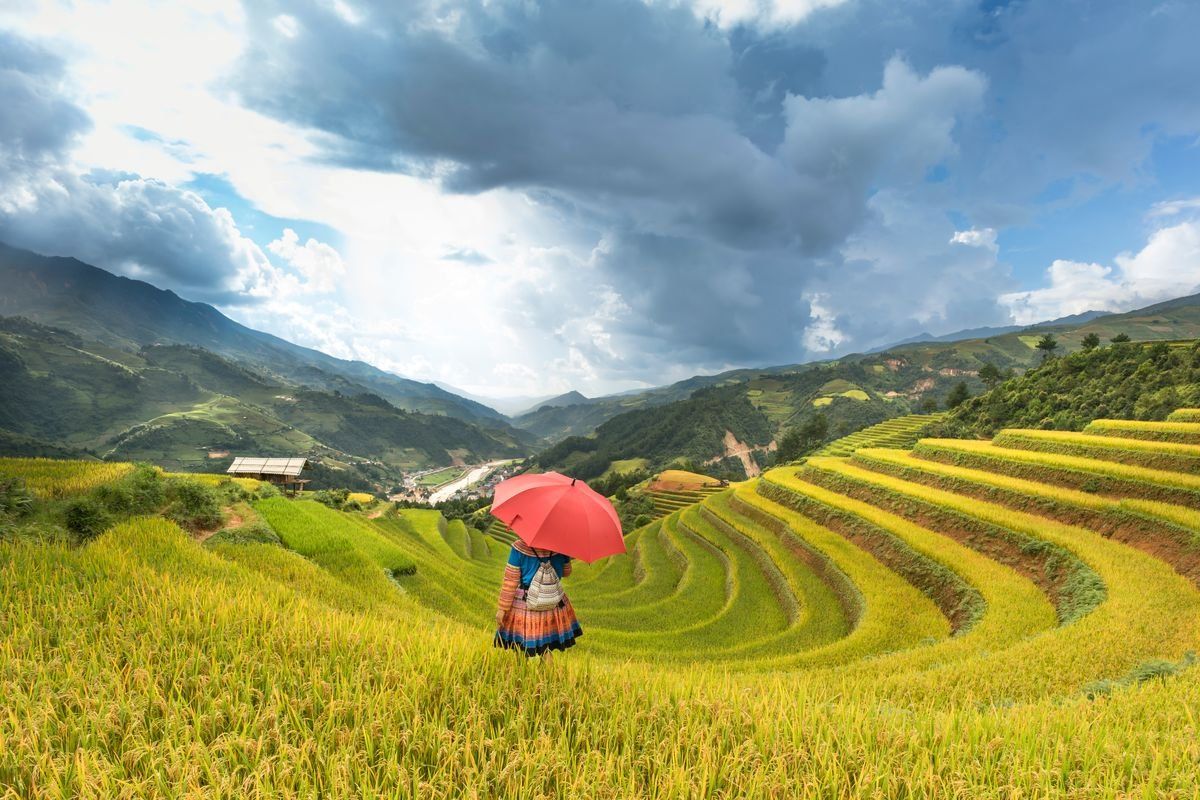
Vietnam has a long, narrow geography, so the weather varies significantly from north to south. In November, this contrast becomes very clear. Understanding the regional differences is the key to planning a smoother trip and avoiding surprises that involve soaked socks and cancelled boat rides.
| Region | Weather in November | Temperatures | Travel verdict |
|---|---|---|---|
| North Vietnam | Dry, cool, often sunny | About 17°C to 25°C | Excellent |
| Central Vietnam | Rainy, unstable, possible flooding | About 22°C to 28°C | Mixed |
| South Vietnam | Sunny, warmer, lower humidity | About 27°C to 32°C | Excellent |
North Vietnam
November is one of the best months for northern Vietnam. The weather is usually dry and mild, with cooler evenings and clear conditions that work well for trekking, city walks, and scenic landscapes. This is an especially strong choice for travelers who want active days and comfortable temperatures.
Places like Hanoi, Sapa, Ha Giang, Ninh Binh, and Ha Long Bay are particularly appealing at this time. Days tend to be fresh rather than hot, and mountain areas can feel chilly in the early morning and after sunset, so layers are useful.
Central Vietnam
Central Vietnam is the least predictable region in November. Rain can be heavy, and some destinations may experience storms, flooding, or transport disruptions. While not impossible to visit, this part of the country often requires a more flexible itinerary and close monitoring of local forecasts.
Hoi An, Hue, and parts of the central coast may still be dealing with the tail end of the wet season. Inland areas such as the Central Highlands can perform better, but if your dream trip revolves around lantern-lit streets and beach weather, this may not be the ideal month for the central coast.
South Vietnam
Southern Vietnam usually starts to shine in November. Rainfall drops, humidity becomes more manageable, and conditions are favorable for city breaks, delta excursions, and island time. It is one of the best periods to include the south in a broader Vietnam itinerary.
Ho Chi Minh City, the Mekong Delta, and islands like Phu Quoc are strong options. Early November may still see occasional showers, but overall the region moves toward its dry season and becomes much easier to enjoy without constantly negotiating with the sky.
Where to go in Vietnam in November
The best places to visit in November are mostly in the north and south. These regions offer the most reliable weather, better visibility, and more comfortable conditions for sightseeing, trekking, cruising, and beach breaks. Your ideal destination depends on whether you prefer mountains, cities, water, or a mix of all three.
Hanoi
Hanoi is excellent in November thanks to cooler temperatures and lower humidity. This makes it much easier to walk around the Old Quarter, visit temples, sample street food, and enjoy the city’s lakes and boulevards without feeling like you’ve accidentally entered a steam room.
It’s a month that suits slow discovery: coffee stops, museum visits, market strolls, and evenings spent hunting down the perfect bowl of pho. A very serious mission, obviously.
Ha Giang and Sapa
Northern mountain regions are at their best in November. Dry weather and clear views create ideal conditions for trekking, scenic drives, and cultural encounters in ethnic minority villages. This is a great time for travelers who want landscapes, adventure, and fewer weather-related headaches.
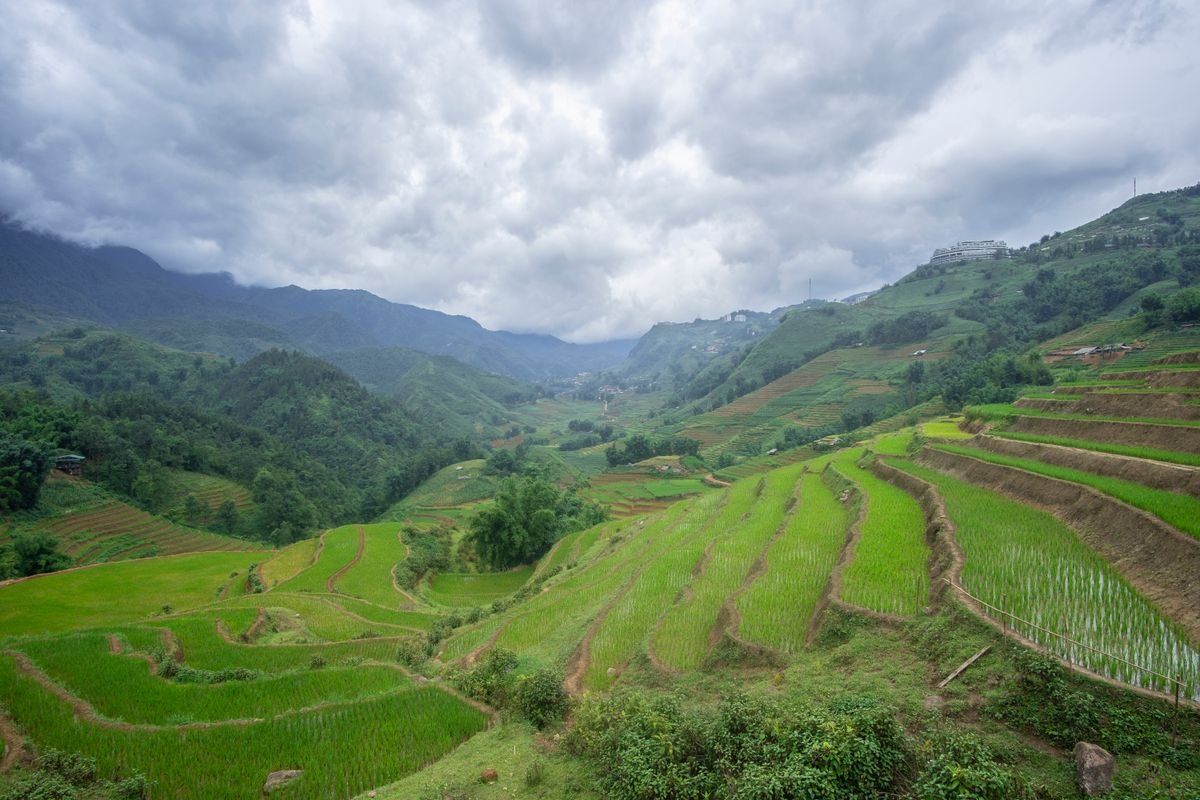
Ha Giang is famous for dramatic mountain roads and incredible panoramas, while Sapa offers terraced hills, trekking routes, and village stays. Just pack warm layers for evenings, unless your holiday goal is to discover how many sweaters can be worn at once.
Ninh Binh
Ninh Binh is a great choice in November because the weather is mild and typically dry. Boat rides, cycling routes, and temple visits are all more enjoyable in these conditions, and the scenery remains striking with limestone peaks rising over rivers and rice fields.
Highlights include Trang An, Tam Coc, and Hoa Lu. It’s ideal if you want a peaceful stop that feels cinematic without requiring a blockbuster budget.
Ha Long Bay
November is one of the best months to experience Ha Long Bay. Cooler air, calmer conditions, and clearer skies often improve visibility and make cruising more enjoyable. It’s a strong option for travelers who want a scenic break between cities or mountain areas.
An overnight junk boat cruise is especially worth considering if you want to fully enjoy the limestone karsts, early morning mist, and quieter moments once day-trippers leave. It’s one of those experiences that makes you feel suspiciously cinematic, even if you’re just standing on deck holding tea.
Ho Chi Minh City and the Mekong Delta
The south is very appealing in November, and this pairing works particularly well. Ho Chi Minh City offers energy, history, food, and nightlife, while the Mekong Delta brings river life, floating markets, and a slower rhythm that balances the urban buzz.
If you want variety, this is a smart combination. One day you’re dodging scooters and sipping rooftop cocktails, the next you’re gliding through canals wondering whether you should abandon everything and become a fruit trader. It happens.
Phu Quoc
Phu Quoc becomes increasingly attractive in November as drier weather returns. Beaches, resorts, seafood spots, and boat trips are easier to enjoy, especially later in the month when conditions are generally more stable.
If your idea of balance is equal parts adventure and doing absolutely nothing on a beach for several hours, Phu Quoc may be your moment.
Places to approach carefully in November
Some areas of Vietnam can still be challenging in November, particularly along the central coast. These destinations are not always off-limits, but they require flexibility, weather checks, and realistic expectations about rain, transport, and possible flooding.
- Hoi An: beautiful, but can be very rainy and prone to flooding.
- Hue: culturally rich, though wet conditions may affect sightseeing.
- Da Nang: possible storms and less reliable beach weather.
- Nha Trang: often rainy during this period.
If these places are on your must-see list, keep your plans adjustable. Romantic lantern photos lose a bit of sparkle when taken knee-deep in floodwater.
What to pack for a November trip to Vietnam
Packing for Vietnam in November depends on your route. Because regional weather differs so much, the best approach is to bring adaptable clothing and a few practical extras. Lightweight summer pieces may work in the south, but northern evenings and mountain areas can be surprisingly cool.
- Light layers for changing temperatures
- A light jacket or fleece for the north and mountain regions
- Breathable clothes for the south
- Comfortable walking shoes
- Rain jacket or compact umbrella, especially if visiting central areas
- Sunscreen, sunglasses, and a hat
- A small daypack for excursions and boat trips
If your itinerary covers multiple regions, you’ll want to pack for both sunshine and cooler evenings. Vietnam likes variety, and your suitcase should keep up.
Travel tips for Vietnam in November
November is a popular time to travel in Vietnam, so planning ahead can make a big difference. Good weather in the north and south attracts more visitors, which means the best stays, cruises, and internal transport options may book up earlier than expected.
- Book early for Ha Long Bay cruises, Phu Quoc stays, and major cities.
- Prioritize north and south if you want the most reliable conditions.
- Keep central Vietnam flexible in case of storms or flooding.
- Check local forecasts a few days before each move.
- Plan realistic distances, because Vietnam looks narrow on a map and then immediately humbles you.
Budget-wise, November is often cheaper than December while still offering strong travel conditions. That makes it a smart month for travelers who want good value without gambling too much on the weather.
The WeRoad tip
Add one night on a junk boat in Ha Long Bay
If you’re building a November itinerary through northern Vietnam, one of the smartest upgrades is to include an overnight junk boat cruise in Ha Long Bay. Day trips are nice, sure, but sleeping among the bay’s limestone karsts gives the place a completely different rhythm. You get the late afternoon light on the cliffs, a quieter atmosphere once many visitors leave, and the chance to wake up surrounded by misty water that looks almost unreal.
In November, the weather is often cooler and clearer, which makes time on deck much more enjoyable. You can pair the cruise perfectly with a few days in Hanoi and Ninh Binh, creating a northern route that feels balanced between city energy and natural scenery. Think street food and scooters first, silent bay views after. It’s a very fair trade. If you want one of those travel moments that feels both relaxing and memorable, this is absolutely one to keep on your list.
How to build a smart itinerary
The best November itineraries focus on regions with favorable weather and avoid trying to cover the whole country too rigidly. A north-only or north-plus-south route often works better than forcing a full coast-to-coast plan through areas that may still be wet.
Some itinerary ideas include:
- 7-10 days: Hanoi, Ninh Binh, Ha Long Bay, Sapa or Ha Giang
- 10-14 days: North Vietnam plus Ho Chi Minh City and the Mekong Delta
- 12-15 days: North Vietnam plus southern beaches such as Phu Quoc
If you want a trip with a little bit of everything, November is great for combining culture, nature, and beach time, as long as you let the weather guide the route instead of the other way around.
If Vietnam is calling your name this November, it might be time to discover the WeRoad group trips to Vietnam and enjoy the ride with fellow travelers who are just as ready for pho, karsts, scooters, and a little bit of chaos.
FAQ
- Is it worth going to Vietnam in November?
-
Yes, it is worth going in November, particularly if you focus on the north or south. The weather is often pleasant, humidity is lower, and many destinations are ideal for sightseeing, trekking, cruising, and beach time.
- Which part of Vietnam is best in November?
-
The north and south are usually the best parts of Vietnam in November. The north is great for mountains, cities, and Ha Long Bay, while the south works well for beaches, Ho Chi Minh City, and the Mekong Delta.
- Is $1000 enough for 2 weeks in Vietnam?
-
Yes, $1000 for two weeks can be enough for a budget trip in Vietnam, especially if you choose affordable accommodation, eat local food, use buses or trains, and avoid too many luxury experiences. Flights to and from Vietnam are not usually included in that estimate.
- Which month should be avoided in Vietnam?
-
There is no single month to avoid for the whole country, because Vietnam’s climate varies by region. However, months with heavy rain or storm risks can be less convenient depending on where you go. In central coastal areas, October and November are often the trickiest.
- What is the cheapest time to visit Vietnam?
-
The cheapest time is usually during the lower or shoulder seasons, often around May to September, depending on the region. Prices can be lower then, but weather may be hotter, wetter, or less predictable than in November.