Group tours to Sardinia
Pink granite and clear water, nuraghi over three thousand years old and cliffs above the Gulf of Orosei: in Sardinia you can go from a boat-only cove to a trail in the Supramonte. Our group tours to Sardinia take you there with fellow travelers who are up for sea, snorkeling and surfing.

Book with confidence
Book with $ 0
Lock in your spot and only pay once it's confirmed
Free changes
Switch dates or destination within 31 days, at no extra cost
Maximum Flexibility
With Flexible Cancellation, cancel up to 8 days before
Pay in installments
Spread the cost over time, interest-free
Group Trips to Sardinia
Granite islands, Catalan Alghero, the Gulf of Orosei and Cagliari's beaches
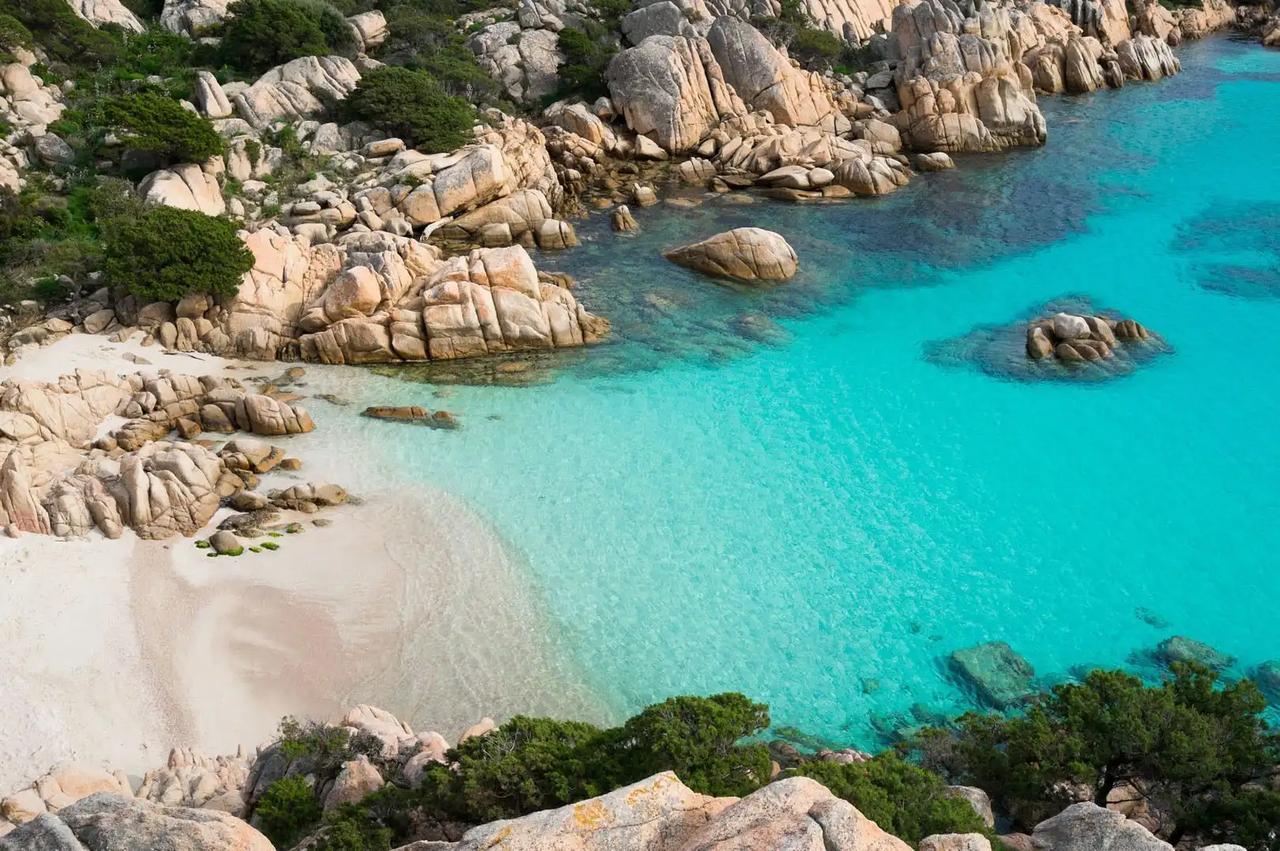
In the northeast, Palau is the gateway to the La Maddalena archipelago, a national park with seven main islands and coves like Cala Coticcio, while Budelli's pink beach can only be seen from the water. The Costa Smeralda has Capriccioli and Spiaggia del Principe, with San Teodoro and Budoni more laid-back.
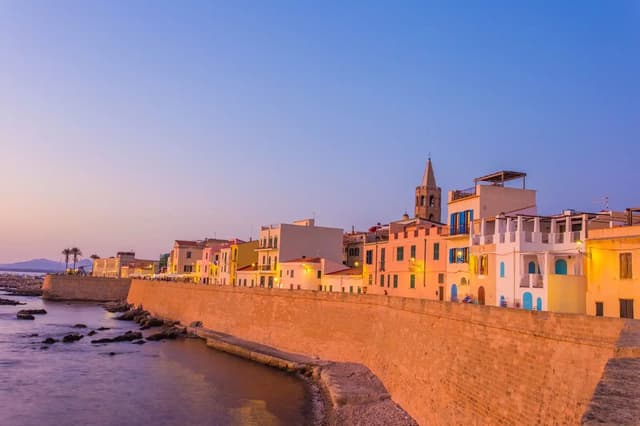
In the northwest, Alghero has seafront ramparts and a Catalan dialect, and leads to Capo Caccia and Neptune's Grotto. Stintino has the shallow water of La Pelosa, Castelsardo its woven baskets. On the east coast, the Gulf of Orosei is a limestone wall with coves like Cala Luna and Cala Goloritzé, best by boat, backed by the Supramonte and the Gorropu gorge.
In the south, Cagliari pairs the Castello district and sunset from the Saint Remy bastions with Poetto beach. To the east Villasimius and Costa Rei have white sand, to the west Chia mixes dunes and Spanish towers, and Molentargius has flamingos.
From the WeRoad blog


Sardinia travel tips
When to visit Sardinia
For the sea, the best months are June and September: warm water, long days and roomier beaches. July and August bring food festivals and village feasts, but also crowds and higher prices, especially in Gallura. May and October are ideal for mixing swimming with trekking in the Supramonte, and in spring and fall storms send waves onto the west coast for surfers. Keep an eye on the mistral, the northwest wind that can blow for days and sometimes changes boat plans, usually leaving clear skies.
Nuraghi, villages and archaeology
Sardinia has more than seven thousand nuraghi, Bronze Age stone towers: the most famous, Su Nuraxi in Barumini, is a UNESCO World Heritage Site. In Barbagia, Orgosolo has over 150 political murals and Mamoiada a museum of the Mamuthones masks. On the west coast, Bosa lines the Temo River with colorful houses, the Phoenician-Punic ruins of Tharros face the sea near the quartz beaches of Is Arutas, and farther south rise the Piscinas dunes. Carloforte, on San Pietro island, still lives off tuna fishing, and Nora has a Roman theater by the water.
Getting around
Sardinia is bigger than it looks: Olbia and Cagliari are about three hours apart on the SS131, the Carlo Felice. Fly into Cagliari, Olbia or Alghero, or take a ferry from Genoa, Livorno, Civitavecchia or Naples. Coastal roads are slow and many coves are reachable only by boat or on foot, so pick one area and enjoy it at an easy pace. Taking sand, shells or pebbles from the beaches is prohibited and can mean hefty fines.
Food and traditions
Inland cooking tells a shepherd story: pane carasau, culurgiones, pecorino and porceddu roasted over embers. On the coast, try mullet bottarga, fregola with clams and Catalan-style lobster, then seadas with honey and a glass of mirto, with Cannonau or Vermentino di Gallura. On May 1 the Sant'Efisio procession crosses Cagliari, Oristano's Sartiglia stages a masked horseback joust, and the shepherds' canto a tenore is on UNESCO's Intangible Heritage list.