In a nutshell
- Sardinian food has a distinct identity within Italy, shaped by the island’s geography, history, and mix of pastoral inland traditions and coastal seafood culture, resulting in a cuisine built on bread, semolina pasta, pecorino, herbs, roasted meats, and fish.
- The most iconic dishes to try include porceddu, culurgiones, malloreddus alla Campidanese, fregola with seafood, spaghetti alla bottarga, zuppa gallurese, pane carasau, pane frattau, and seadas, each representing a different side of Sardinian culinary culture.
- Regional differences matter: western coastal areas such as Cabras and Oristano are ideal for bottarga and lagoon seafood, Alghero is known for Catalan-style seafood, Ogliastra for culurgiones, Barbagia for roasted meats, and Gallura for hearty baked dishes like zuppa gallurese.
- Drinks are part of the experience, especially Cannonau with meat, Vermentino with seafood, and mirto as the island’s signature after-dinner liqueur, helping define a meal that feels fully local rather than simply touristic.
- The best way to experience Sardinia through food is to build a full meal across categories: start with bread and cheese, continue with a traditional first course, add a meat or seafood main depending on the area, end with seadas, and close with mirto for a genuinely rounded taste of the island.
Sardinia is one of those places where lunch can easily become a life event. Between fishing villages, mountain towns, shepherd traditions, and long Mediterranean summers, the island has built a cuisine that feels proudly distinct. Sardinian food is not just “Italian food on an island”: it is a world of its own, shaped by land, sea, and centuries of local identity.
You will taste hearty pastoral dishes, simple breads with ancient roots, seafood that barely needs an introduction, and desserts that somehow manage to be rustic and dramatic at the same time. In short: arrive hungry, stay curious, and accept that your return flight may include one extra bottle of mirto and a dangerous amount of pecorino.
What makes Sardinian cuisine unique
Sardinian cuisine stands out for its strong regional identity, its balance between inland and coastal traditions, and its use of simple local ingredients. Bread, sheep’s milk cheese, semolina pasta, herbs, seafood, and roasted meats are central to everyday cooking. The result is a culinary culture that feels recognizably Italian, yet clearly Sardinian.
The island’s food reflects two souls. Inland Sardinia is tied to shepherd life, slow cooking, and robust flavors. Coastal areas bring in shellfish, mullet roe, lobster, sea urchin, and fish soups. Add influences from Phoenician, Spanish, and wider Mediterranean traditions, and you get a cuisine that is deeply layered without ever feeling overcomplicated.
Another important detail: Sardinia is often linked to the Mediterranean diet and to the island’s famous Blue Zone areas, where longevity is part of everyday life. Of course, this does not mean every meal is a salad. Thankfully. It means local food is often seasonal, ingredient-driven, and connected to community rituals.
Must-try Sardinian food dishes
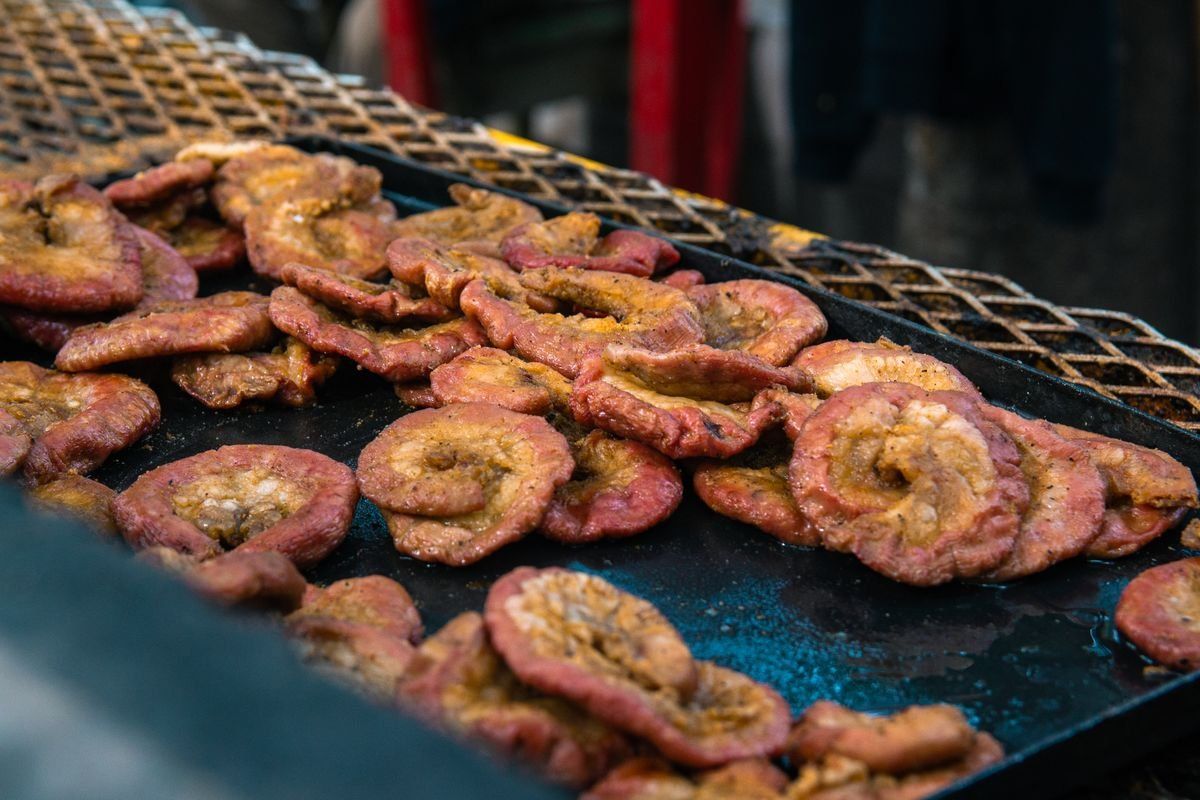
The best way to understand Sardinian cuisine is to try a mix of pasta, bread-based dishes, seafood, meat, cheese, and dessert. Each specialty tells a different part of the island’s story, from shepherd culture in the mountains to lagoon fishing on the western coast.
Porceddu
Porceddu, also called porcheddu, is one of Sardinia’s most iconic dishes. It is a roasted suckling pig, cooked slowly until the meat becomes tender and the skin turns crisp. Traditionally seasoned with myrtle or rosemary, it represents the island’s pastoral heritage and festive table culture.
This is the dish many travelers remember first. It is rich, fragrant, and usually served at agriturismi, local festivals, or traditional restaurants. If you want the full experience, order it with roasted potatoes and a glass of Cannonau. Then pause for a moment of silence in honor of very good life choices.
Culurgiones
Culurgiones are Sardinia’s beautifully shaped stuffed pasta, especially associated with Ogliastra. They are often filled with potatoes, pecorino, and mint, then closed with a distinctive wheat-spike seam. The flavor is comforting, fresh, and balanced, with a filling that is both creamy and aromatic.
They are usually served with tomato sauce and a generous shower of grated cheese. Their handmade appearance matters: they are a symbol of home cooking and local craft, not just a pasta shape. If your plate looks too pretty to eat, that feeling lasts roughly four seconds.
Malloreddus
Malloreddus, often called Sardinian gnocchi, are small ridged semolina pasta shells. They are typically served alla Campidanese, with tomato sauce, sausage, saffron, and pecorino. This is one of the island’s most traditional first courses and a staple of family meals and celebrations.
The ridges hold sauce beautifully, which is excellent news for everyone involved. If you want a dish that feels deeply local and satisfyingly hearty, this is a top pick. It is simple in concept, but when made well, absolutely not simple in effect.
Fregola with seafood
Fregola is a toasted semolina pasta made of tiny irregular balls, similar in appearance to large couscous but entirely Sardinian in character. One of the most beloved versions is fregola with clams or mixed seafood, often enriched with saffron and fish broth.
The texture is part of the charm: slightly chewy, nutty, and perfect for absorbing broth. In coastal towns, this is the kind of dish that tastes like the sea without trying too hard. It is elegant, but still has enough personality to make risotto nervous.
Spaghetti alla bottarga
Spaghetti alla bottarga is one of the essential seafood dishes to try in Sardinia. Bottarga is cured and dried mullet roe, especially famous around Cabras on the western coast. Grated or sliced over pasta, it adds a salty, intense, savory flavor that is deeply tied to the island’s maritime tradition.
You may hear bottarga called “Sardinian caviar,” which sounds fancy and is also true enough to justify ordering it immediately. The best versions are often very simple: spaghetti, olive oil, garlic, maybe a touch of lemon, and plenty of bottarga. No unnecessary drama, just excellent ingredients doing their job.
Zuppa gallurese
Zuppa gallurese is not really a soup in the way English speakers expect. This specialty from Gallura is made with layers of bread and cheese soaked in broth, then baked until soft, rich, and golden. The final result is closer to a rustic baked casserole than a liquid dish.
It is comfort food in a very serious, northern Sardinian way. If lasagna and bread pudding had a delicious countryside cousin, this would be it. Ideal after a windy day exploring the coast or whenever your soul asks for melted cheese with purpose.
Pane carasau and pane frattau
Pane carasau is one of Sardinia’s defining foods: a paper-thin, crisp flatbread with ancient origins. It was traditionally made for shepherds because it kept for a long time. It can be eaten plain, with olive oil, or transformed into pane frattau, layered with sauce, pecorino, and egg.
Pane carasau arrives at the table looking innocent, like a large edible sheet of parchment. Then it vanishes very quickly. Pane frattau, meanwhile, turns this humble bread into a full dish that feels both rustic and surprisingly refined.
Seadas
Seadas are among the most famous Sardinian desserts. They are large fried pastries filled with fresh cheese and finished with honey. The contrast between savory cheese, crisp dough, and sweet topping makes them one of the island’s most memorable traditional sweets.
This is dessert, but with a rebellious streak. Sweet? Yes. Cheesy? Also yes. Fried? Naturally. If you are the kind of person who struggles to choose between dessert and cheese, Sardinia has thoughtfully removed the burden.
Sea and land: how food changes across Sardinia
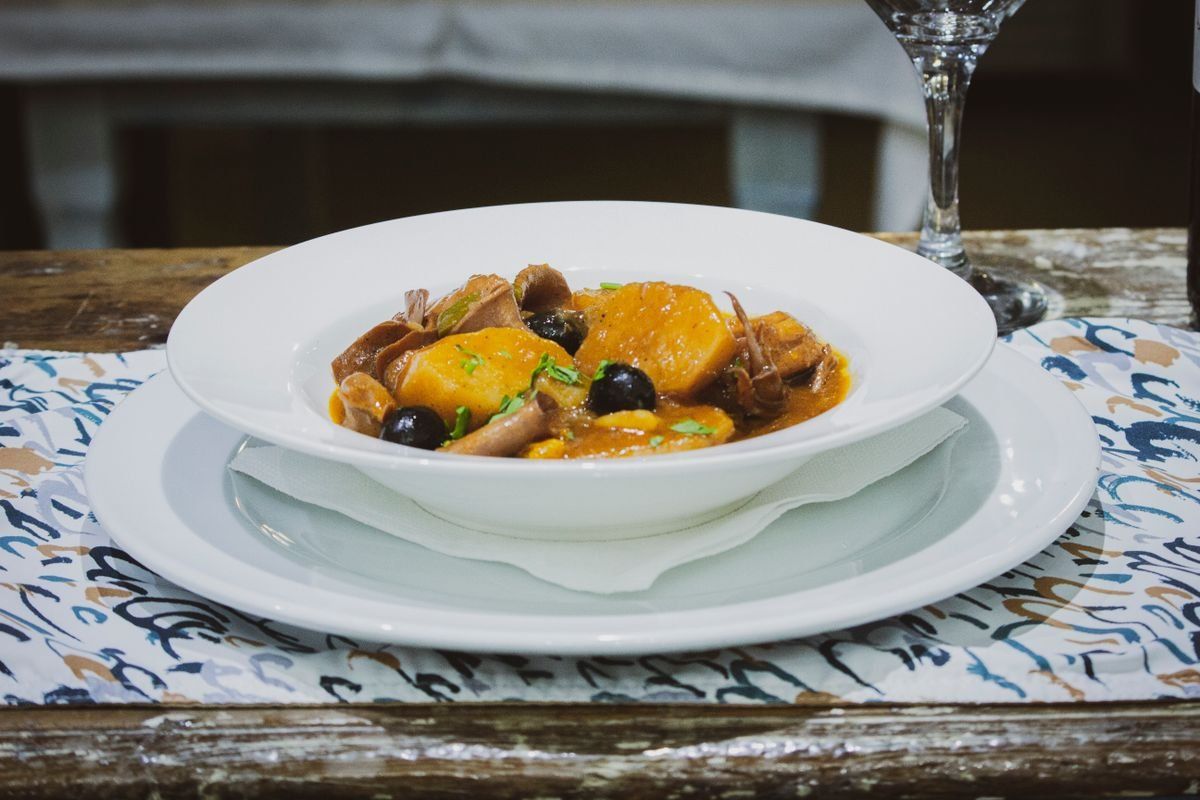
Sardinian food varies significantly depending on where you travel. Coastal areas are known for shellfish, bottarga, lobster, octopus, and sea urchin, while inland regions focus on roasted meats, cheeses, stuffed pasta, and breads linked to shepherd traditions and village cooking.
This regional variety is one of the best reasons to explore the island beyond the beaches. Eating in Alghero is not the same as eating in Ogliastra, Barbagia, or Cagliari. The table below gives a quick snapshot.
| Area | What to try | Food style |
|---|---|---|
| Cabras and Oristano coast | Bottarga, mullet dishes, seafood pasta | Lagoon and coastal seafood traditions |
| Alghero | Catalan-style lobster, fish dishes | Seafood with Catalan influence |
| Ogliastra | Culurgiones, pane carasau | Mountain and home-style cooking |
| Barbagia | Porceddu, pecorino, roasted meats | Pastoral and inland cuisine |
| Campidano | Malloreddus alla Campidanese | Pasta and saffron-rich dishes |
| Gallura | Zuppa gallurese | Rustic baked dishes and strong cheeses |
What Sardinians drink with their meals
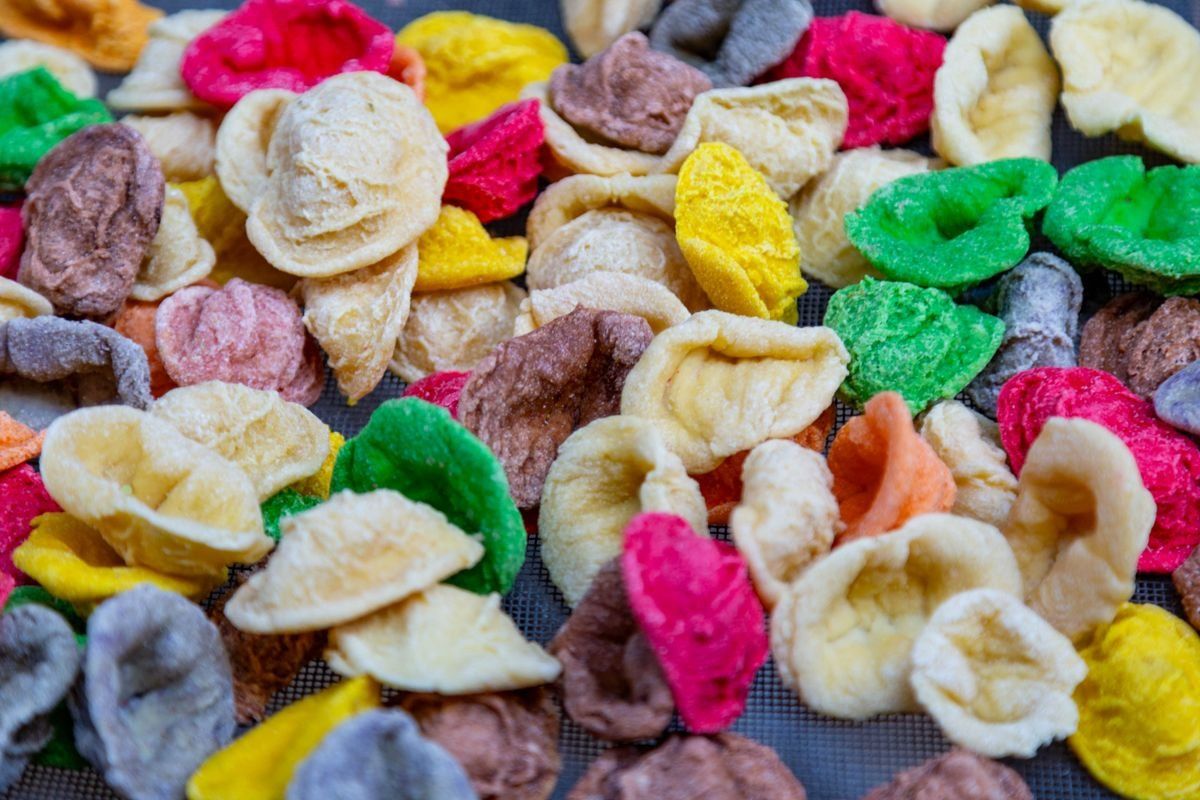
Sardinia is known for strong local wine traditions and aromatic after-dinner liqueurs. The most famous wines are Cannonau, a robust red, and Vermentino, a fresh white. The island’s signature digestif is mirto, made from myrtle berries and widely served after meals.
Here is a simple pairing guide to keep things delicious and uncomplicated:
- Cannonau: ideal with porceddu, lamb, and richer meat dishes
- Vermentino: perfect with fregola ai frutti di mare, lobster, and shellfish
- Vernaccia di Oristano: a great match for some traditional dishes and local aperitivo moments
- Mirto: the classic finish after dinner, especially when you think you cannot eat or drink anything else and then, somehow, you can
What to eat in Sardinia for a full local experience
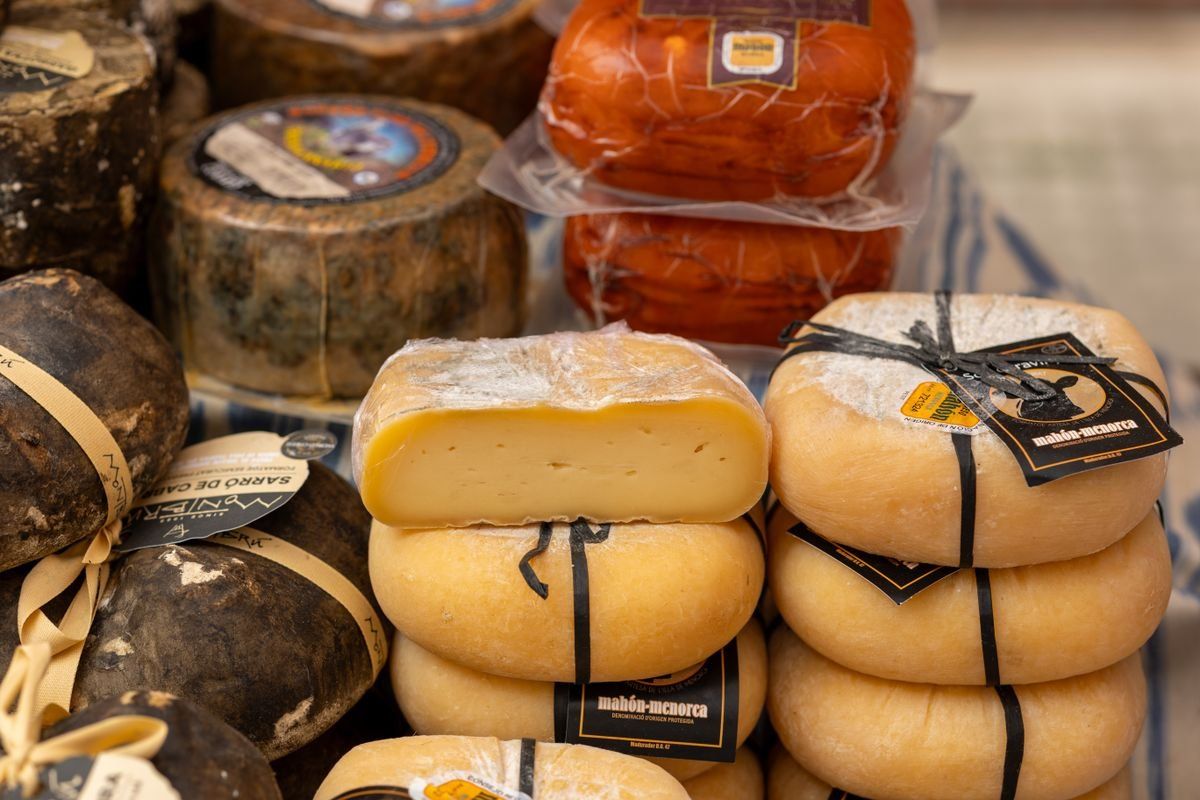
A well-rounded Sardinian meal should include a mix of bread, pasta or a first course, a meat or seafood specialty, local cheese, dessert, and a regional drink. This approach gives a fuller picture of the island’s culinary identity and its balance between simplicity and depth.
If you want a practical tasting plan, try this order:
- Start with pane carasau and pecorino
- Choose a first course like culurgiones, malloreddus, fregola, or spaghetti alla bottarga
- Add a main such as porceddu or a seafood dish depending on where you are
- Finish with seadas
- End properly with mirto
This is not the only way to eat in Sardinia, of course. It is simply a very convincing one.
A final bite before you book
Sardinian cuisine is rich in identity, shaped by geography, and full of dishes that feel connected to place. From bottarga on the coast to porceddu in the inland villages, the island offers one of Italy’s most distinctive food cultures, with recipes that are simple, memorable, and deeply local.
If food is one of your favorite ways to understand a destination, Sardinia will reward you generously. And if all this talk of fregola, mirto, and crispy porceddu has you mentally packing a bag already, have a look at the WeRoad group trips to Sardinia and go discover the island one unforgettable meal at a time.
FAQ
- What is the traditional food of Sardinia?
-
Sardinia has many traditional foods, but the most representative include porceddu, culurgiones, malloreddus, pane carasau, and seadas. These dishes reflect the island’s pastoral roots, handmade pasta traditions, and long culinary history.
- How is Sardinian different from Italian food?
-
Sardinian cuisine is part of Italian cuisine, but it is more strongly tied to local sheep farming, semolina-based pasta, crisp breads, wild herbs, and unique seafood products like bottarga. It also has a more distinct regional identity than many travelers expect.
- What do Sardinians eat for dinner?
-
Dinner in Sardinia can include pasta such as culurgiones or malloreddus, followed by roasted meat or seafood depending on the area. Bread, pecorino, vegetables, wine, and sometimes dessert like seadas often complete the meal.
- What drink is Sardinia known for?
-
Sardinia is especially known for mirto, a liqueur made from myrtle berries, usually served after meals. Among wines, Cannonau and Vermentino are the island’s best-known labels.
- Is bottarga worth trying in Sardinia?
-
Yes, especially if you enjoy bold seafood flavors. Bottarga is one of Sardinia’s signature products, and trying it in spaghetti alla bottarga or thin slices as an appetizer is one of the island’s essential food experiences.
- What is the best dessert in Sardinia?
-
Seadas is the most famous Sardinian dessert. It combines fried pastry, fresh cheese, and honey in a way that is both traditional and unforgettable.