Group tours to Sicily
An active volcano over the sea, markets where you eat standing up and Greek temples glowing at sunset: in Sicily you can climb Mount Etna in the morning and swim below Taormina in the afternoon. Our group tours take you there with fellow travelers who are up for trekking, street food and sea.

Book with confidence
Book with $ 0
Lock in your spot and only pay once it's confirmed
Free changes
Switch dates or destination within 31 days, at no extra cost
Maximum Flexibility
With Flexible Cancellation, cancel up to 8 days before
Pay in installments
Spread the cost over time, interest-free
Group Trips to Sicily
Palermo's markets, Etna's craters, Baroque Noto and the Aeolian Islands
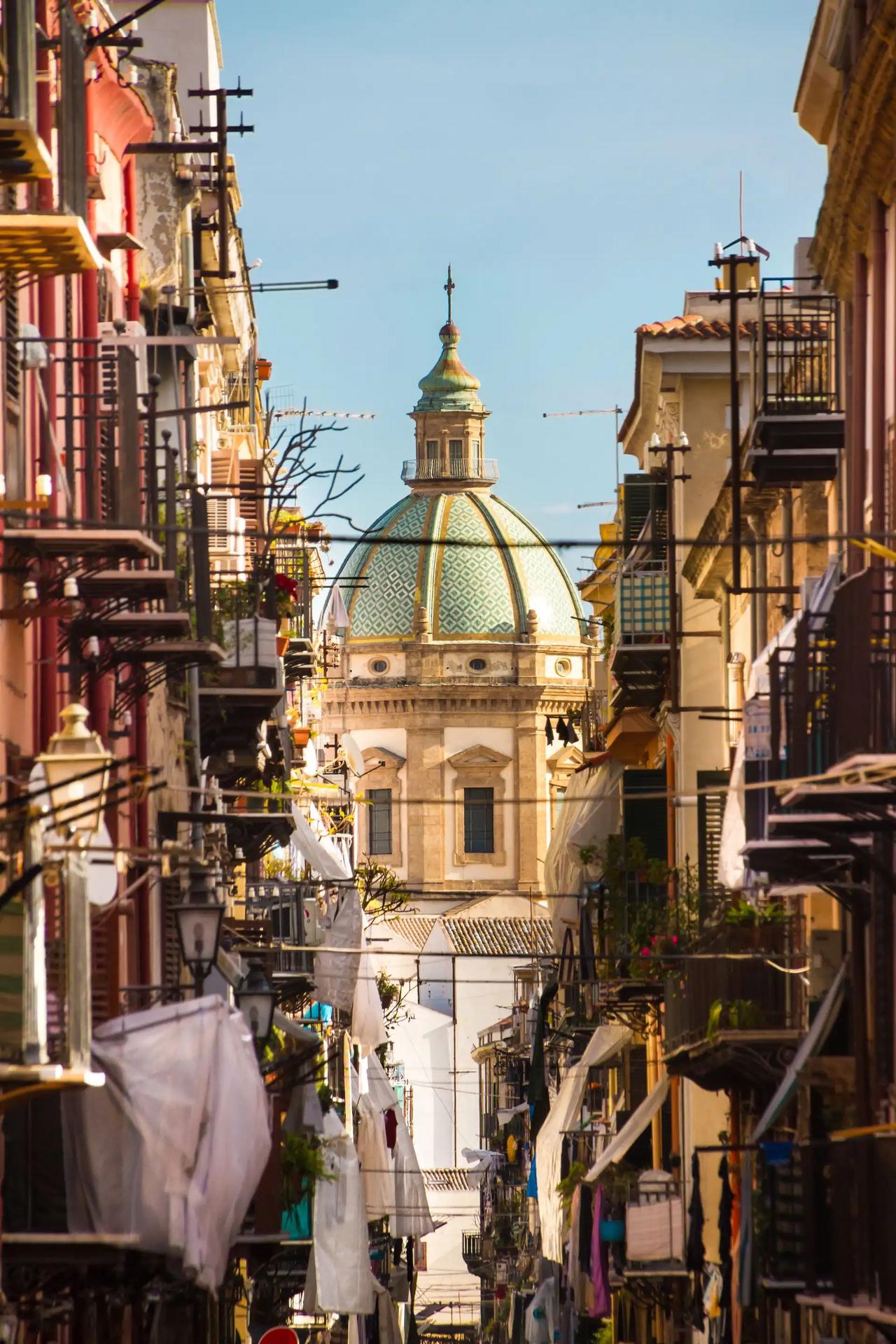
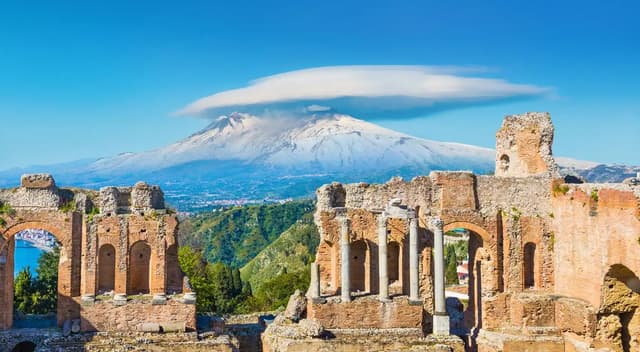
Palermo means the Ballarò and Vucciria markets and Arab-Norman churches, UNESCO-listed with Monreale and Cefalù. To the west lie Trapani, port for the Egadi, the salt pans toward Marsala and hilltop Erice. In the east, lava-stone Catania has a lively fish market and late nights below Mount Etna, Europe's highest active volcano, while Taormina's ancient theater frames the volcano above Isola Bella.
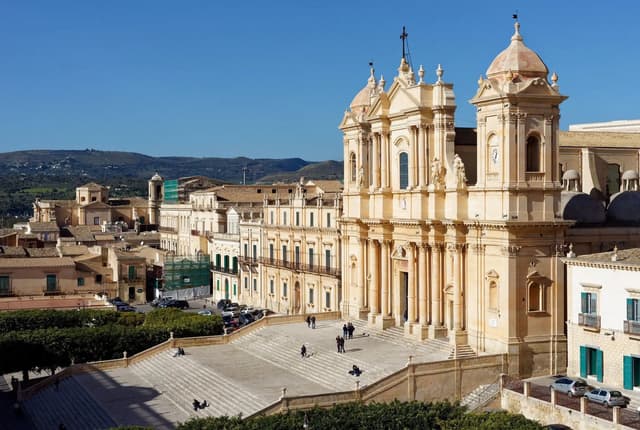
Syracuse combines the Neapolis Archaeological Park with Ortigia, its sea-ringed old town, and inland the Baroque towns of the Val di Noto, rebuilt after 1693, include Noto, Ragusa Ibla and Modica with its chocolate. In Agrigento, the Valley of the Temples glows orange at sunset; the south coast adds Torre Salsa and Selinunte.
Offshore, the seven volcanic Aeolian Islands range from Vulcano's fumaroles to Stromboli's erupting crater, while the flatter Egadi mean biking on Favignana and snorkeling off Levanzo and Marettimo.
From the WeRoad blog


Sicily travel guide
When to visit Sicily
The easiest months are April to June, September and October, with pleasant temperatures for cities and archaeological sites and the sea warm from June through October. July and August suit the islands and beaches, but inland and in Agrigento midday heat is intense, so visit early or near sunset. In winter Palermo, Catania and Syracuse stay mild and Etna often has snow, so you can even ski with a sea view. In spring, Holy Week brings processions from Trapani to Enna.
More hidden gems to see
Between Palermo and Trapani, the Doric temple of Segesta stands alone on a hill, and the Zingaro Nature Reserve can only be explored on foot, to the sea stacks of Scopello. In Piazza Armerina, the Villa Romana del Casale holds one of the world's largest collections of Roman mosaics. Near Etna, the Alcantara Gorges are a basalt canyon with an icy river, and Caltagirone has 142 majolica-tiled steps. On the south coast the white Scala dei Turchi steps down to the sea, and Vendicari mixes wild beaches with marshes where flamingos stop over.
Getting around
Sicily is the largest island in the Mediterranean: Palermo and Catania are about two and a half hours apart by highway, and trains are slow off the main lines. Fly into Palermo, Catania, Trapani or Comiso, or arrive by ferry from Naples or Genoa, or across the Strait to Messina in about twenty minutes. Hydrofoils to smaller islands can be canceled in rough seas, so leave some slack.
Food, festivals and traditions
The day starts with granita and brioche, then pasta alla Norma in Catania or pasta con le sarde in Palermo, while arancina versus arancino splits west from east. Desserts mean cannoli, cassata, Bronte pistachios and Avola almonds, with Nero d'Avola, Etna reds and Malvasia delle Lipari. Catania's feast of Sant'Agata fills the city in early February, Palermo's Festino di Santa Rosalia ends with fireworks in mid-July, and the opera dei pupi, UNESCO-listed puppet theater, still plays in Palermo and Catania.